Best Vegetables For Diabetes: Essential Non-Starchy Guide 2025
Discover the top vegetables that help manage blood sugar, improve heart health, and support weight control for people with diabetes.
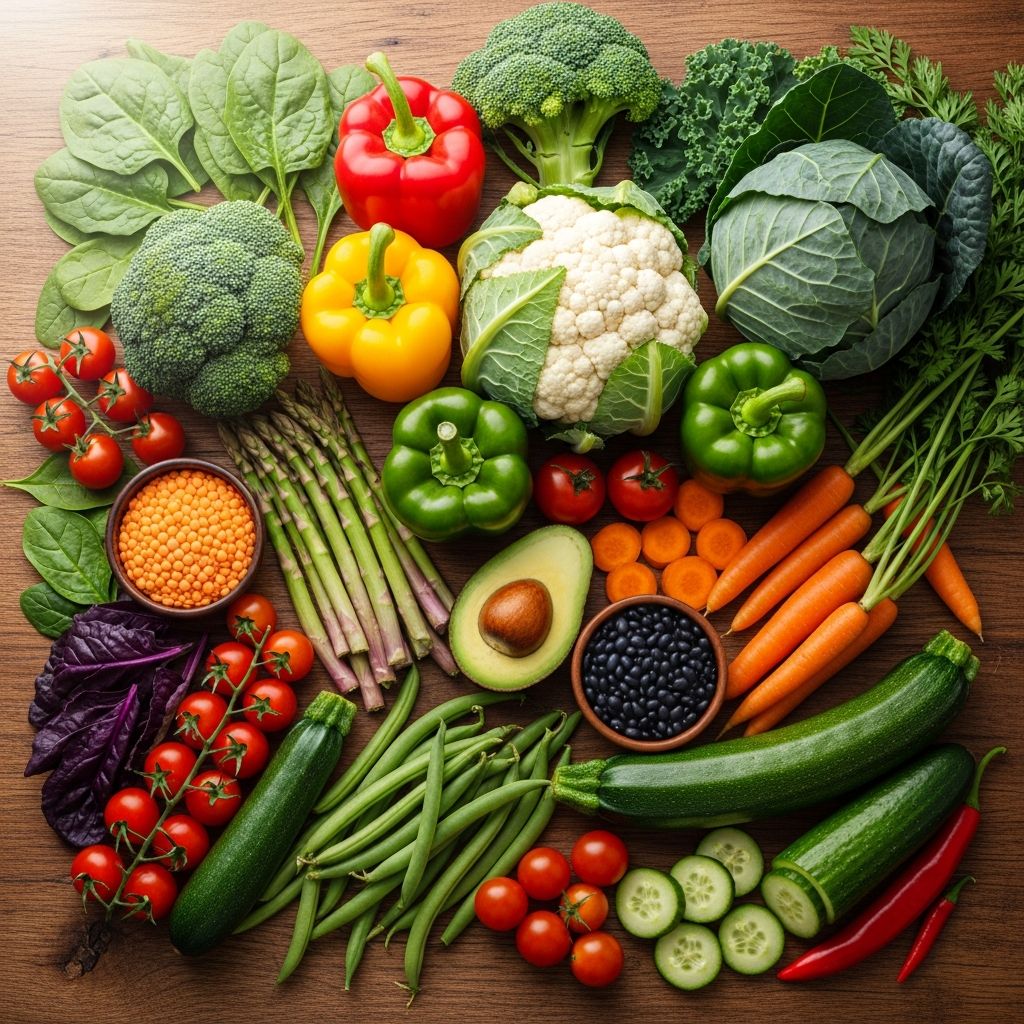
Vegetables are a cornerstone of diabetes management, offering low-calorie, nutrient-dense options that help stabilize blood sugar levels, promote heart health, and support weight control. Prioritizing non-starchy, high-fiber varieties can significantly improve glycemic control and reduce inflammation, making them essential for anyone with type 2 diabetes.
Why Vegetables Are So Important for People with Diabetes
People with diabetes benefit greatly from vegetables due to their rich profiles of antioxidants, fiber, and nitrates. These nutrients combat inflammation, slow glucose absorption, and lower blood pressure—key factors since diabetes increases heart disease risk. High-fiber veggies like artichokes and Brussels sprouts promote fullness, aiding weight management, while leafy greens provide vitamins that support overall health.
Research shows that diets high in green leafy vegetables and fiber are linked to lower type 2 diabetes risk and better glycemic control in adults. Non-starchy vegetables, recommended by the American Diabetes Association (ADA), form the bulk of plates for balanced nutrition without spiking blood sugar.
Leafy Greens
Leafy greens such as
spinach
, kale, collard greens, and arugula are powerhouse foods for diabetes. Low in carbs and calories, they deliver vitamins A, C, K, folate, calcium, iron, and antioxidants that fight oxidative stress and protect against heart disease. Studies suggest they may reduce chronic disease risk, including diabetes progression.- Spinach: Nitrate-rich, it lowers blood pressure and supports heart health. Enjoy raw in salads or sautéed.
- Kale and Collards: Packed with fiber for digestive health and glucose control.
- Arugula and Lettuce: Add crunch to meals with minimal carbs.
Incorporate into smoothies, soups, or as salad bases for daily benefits.
Cruciferous Vegetables
Cruciferous veggies like
broccoli
,cauliflower
,Brussels sprouts
, and cabbage excel in diabetes diets. They contain sulforaphane, a compound aiding blood glucose management, plus soluble fiber for gut health and vitamins C and K. These veggies reduce inflammation and may prevent cancer.- Broccoli: Steam or stir-fry stems and florets for maximum nutrition; helps maintain steady blood sugar.
- Cauliflower: Versatile as rice substitute or roasted “steak”; offers folate and antioxidants like beta-carotene in colored varieties.
- Brussels Sprouts: High-fiber for fullness and cholesterol reduction.
Don’t overcook to preserve nutrients—try roasting for flavor.
Other Non-Starchy Vegetables
Beyond greens and cruciferous, options like peppers, green beans, zucchini, asparagus, and more provide variety. These are low-GI, supporting steady energy without blood sugar spikes.
| Vegetable | Key Benefits | Best Prep |
|---|---|---|
| Red Bell Peppers | Vitamins A & C for eye health and immunity | Raw slices or roasted |
| Green Beans | Fiber-rich, low-cal; choose low-sodium canned | Steamed or sautéed |
| Zucchini & Squash | Low-carb, high potassium; hydrating | Spiralized or grilled |
| Asparagus | Folate, anti-inflammatory; aids lipid profile | Grilled or shaved raw |
| Okra & Eggplant | Fiber for digestion; low GI | Stir-fried or baked |
These align with ADA’s non-starchy list, including cucumbers, mushrooms, onions, and radishes for endless meal ideas.
Related Stories



Starchy Vegetables to Enjoy in Moderation
While non-starchy dominate, some starchy veggies like carrots, beets, sweet potatoes, peas, corn, parsnips, and winter squash can fit occasionally. They offer medium-to-high fiber but require portion control due to carbs.
- Carrots: High fiber, antioxidants; raw or cooked.
- Sweet Potatoes: Low GI when baked; rich in beta-carotene.
- Beets: Medium GI; nitrates for blood pressure.
Monitor portions—GI varies by preparation, so pair with proteins and fats.
How to Incorporate More Vegetables into Your Meals
Boost veggie intake with simple strategies: fill half your plate with non-starchy options, blend into smoothies, or snack raw. Rotate weekly for nutrient diversity, including gourds like ivy gourd or ridge gourd if available, for insulin support and gut health.
- Start day with spinach smoothies.
- Midday salads with mixed greens and peppers.
- Dinners: Cauliflower rice with broccoli stir-fry.
- Snacks: Celery sticks or cucumber slices.
Cooking tips: Steam, roast, or eat raw to retain fiber; avoid heavy sauces.
Sample Meal Ideas and Recipes
Practical recipes make veggies appealing:
- Crispy Baked Broccoli: Toss florets with olive oil, bake at 425°F for 20 mins—crunchy and sulforaphane-rich.
- Grilled Sesame Asparagus: Grill spears with sesame oil; folate boost.
- Cauliflower Fried “Rice”: Pulse cauliflower, stir-fry with greens and peppers.
- Spinach Stuffed Peppers: Fill halves with sautéed spinach and lean protein.
- Zucchini Noodles with Pesto: Low-carb pasta alternative.
These keep meals under 45g carbs, per ADA guidelines.
Frequently Asked Questions (FAQs)
Which vegetables should people with diabetes eat daily?
Leafy greens like spinach, cruciferous like broccoli, and non-starchy like peppers and zucchini. Aim for variety to cover antioxidants and fiber.
Are starchy vegetables bad for diabetes?
No, in moderation—carrots and sweet potatoes offer benefits but watch portions due to higher carbs.
Can green beans help with diabetes?
Yes, they’re fiber-rich, low-calorie, and versatile; opt for low-sodium versions.
Is cauliflower good for blood sugar control?
Absolutely—low-carb, sulforaphane aids glucose management; use as rice swap.
What are the best high-fiber vegetables for diabetics?
Brussels sprouts, artichokes, broccoli, and beans slow digestion and promote satiety.
Are gourds like ridge gourd beneficial?
Yes, low-carb, hydrating; rotate with cluster beans and moringa for optimal control.
Bottom Line
Incorporating a rainbow of vegetables daily transforms diabetes management. Focus on non-starchy stars for stable blood sugar, heart protection, and vitality. Consult a healthcare professional for personalized plans.
References
- Vegetables for diabetes: Choices, benefits, and meal tips — Medical News Today. 2023-10-01. https://www.medicalnewstoday.com/articles/317225
- Top Weekly Vegetables for Diabetes Control — Freedom from Diabetes. 2024-01-15. https://www.freedomfromdiabetes.org/blog/post/top-weekly-vegetables-for-diabetes-control/4842
- Top 7 Veggies You Should Be Eating and Why — Diabetes Food Hub (ADA). 2023-05-20. https://diabetesfoodhub.org/blog/top-7-veggies-you-should-be-eating-and-why
- The 10 Best Vegetables for Diabetics — CenterWell Primary Care. 2024-03-10. https://www.centerwellprimarycare.com/en/resources/the-10-best-vegetables-for-diabetics
- Non-Starchy Vegetables — American Diabetes Association. 2025-01-01. https://diabetes.org/food-nutrition/reading-food-labels/non-starchy-vegetables
- Diabetes Superstar Foods — American Diabetes Association. 2024-11-15. https://diabetes.org/food-nutrition/food-and-blood-sugar/diabetes-superstar-foods
- Increased vegetable intake improves glycaemic control in adults — PMC (NIH). 2022-06-22. https://pmc.ncbi.nlm.nih.gov/articles/PMC9241062/
Similar Articles








Read full bio of medha deb