Best Vegetables for Weight Loss: A Nutritional Guide
Discover which vegetables support healthy weight loss and how to incorporate them into your daily diet.
Best Vegetables for Weight Loss: A Comprehensive Nutritional Guide
When it comes to weight loss, vegetables are among the most powerful tools in your nutritional arsenal. Non-starchy vegetables and leafy greens are particularly effective for supporting weight loss goals due to their low caloric density, high fiber content, and ability to keep you satisfied between meals. Unlike processed foods or calorie-dense snacks, vegetables provide essential nutrients while helping you maintain the caloric deficit necessary for sustainable weight loss.
Why Vegetables Are Ideal for Weight Loss
Vegetables support weight loss through multiple mechanisms. Their low glycemic load prevents blood sugar spikes that can increase hunger and cravings throughout the day. Research from Harvard’s Nurses’ Health Study and Health Professionals Follow-up Study, which tracked nearly 110,000 participants over 14 years, found that individuals who increased their fruit and vegetable intake were significantly more likely to lose weight than those who maintained the same intake or decreased their consumption.
The high water and fiber content in vegetables creates bulk in your digestive system, promoting satiety with fewer calories. Fiber absorbs water and expands as it passes through your digestive tract, helping you feel fuller longer and reducing overall caloric intake naturally. Additionally, most vegetables require more chewing, which slows eating pace and gives your brain adequate time to register fullness signals.
Best Non-Starchy Vegetables for Weight Loss
Not all vegetables are equally effective for weight loss. The most impactful choices are non-starchy vegetables, which contain minimal carbohydrates and calories while delivering maximum nutritional value.
Dark Leafy Greens
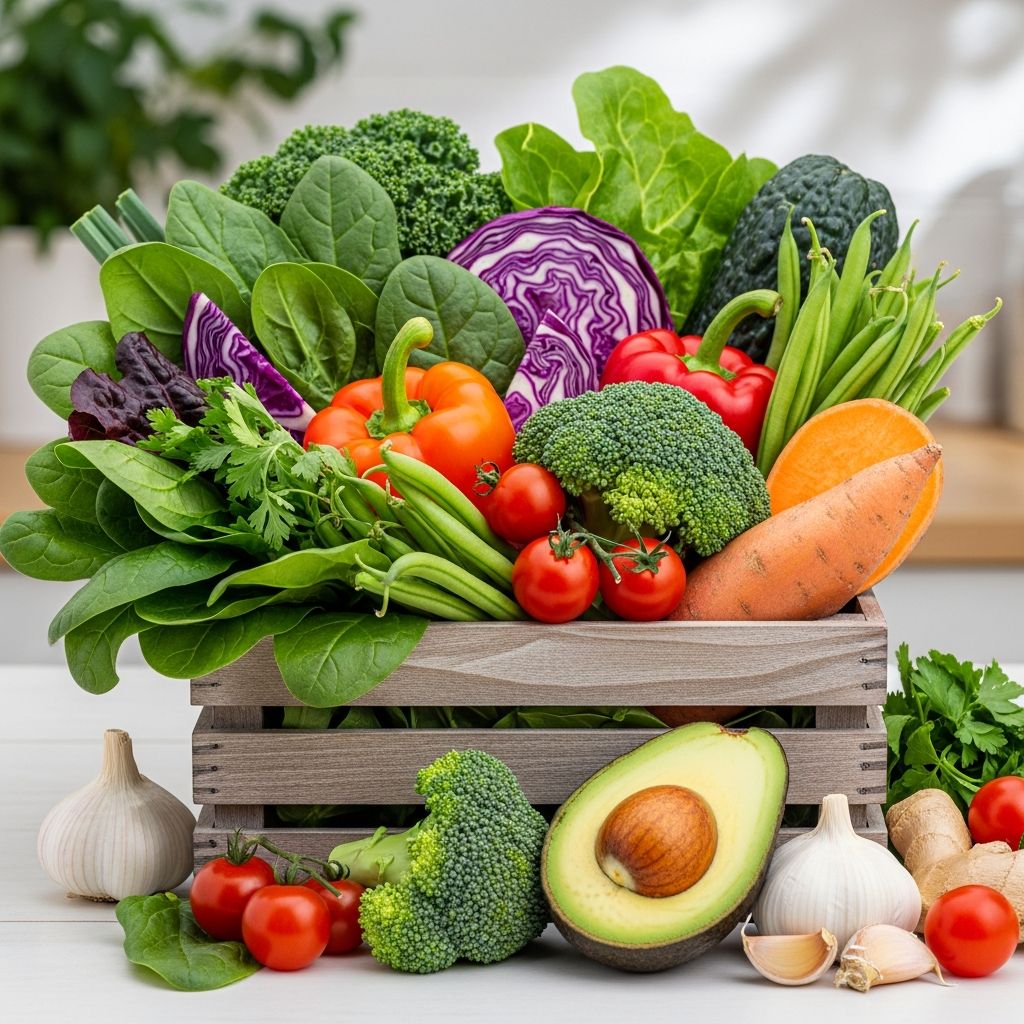
Dark leafy vegetables represent some of the most nutrient-dense, lowest-calorie options available. Spinach, lettuce, Swiss chard, kale, and mustard greens are virtually calorie-free while providing essential vitamins, minerals, and phytonutrients. These greens are particularly associated with cardiovascular health benefits and can be consumed in large quantities without concern about caloric excess. A single cup of raw spinach contains only 7 calories but delivers significant amounts of iron, calcium, and vitamins A, C, and K.
Cruciferous Vegetables
Broccoli, cauliflower, cabbage, Brussels sprouts, bok choy, and kale are cruciferous vegetables that combine low calories with exceptional nutritional density. These vegetables contain compounds called glucosinolates, which may offer protective health benefits. A cup of raw broccoli provides only 31 calories and 2.4 grams of fiber, making it an excellent choice for weight loss while supporting overall health.
Colorful Vegetables
Peppers (red, yellow, orange, and green), zucchini, cucumber, tomatoes, and green beans provide color, variety, and satisfaction to meals while remaining low in calories. Bell peppers contain vitamin C and capsaicin, a compound that may slightly increase metabolism. These vegetables can be enjoyed raw as snacks, added to omelets, or incorporated into stews and other dishes.
Vegetables to Limit for Weight Loss
While all vegetables offer nutritional benefits, some are higher in carbohydrates and calories and may hinder weight loss efforts if consumed in large quantities. Research from the Harvard-based Nurses’ Health Studies identified specific vegetables associated with weight gain rather than loss.
Related Stories



Starchy vegetables to minimize include:
- Potatoes and french fries
- Corn
- Peas
- Sweet potatoes (in large quantities)
These vegetables are higher in digestible carbohydrates and calories, meaning they don’t provide the same satiety benefits as non-starchy options. A medium potato contains approximately 103 calories and 17 grams of carbohydrates, compared to a cup of broccoli with just 31 calories and 2.4 grams of carbohydrates. If weight loss is your primary goal, replace these starchy vegetables with non-starchy alternatives or consume them in smaller portions alongside lean proteins and healthy fats.
Vegetables Most Associated with Weight Loss
Research has identified specific vegetables and fruits with the strongest associations with weight loss. A 24-year analysis from the Nurses’ Health Studies found that certain produce items were particularly effective.
| Vegetable/Produce | Weight Loss Association | Key Nutrients |
|---|---|---|
| Cauliflower | Strong association with weight loss | Fiber, vitamin C, antioxidants |
| Leafy Greens (spinach, lettuce) | Strong association with weight loss | Iron, calcium, vitamins K, A, C |
| Berries | Associated with weight loss | Antioxidants, fiber, vitamin C |
| Apples | Associated with weight loss | Fiber, polyphenols, vitamin C |
| Pears | Associated with weight loss | Fiber, vitamin C, copper |
| Potatoes | Associated with weight gain | Carbohydrates, potassium |
| Corn | Associated with weight gain | Carbohydrates, fiber |
Preparation Methods That Support Weight Loss
How you prepare vegetables significantly impacts their weight loss effectiveness. The U.S. Centers for Disease Control and Prevention recommends specific preparation techniques that preserve nutritional value while keeping caloric content minimal.
Optimal preparation methods include:
- Steaming: Preserves nutrients without adding calories
- Grilling: Adds flavor with herbs like rosemary instead of butter or oils
- Sautéing: Use a non-stick pan with minimal cooking spray rather than oil
- Raw consumption: Maximizes fiber and nutrient retention
- Frozen options: Convenient and nutritionally equivalent to fresh, often without added sauces
Avoid preparations that add significant calories, such as creamy sauces, butter, cheese, or deep frying. Instead, enhance flavor with herbs, spices, lemon juice, or vinegar-based dressings.
Building a Weight-Loss Diet Around Vegetables
Successfully incorporating vegetables into a weight-loss plan requires strategic meal planning. Research on diet patterns shows that Mediterranean and vegetarian approaches—both centered on abundant vegetable intake—demonstrate the strongest evidence for sustainable weight loss and cardiometabolic improvements.
Daily vegetable intake recommendations:
- Aim for at least one serving from each color category: dark green leafy vegetables, yellow or orange vegetables, red vegetables, and cruciferous vegetables
- Include citrus fruits for additional fiber and vitamin C
- Make vegetables the largest component of your plate—ideally filling half your plate at each meal
- Choose fresh, frozen, or canned vegetables without added salt, butter, or cream sauces
One crucial consideration: adding vegetables to your diet alone won’t guarantee weight loss unless they replace other foods, particularly refined carbohydrates like white bread, crackers, and processed snacks. Vegetables work best as a substitution strategy within a balanced, calorie-appropriate diet.
The Importance of Variety and Consistency
Consuming a diverse range of vegetables ensures you receive a broad spectrum of nutrients while preventing dietary boredom. Different colored vegetables contain different phytonutrients and antioxidants—dark leafy greens are rich in lutein and zeaxanthin, orange vegetables are packed with beta-carotene, and red vegetables contain lycopene. By rotating through various vegetables, you maximize nutritional intake and support long-term dietary adherence, which is essential for sustained weight loss.
Research spanning 24 years found that consistency matters: individuals who increased their vegetable intake over time were more likely to maintain weight loss than those who made temporary dietary changes. Building vegetables into your regular meal planning, rather than treating them as occasional additions, creates sustainable habits that support long-term weight management.
Vegetables and Overall Health Benefits Beyond Weight Loss
While weight loss is often the primary motivation for dietary changes, vegetable consumption delivers substantial additional health benefits. A meta-analysis of 469,551 participants found that higher fruit and vegetable intake reduced cardiovascular death risk by an average of 4% for each additional serving per day. Studies show that individuals consuming more than 5 servings of fruits and vegetables daily had approximately 20% lower risk of coronary heart disease and stroke compared with those eating fewer than 3 servings.
Additionally, non-starchy vegetables have been identified as protective factors against multiple cancer types, including cancers of the mouth, throat, esophagus, and stomach. The fiber content in vegetables supports digestive health, prevents constipation, and may reduce diverticulosis risk by decreasing intestinal pressure.
Frequently Asked Questions
Q: How many vegetables should I eat daily for weight loss?
A: Aim for at least 2-3 cups of vegetables daily, with emphasis on non-starchy varieties like leafy greens and cruciferous vegetables. Make vegetables the largest component of your meals, ideally filling half your plate.
Q: Are frozen vegetables as effective as fresh for weight loss?
A: Yes, frozen vegetables are nutritionally equivalent to fresh and offer convenience advantages. Ensure they don’t contain added salt, butter, or cream sauces. Simply microwave and serve as a quick side dish.
Q: Can I eat unlimited amounts of vegetables for weight loss?
A: Virtually unlimited non-starchy vegetables can be consumed without concern for weight loss. However, starchy vegetables like potatoes and corn should be portioned carefully, as they contain significantly more calories and carbohydrates.
Q: Should I avoid all potatoes and corn completely?
A: Not necessarily. These vegetables can be included in smaller portions as part of a balanced diet. However, if weight loss is your primary goal, replace them with non-starchy alternatives at most meals.
Q: How do vegetables support weight loss compared to other foods?
A: Vegetables are low in calories but high in fiber and water, promoting satiety with minimal caloric intake. Their low glycemic load prevents blood sugar spikes that trigger hunger and cravings.
Q: Can I drink vegetable juice for weight loss instead of eating whole vegetables?
A: While vegetable juice provides nutrients, whole vegetables are superior for weight loss because they retain fiber, which promotes satiety and digestive health. Juice lacks the bulking effect that makes whole vegetables particularly effective for appetite control.
References
- Vegetables and Fruits: Nutrition Source — Harvard T.H. Chan School of Public Health. 2024. https://nutritionsource.hsph.harvard.edu/what-should-you-eat/vegetables-and-fruits/
- Tips for Healthy Eating for a Healthy Weight — Centers for Disease Control and Prevention. 2024. https://www.cdc.gov/healthy-weight-growth/healthy-eating/index.html
- Optimal Diet Strategies for Weight Loss and Weight Loss Maintenance — National Institutes of Health. 2021. https://pmc.ncbi.nlm.nih.gov/articles/PMC8017325/
Similar Articles








Read full bio of medha deb