19 Best Vegetarian and Vegan Protein Sources
Discover the best plant-based protein sources to fuel your vegetarian or vegan lifestyle.
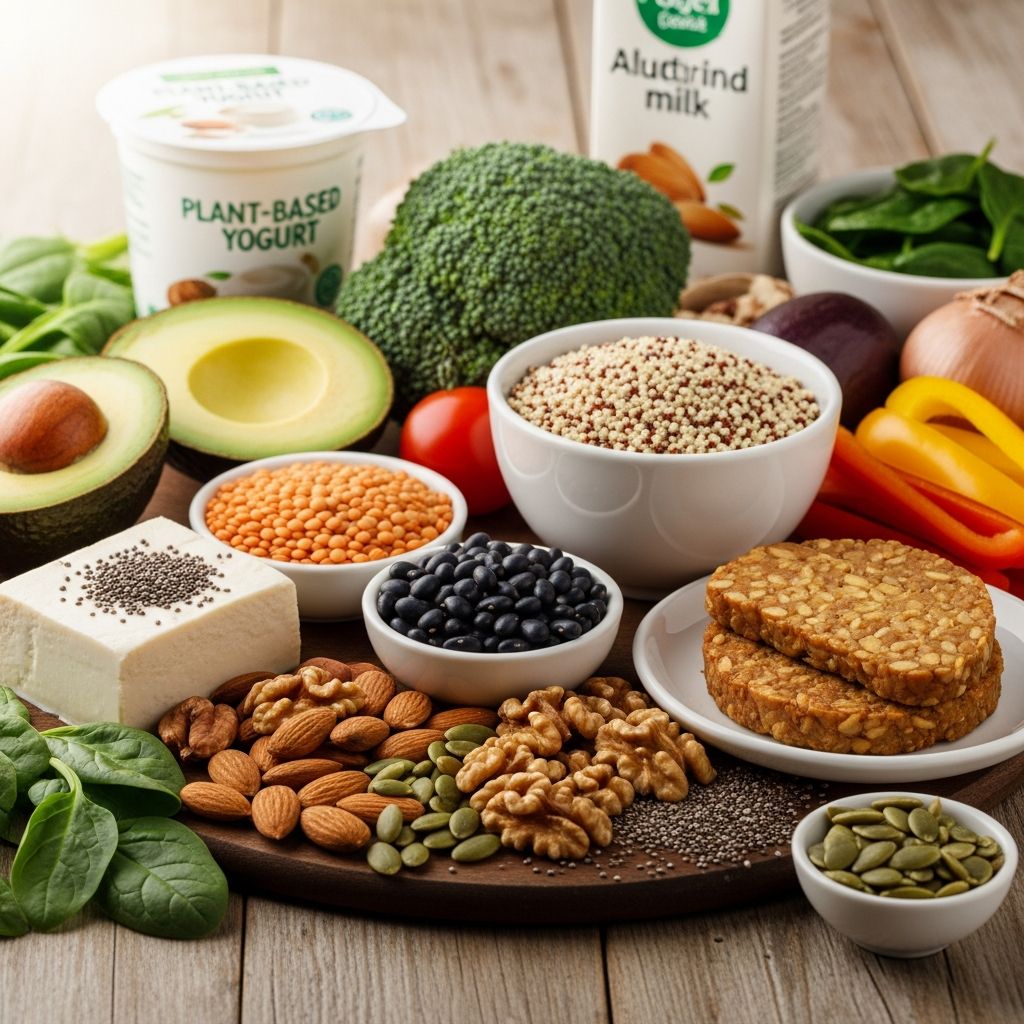
Many people transitioning to a vegetarian or vegan lifestyle often wonder: “Can I actually get enough protein if I go vegetarian or vegan?” The answer is a resounding yes. A delicious variety of beans, nuts, grains, seeds, and vegetables can provide all the protein your body needs to thrive. Protein is essential for building and maintaining muscle, satisfying hunger, and keeping blood sugar levels stable. While animal foods like chicken, beef, eggs, and fish are traditionally recognized as protein sources, many plant-based foods offer equally impressive nutritional profiles.
Why Protein Matters for Plant-Based Diets
Protein serves critical functions in the human body beyond muscle building. It supports enzyme production, hormone regulation, immune function, and tissue repair. For those following vegetarian or vegan diets, understanding how to obtain adequate protein is essential for long-term health and wellness.
Research shows that vegetarians and vegans can successfully meet their protein needs through strategic food choices. According to the EPIC-Oxford study, vegetarians and vegans consume substantially higher intakes of soya, legumes, nuts, and other moderately high-protein plant foods compared to regular meat-eaters. Plant-based protein foods are rich in quality protein, healthy fats, and fiber, making them excellent nutritional choices.
Top Legume-Based Protein Sources
Legumes represent one of the most reliable and cost-effective protein sources for vegetarians and vegans. These foods are nutrient-dense and versatile, fitting easily into various meal plans.
Lentils
Lentils are nutritional powerhouses, providing approximately 9 grams of protein per cooked cup. They come in varieties such as red, green, and brown, each with slightly different textures and flavor profiles. Red lentils cook quickly and work well in soups and curries, while green and brown lentils maintain their shape better in salads and grain bowls.
Chickpeas
Chickpeas deliver around 15 grams of protein per cooked cup and are incredibly versatile. They form the base of hummus, can be roasted for snacks, added to salads, or incorporated into curries. Chickpea flour is also an excellent egg substitute in baking.
Black Beans
Black beans provide approximately 15 grams of protein per cooked cup and are staples in many cuisines worldwide. They pair well with rice, work in soups, and can be mashed into spreads or patties.
Pinto Beans
Pinto beans offer similar protein content to black beans and feature a creamy texture when cooked. They’re excellent in burritos, refried bean dishes, and hearty soups.
Soy-Based Protein Powerhouses
Soy products are among the few plant-based sources providing complete proteins, meaning they contain all nine essential amino acids.
Tofu
Tofu contains approximately 10 grams of protein per 3.5-ounce serving and is remarkable for its versatility. Silken tofu works well in smoothies and desserts, while firm tofu can be stir-fried, baked, or grilled. Its neutral flavor allows it to absorb seasonings from surrounding ingredients.
Tempeh
Tempeh offers about 19 grams of protein per 3-ounce serving and has a firmer, nuttier texture than tofu. Made from fermented soybeans, it’s easier to digest and adds substantial texture to dishes.
Edamame
Young soybean pods provide approximately 11 grams of protein per cooked cup and make an excellent snack or appetizer. They can be steamed and seasoned with sea salt or incorporated into salads and grain bowls.
Related Stories



Soy Milk
Fortified soy milk contains about 7-8 grams of protein per cup, making it an excellent dairy milk alternative in cereals, smoothies, and baking.
Nuts and Seeds: Concentrated Protein and Healthy Fats
Nuts and seeds provide protein alongside healthy fats, making them excellent additions to a balanced plant-based diet. They work as snacks, toppings, or base ingredients in nut butters.
Almonds
Almonds deliver approximately 6 grams of protein per ounce and are rich in vitamin E and magnesium. A small handful makes a satisfying snack, or they can be ground into flour for baking.
Peanuts and Peanut Butter
Despite the name, peanuts are legumes providing about 7 grams of protein per ounce. Peanut butter contains roughly 8 grams of protein per two-tablespoon serving and works in both sweet and savory applications.
Hemp Seeds
Hemp seeds contain approximately 10 grams of protein per three-tablespoon serving and provide all essential amino acids. They have a nutty flavor and can be sprinkled on salads, yogurt, or blended into smoothies.
Chia Seeds
Chia seeds offer about 5 grams of protein per three-tablespoon serving, along with significant fiber and omega-3 fatty acids. They absorb liquid and work well in puddings, smoothies, and baked goods.
Pumpkin Seeds
Pumpkin seeds provide approximately 9 grams of protein per quarter cup and are rich in minerals like magnesium and zinc. They work as standalone snacks or as salad and soup toppings.
Sunflower Seeds
Sunflower seeds contain about 6 grams of protein per quarter cup and offer vitamin E and selenium. They’re excellent in trail mixes, salads, or as a tahini alternative.
Whole Grains and Grain-Based Proteins
Many whole grains provide more protein than refined counterparts and offer complete amino acid profiles, especially when combined with legumes.
Quinoa
Quinoa is a pseudocereal containing approximately 8 grams of protein per cooked cup and provides all nine essential amino acids. Its versatility makes it suitable for salads, bowls, or as a rice substitute.
Buckwheat
Despite its name, buckwheat is gluten-free and contains about 6 grams of protein per cooked cup. It works as a grain base or can be ground into flour for pancakes and baked goods.
Oats
Oats provide approximately 5-10 grams of protein per cooked cup, depending on preparation. They’re most commonly consumed as breakfast cereal but work in smoothies, baked goods, and savory dishes.
Amaranth
Amaranth contains about 9 grams of protein per cooked cup and is a gluten-free grain option. It can be cooked as a porridge or popped like popcorn for a crunchy snack.
Nutritional Considerations for Plant-Based Protein
While plant-based proteins are excellent nutritional sources, it’s important to understand that they may differ from animal proteins in certain nutritional aspects. Research from the EPIC-Oxford study indicates that vegetarian and vegan diets typically have different nutrient intake patterns compared to omnivorous diets. These differences can include variations in vitamin B12, calcium, and iron availability.
Plant-based protein foods are rich in quality protein, healthy fats, and fiber. However, they vary in how much fat, sodium, and carbohydrates they contain. If you’re monitoring blood pressure, blood sugar, or calories, reading nutritional labels carefully is essential.
Complete vs. Incomplete Proteins
Complete proteins contain all nine essential amino acids, while incomplete proteins lack one or more. Most plant-based foods are incomplete, but combining different protein sources (legumes with grains, for example) creates complete amino acid profiles.
Important Micronutrient Awareness
Some plant-based protein sources are higher in potassium. If you have kidney disease or take heart failure medications, consult your healthcare provider before significantly increasing intake of these foods.
Practical Tips for Meeting Protein Needs
- Aim to include protein in all meals and snacks throughout the day
- Combine legumes and whole grains to create complete proteins
- Experiment with diverse plant-based protein sources to prevent dietary monotony
- Read nutrition labels to understand protein content and nutritional profiles
- Consider fortified plant-based products when addressing specific nutrient needs
- Include a variety of nuts, seeds, and legumes in your regular diet
Frequently Asked Questions
Q: Can I get enough protein on a vegan diet?
A: Yes, absolutely. A well-planned vegan diet containing legumes, nuts, seeds, soy products, and whole grains provides sufficient protein for most people. However, some vegans may need to plan more carefully or consider supplementation for certain nutrients like vitamin B12.
Q: What’s the difference between tofu and tempeh?
A: Tofu is made from soy milk curds and has a softer texture with milder flavor, while tempeh is made from whole fermented soybeans and has a firmer, nuttier profile. Tempeh contains more protein and fiber than tofu.
Q: How can I ensure I’m getting complete proteins on a plant-based diet?
A: Combine legumes with whole grains, include soy products, or consume a variety of plant-based foods throughout the day. Your body can assemble complete proteins from complementary incomplete proteins eaten over 24 hours.
Q: Are plant-based proteins as effective as animal proteins for muscle building?
A: Plant-based proteins can support muscle building effectively when consumed in adequate quantities and combined to provide complete amino acid profiles. The key is consuming sufficient total protein throughout the day.
References
- Vegetarian & Vegan Protein Sources — Teladoc Health. Accessed January 13, 2026. https://www.teladochealth.com/library/article/vegetarian-vegan-protein-sources
- Plant-based diets and long-term health: findings from the EPIC-Oxford cohort study — National Institutes of Health, PubMed Central. Published 2020. https://pmc.ncbi.nlm.nih.gov/articles/PMC7613518/
Similar Articles








Read full bio of Sneha Tete