Best Vitamins And Minerals For Energy: Essential Guide
Discover essential vitamins and minerals that boost energy levels and support metabolic function.
Best Vitamins and Minerals for Energy
Feeling sluggish and fatigued throughout the day? The answer might lie in your nutrition. Energy is fundamental to every aspect of our lives, from work performance to daily activities and exercise. While sleep and stress management play important roles in maintaining energy levels, the nutrients you consume directly impact your body’s ability to produce and sustain energy. Vitamins and minerals act as essential cofactors in the biochemical reactions that convert food into usable energy. Understanding which micronutrients support energy production can help you make dietary choices that keep you feeling vibrant and alert.
Understanding Energy Metabolism
Your body converts the food you eat into adenosine triphosphate (ATP), the cellular currency of energy. This complex process involves numerous enzymatic reactions, many of which require specific vitamins and minerals as cofactors. Without adequate levels of these micronutrients, your metabolic pathways cannot function optimally, leading to fatigue and decreased physical performance. The body requires at least 30 vitamins, minerals, and dietary components that it cannot manufacture in sufficient amounts on its own, making dietary intake essential.
B Vitamins: The Energy Production Powerhouses
B vitamins are among the most critical nutrients for energy metabolism. This group of water-soluble vitamins works synergistically to extract energy from carbohydrates, proteins, and fats. Unlike fat-soluble vitamins that can be stored for extended periods, B vitamins are not stored in substantial amounts, making regular dietary intake important.
Thiamine (Vitamin B1)
Thiamine plays a crucial role in converting carbohydrates into glucose, which the body uses for energy production. It is essential for the proper functioning of the nervous system and helps maintain healthy energy levels throughout the day. Deficiency in thiamine can lead to fatigue, weakness, and neurological symptoms.
Riboflavin (Vitamin B2)
Riboflavin functions as a coenzyme in the electron transport chain, a critical pathway in cellular energy production. It supports the metabolism of proteins, carbohydrates, and fats. Without adequate riboflavin, your cells cannot efficiently convert nutrients into energy.
Niacin (Vitamin B3)
Niacin is instrumental in breaking down carbohydrates, fats, and proteins for energy. It participates in over 400 enzymatic reactions in the body, many related to energy metabolism. Adequate niacin intake supports sustained energy and mental clarity.
Pantothenic Acid (Vitamin B5)
Pantothenic acid is a component of coenzyme A, which is absolutely essential for energy metabolism. It helps break down fatty acids and carbohydrates to produce energy. This vitamin is found in many foods, making deficiency rare.
Biotin (Vitamin B7)
Biotin supports the metabolism of carbohydrates and fats, contributing to energy production. It also plays a role in maintaining healthy hair, skin, and nails while supporting metabolic function.
Vitamin B6 and B12
Vitamin B6 assists in amino acid metabolism and the creation of neurotransmitters that regulate energy. Vitamin B12 is essential for red blood cell formation and nervous system function, both crucial for oxygen transport and energy delivery throughout your body. B12 deficiency can cause severe fatigue and weakness.
Iron: The Oxygen Transporter
Iron is a mineral critical for energy production because it forms the core of hemoglobin and myoglobin, proteins that transport oxygen throughout your body. Without sufficient oxygen delivery to your cells, ATP production—your body’s energy currency—cannot proceed efficiently. Iron deficiency anemia is one of the most common nutritional deficiencies worldwide and a primary cause of fatigue.
Related Stories



The body stores iron reserves in the liver, spleen, and bone marrow, but these reserves can become depleted without adequate dietary intake. Women of reproductive age, vegetarians, and those with malabsorption issues are at higher risk for iron deficiency. Iron from animal sources (heme iron) is more readily absorbed than plant-based iron (non-heme iron), though consuming vitamin C with plant-based iron sources enhances absorption.
Magnesium: The Metabolic Catalyst
Magnesium participates in over 300 enzymatic reactions in the body, with a significant proportion related to energy metabolism. It is essential for the synthesis and utilization of ATP. Magnesium also supports muscle function and helps regulate neurotransmitter activity, both important for maintaining energy and reducing fatigue.
Modern diets often lack sufficient magnesium, particularly when processed foods replace whole grains, nuts, and green leafy vegetables. Stress, intense exercise, and certain medications can deplete magnesium stores, further contributing to fatigue. Adequate magnesium intake supports restful sleep, which in turn improves daytime energy levels.
Vitamin C: Supporting Energy and Immune Function
Vitamin C is a water-soluble vitamin with multiple roles in energy metabolism. It supports the absorption of iron, which is crucial for oxygen transport and energy production. Additionally, vitamin C functions as an antioxidant, protecting cells from oxidative damage that can impair energy production. It also helps convert carnitine to its active form, a compound essential for transporting fatty acids into mitochondria for energy generation.
Unlike popular belief, water-soluble vitamins like vitamin C can remain in the body for extended periods. Studies suggest that vitamin C stores can last more than a couple of days, and the body can store several years’ worth of certain water-soluble vitamins.
Vitamin D: The Immune and Energy Supporter
While vitamin D is primarily known for supporting bone health and immune function, it also plays a role in energy metabolism. Vitamin D receptors are found throughout the body, including in muscle tissue. Deficiency in vitamin D has been associated with fatigue, weakness, and reduced exercise performance. Adequate vitamin D levels support muscle function and calcium regulation, both important for sustained energy.
Other Essential Minerals for Energy
Zinc
Zinc supports protein synthesis, immune function, and enzymatic reactions related to carbohydrate metabolism. It is important for wound healing and maintaining energy levels during physical activity.
Selenium
Selenium functions as a cofactor for selenoproteins, which are involved in thyroid hormone metabolism and antioxidant defense. A healthy thyroid supports metabolic rate and energy production.
Copper
Copper is essential for iron metabolism and the formation of hemoglobin. It also supports energy production through its role in cytochrome c oxidase, an enzyme crucial to the electron transport chain.
Phosphorus and Calcium
These minerals work together with magnesium to support energy production and muscle contraction. They are essential components of bones and play regulatory roles in cellular energy metabolism.
Getting Energy-Supporting Nutrients Through Diet
A diet rich in fruits, vegetables, whole grains, quality proteins, and healthy fats provides the vitamins and minerals necessary for optimal energy production. Rather than relying solely on supplements, food sources offer multiple nutrients and phytocompounds that work synergistically.
Energy-Boosting Foods
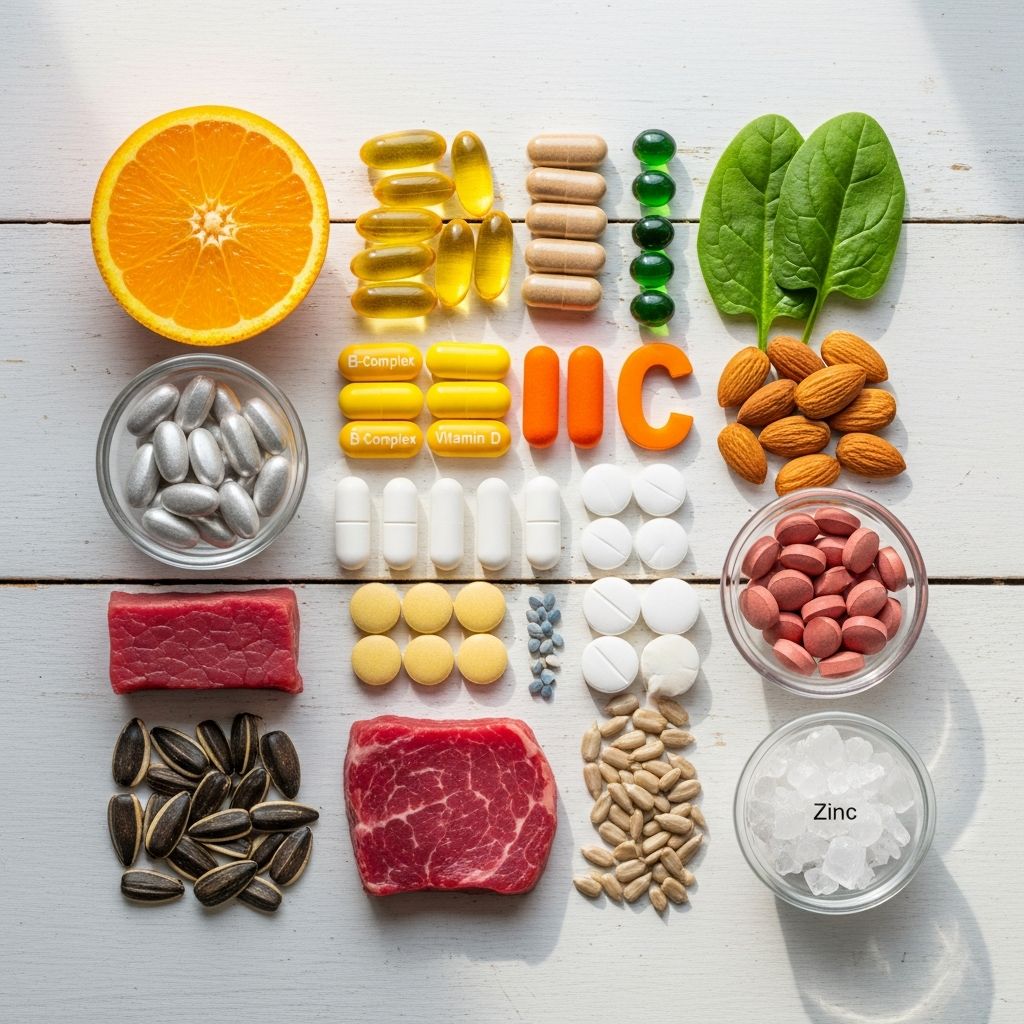
– Whole Grains: Rich in B vitamins, magnesium, and fiber for sustained energy- Lean Proteins: Contain B vitamins, iron, and zinc for energy metabolism- Leafy Greens: Excellent sources of magnesium, folate, and iron- Nuts and Seeds: Provide magnesium, zinc, and B vitamins- Legumes: High in iron, folate, and magnesium- Citrus Fruits: Rich in vitamin C, which enhances iron absorption- Fish and Seafood: Excellent sources of vitamin B12, selenium, and omega-3 fatty acids- Eggs: Contain all B vitamins, including B12, and iron
The Role of Micronutrient Interactions
Vitamins and minerals do not work in isolation; many micronutrient interactions are essential for proper function. Vitamin D enables your body to absorb calcium from food sources, vitamin C enhances iron absorption, and B vitamins work together in energy metabolism. Understanding these interactions helps explain why a balanced diet is superior to individual supplementation.
However, not all micronutrient interactions are beneficial. Vitamin C can inhibit copper absorption, and excess manganese can worsen iron deficiency. This highlights the importance of balance and the risks of over-supplementation.
Supplementation: When Food Isn’t Enough
While food should be your primary source of vitamins and minerals, supplementation may be necessary for certain individuals. Those with dietary restrictions, malabsorption issues, or specific health conditions may benefit from targeted supplementation. Multivitamins can play an important role when nutritional requirements are not met through diet alone.
However, caution is warranted with supplements. Fat-soluble vitamins (A, D, E, and K) are stored in body fat and can accumulate to toxic levels when supplemented excessively. Water-soluble vitamins are generally safer due to urinary excretion of excess amounts, though megadosing should be avoided. It is rare to consume excessive amounts of vitamins from food alone.
Frequently Asked Questions
Which B vitamin is most important for energy?
All B vitamins are important for energy metabolism, working together to convert food into usable energy. However, B12 and folate are particularly crucial for red blood cell formation and oxygen transport, which directly impact energy levels.
Can I get all necessary energy-supporting nutrients from food?
Yes, a well-balanced diet containing fruits, vegetables, whole grains, proteins, and healthy fats typically provides sufficient vitamins and minerals for energy production. Most people do not need supplementation if they eat a varied, nutritious diet.
How long does it take to feel more energetic after improving nutrition?
The timeline varies depending on your initial nutritional status and the specific deficiencies present. Some people notice improvements in energy within days to weeks of dietary changes, while others may require several weeks to months to see significant results.
Is it safe to take a daily multivitamin?
For most people, taking a standard multivitamin at recommended doses is safe. However, individual needs vary, and some nutrients can be harmful in excess. Consulting with a healthcare provider about your specific needs is advisable.
Why do I feel tired even when eating well?
While nutrition is important for energy, other factors including sleep quality, stress levels, physical activity, and underlying health conditions also significantly impact energy levels. A comprehensive approach addressing multiple aspects of health is most effective.
Conclusion
Optimal energy levels depend on a complex interplay of vitamins, minerals, and other nutrients that support metabolic function. B vitamins, iron, magnesium, vitamin C, and vitamin D form the foundation of energy production, but dozens of other micronutrients play supporting roles. Rather than pursuing individual supplements, focus on consuming a diverse diet rich in whole foods that naturally provide the complete spectrum of energy-supporting nutrients. If you suspect nutritional deficiencies or persistent fatigue, consulting with a healthcare provider or registered dietitian can help identify your specific needs and develop a personalized nutrition plan to restore and maintain optimal energy levels.
References
- Vitamins and Minerals — HelpGuide.org. 2024. https://www.helpguide.org/wellness/nutrition/vitamins-and-minerals
- Vitamins and Minerals — The Nutrition Source — Harvard T.H. Chan School of Public Health. 2023. https://nutritionsource.hsph.harvard.edu/vitamins/
Similar Articles








Read full bio of medha deb