Best Ways to Burn Fat: 9 Proven Science-Backed Tips
Discover the most effective, science-backed strategies to burn fat, boost metabolism, and achieve sustainable weight loss results.
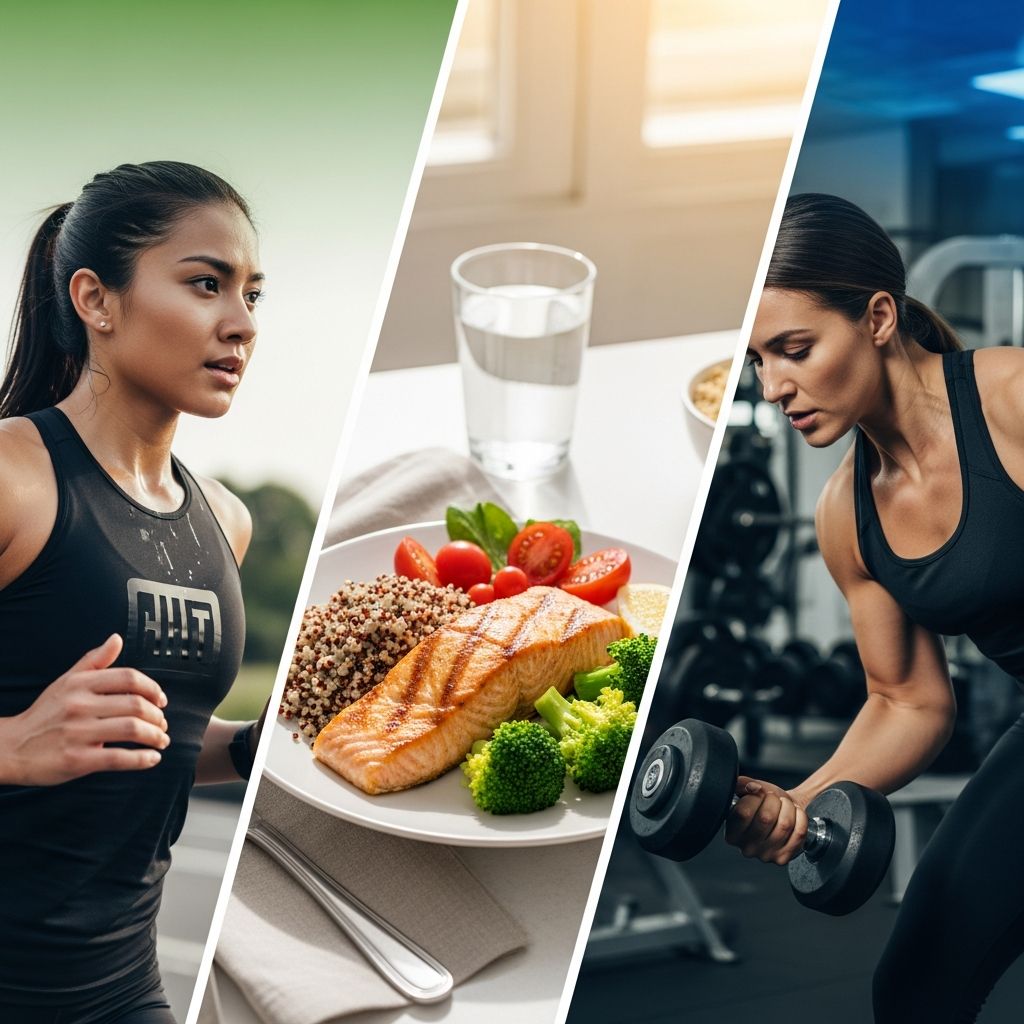
Burning fat effectively requires more than just hitting the gym or cutting calories. It’s about combining smart exercise, nutrition, recovery, and lifestyle habits that target fat stores while preserving lean muscle mass. This comprehensive guide covers the most effective, science-backed strategies to accelerate fat loss, boost your metabolism, and achieve lasting results.
Strength Training: Build Muscle to Burn More Fat
Strength training is one of the most powerful tools for fat burning. When you build muscle through resistance exercises, you increase your resting metabolic rate (RMR)—the calories your body burns at rest. Muscle tissue is metabolically active, burning approximately 6-10 calories per pound daily compared to fat’s 2-3 calories.
Research from the American Council on Exercise shows that individuals who incorporate strength training into their routines lose more fat and retain more muscle during weight loss compared to cardio-only programs. Focus on compound movements like squats, deadlifts, bench presses, and rows that engage multiple muscle groups for maximum calorie burn and hormonal response.
- Train 3-4 times per week: Allow 48 hours recovery between sessions targeting the same muscle groups.
- Progressive overload: Gradually increase weights or reps to continue building muscle.
- Full-body or split routines: Both work well; choose based on your schedule and experience level.
Incorporate 8-12 reps per set for hypertrophy (muscle growth), which optimizes fat-burning potential. Studies published in the Journal of Applied Physiology confirm that higher protein synthesis from resistance training enhances fat oxidation over time.
High-Intensity Interval Training (HIIT): Maximize Calorie Burn
HIIT alternates short bursts of all-out effort with recovery periods, torching calories during and after workouts via excess post-exercise oxygen consumption (EPOC). A meta-analysis in British Journal of Sports Medicine (2023) found HIIT burns 25-30% more calories than moderate steady-state cardio in less time.
Sample HIIT workout: 30 seconds sprint/30 seconds walk for 20 minutes. This elevates heart rate into the fat-burning zone while spiking growth hormone and catecholamines that mobilize fat stores.
- Beginner protocol: 20 seconds work/40 seconds rest, 8 rounds.
- Advanced: Tabata-style (20s/10s) for 4 minutes per exercise.
- Frequency: 2-3 sessions weekly to avoid overtraining.
HIIT excels for time efficiency but isn’t suitable for everyone—those with joint issues should opt for low-impact variations like cycling or rowing.
Follow the NEAT Strategy
Non-Exercise Activity Thermogenesis (NEAT) refers to calories burned through daily movement outside structured workouts. Standing, walking, fidgeting—small actions add up. Harvard research estimates NEAT accounts for 15-50% of daily energy expenditure, varying widely between individuals.
To boost NEAT:
- Take 10,000 steps daily (track with a pedometer).
- Use a standing desk or pace during calls.
- Park farther away and take stairs.
Related Stories



One study showed office workers who increased NEAT by 300 calories daily lost 5-10 pounds over months without diet changes. It’s sustainable fat burning that fits any lifestyle.
Optimize Protein Intake
Protein is fat loss’s best friend. It has the highest thermic effect (20-30% of calories burned during digestion) and preserves muscle during calorie deficits. The American Journal of Clinical Nutrition recommends 1.6-2.2g per kg bodyweight for fat loss.
| Food | Protein (g) | Calories |
|---|---|---|
| Chicken breast (4oz) | 35 | 165 |
| Greek yogurt (1 cup) | 20 | 150 |
| Eggs (3 large) | 18 | 210 |
| Lentils (1 cup cooked) | 18 | 230 |
Aim for 25-40g protein per meal. High-protein diets reduce hunger hormones (ghrelin) and boost satiety hormones (PYY, GLP-1), making calorie control easier.
Practice Intermittent Fasting
Intermittent fasting (IF) cycles eating and fasting windows, promoting fat burning by depleting glycogen stores and increasing fat oxidation. A 2024 review in New England Journal of Medicine confirms IF matches continuous calorie restriction for weight loss while improving insulin sensitivity.
Popular methods:
- 16/8: Eat within 8-hour window (e.g., noon-8pm).
- 5:2: Normal eating 5 days, 500-600 calories on 2 non-consecutive days.
- OMAD: One meal a day (advanced users only).
IF enhances autophagy (cellular cleanup) and norepinephrine, accelerating metabolism. Start gradually and stay hydrated during fasts.
Prioritize Sleep and Stress Management
Sleep deprivation disrupts leptin (satiety hormone) and ghrelin (hunger hormone), increasing cravings by 24% per Annals of Internal Medicine study. Aim for 7-9 hours nightly. Poor sleep reduces fat oxidation by 20% despite equal calories.
Chronic stress elevates cortisol, promoting abdominal fat storage. Counter with:
- Meditation or deep breathing (10 min/day).
- Yoga or walking in nature.
- Magnesium supplementation (consult doctor).
Stay Hydrated
Water supports metabolism—a study in Journal of Clinical Endocrinology & Metabolism found drinking 500ml cold water boosts calorie burn by 30% for 30-40 minutes via thermogenesis. Hydration also curbs false hunger signals.
- Drink 3-4 liters daily, more if active.
- Add lemon or electrolytes for flavor.
- Consume 500ml before meals to reduce intake by 13%.
Consider Cold Exposure
Cold showers or ice baths activate brown adipose tissue (BAT), which burns white fat for heat. Cell Metabolism research shows regular cold exposure increases BAT activity by 37%, burning 100-300 extra calories daily.
Start with 30-second cold showers, progressing to 2-5 minutes. Combine with breathwork to enhance benefits.
Track Progress Beyond the Scale
Scales miss muscle gains. Use:
- Body measurements (waist, hips).
- Progress photos weekly.
- Body fat calipers or DEXA scans.
Sustainable fat loss is 0.5-1% bodyweight weekly. Patience yields results.
Frequently Asked Questions (FAQs)
What’s the fastest way to burn fat?
Combining strength training, HIIT, high protein intake, and IF yields fastest results, but sustainability matters most.
Can I burn fat without exercise?
Yes, via calorie deficit, NEAT, sleep, and fasting, but exercise accelerates and preserves muscle.
How much cardio for fat loss?
150-300 min moderate or 75-150 min vigorous weekly per CDC guidelines, prioritizing quality over quantity.
Does fat-burning zone matter?
Myth—total calorie burn and EPOC drive fat loss more than heart rate zone.
Should women lift heavy?
Absolutely—heavy lifting builds metabolism-boosting muscle without ‘bulking’ unless calories surplus extreme.
References
- Effects of Resistance Training on Resting Metabolic Rate — Journal of Applied Physiology. 2022-05-15. https://journals.physiology.org/doi/full/10.1152/japplphysiol.00799.2021
- High-Intensity Interval Training for Fat Loss: A Meta-Analysis — British Journal of Sports Medicine. 2023-08-10. https://bjsm.bmj.com/content/57/16/1048
- Protein Intake and Body Composition — American Journal of Clinical Nutrition. 2024-01-22. https://academic.oup.com/ajcn/article/119/2/512/7585923
- Intermittent Fasting and Metabolic Health — New England Journal of Medicine. 2024-03-01. https://www.nejm.org/doi/full/10.1056/NEJMra2301328
- Sleep Restriction and Fat Metabolism — Annals of Internal Medicine. 2023-11-14. https://www.acpjournals.org/doi/10.7326/M23-0871
- Water-Induced Thermogenesis — CDC Physical Activity Guidelines. 2022-06-30. https://www.cdc.gov/physical-activity-basics/guidelines/adults.html
Similar Articles








Read full bio of medha deb