Remove Earwax Safely: A Complete Guide For Healthy Ears
Learn safe, effective methods for earwax removal from home remedies to professional care.
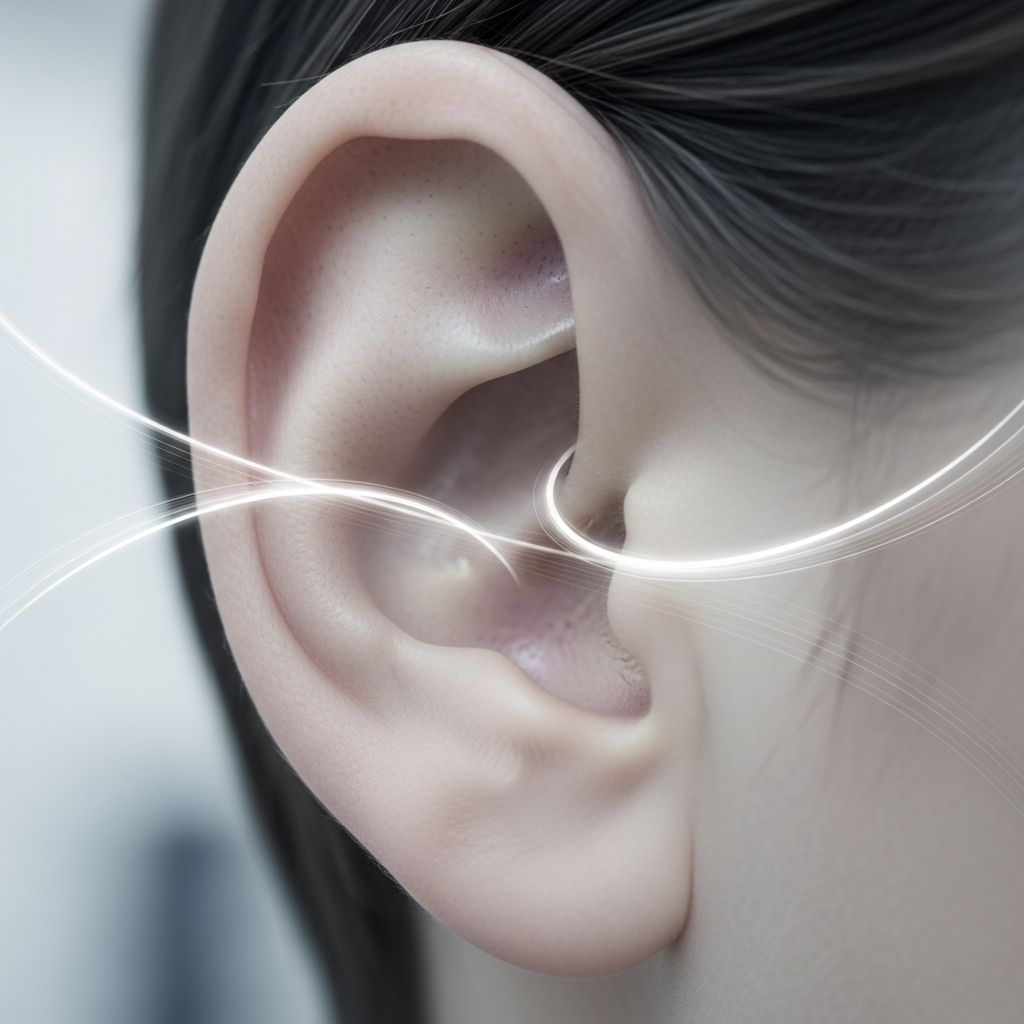
Earwax, medically known as cerumen, is a natural substance produced by glands in your ear canal. While it serves the important purpose of protecting and lubricating your ears, excessive buildup can cause discomfort, hearing loss, and other complications. Understanding the safest methods for earwax removal is essential for maintaining ear health without causing injury or pain.
Understanding Earwax and Why It Builds Up
Earwax is a protective secretion that traps dust, bacteria, and other foreign particles, preventing them from reaching the eardrum. In most people, earwax naturally migrates out of the ear canal and doesn’t require intervention. However, some individuals produce excess wax, or their ear canals are shaped in a way that prevents natural drainage. This can lead to impaction—a condition where wax becomes tightly packed against the eardrum.
Factors that increase the risk of earwax buildup include frequent use of hearing aids, earbuds, or earphones; narrow ear canals; excessive hair in the ear canal; and certain medical conditions. Aging can also contribute to changes in earwax consistency and increased impaction risk.
Why Traditional Methods Can Be Harmful
Many people instinctively reach for cotton swabs or other objects to clean their ears, but this approach often causes more problems than it solves. When you insert cotton swabs or similar implements into the ear canal, you risk pushing wax deeper into the canal, compacting it against the eardrum. This can result in pain, infection, hearing loss, or even perforation of the eardrum in severe cases.
The ear canal is delicate and sensitive, lined with thin skin that is easily damaged. Any object inserted into the ear—whether a cotton swab, bobby pin, toothpick, or similar tool—can scratch the canal lining and create an entry point for bacteria, potentially leading to swimmer’s ear or other infections.
Safe At-Home Earwax Removal Methods
Gentle Outer Ear Cleaning
The safest approach to ear hygiene begins with what you don’t do: never insert anything into your ear canal. Instead, focus on cleaning the outer ear. After showering or bathing, use a soft, damp cloth to gently wipe the outer ear and the area behind it. This removes any visible wax or debris without introducing anything harmful into the canal.
Using Ear Drops to Soften Wax
Over-the-counter ear drops are among the most effective and safest methods for managing earwax buildup at home. These drops work by softening hardened wax, making it easier for your ears to naturally expel it or for you to gently remove it. Common types of softening drops include:
- Saline solution drops
- Mineral oil
- Olive oil
- Glycerin
- Hydrogen peroxide solutions
- Baking soda drops
To use ear drops effectively, follow these steps: place a few drops in the affected ear as directed on the package, allow the drops to sit for several minutes to penetrate the wax, then tilt your head to let excess liquid drain naturally. Most products recommend use once or twice daily for two to three days before attempting removal.
Related Stories



Warm Oil Treatment
A time-tested natural remedy involves using warm olive or mineral oil. Warm a small amount of oil (test it on your wrist first to ensure it’s not too hot), then lie on your side with the affected ear facing upward. Instill a few drops into the ear canal and remain still for five to ten minutes to allow the oil to penetrate and soften the wax. Sit up slowly and gently wipe away any excess oil with a soft cloth. This method supports your ear’s natural cleaning process without force or irritation.
Hydrogen Peroxide Treatment
Hydrogen peroxide is a widely available and effective option for earwax softening. At Stanford Otolaryngology, healthcare providers recommend using standard over-the-counter hydrogen peroxide as an effective home treatment. To use this method, saturate a cotton ball with hydrogen peroxide, lay on your side with the treated ear facing upward, and gently squeeze the contents into your ear. You’ll notice bubbling and crackling sounds as the peroxide works to break down the wax. Wait five to ten minutes for this activity to stop, then sit up, remove the cotton ball, and wipe away the excess liquid with a towel. Repeat on the other ear if needed. Note that hydrogen peroxide may cause irritation in sensitive ears, so use cautiously and discontinue if discomfort occurs.
Gentle Ear Irrigation Technique
If ear drops alone don’t resolve the problem after several days, gentle irrigation can help flush out softened wax. This method should only be attempted after wax has been softened, as attempting irrigation on hard wax can be painful and ineffective.
Step-by-Step Irrigation Process
Preparation: Soften the wax using drops or oil for two to three nights before irrigation. Fill a soft rubber bulb syringe with warm water at body temperature (approximately 98.6°F). Never use hot water, as this can cause dizziness or burns.
Positioning: Tilt your head sideways over a sink or hold a towel to catch drainage. Keep your head in this position throughout the process.
Irrigation: Gently squeeze the bulb syringe to direct a slow stream of warm water toward the ear canal wall—never aim directly at the eardrum. The water should flow along the canal wall to dislodge softened wax gradually.
Drainage: Allow water and loosened wax to drain naturally into the sink or towel. Gently dry the outer ear with a soft cloth, being careful not to insert the cloth into the canal.
Repeat this process once or twice if needed, but stop if you experience pain or discomfort. If irrigation doesn’t successfully remove the wax after one or two attempts, seek professional help.
When to Seek Professional Help
While home remedies work for many people, certain situations warrant professional evaluation and treatment. You should see an ear, nose, and throat (ENT) specialist or audiologist if:
- Home treatments haven’t resolved the problem after one week
- You experience ear pain, hearing loss, or ringing in the ears
- You have a perforated eardrum or ear tubes
- You have diabetes or a compromised immune system
- You experience drainage or infection symptoms
- You have recurrent earwax impaction
Professional Earwax Removal Techniques
ENT specialists employ several safe, effective methods to remove stubborn earwax:
- Gentle suction: Using specialized equipment to safely extract wax without causing trauma to the ear canal
- Micro-instruments under visualization: Using small instruments under direct visualization to carefully remove wax
- Advanced irrigation systems: Professional-grade irrigation equipment that safely removes wax while protecting the eardrum
- Curette removal: Using specialized curette instruments to gently scoop out wax
These professional procedures are quick, relatively painless, and highly effective. If you frequently experience earwax impaction or suffer from recurrent ear infections related to wax buildup, an ENT specialist can develop an individualized care plan to prevent future problems.
Prevention Strategies
Preventing excessive earwax buildup is easier than treating it. Consider these preventive measures:
- Avoid inserting objects into your ear canal, including cotton swabs, hearing aid tips, or earbuds for extended periods
- Use earplugs when swimming to prevent water from pushing wax deeper into the canal
- Clean your hearing aids, earbuds, and earphones regularly to prevent wax accumulation
- If you’re prone to earwax buildup, ask your doctor about preventive ear drops to use monthly
- Manage excess ear hair through professional trimming if it contributes to wax retention
- Maintain good overall ear hygiene by gently wiping the outer ear after bathing
Frequently Asked Questions About Earwax Removal
Q: Is it normal to have earwax?
A: Yes, earwax is completely normal and serves an important protective function. Most people don’t need to remove earwax at all—the ear naturally cleans itself. Intervention is only necessary when buildup causes symptoms.
Q: Can I use oil-based drops if I have tubes in my ears?
A: No. If you have ear tubes or a perforated eardrum, you should not use oil-based drops or allow water to enter the ear canal. Consult your ENT specialist for appropriate cleaning methods.
Q: How often should I clean my ears?
A: Most people don’t need to clean inside their ears at all. Simply wiping the outer ear after bathing is sufficient. If you’re prone to buildup, your doctor may recommend monthly preventive drops.
Q: Are there any risks with over-the-counter ear drops?
A: When used as directed, OTC ear drops are generally safe. However, some people may experience irritation or allergic reactions. Always read labels carefully and discontinue use if discomfort occurs.
Q: What should I do if I accidentally pushed wax deeper into my ear?
A: Don’t panic. Stop attempting to remove it yourself and see an ENT specialist. Pushing wax deeper can cause impaction, but professionals can safely remove it using appropriate techniques.
Q: Can swimming cause earwax problems?
A: Swimming can potentially push water deeper into the ear canal, which may affect wax. Using earplugs while swimming and gently drying your ears afterward can help prevent issues.
References
- Effective Ear Wax Removal: Pain-Free Tips to Manage Build-Up — Sleep and Sinus Centers. Accessed December 2025. https://www.sleepandsinuscenters.com/blog/effective-ear-wax-removal-pain-free-tips-to-manage-build-up
- The Best Way to Remove Ear Wax — Stanford Otolaryngology, Head & Neck Surgery. June 8, 2023. https://www.youtube.com/watch?v=kWjSfG02giM
- Cerumen Impaction: Diagnosis and Management — American Family Physician. 2017. https://www.aafp.org/afp/2017/0715/p93.html
Similar Articles








Read full bio of medha deb