Severe Dandruff Treatment: Essential Guide To Lasting Relief
Comprehensive guide to managing and treating severe dandruff with proven medical approaches.
Best Way to Treat Severe Dandruff
Dandruff is a common scalp condition that affects millions of people worldwide, causing itching, flaking, and visible white or yellowish scales on the scalp and hair. While mild dandruff can often be managed with regular shampooing, severe dandruff requires more targeted and comprehensive treatment approaches. Understanding the various treatment options available—from over-the-counter solutions to prescription medications and professional interventions—is essential for anyone struggling with persistent scalp issues.
Severe dandruff, often associated with seborrheic dermatitis, can significantly impact quality of life and self-confidence. The condition may stem from various causes, including fungal overgrowth, immune system responses, or underlying skin conditions. Fortunately, modern dermatology offers multiple evidence-based treatment strategies that can effectively control and manage even the most stubborn cases of dandruff.
Understanding Severe Dandruff and Seborrheic Dermatitis
Severe dandruff is not simply a cosmetic concern—it can indicate an underlying skin condition requiring proper medical attention. Seborrheic dermatitis, the most common cause of severe dandruff in adults, involves inflammation and scaling of the scalp. The condition is often triggered or worsened by various factors, including malassezia fungus overgrowth, stress, cold weather, and certain neurological conditions.
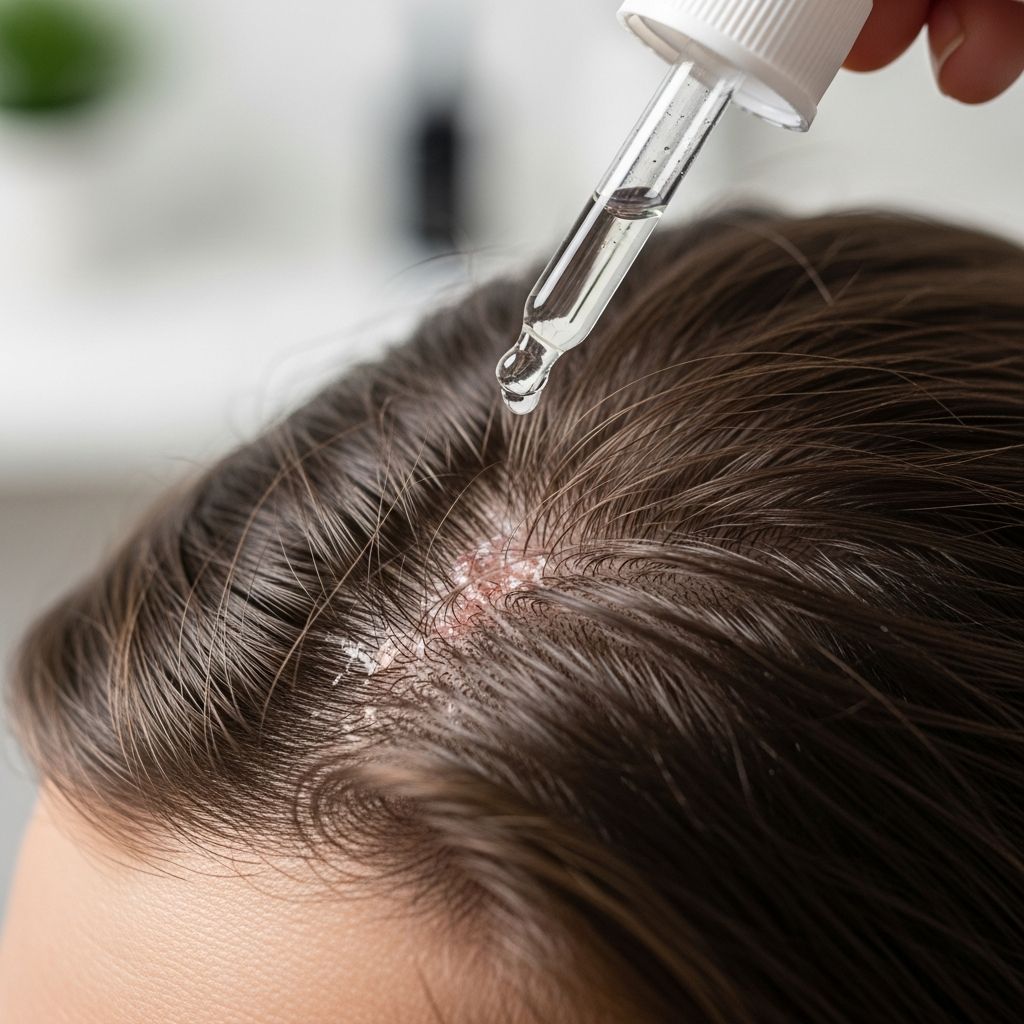
When dandruff becomes severe, it typically presents with extensive scaling, pronounced itching, and visible inflammation. The scalp may appear red and irritated, and individuals may experience discomfort that interferes with daily activities. Recognizing when dandruff has progressed beyond mild cases is crucial for seeking appropriate treatment.
Over-the-Counter Treatment Options
The first line of defense against severe dandruff involves over-the-counter medicated shampoos containing active ingredients proven to reduce flaking and itching. These products work through various mechanisms, each targeting different aspects of the dandruff condition.
Key Active Ingredients in Medicated Shampoos
Zinc Pyrithione stands as one of the most effective over-the-counter ingredients for dandruff treatment. This compound works by killing the bacteria and fungi responsible for scalp irritation and flaking. Zinc pyrithione has demonstrated significant efficacy in clinical studies, showing superior performance in reducing dandruff flaking compared to placebo shampoos. Products containing zinc pyrithione, when used consistently, can substantially improve scalp health and reduce visible scaling.
Ketoconazole is a potent antifungal agent that directly targets the malassezia fungus implicated in seborrheic dermatitis. Available in over-the-counter formulations, ketoconazole shampoos can effectively reduce fungal overgrowth and associated inflammation. This ingredient is particularly useful for individuals with severe cases resistant to other treatments.
Salicylic Acid functions as a keratolytic agent, working to remove accumulated scales and dead skin cells from the scalp surface. By reducing the dense scale buildup, salicylic acid helps restore scalp health and improve the efficacy of other treatments. This ingredient is often combined with sulfur for enhanced effects.
Selenium Sulfide is a powerful antifungal ingredient that kills fungi responsible for dandruff. While highly effective, this ingredient can temporarily discolor hair and scalp, making it better suited for evening use or specific treatment protocols.
Related Stories



Coal Tar has been used for decades in dandruff treatment and works by slowing scalp cell turnover and reducing inflammation. This ingredient is particularly effective for severe cases, though some individuals may find the odor objectionable.
Sulfur works synergistically with salicylic acid to moisturize the scalp while reducing scale formation. This combination addresses both the immediate symptoms and underlying scalp health concerns.
Proper Application and Usage Guidelines
Using over-the-counter dandruff shampoos correctly is essential for achieving optimal results. Dermatologists recommend applying medicated shampoo 2-3 times per week initially, leaving the product on the scalp for several minutes before rinsing thoroughly. Many people make the mistake of rinsing too quickly, which reduces the effectiveness of active ingredients.
Consistency is crucial when treating severe dandruff. Most individuals should use their chosen medicated shampoo for 3-4 weeks before assessing results, as the scalp condition typically requires time to improve. If no significant improvement occurs after one month, switching to a shampoo with a different active ingredient may be necessary. Some individuals find success by alternating between two different formulations, which can prevent the scalp from becoming too adapted to a single treatment.
Prescription Treatments for Severe Dandruff
When over-the-counter treatments fail to adequately control severe dandruff, prescription options become necessary. These stronger formulations offer more potent ingredients and delivery mechanisms.
Prescription Corticosteroids
Fluocinolone Acetonide is a prescription corticosteroid commonly recommended for severe seborrheic dermatitis and dandruff. This medication effectively reduces inflammation, itching, and flaking. One recommended treatment approach involves moistening the scalp, applying fluocinolone acetonide 0.01% in oil formulation to the entire scalp, covering with a shower cap overnight, and shampooing in the morning. This intensive treatment can be repeated nightly until inflammation clears, then reduced to 1-3 times weekly for maintenance.
For severe cases unresponsive to standard topical therapy, dermatologists may employ a “pulse” treatment strategy using more potent Class I corticosteroids. These potent agents are applied once or twice daily and must be discontinued after two weeks due to the increased risk of side effects. If the condition improves before the two-week limit, treatment should stop immediately. This approach dramatically reduces total steroid exposure while effectively inducing remission.
Calcineurin Inhibitors
Calcineurin inhibitor medications such as pimecrolimus (Elidel) and tacrolimus (Protopic) represent an alternative to corticosteroids for severe dandruff. These medications suppress immune response mechanisms that contribute to inflammation and scaling. They are particularly valuable for patients who cannot tolerate or are concerned about prolonged corticosteroid use.
Adjuvant Therapy During Treatment
Dermatologists emphasize that prescription treatments work most effectively when combined with complementary therapy. During any intensive prescription treatment period, continuing to use medicated shampoos with antifungal agents, dandruff-specific formulations, or both is essential. This adjuvant approach addresses multiple aspects of the condition simultaneously, improving outcomes and preventing relapse.
Advanced Treatment Approaches for Refractory Cases
For the small percentage of patients with severe dandruff completely unresponsive to conventional treatments, additional options exist.
Isotretinoin Therapy
In rare cases of severe seborrheic dermatitis-related dandruff that fails to respond to all standard treatments, isotretinoin therapy may be considered. This powerful medication requires careful medical supervision due to potential side effects but can provide dramatic improvement in treatment-resistant cases. This option is reserved for truly severe situations where other interventions have proven ineffective.
Combination Treatment Strategies
A practical and often highly effective approach for refractory patients involves systematically trying different combinations of conventional agents. Combining a dandruff shampoo with an antifungal agent and a topical steroid creates a multi-faceted treatment approach that addresses the condition from several angles. If this combination proves insufficient, escalating to pulse therapy with more potent corticosteroids may yield better results while maintaining safety.
Phototherapy Options
For severe cases, dermatologists may recommend phototherapy, which exposes the scalp to controlled ultraviolet light. This treatment modality reduces inflammation and fungal overgrowth, offering an alternative for patients who cannot tolerate or do not respond adequately to topical medications.
Maintenance and Long-Term Management
One critical mistake many individuals make is discontinuing treatment once dandruff improves. Severe dandruff typically requires ongoing maintenance therapy to prevent recurrence. After achieving significant improvement, continuing to use medicated shampoos once weekly or every other week is essential for sustained control.
During maintenance phases, selecting shampoos carefully becomes important. Avoiding products with strong fragrances or harsh sulfates helps prevent triggering dandruff recurrence. Maintenance treatments should continue indefinitely, as dandruff is a chronic condition rather than one that can be permanently cured. This ongoing approach is comparable to general skincare maintenance—good scalp health requires consistent attention.
Understanding Treatment Limitations and Timeline
It is important to recognize that dandruff cannot be completely cured but can be effectively controlled with appropriate treatment. This fundamental understanding helps manage expectations and encourages compliance with long-term management strategies. While this may seem discouraging, the reality is that modern treatments provide excellent control, allowing individuals to maintain healthy scalps and prevent the discomfort and social concerns associated with visible flaking.
Patience remains essential throughout the treatment process. Most individuals should allow 3-4 weeks before assessing whether their chosen treatment is effective. Switching treatments too frequently prevents determining whether a particular approach might have succeeded with continued use. Following dermatologist recommendations and maintaining consistency with application schedules significantly improves treatment success rates.
When to Seek Professional Dermatological Care
While many cases of severe dandruff respond well to over-the-counter and prescription topical treatments, certain situations warrant professional dermatological evaluation and care. If over-the-counter treatments produce no improvement after one month, or if dandruff is accompanied by bleeding, significant redness, or signs of infection, consulting a dermatologist becomes important.
A dermatologist can determine whether the scalp condition truly represents dandruff or reflects an underlying condition such as psoriasis, eczema, or fungal infection requiring different treatment approaches. Proper diagnosis ensures that treatment addresses the root cause rather than merely managing symptoms.
Prevention Strategies
While severe dandruff often requires medical intervention, certain lifestyle approaches can complement professional treatment and reduce recurrence risk. Maintaining scalp hygiene through regular shampooing with appropriate products, managing stress levels, and protecting the scalp during winter months may help prevent dandruff exacerbation. However, these preventive measures should always accompany professional medical treatment rather than serve as replacements.
Frequently Asked Questions
Q: How long does it take for dandruff treatment to work?
A: Most medicated shampoos require consistent use for 3-4 weeks before significant improvement becomes visible. This timeline allows active ingredients to effectively reduce fungal overgrowth and scalp inflammation. Patience and consistency are essential, as switching treatments too quickly prevents determining whether a particular approach would ultimately succeed.
Q: Can severe dandruff be cured permanently?
A: No, dandruff is a chronic condition without permanent cure. However, it can be effectively controlled and managed through appropriate treatment and ongoing maintenance. Continuing regular treatment after improvement prevents recurrence and maintains scalp health.
Q: What is the difference between over-the-counter and prescription dandruff treatments?
A: Over-the-counter treatments contain milder active ingredients suitable for mild to moderate dandruff, while prescription treatments provide stronger formulations such as potent corticosteroids for severe cases unresponsive to non-prescription options. Dermatologists typically recommend starting with over-the-counter treatments and escalating to prescription options if needed.
Q: Should I use the same dandruff shampoo indefinitely?
A: While you may continue using an effective shampoo long-term for maintenance, some dermatologists recommend occasionally switching between formulations or alternating between two different active ingredients. This prevents scalp adaptation and maintains treatment efficacy over extended periods.
Q: What should I do if my dandruff doesn’t improve after trying multiple treatments?
A: If dandruff persists despite trying different over-the-counter options, consult a dermatologist. They can perform proper diagnosis, identify underlying conditions, and prescribe stronger medications or advanced treatments such as pulse corticosteroid therapy or phototherapy tailored to your specific situation.
Q: Can I stop using dandruff treatment once my scalp clears?
A: No, discontinuing treatment after improvement typically results in dandruff recurrence. Maintaining scalp health requires ongoing use of medicated shampoo once weekly or every other week, similar to general skincare routines. This preventive maintenance is essential for long-term dandruff management.
Q: Are there any side effects from long-term dandruff treatment?
A: Over-the-counter medicated shampoos are generally safe for long-term use with minimal side effects. However, prescription corticosteroids used for short periods may carry certain risks if used excessively. Always follow your dermatologist’s recommendations regarding treatment duration and frequency to minimize potential adverse effects.
References
- Treatment of Seborrheic Dermatitis — American Academy of Family Physicians (AAFP). 2000-05-01. https://www.aafp.org/pubs/afp/issues/2000/0501/p2703.html
- Efficacy of probiotics in hair growth and dandruff control — National Center for Biotechnology Information (NCBI). 2024. https://pmc.ncbi.nlm.nih.gov/articles/PMC11064082/
- Dandruff Treatments and Home Remedies — WebMD. https://www.webmd.com/skin-problems-and-treatments/understanding-dandruff-treatment
- The Antidandruff Efficacy of Head and Shoulders Rinse-in-Shampoo — Elsevier Pure Research Archive. https://ohsu.elsevierpure.com/en/publications/the-antidandruff-efficacy-of-head-and-shoulders-rinse-in-shampoo–2
- You can’t cure dandruff, but you can outsmart it — Here’s the secret to stop the flakes fast — Economic Times. 2024-12-01. https://economictimes.com/news/international/us/you-cant-cure-dandruff-but-you-can-outsmart-it-heres-the-secret-to-stop-the-flakes-fast/articleshow/125189821.cms
Similar Articles








Read full bio of medha deb