Best Ways to Recover From a Muscle Strain
Learn effective strategies to safely recover from muscle strains and restore full mobility.
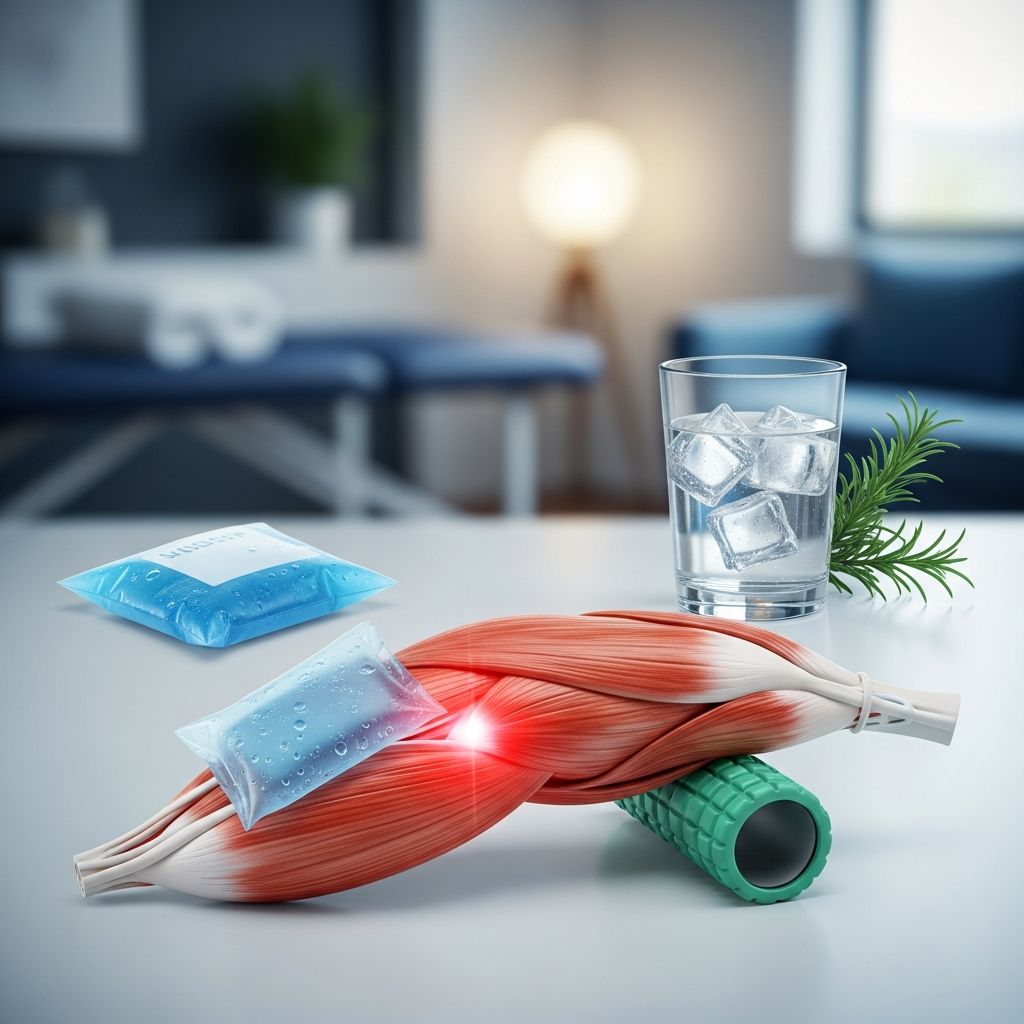
Muscle strains are among the most common injuries people experience, whether from sports activities, workplace accidents, or everyday movements. A muscle strain occurs when muscle fibers are stretched or torn, resulting in pain, weakness, and reduced mobility. The good news is that most muscle strains can be treated effectively at home or with professional physical therapy, though severe cases may require medical intervention. Understanding the right recovery strategies can significantly speed up healing and prevent complications.
Understanding Muscle Strain Injuries
A muscle strain happens when the muscle fibers become overstretched or partially torn. This can occur suddenly from a specific incident or gradually from overuse and repetitive stress. The severity of a strain determines the appropriate treatment approach. Minor strains may feel like muscle soreness, while severe strains can cause sharp pain, significant swelling, and temporary loss of function. Recognizing the signs early and implementing proper treatment can make a substantial difference in your recovery timeline.
The RICE Method: The Foundation of Strain Treatment
RICE is a widely recognized first-aid treatment for muscle strains and sprains. This acronym stands for Rest, Ice, Compression, and Elevation—four critical components that work together to reduce pain, swelling, and inflammation in the early stages of injury.1
Rest: Allowing Proper Healing
The first step in treating a muscle strain is to stop the activity that caused the injury. Continuing to use the injured muscle can worsen the damage and delay healing. Rest doesn’t mean complete immobility, but rather avoiding movements that stress the injured area. Most minor strains benefit from 1 to 2 days of relative rest, though more severe injuries may require longer periods of reduced activity.
Ice: Reducing Inflammation
Applying ice immediately after injury helps reduce inflammation and pain. Cold therapy works by constricting blood vessels, which minimizes swelling and numbs the area, providing pain relief.2 Apply ice packs for 20 to 30 minutes at a time, several times throughout the day for the first 48 to 72 hours following injury. Some effective methods include ice packs, gel packs, and cold-water baths. Always wrap ice in a cloth to prevent direct skin contact and potential frostbite.
Compression: Supporting the Injured Area
Compression helps reduce swelling and inflammation by applying pressure to the injured area. You can achieve compression using elastic bandages or cloth wraps. There are two types of compression: static compression, where pressure remains constant, and active compression, which involves pumping motions or squeeze-and-release actions. Active compression provides additional benefits by helping your body remove excess fluid from the injured area and increasing blood flow with freshly oxygenated blood needed for tissue repair.2
Elevation: Minimizing Swelling
Elevating the injured area above heart level helps reduce swelling by allowing fluid to drain away from the injury site. This simple but effective technique is particularly useful in the first few days after injury. When combined with rest, ice, and compression, elevation significantly enhances the overall effectiveness of initial injury management.
Supportive Devices for Strain Management
Various supportive devices can aid recovery by providing stability and limiting movement of the injured area. These tools are particularly valuable for allowing healing while preventing further damage.
Braces and Splints
Braces and splints provide additional support and stability to the injured area, especially for strains affecting joints like ankles and wrists.1 These devices help prevent further injury by limiting movement in specific directions. They’re particularly useful during the early healing phase when the tissue is most vulnerable.
Related Stories



Crutches
For severe strains in the leg or foot, crutches can help you avoid putting weight on the injured area, allowing it to heal more effectively. This is especially recommended for sprained ankles or significant lower leg injuries. By reducing stress on the injured tissue, crutches enable faster recovery and prevent re-injury during the healing process.
Compression Wrapping Techniques
Proper compression wrapping is essential for effective strain treatment. Different body parts require different wrapping techniques to ensure optimal support and circulation.
How to Wrap a Knee Strain
For knee injuries, proper wrapping provides critical support:
Materials needed: Use an elastic bandage or wrap designed for this purpose.
Technique:
- Start by wrapping the bandage around the thigh, just above the knee
- Cross the bandage over the knee and wrap it around the lower leg, just below the knee
- Continue wrapping in a figure-eight pattern, ensuring the wrap covers the entire knee and part of the thigh and lower leg
- Secure the wrap with tape or a clip
Duration: Keep the wrap on for 24 to 48 hours but remove it for short periods to check circulation and perform gentle exercises. Always consult your healthcare professional for specific medical advice about your situation.1
Heat Therapy for Advanced Recovery
While ice is critical immediately after injury, heat therapy becomes valuable once the initial swelling has diminished. Heat is generally recommended after the first 48 to 72 hours of injury.1
Benefits of Heat Therapy
Heat therapy helps relax muscles and increase blood flow to the injured area, promoting healing and reducing stiffness. Apply heat for 20 minutes at a time, several times daily. Heat is especially helpful for muscle strains as it reduces pain and improves flexibility.
Heat Application Methods
Various methods can deliver therapeutic heat:
- Electric heating pads
- Warm baths or hot tubs
- Hot cloths or towels
- Hot water bottles
Many people find that alternating between hot and cold therapy provides optimal pain and swelling reduction throughout the recovery process.
Therapeutic Massage for Enhanced Recovery
Therapeutic massage is a proven method for accelerating muscle strain recovery. Recent research from Harvard University has demonstrated that massage helps injured muscles heal faster and stronger.3
How Massage Promotes Healing
Massage works by loosening tight muscles and increasing blood flow to damaged tissues. The applied pressure helps remove excess fluid from the injured area and eliminates substances left behind by immune cells processing damaged tissue. Studies show that massage applied soon after an injury may even speed recovery of strained muscles.2
Timing and Technique Considerations
If the injured area is too sensitive immediately after injury, wait about a week before beginning massage. Once you begin, massage the injury and surrounding muscles to help reduce pain and improve range of motion. A qualified massage therapist or physical therapist can ensure you’re using proper techniques that support rather than hinder recovery.
Physical Therapy and Rehabilitation
Physical therapy plays a crucial role in complete muscle strain recovery, particularly as initial pain and swelling decrease. Professional guidance ensures proper progression and prevents re-injury.
Importance of Staying Active
During recovery, it’s important to stay reasonably active to prevent the muscles surrounding the injured area from growing weak. Physical therapy helps promote muscle strength and healing, reducing your risk of future injury.2
Stretching and Flexibility Work
Once pain and swelling have reduced, gentle stretching and physical therapy exercises help restore flexibility and strength. A physical therapist can show you stretching exercises that help you maintain flexibility and preserve range of motion. Always start with mild exercises and gradually increase intensity under professional guidance.
Strengthening Exercises
In some cases, you may perform strengthening exercises to build up supporting muscles and reduce the risk of another muscle strain. Progressive resistance training helps rebuild the injured muscle and surrounding tissue to their pre-injury strength and function.
Pain Management Strategies
Managing pain effectively during recovery allows you to participate more fully in rehabilitation activities. Various approaches can work together for optimal pain control.
Over-the-Counter Pain Relief
Over-the-counter pain medications can help manage discomfort during the recovery process. These medications work best when combined with physical treatment methods rather than used as standalone solutions. Always follow dosing instructions and consult your healthcare provider about appropriate options for your situation.
Multimodal Approach
The most effective pain management combines multiple strategies: ice and heat therapy, compression, elevation, gentle movement, and when appropriate, medication. This comprehensive approach addresses pain through different mechanisms, providing better relief than any single method alone.
When to Seek Professional Medical Attention
While most muscle strains respond well to conservative home treatment, certain situations warrant professional evaluation. Seek medical attention if you experience severe pain that doesn’t improve with rest and ice, significant swelling that doesn’t reduce, inability to move the affected area, or symptoms that worsen despite home treatment. In rare cases, severe strains can be bad enough to require surgery to repair significantly torn muscles.
Prevention Strategies for Future Strains
Preventing future muscle strains is as important as treating current injuries. Warm up properly before physical activity, use correct technique during exercise and work tasks, gradually increase exercise intensity and duration, maintain adequate flexibility through regular stretching, strengthen supporting muscles through targeted exercises, and listen to your body’s warning signs before pain develops.
Recovery Timeline Expectations
Most minor muscle strains heal within 2 to 4 weeks with appropriate home treatment. Moderate strains may require 4 to 8 weeks of recovery including physical therapy. Severe strains can take several months to fully heal, especially if they’ve affected strength and function significantly. Individual recovery rates vary based on age, overall health, the specific muscle involved, and adherence to treatment protocols.
Frequently Asked Questions
Q: How long should I apply ice to a muscle strain?
A: Apply ice for 20 to 30 minutes at a time, several times throughout the day for the first 48 to 72 hours following injury. Always wrap ice in a cloth to prevent direct skin contact.
Q: Can I exercise with a muscle strain?
A: Complete rest is needed initially, but as pain and swelling decrease, gentle movement and physical therapy exercises actually promote healing. Consult your healthcare provider or physical therapist before beginning any new exercise regimen.
Q: When should I switch from ice to heat?
A: Typically after 48 to 72 hours when initial swelling has decreased. However, some people benefit from alternating between ice and heat throughout recovery for optimal pain and swelling management.
Q: Is massage safe immediately after a muscle strain?
A: If the area is too sensitive, wait about a week before beginning massage. Once started, massage can help reduce pain and improve range of motion during the recovery process.
Q: Do I need to see a doctor for a muscle strain?
A: Most mild to moderate strains improve with home treatment. However, seek professional evaluation if you experience severe pain, significant inability to move the area, or symptoms that worsen despite treatment.
References
- Relief for Strains & Sprains | TYLENOL® — Johnson & Johnson. Updated 2025. https://www.tylenol.com/adult-relief/muscles/muscle-strain-relief
- 6 Muscle Strain Treatments You Need to Know — Game Ready Blog. Updated 2025. https://blog.gameready.com/blog/6-muscle-strain-treatments
- Massage helps injured muscles heal faster and stronger — Harvard Gazette, Harvard University. Published 2021-10-21. https://news.harvard.edu/gazette/story/2021/10/massage-helps-injured-muscles-heal-faster-and-stronger/
Similar Articles








Read full bio of medha deb