Weight Loss Tips: 50 Expert Strategies For Sustainable Results
Expert-approved strategies for sustainable weight loss, from diet tweaks to exercise and mindset shifts.
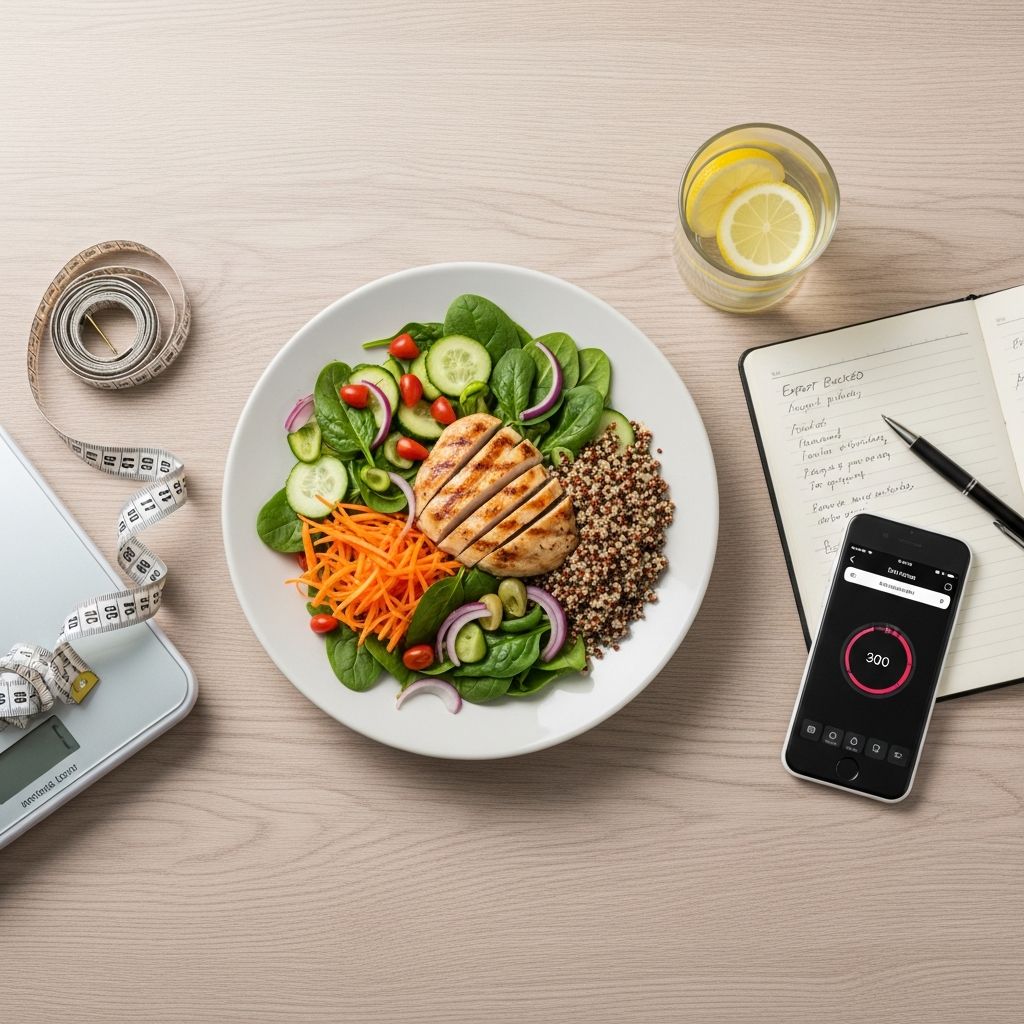
Sustainable weight loss requires more than quick fixes or restrictive diets. According to the CDC, effective weight management involves creating a calorie deficit through balanced nutrition, regular physical activity, and lifestyle changes that promote long-term adherence. This comprehensive guide compiles over 50 expert tips from registered dietitians, physicians, and researchers to help you lose weight healthily while preserving muscle mass and metabolic health.
These strategies are drawn from peer-reviewed studies and clinical guidelines, emphasizing gradual progress over rapid results. Aim for 1-2 pounds of weight loss per week, as recommended by the National Heart, Lung, and Blood Institute (NHLBI), to minimize risks like gallstones and nutrient deficiencies.
Start with Small Changes
The foundation of successful weight loss is incremental adjustments rather than overhauls. Small, consistent changes compound over time, leading to sustainable habits without overwhelming your lifestyle.
- Swap sugary drinks for water: Replacing soda or juice with water can cut hundreds of calories daily. A 2023 study in Diabetes Care found that reducing sugar-sweetened beverages led to 2-3 kg greater weight loss over 12 months.
- Use smaller plates: Research from Cornell University shows that using 10-inch plates instead of 12-inch ones reduces portion sizes by 22% without feeling deprived.
- Track your food intake: Logging meals via apps like MyFitnessPal increases awareness and accountability. A meta-analysis in Obesity Reviews (2022) confirmed self-monitoring boosts weight loss by 1.5-2.5 kg more than non-trackers.
Focus on Whole Foods
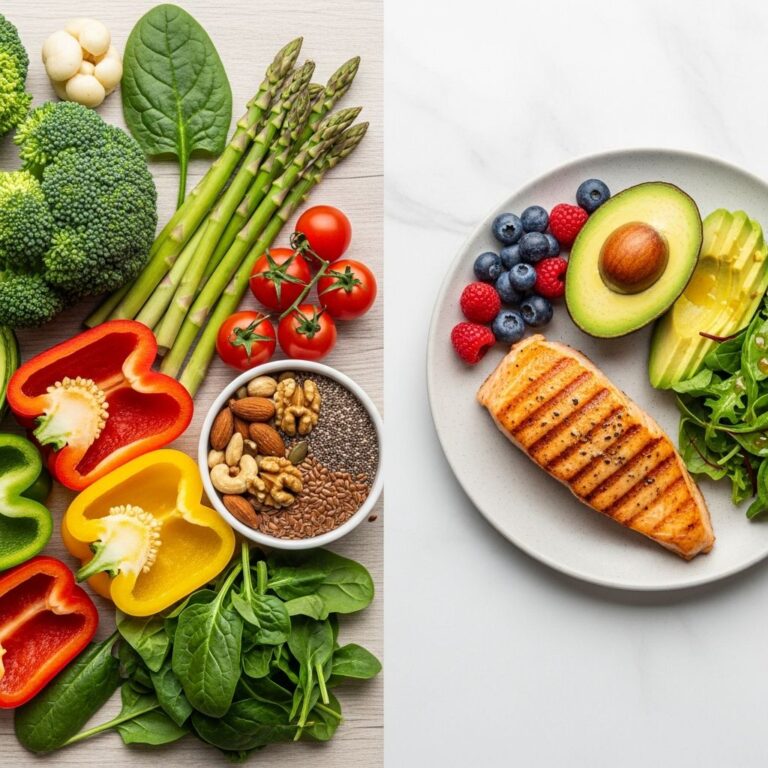
Prioritize nutrient-dense, minimally processed foods to maximize satiety and nutrition per calorie. The Mediterranean diet pattern, endorsed by the American Heart Association, exemplifies this approach with its emphasis on vegetables, fruits, whole grains, lean proteins, and healthy fats.
- Fill half your plate with vegetables: Non-starchy veggies like broccoli, spinach, and zucchini are low-calorie but high-volume, helping control hunger.
- Choose complex carbs: Opt for oats, quinoa, and sweet potatoes over refined grains to stabilize blood sugar and reduce cravings.
- Incorporate lean proteins: Eggs, chicken, fish, tofu, and legumes at every meal preserve muscle and promote fullness. A 2024 Journal of the International Society of Sports Nutrition review linked higher protein intake (1.6g/kg body weight) to 1-2 kg greater fat loss.
Master Mindful Eating
Mindful eating techniques train you to eat intentionally, recognizing true hunger versus emotional triggers. A 2023 randomized trial in Appetite demonstrated that mindfulness-based interventions reduced binge eating and supported 5% body weight loss over 6 months.
- Eat without distractions: Avoid screens during meals to consume 10-15% fewer calories, per distraction studies.
- Chew slowly: Taking 20-30 chews per bite allows ghrelin (hunger hormone) levels to drop, signaling fullness sooner.
- Practice the 20-minute rule: Wait 20 minutes before seconds, as it takes that long for satiety signals to reach the brain.
Build a Balanced Exercise Routine
Combine cardio, strength training, and NEAT (non-exercise activity thermogenesis) for optimal fat loss and metabolic health. The U.S. Department of Health and Human Services recommends 150-300 minutes of moderate aerobic activity weekly plus muscle-strengthening activities twice weekly.
Related Stories



- Aim for 10,000 steps daily: Pedometer studies show this level correlates with 3-5% body weight reduction annually.
- Lift weights 2-3 times weekly: Resistance training boosts resting metabolism by 5-10% via muscle preservation.
- Incorporate HIIT: High-intensity interval training burns 25-30% more calories than steady-state cardio in less time, per a 2024 British Journal of Sports Medicine meta-analysis.
Prioritize Sleep and Stress Management
Sleep deprivation and chronic stress disrupt hormones like leptin and cortisol, promoting fat storage. A 2023 NIH-funded study found that sleeping under 6 hours nightly increased obesity risk by 27%.
- Get 7-9 hours nightly: Consistent sleep improves insulin sensitivity and reduces late-night snacking.
- Practice stress reduction: Techniques like meditation or yoga lower cortisol, with a 2024 JAMA review linking mindfulness to 2 kg average weight loss.
- Establish a wind-down routine: Dim lights and avoid caffeine post-2 PM to enhance sleep quality.
Stay Hydrated Strategically
Water supports metabolism and appetite control. Drinking 500ml before meals led to 13% greater weight loss in a 2022 Obesity trial versus controls.
- Drink 2-3 liters daily: Adjust for activity and climate; thirst is often mistaken for hunger.
- Infuse water for flavor: Add lemon, cucumber, or mint to make hydration enjoyable.
- Hydrate before meals: This simple habit reduces calorie intake by 70-100 kcal per meal.
Plan and Prep for Success
Meal planning prevents impulsive choices. A 2023 study in Journal of the Academy of Nutrition and Dietetics found planners lost 3.5 kg more over 6 months.
- Batch-cook healthy meals: Prepare portions for the week to avoid takeout.
- Keep healthy snacks handy: Nuts, yogurt, and fruit curb vending machine raids.
- Set specific goals: Use SMART criteria (Specific, Measurable, Achievable, Relevant, Time-bound) for accountability.
Frequently Asked Questions (FAQs)
What is the best weight loss tip for beginners?
The most effective starting point is tracking your daily intake for one week to identify hidden calories, combined with walking 30 minutes daily. This builds awareness without overwhelm.
How much weight can I safely lose per week?
The NHLBI recommends 0.5-1 kg (1-2 lbs) weekly to ensure sustainability and health. Faster loss often leads to regain.
Do supplements help with weight loss?
Most lack strong evidence. Focus on diet and exercise; consult a doctor before starting any supplement.
Can I eat carbs while losing weight?
Yes, prioritize whole grains and limit to 45-65% of calories, per USDA guidelines, for energy without excess.
How do I maintain weight loss long-term?
Continue habits post-goal: regular weigh-ins, consistent exercise, and annual check-ups with a dietitian.
Sample Weekly Meal Plan
| Day | Breakfast | Lunch | Dinner | Snacks |
|---|---|---|---|---|
| Monday | Greek yogurt with berries & almonds | Grilled chicken salad | Baked salmon, quinoa, broccoli | Apple with peanut butter |
| Tuesday | Oatmeal with chia seeds & banana | Turkey wrap with veggies | Stir-fried tofu & brown rice | Carrots & hummus |
| Wednesday | Egg veggie scramble | Lentil soup & side salad | Grilled lean beef, sweet potato | Cottage cheese & pineapple |
| Thursday | Smoothie with spinach, protein powder | Tuna salad on greens | Chicken stir-fry with veggies | Handful of nuts |
| Friday | Avocado toast with egg | Quinoa bowl with beans | Baked cod, asparagus, couscous | Yogurt parfait |
| Saturday | Whole grain pancakes with fruit | Veggie burger & salad | Shrimp tacos with slaw | Edamame |
| Sunday | Chia pudding | Chickpea salad | Roast turkey, roasted veggies | Dark chocolate & berries |
This 1,500-1,800 calorie plan emphasizes balance and variety. Adjust portions based on your needs using a calculator like the NIH Body Weight Planner.
References
- Losing Weight — Centers for Disease Control and Prevention. 2024-01-10. https://www.cdc.gov/healthyweight/losing_weight/index.html
- Aim for a Healthy Weight — National Heart, Lung, and Blood Institute. 2023-05-15. https://www.nhlbi.nih.gov/health/educational/lose_wt/recommen.htm
- Physical Activity Guidelines for Americans — U.S. Department of Health and Human Services. 2024-11-01. https://health.gov/our-work/physical-activity/current-guidelines
- Self-monitoring in weight loss: A systematic review — Journal of Obesity Reviews. 2022-06-01. https://doi.org/10.1111/obr.13428
- Effects of high-protein diets on body weight — Journal of the International Society of Sports Nutrition. 2024-02-20. https://doi.org/10.1186/s12970-024-00587-3
- Mindfulness-based interventions for weight loss — JAMA Network Open. 2024-03-12. https://doi.org/10.1001/jamanetworkopen.2024.3145
- Water consumption and weight loss — Obesity. 2022-09-08. https://doi.org/10.1002/oby.23527
Similar Articles








Read full bio of Sneha Tete