Best Whole Grain For Weight Loss: 5 Top Choices
Discover the top whole grain for weight loss and learn how to incorporate whole grains into your diet for sustainable results.
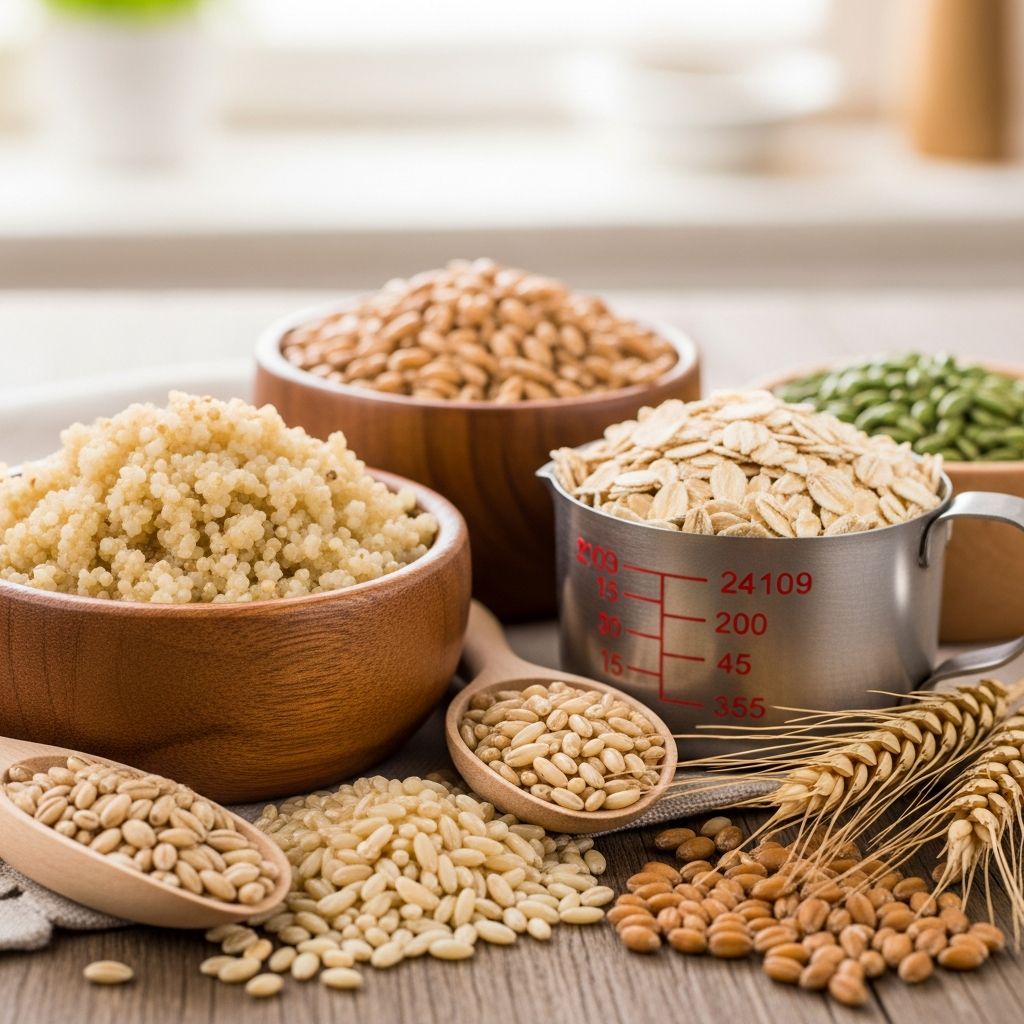
Whole grains are nutrient-dense powerhouses that can significantly aid weight loss efforts by promoting satiety, stabilizing blood sugar, and supporting overall metabolic health. Among them,
oats
emerge as the top choice due to their exceptional beta-glucan fiber content, which enhances fullness and reduces calorie intake.What Makes Whole Grains Great for Weight Loss?
Whole grains retain their bran, germ, and endosperm, unlike refined grains, providing higher levels of
dietary fiber
, vitamins, minerals, and antioxidants. This composition leads to several weight loss benefits:- Increased Satiety: Fiber slows digestion, prolonging feelings of fullness and reducing overall calorie consumption.
- Better Blood Sugar Control: Low glycemic index prevents insulin spikes, curbing hunger and fat storage.
- Enhanced Nutrient Profile: Rich in B vitamins, magnesium, and polyphenols that boost energy expenditure and inhibit fat accumulation.
- Gut Health Support: Fibers promote healthy digestion and may influence microbiota-independent weight regulation pathways.
Research shows that replacing refined grains with whole grains can lead to modest but significant weight loss. A study found participants on a whole grain-rich diet experienced reduced body weight independent of gut microbiota changes, attributing benefits to fiber’s role in lowering energy density and absorption. Harvard’s Nutrition Source reports that consuming at least 70g of whole grains daily lowers mortality risks and supports diabetes prevention, indirectly aiding weight management. Mayo Clinic emphasizes fiber’s role in cholesterol control and fullness, key for sustained weight loss.
The Best Whole Grain for Weight Loss: Oats
**Oats** top the list for weight loss thanks to their high soluble fiber content, particularly
beta-glucan
, which forms a gel-like substance in the gut, delaying gastric emptying and enhancing satiety. Studies indicate oat consumption leads to greater weight reduction compared to refined grains, with one trial showing a 1kg loss in rye-oat groups versus weight gain in refined groups.Oats are versatile: enjoy them as oatmeal, overnight oats, or in baked goods. A ½ cup serving provides 4g fiber and only 150 calories, making portion control easy.
Other Top Whole Grains for Weight Loss
While oats lead, these grains offer complementary benefits:
- Quinoa: A complete protein (8g per cup cooked) with 5g fiber, ideal for muscle preservation during calorie deficits. Gluten-free and versatile for salads or bowls.
- Barley: High in beta-glucan like oats, it improves digestion and satiety. Pearl barley in soups yields ~6g fiber per cup.
- Brown Rice: More fiber (3.5g per cup) than white rice, sustains energy without spikes. Swap in stir-fries or as a side.
- Buckwheat: Protein-rich (6g per cup), gluten-free, and hearty for pancakes or porridge.
| Whole Grain | Fiber per ½ Cup Cooked (g) | Calories | Key Benefit |
|---|---|---|---|
| Oats | 4 | 150 | High beta-glucan for satiety |
| Quinoa | 5 | 111 | Complete protein |
| Barley | 6 | 193 | Lowers cholesterol |
| Brown Rice | 1.8 | 108 | Sustained energy |
| Buckwheat | 4.5 | 92 | Gluten-free protein |
Related Stories



Data synthesized from nutritional databases and studies. Aim for variety to maximize nutrient intake.
How Whole Grains Support Weight Loss: The Science
Mechanisms are multifaceted and largely microbiota-independent.
Dietary Fiber’s Role
Fibers lower energy density, stimulate satiety receptors, delay gastric emptying, and reduce nutrient absorption, leading to 200 fewer kcal/day in some trials. Viscous fibers like beta-glucan prolong transit time, boosting gut hormones that suppress appetite.
Polyphenols and Minerals
Whole grains’ polyphenols hamper adipocyte maturation, enhancing lipolysis and energy expenditure. Minerals like magnesium and zinc support lean mass growth and fat reduction.
Metabolic Impacts
Whole grains lower LDL cholesterol, triglycerides, and insulin, per meta-analyses of 786,000+ people. They improve insulin sensitivity, preventing blood sugar spikes that drive hunger. High-fiber diets reduce risks of heart disease, stroke, diabetes, and colorectal cancer, supporting long-term weight maintenance.
| Mediator | Mechanism |
|---|---|
| Dietary Fibers | Lower energy density, less intake; attenuate absorption; increase satiation/satiety |
| Polyphenols | Boost energy expenditure via adipocyte interference |
| Minerals (Mg, Zn) | Cofactors for lean mass, fat reduction |
| Brown Adipose Tissue | Non-shivering thermogenesis |
| Adiponectin | Promotes glucose/lipid oxidation |
Adapted from comprehensive review.
How to Incorporate Whole Grains into Your Diet
Start simple: make whole grains a quarter of your plate.
- Breakfast: Overnight oats with berries and nuts (400 cal, high satiety).
- Lunch: Quinoa salad with veggies, chickpeas, lemon dressing.
- Dinner: Barley-stuffed peppers or brown rice stir-fry.
- Snacks: Popped sorghum or whole-grain crackers with hummus.
Sample 1-Day Meal Plan (1,800 cal):
- Breakfast: ½ cup oats + almond milk + apple (350 cal).
- Lunch: Quinoa bowl w/ chicken, kale, avocado (500 cal).
- Dinner: Baked salmon w/ barley pilaf, broccoli (600 cal).
- Snacks: Yogurt w/ chia, handful almonds (350 cal).
Transition gradually: mix brown and white rice initially. Check labels for ‘100% whole grain’ as first ingredient.
Common Mistakes to Avoid
- Over-relying on processed ‘whole grain’ products high in sugar.
- Ignoring portions—grains are calorie-dense.
- Not drinking water; fiber needs hydration for efficacy.
- Skipping variety, missing nutrient spectrum.
Who Should Be Cautious with Whole Grains?
Those with celiac (choose gluten-free like quinoa), IBS (start low-FODMAP), or on low-carb/keto diets may need moderation. Consult a doctor for personalized advice.
Frequently Asked Questions (FAQs)
Q: Can whole grains help lose belly fat?
A: Yes, fiber reduces visceral fat via improved digestion and satiety.
Q: How much whole grain daily for weight loss?
A: Aim for 3-5 servings (about 70g), making a quarter of your plate.
Q: Are whole grains keto-friendly?
A: Generally no due to carbs, but low-carb options like quinoa in moderation may fit.
Q: Do all whole grains aid weight loss equally?
A: Oats and barley excel due to beta-glucan, but variety optimizes benefits.
Q: How soon do you see weight loss results?
A: Studies show 1-2kg in 6-12 weeks with consistent intake.
References
- Weight loss induced by whole grain-rich diet is through a gut microbiota independent mechanism — PMC/NIH. 2020-02-27. https://pmc.ncbi.nlm.nih.gov/articles/PMC6969707/
- Best Whole Grains for Weight Loss: A Comprehensive Guide — Sanokc. 2023-10-15. https://sanokc.com/best-whole-grains-for-weight-loss-a-comprehensive-guide/
- Whole Grains – The Nutrition Source — Harvard T.H. Chan School of Public Health. 2024-01-10. https://nutritionsource.hsph.harvard.edu/what-should-you-eat/whole-grains/
- Whole grains: Hearty options for a healthy diet — Mayo Clinic. 2023-11-05. https://www.mayoclinic.org/healthy-lifestyle/nutrition-and-healthy-eating/in-depth/whole-grains/art-20047826
- Eating Well For Weight Loss: A Healthy Food Guide — Prima CARE. 2024-05-20. https://www.prima-care.com/blog/eating-well-for-weight-loss-a-healthy-food-guide
Similar Articles








Read full bio of medha deb