Best Whole Grain to Decrease Inflammation
Discover the top whole grain proven to reduce inflammation and boost health with expert-backed science and tips.
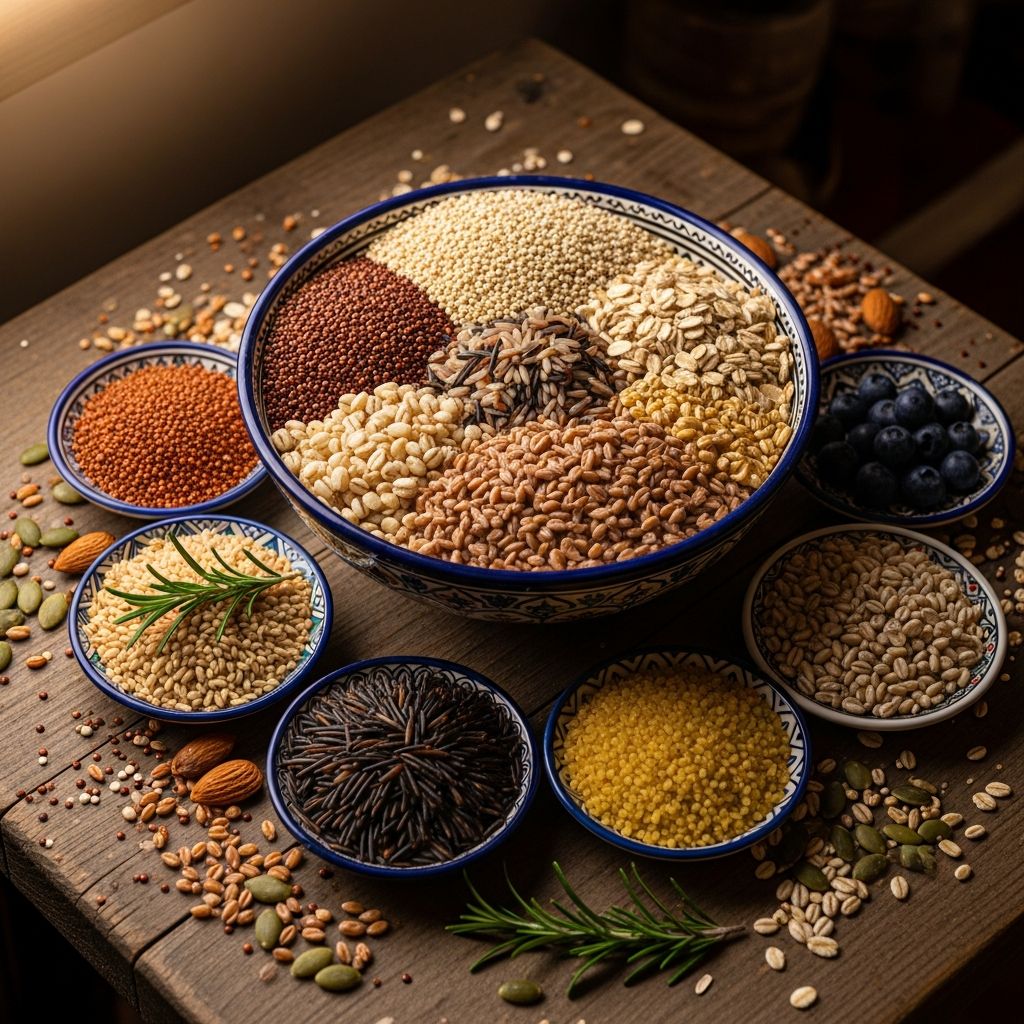
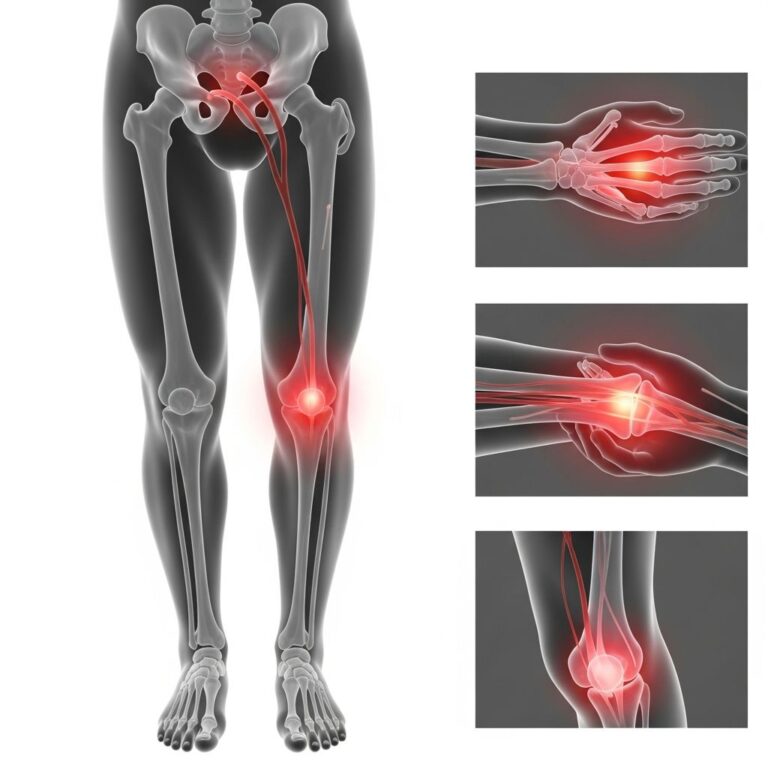
Whole grains are powerhouse foods rich in fiber, antioxidants, and nutrients that combat chronic inflammation, a root cause of diseases like arthritis, heart disease, and diabetes. Among them,
oats
emerge as the top choice for reducing inflammation markers such as C-reactive protein (CRP) and interleukin-6 (IL-6), backed by randomized trials and meta-analyses.What Makes Oats the Best Anti-Inflammatory Whole Grain?
Oats contain
beta-glucan
, a soluble fiber unique to oats and barley that forms a gel-like substance in the gut, slowing digestion and binding to inflammatory compounds. This leads to significant drops in CRP (up to 38% in some studies) and other markers like TNF-α and IL-1β. Unlike refined grains, which can spike blood sugar and worsen inflammation, oats stabilize glucose levels and support gut microbiota that produce anti-inflammatory short-chain fatty acids.A meta-analysis of 9 randomized controlled trials involving 838 participants found whole grain intake, particularly oats, inversely associated with inflammation (SMD -0.16, 95% CI -0.30 to -0.02), with strongest effects on CRP (SMD -0.29). Overweight individuals and those consuming over 100g daily saw even greater benefits. Emerging research highlights oats’ phytochemicals—phenolics, tocols, and phytosterols—that directly inhibit inflammatory pathways beyond fiber alone.
How Whole Grains Fight Inflammation: The Science
Chronic low-grade inflammation drives many modern diseases. Refined grains exacerbate it by promoting rapid sugar spikes and gut permeability, but whole grains like oats counteract this through multiple mechanisms:
- Fiber Fermentation: Beta-glucan feeds beneficial gut bacteria, producing butyrate and other metabolites that dampen pro-inflammatory cytokines like IL-6 and TNF-α.
- Antioxidant Power: Oats are loaded with avenanthramides, unique polyphenols that reduce oxidative stress and NF-κB signaling, a key inflammation trigger.
- Blood Sugar Control: Low glycemic index prevents insulin resistance, linked to higher CRP levels.
- Microbiota Modulation: Studies show oats increase anti-inflammatory bacteria while decreasing pathogens, as seen in high-fat diet mouse models where oat bran cut IL-1β.
Observational data from the Iowa Women’s Health Study links higher whole grain intake to lower inflammatory disease mortality. For arthritis sufferers, swapping refined grains for oats eases joint pain by curbing systemic inflammation.
Health Benefits of Oats Beyond Inflammation
Oats’ anti-inflammatory effects ripple into broader health gains:
- Heart Health: Lowers LDL cholesterol by 5-10% via beta-glucan, reducing atherosclerosis risk tied to inflammation.
- Weight Management: Promotes satiety; 38% CRP drop in obese participants after 12 weeks of oats.
- Gut Health: Improves microbiome diversity, aiding conditions like ulcerative colitis with low-molecular-weight beta-glucan.
- Diabetes Prevention: Stabilizes blood sugar, cutting type 2 diabetes risk by up to 30% with regular intake.
In finger millet studies (similar beta-glucan profile), oats reduced adipose inflammation in high-fat diets. Long-term, oats may lower chronic disease risk without side effects, unlike drugs.
Comparing Whole Grains: Oats vs. Others
Related Stories



While barley, quinoa, brown rice, and whole wheat offer benefits, oats excel in inflammation reduction. Here’s a comparison:
| Grain | Key Anti-Inflammatory Compound | CRP Reduction Evidence | Glycemic Index | Best For |
|---|---|---|---|---|
| Oats | Beta-glucan, Avenanthramides | High (SMD -0.29) | Low (55) | Systemic inflammation, heart health |
| Barley | Beta-glucan | Moderate | Low (28) | Gut health |
| Quinoa | Protein, Saponins | Low | Medium (53) | Protein boost |
| Brown Rice | Fiber, Phenolics | Low-moderate | Medium (50) | Daily staple |
| Whole Wheat | Fiber | Moderate (IL-6 focus) | Medium (71) | Versatile baking |
Oats top the list due to robust RCT data and unique compounds.
How to Add More Oats to Your Diet
Aim for 3 servings (about 100g dry) daily for optimal effects. Start simple:
- Breakfast: Overnight oats with berries and nuts—beta-glucan shines soaked.
- Lunch: Savory oat bowls with veggies, lean protein, and olive oil.
- Snacks: Oat-based energy balls or popcorn alternative.
- Baking: Swap flour in muffins, pancakes; use steel-cut for chewiness.
Sample Recipe: Anti-Inflammatory Oat Porridge
- ½ cup rolled oats, 1 cup almond milk, 1 tsp cinnamon, handful blueberries, 1 tbsp chia seeds.
- Simmer 5-7 mins; top with nuts. (400 calories, high fiber.)
Choose minimally processed steel-cut or rolled oats; avoid instant flavored packets with added sugars.
Potential Downsides and Tips
Oats are safe for most, but those with celiac disease note certified gluten-free options due to cross-contamination. High fiber may cause initial bloating—introduce gradually with plenty of water. Pregnant individuals or kids benefit too, per general guidelines. Combine with anti-inflammatory foods like turmeric, fatty fish, and greens for synergy.
Frequently Asked Questions (FAQs)
What is the best whole grain to decrease inflammation?
Oats, thanks to beta-glucan reducing CRP by up to 38% in studies.
How much oats should I eat daily for anti-inflammatory benefits?
At least 100g (dry weight, ~3 servings) showed significant marker reductions in meta-analyses.
Do all whole grains reduce inflammation equally?
No—oats lead due to unique beta-glucan; others like barley help but with less evidence.
Can oats help with arthritis pain?
Yes, by lowering systemic inflammation; arthritis.org recommends whole grains over refined.
Are instant oats as good as steel-cut?
Similar benefits if unsweetened, but steel-cut retains more nutrients and lower GI.
Expert Tips for Success
Nutritionists recommend tracking intake via apps, pairing oats with probiotics for microbiome boost, and monitoring CRP via blood tests for progress. Public health bodies endorse whole grains for inflammation control.
References
- Whole grain diet reduces systemic inflammation: A meta-analysis of randomized controlled trials — PMC/NCBI. 2018-10-26. https://pmc.ncbi.nlm.nih.gov/articles/PMC6221555/
- Emerging science on whole grain intake and inflammation — Oxford Academic/Nutrition Reviews. 2020. https://academic.oup.com/nutritionreviews/article/78/Supplement_1/21/5877747
- Best Grains for Arthritis — Arthritis Foundation. 2023. https://www.arthritis.org/health-wellness/healthy-living/nutrition/healthy-eating/best-grains-for-arthritis
- My Gut Tells Me Whole Grains are Healthy — Whole Grains Council. 2014-08. https://wholegrainscouncil.org/blog/2014/08/my-gut-tells-me-whole-grains-are-healthy
- Whole Grains – The Nutrition Source — Harvard T.H. Chan School of Public Health. 2023. https://nutritionsource.hsph.harvard.edu/what-should-you-eat/whole-grains/
Similar Articles








Read full bio of Sneha Tete