Best Workout Order for Fat Loss and Muscle Gain
Discover the optimal workout sequence to maximize fat burning while building lean muscle mass effectively.

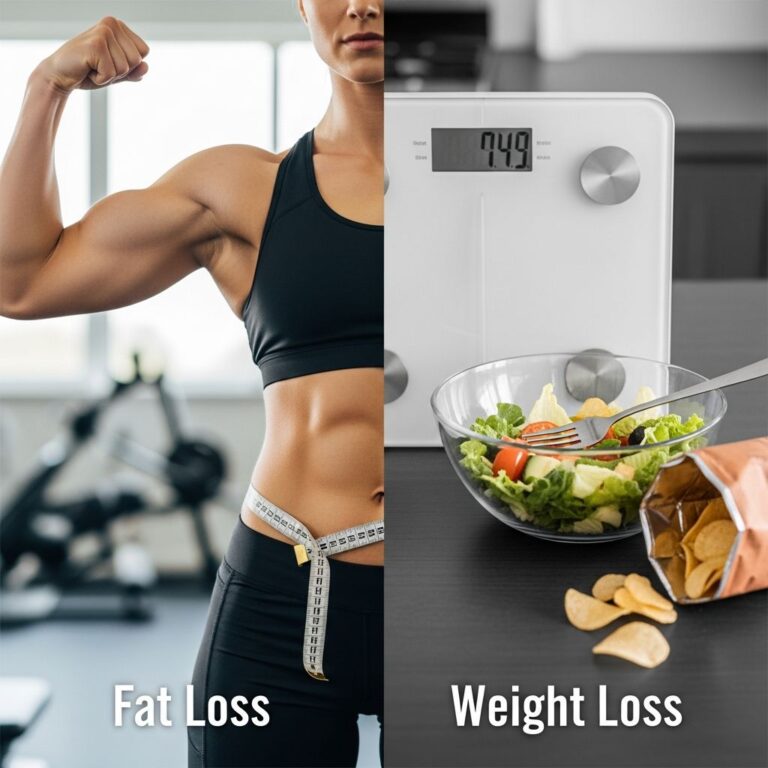
Achieving fat loss and muscle gain simultaneously, known as body recomposition, requires strategic workout ordering to prioritize muscle-building before fat-burning activities. This approach ensures strength training takes precedence to stimulate muscle protein synthesis while leveraging metabolic benefits for fat reduction.
Why Workout Order Matters for Body Recomposition
Body recomposition involves losing fat while gaining muscle, which boosts resting metabolic rate since muscle burns more calories than fat. Prioritizing resistance training first maximizes hypertrophy and strength gains, as fresh energy stores support heavy lifts. Following with cardio or metabolic conditioning then taps into elevated post-strength metabolism for enhanced fat oxidation without compromising muscle recovery.
Experts emphasize that strength training builds muscle mass, increasing daily calorie burn. Aerobic exercise complements this by improving cardiovascular health and aiding calorie deficit creation, but performing it second prevents fatigue interference with lifts.
The Optimal Workout Order
- Strength Training First (40-60 minutes): Compound lifts like squats, deadlifts, bench presses to target multiple muscle groups for maximum hormone release (testosterone, growth hormone).
- Short Rest (60-90 seconds): Keeps heart rate elevated for metabolic stress.
- HIIT or Metabolic Conditioning Second (15-20 minutes): High-intensity intervals post-weights for fat burn without endurance adaptation diluting strength.
- Steady-State Cardio Last (Optional, 20-30 minutes): Low-intensity for active recovery and additional calorie expenditure.
This sequence, recommended 3-4 days weekly, aligns with NASM guidelines for recomposition, allowing progressive overload in lifts while accumulating cardio volume.
Benefits of This Workout Structure
- Improved cardiovascular health and blood pressure control.
- Enhanced mood and reduced risk of musculoskeletal issues.
- Higher resting metabolism from muscle gains, aiding sustained fat loss.
- Better recovery through prioritized neural drive for strength.
Sample Weekly Workout Split
| Day | Focus | Duration |
|---|---|---|
| Monday | Lower Body Strength + HIIT | 50 min |
| Tuesday | Upper Body Strength + Metabolic | 50 min |
| Wednesday | Rest or Active Recovery | 30 min walk |
| Thursday | Full Body Strength + Intervals | 50 min |
| Friday | Push/Pull Strength + Steady Cardio | 50 min |
| Weekend | Rest or Light Activity | – |
Detailed Lower Body Workout
- Barbell Squats: 4 sets of 8-12 reps.
- Dumbbell Lunges: 3 sets of 10-12 reps per leg.
- Leg Press: 3 sets of 10-15 reps.
- Romanian Deadlifts: 3 sets of 8-10 reps.
- HIIT Finisher: 8 rounds of 20s sprint/10s rest (Tabata style).
Upper Body Strength Routine
- Bench Press: 4 sets of 6-10 reps.
- Pull-Ups or Lat Pulldowns: 4 sets of 8-12 reps.
- Overhead Press: 3 sets of 8-10 reps.
- Rows: 3 sets of 10-12 reps.
- Tricep Dips + Bicep Curls: 3 sets of 12 reps each.
Nutrition Strategies for Recomposition
To support this workout order, consume 1.6-2.2g protein per kg bodyweight daily, aiming for 30%+ calories from protein in every meal. Implement a mild calorie deficit (250-500 below maintenance) with carb cycling: higher carbs on training days for performance, lower on rest days for fat loss.
- Protein sources: Chicken, eggs, whey, fish.
- Carbs: Oats, sweet potatoes, rice (timed post-workout).
- Fats: Avocados, nuts (20-30% calories).
Avoid extreme deficits to preserve muscle; track progress via waist measurements and strength logs rather than scale weight.
Common Mistakes to Avoid
- Doing cardio first: Depletes glycogen, reducing lift quality.
- Overtraining volume: Limit to 10-20 sets per muscle group weekly.
- Neglecting recovery: Include 7-9 hours sleep, deload every 4-6 weeks.
- Poor progression: Increase weights 5-10% when reps hit upper range.
Advanced Tips for Plateaus
Incorporate periodization: Alternate heavy/low-rep weeks with moderate/high-rep for hypertrophy. Add NEAT (non-exercise activity) like 10k steps daily. Monitor hormones via bloodwork if stalled; women may benefit from cycle-syncing training intensity.
Related Stories



Frequently Asked Questions (FAQs)
What if I’m a beginner?
Start with bodyweight or lighter weights, 2-3 sessions weekly, focusing on form. Progress to the full split over 4 weeks.
Can women follow this?
Yes, adjust loads for relative strength; recomposition works across genders with proper nutrition.
How long until results?
Visible changes in 4-8 weeks with consistency; measure progress monthly.
Do I need supplements?
Protein powder and creatine (5g/day) aid adherence and gains; food first.
Cardio essential?
Not if in deficit, but 1-2 HIIT sessions enhance fat loss without muscle catabolism.
This structured approach, grounded in exercise science, optimizes energy systems for dual goals. Consistency in workout order, nutrition, and recovery yields sustainable recomposition.
References
- Physical Activity Guidelines for Americans — U.S. Department of Health and Human Services. 2018-10-07. https://health.gov/our-work/physical-activity/current-guidelines
- Resistance Training for Health — American College of Sports Medicine. 2022-01-15. https://www.acsm.org/docs/default-source/files-for-resource-library/resistance-training.pdf
- International Society of Sports Nutrition Position Stand: Diets and Body Composition — JISSN. 2018-02-13. https://doi.org/10.1186/s12970-018-0215-1
- Effects of Exercise Order on Muscle Performance — Journal of Strength and Conditioning Research. 2021-05-20. https://doi.org/10.1519/JSC.0000000000003990
- Body Recomposition: Can Trained Individuals Build Muscle and Lose Fat? — Strength and Conditioning Journal. 2023-03-10. https://doi.org/10.1519/SSC.0000000000000729
Similar Articles








Read full bio of medha deb