Best and Worst Bedroom Paint Colors for Sleep
Discover which bedroom colors promote better sleep and which ones sabotage your rest.
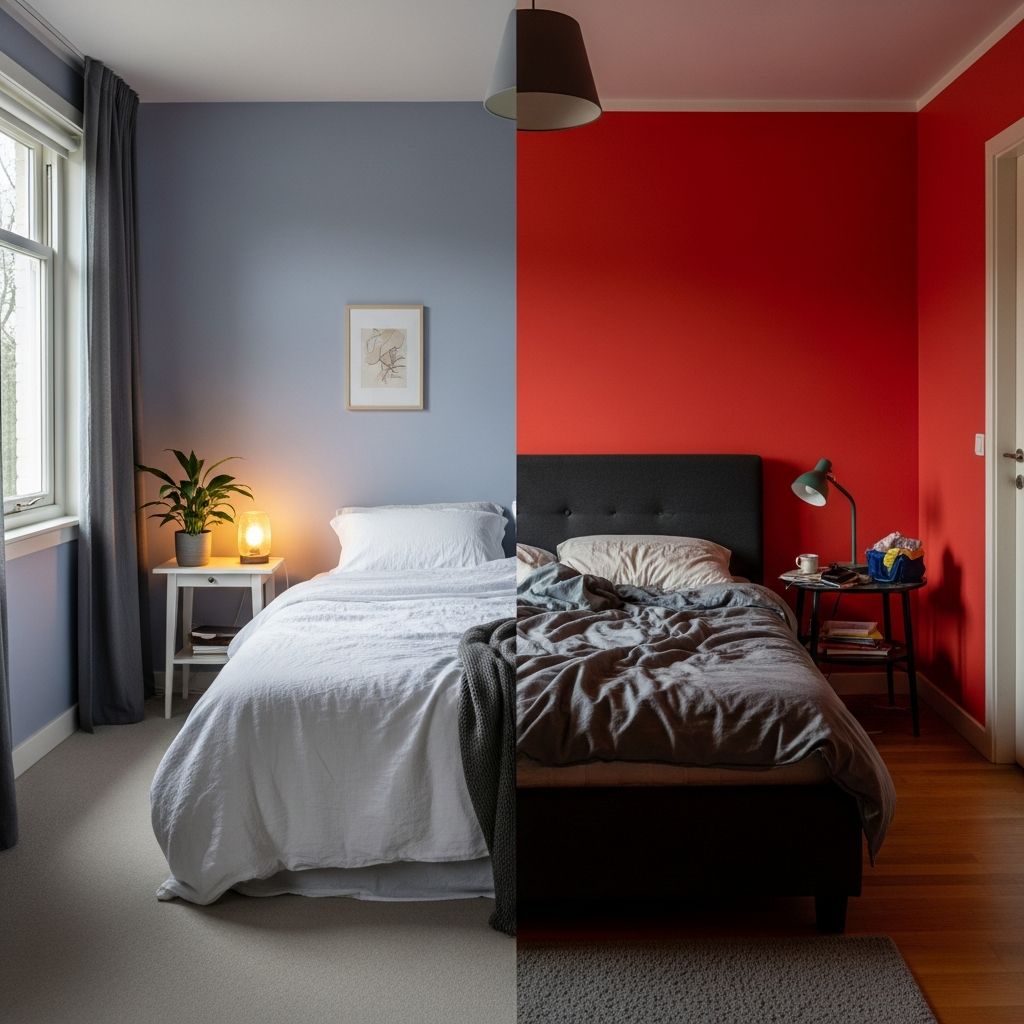
When it comes to creating the perfect sleep environment, most people focus on mattress quality, pillows, and lighting. However, one of the most impactful yet often overlooked factors is your bedroom paint color. Research shows that the colors surrounding you during sleep can significantly influence your rest quality, mood, and overall well-being. A recent survey of 2,674 Americans found that 38% reported better sleep after changing their bedroom color, demonstrating the powerful connection between bedroom aesthetics and sleep quality. Understanding which colors promote relaxation and which ones hinder sleep can be the key to transforming your bedroom into a true sanctuary for rest.
How Color Affects Sleep Quality
The relationship between color and sleep is rooted in color psychology and neuroscience. Research suggests that colors have a neurological effect on humans, triggering different emotional and physiological responses that directly impact sleep quality. When you enter your bedroom, your brain registers the colors around you and responds accordingly, either promoting relaxation or triggering alertness.
A 2018 study from the University of Sussex found that exposure to certain colors can reduce stress levels and promote relaxation. Additionally, the Journal of Environmental Psychology highlights how bedroom color choices can directly impact sleep quality and mood regulation. The mechanism works through color’s influence on mood and emotional state. Sleep experts have long recognized that poor mood can negatively affect sleep quality, and feeling tense or anxious before bed may prevent sleep onset entirely.
The brightness and saturation of a color also play crucial roles. Soft, muted tones are less likely to overstimulate your senses, allowing your body to wind down naturally. Conversely, bright, high-contrast colors demand attention from your visual system, signaling to your brain that it’s time to stay alert rather than prepare for sleep.
The Science Behind Color and Sleep
Understanding the science helps explain why certain colors work better for sleep than others. The visible light spectrum ranges from shorter to longer wavelength light, and people tend to prefer cool-toned colors with shorter wavelengths, such as blue, for interior spaces where relaxation is desired.
One notable survey found that people with blue bedrooms had the longest average sleep per night compared to people with different colored bedrooms. This scientific backing demonstrates that color choice isn’t merely aesthetic—it’s a fundamental component of sleep hygiene and bedroom environment optimization.
Best Bedroom Colors for Sleep
Creating a sleep-promoting bedroom starts with selecting the right paint color. Here are the colors that research and sleep experts recommend for optimal rest:
Soft Blues
Blue is the gold standard when it comes to bedroom colors for sleep. Studies show that people with blue bedrooms tend to get the best sleep. Soft blue tones reduce stress, slow heart rate, and signal to your brain that it’s time to wind down. The calming effects of blue help lower blood pressure and heart rate—two key ingredients for a restful night’s sleep. Whether you choose a pale sky blue or a soothing aqua, these shades invite relaxation and create an environment where stress melts away. Soft blues work particularly well for insomniacs, overthinkers, and anyone who needs to switch off at night.
Soft Greens and Sage
Green is another excellent choice for bedroom walls. Like blue, green is associated with nature, calm, and renewal. Gentle green tones create a sense of balance and tranquility, making them ideal for a bedroom environment. Sage green, in particular, offers a sophisticated yet soothing aesthetic that promotes relaxation without feeling cold or clinical.
Warm Neutrals
Warm neutrals such as beige, taupe, and soft gray provide a calming backdrop that doesn’t demand attention, allowing your mind to relax instead of race. These shades create a welcoming atmosphere that feels safe and secure—exactly what you need when trying to drift off. Warm neutrals offer the comforting effect of wrapping yourself in a cozy blanket, making them an excellent choice for a restful bedroom space.
Lavender and Light Purple
Lavender and light purple tones are known for their relaxing properties, helping to ease anxiety and promote calmness. These hues create a gentle, soothing environment that encourages sleep and emotional relaxation. Light purple shades work well for those seeking a color with more personality than neutrals while maintaining relaxation benefits.
Warm Tones: Soft Peach, Golden Yellow, and Blush Pink
Studies suggest that warm tones like soft peach, golden yellow, and blush pink can stimulate feelings of positivity and comfort. When used in their softest, most muted versions, these colors can create a warm, inviting bedroom without overstimulating the senses. The key is choosing pale, gentle versions rather than bright or saturated tones.
The Worst Bedroom Paint Colors for Sleep
Just as certain colors promote sleep, others actively work against it. Being aware of colors to avoid is just as important as knowing which ones to embrace:
Bright Red
Red is one of the worst colors for a bedroom dedicated to sleep. Research has found that viewing the color red may promote aggression and increase blood pressure and pulse rate. Though red is associated with energy and passion, it’s overstimulating and not ideal for sleep-focused environments. People’s emotional and physical responses to red may be due to the association of red with threats, alarms, and blood. If you love red, consider using it only as a small accent wall or in very muted, burgundy tones rather than bright red.
Neon or Bright Yellow
Bright, neon yellow is highly stimulating and can cause sensory overload. Like other warm colors such as orange, bright yellow may not promote sleep as well as cooler colors such as blue or green. If you want some yellow in your bedroom, choose soft, golden yellows in muted tones rather than bright, vibrant shades.
Bold Orange
Bright orange falls into the same category as other warm, stimulating colors. Because orange is also stimulating, it may not promote sleep as well as cooler colors. Reserve orange for accent pieces or other rooms in your home rather than your bedroom walls.
High-Contrast Patterns and Black-and-White
High-contrast or bright hues, like stark black-and-white patterns, can cause sensory overload. They signal the brain to stay alert rather than unwind. Highly patterned or chaotic wallpapers can have a similar effect, creating low-level sensory disruption that the brain continues to process even during sleep. This can cause lighter sleep or increased wake after sleep onset (WASO), especially in individuals with anxiety or PTSD.
Dark Gray or Very Dark Shades
While neutral colors are generally good for sleep, very dark shades like dark gray can feel heavy and mood-dampening rather than calming. Additionally, darker shades of any color can sometimes evoke negative feelings such as sadness, loneliness, and defeat, showing how a color’s brightness or darkness can change a person’s emotional response.
Color Psychology in the Bedroom: Why It Matters
Scientific research shows that color psychology is not just an aesthetic preference but an important factor in mental and emotional well-being. Color directly influences our emotional states, which in turn affects our ability to sleep. When you’re stressed, anxious, or mentally stimulated, your body is in a state of heightened alertness incompatible with sleep. By choosing bedroom colors that promote calm and relaxation, you’re actively working to shift your brain into sleep mode.
The psychological effects of color work through multiple pathways. Some colors naturally trigger associations with calmness (like blue and nature-inspired greens), while others trigger alertness or even danger responses (like red). Understanding these associations allows you to make intentional choices that support your sleep goals.
Practical Tips for Choosing Your Bedroom Color
- Consider saturation and brightness: Choose muted, soft versions of colors rather than bright, highly saturated versions. A soft blue is far better for sleep than a vibrant cobalt blue.
- Test before committing: Paint large swatches on your bedroom wall and observe how they make you feel at different times of day, especially in the evening when you’ll be sleeping.
- Account for lighting: The same color can look very different depending on your bedroom’s natural and artificial lighting. Test colors under your specific lighting conditions.
- Consider personal preference: While research provides guidelines, your personal emotional response to a color matters. If a color makes you feel calm and happy, it’s likely a good choice even if it’s not on the typical “best for sleep” list.
- Balance aesthetics with function: Your bedroom should feel like a sanctuary that you enjoy spending time in. The best color is one that both promotes sleep and makes you happy.
- Use accent walls strategically: If you love a stimulating color like red or orange, consider using it on just one accent wall or in small doses rather than covering all walls.
- Incorporate complementary elements: Combine your wall color with bedding, curtains, and decor that reinforce the calming mood you’re trying to create.
Beyond Paint: Coordinating Your Entire Bedroom Color Scheme
While wall color is important, your entire bedroom color scheme contributes to the sleep-promoting environment. Coordinate your paint color with bedding, curtains, flooring, and furniture. A soft blue wall paired with white bedding and light wood furniture creates a cohesive, calming space. Similarly, a warm neutral wall color works beautifully with soft gray bedding and natural wood elements.
Consider the 60-30-10 color rule: choose one dominant color (your wall color) for 60% of the room, a secondary color for 30%, and an accent color for just 10%. This creates visual balance while ensuring your dominant sleep-promoting color remains the primary influence in the space.
Timeline for Sleep Improvements
It’s important to have realistic expectations about timing. While a fresh coat of paint can certainly set the stage for better sleep, don’t expect instant results. The psychological effects of color can influence your mood and create a more relaxing atmosphere, but sleep improvements might take a bit of time as you adjust to your new surroundings. Think of it as planting seeds—over time, the calming effects of your color choice will grow and help you cultivate a better night’s sleep. Most people notice gradual improvements in sleep quality within one to three weeks of repainting their bedroom.
Frequently Asked Questions
Q: Can changing my bedroom color improve my sleep immediately?
A: While a fresh coat of paint can certainly set the stage for better sleep, don’t expect instant results. The psychological effects of color can influence your mood and create a more relaxing atmosphere, but sleep improvements might take a bit of time as you adjust to your new surroundings. Most people see gradual improvements within one to three weeks.
Q: What if I don’t like blue or green?
A: While blue and green are scientifically supported for sleep, warm neutrals like beige, taupe, and soft gray also work well. Soft lavender or muted versions of warm colors like pale peach or blush pink can also be effective. The key is choosing soft, muted tones rather than bright, saturated colors.
Q: Can I use multiple colors in my bedroom?
A: Yes, you can use multiple colors through accent walls, furniture, and decor. However, keep your dominant wall color (60% of the visual space) in a sleep-promoting shade, with secondary colors supporting rather than competing with it.
Q: Does lighting affect how bedroom colors impact sleep?
A: Absolutely. The same color appears different under natural light, warm incandescent bulbs, and cool LED lights. Test paint swatches under your actual bedroom lighting, especially in evening conditions when you’ll be sleeping.
Q: Should I avoid all warm colors in my bedroom?
A: Not necessarily. Soft, muted warm tones like gentle peach, golden yellow, or blush pink can work for sleep. Avoid bright, saturated, or neon versions of warm colors. The saturation and brightness matter more than whether a color is technically “warm” or “cool.”
Q: What’s the best way to test bedroom paint colors before committing?
A: Paint large swatches (at least 2×3 feet) directly on your bedroom walls and observe them at different times of day, especially in the evening. Live with the colors for several days before making your final decision. This accounts for how lighting and your personal emotional response affect color perception.
Q: Can bedroom color affect other family members differently?
A: Yes, while research shows general color-sleep connections, individual preferences and emotional associations vary. What calms one person might not calm another. Consider compromise colors like soft neutrals that most people find relaxing.
References
- Americans Link Better Sleep to Bedroom Color Change — BedroomZZ and Houszed.com Survey. 2024-12. https://sleepreviewmag.com/sleep-health/parameters/quality/can-paint-way-better-sleep/
- Color Psychology in the Bedroom: How to Get a Good Night’s Sleep — The Lad Collective. 2025. https://theladcollective.us/blogs/news/color-psychology-bedroom-guide
- This “Everyday” Bedroom Feature Can Have a MASSIVE Impact on Sleep — House Beautiful. 2025. https://www.housebeautiful.com/design-inspiration/a65782218/best-paint-color-for-bedroom-sleep/
- Best (and Worst) Bedroom Colors for A Good Night’s Sleep — EGO Home. 2025. https://egohome.com/blogs/sleep-tips/best-and-worst-colors-for-sleep
- What Color Helps You Sleep? — Sleep Foundation. 2025. https://www.sleepfoundation.org/bedroom-environment/what-color-helps-you-sleep
Similar Articles







Read full bio of medha deb