Best And Worst Carbs For Inflammation: Expert Guide
Discover which carbohydrates fuel inflammation and which ones help reduce it for better health and reduced chronic disease risk.
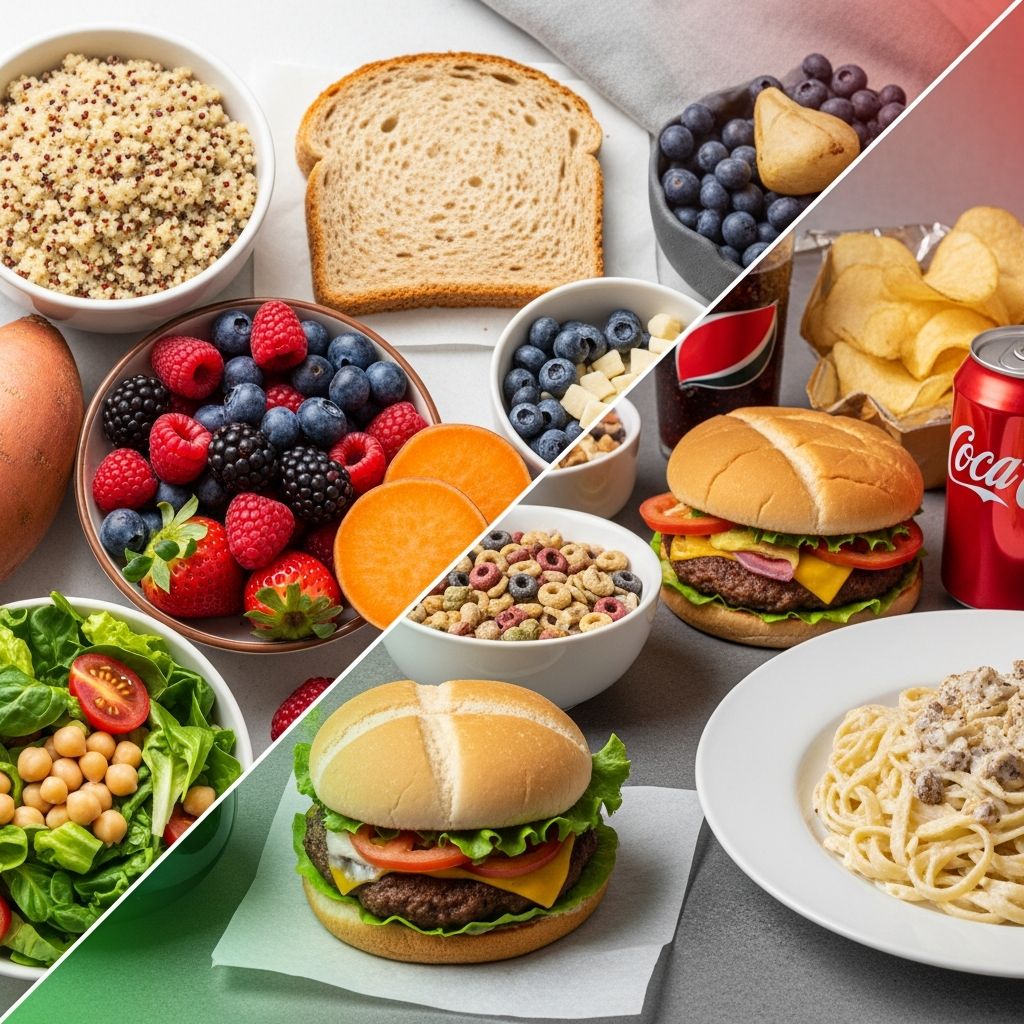
Carbohydrates often get a bad reputation in discussions about inflammation, but not all carbs are created equal. Refined carbohydrates like white bread and sugary cereals can promote chronic inflammation, contributing to conditions such as arthritis, heart disease, and obesity. In contrast, high-fiber, whole-food carbs from fruits, vegetables, and intact grains help combat inflammation by stabilizing blood sugar and providing antioxidants.
Chronic inflammation underlies many modern health issues, from joint pain to metabolic disorders. According to the Arthritis Foundation, foods high in refined carbs trigger the production of advanced glycation end (AGE) products, which stimulate inflammatory responses in the body. This article breaks down the worst carbs to limit, the best ones to embrace, and practical ways to incorporate them into your diet for optimal health.
What Are Anti-Inflammatory Carbs?
Anti-inflammatory carbohydrates are typically whole, unprocessed foods rich in fiber, vitamins, minerals, and phytonutrients. These carbs digest slowly, preventing rapid blood sugar spikes that provoke inflammatory cytokines—messenger proteins that amplify inflammation. The University of Chicago Medicine emphasizes that plant-based diets low in processed foods and red meat offer protection against chronic inflammation, highlighting the role of high-fiber carbs like fruits, vegetables, and whole grains.
Fiber in these carbs feeds beneficial gut bacteria, which in turn produce short-chain fatty acids that dampen inflammation. UC Davis Health recommends prioritizing high-fiber carbs such as brown rice, oats, quinoa, and starchy vegetables over low-fiber refined options. By choosing these, you support a balanced gut microbiome and reduce systemic inflammation.
Worst Carbs for Inflammation
Refined and processed carbohydrates are the primary culprits in promoting inflammation. These foods are stripped of fiber and nutrients during processing, leading to quick digestion and blood sugar surges that fuel pro-inflammatory pathways.
- White Flour Products: Breads, rolls, crackers, and pastries made from white flour have a high glycemic index, rapidly elevating blood sugar and triggering cytokine release.
- White Rice and Instant Potatoes: These refined starches, including french fries and instant mashed varieties, contribute to AGE production and obesity-linked inflammation.
- Sugary Cereals and Snacks: Many breakfast cereals are loaded with added sugars ending in “-ose” (e.g., fructose, sucrose), which the American Journal of Clinical Nutrition links to inflammatory messengers.
- Processed Baked Goods: Cookies, donuts, and cakes often contain trans fats alongside refined carbs, compounding inflammation as noted by Harvard researchers.
The standard American diet, rich in these ultra-processed carbs, alters gut bacteria and interacts with the immune system to sustain chronic inflammation, per UChicago Medicine experts. Limiting these is crucial; aim to avoid foods you couldn’t recreate simply at home, like packaged chips or sodas.
Best Carbs for Inflammation
The best carbohydrates are nutrient-dense and fiber-packed, helping to lower inflammation markers like C-reactive protein. Focus on whole grains, legumes, fruits, and vegetables for sustained energy and anti-inflammatory benefits.
- Whole Grains: Brown rice, quinoa, oats, barley, buckwheat, and farro provide soluble fiber that stabilizes blood sugar. UC Davis recommends these over white counterparts for inflammation reduction.
- Starchy Vegetables: Sweet potatoes, beets, winter squashes, corn, beans, and peas offer fiber and antioxidants like vitamin K and lutein.
- Fruits and Berries: While containing natural sugars, their fiber and polyphenols counteract inflammation. Opt for whole fruits over juices to maximize benefits.
- Legumes: Beans, lentils, and chickpeas are high in fiber and plant protein, supporting an anti-inflammatory gut environment.
Related Stories



Research shows that diets emphasizing these carbs, such as the Mediterranean pattern, significantly lower inflammation. Incorporating them daily can make a substantial difference in managing conditions like arthritis.
How Carbs Affect Inflammation
Carbohydrates influence inflammation primarily through their glycemic impact and processing level. High-glycemic refined carbs cause insulin spikes, promoting fat storage and adipose tissue inflammation—a key driver of arthritis and heart disease. Saturated fats often pair with these carbs in foods like pizza, exacerbating the issue.
Conversely, low-glycemic whole carbs promote steady energy release. Fiber binds to sugars, slowing absorption, while antioxidants neutralize free radicals that trigger inflammation. Omega-6 fatty acids in processed carb-laden fried foods tip the omega balance toward pro-inflammation, so pairing best carbs with olive oil or nuts enhances benefits.
| Carb Type | Inflammation Impact | Examples | Fiber Content (per serving) |
|---|---|---|---|
| Worst (Refined) | Promotes (High GI, low fiber) | White bread, sugary cereal | <2g |
| Best (Whole) | Reduces (Low GI, high fiber) | Oats, quinoa, sweet potatoes | 5-10g+ |
This table illustrates the stark contrast: switching to high-fiber options can transform your diet’s inflammatory profile.
Practical Tips to Choose Anti-Inflammatory Carbs
Transitioning to better carbs requires simple swaps and mindful shopping:
- Read labels: Avoid ingredients like partially hydrogenated oils, high-fructose corn syrup, or anything unpronounceable.
- Swap white for whole: Use whole wheat pasta, brown rice, and oat-based cereals.
- Cook at home: Prepare starchy veggies like roasted sweet potatoes instead of instant varieties.
- Balance plates: Fill half with non-starchy veggies, a quarter with whole grains, and a quarter with lean proteins.
- Increase variety: Mix grains like farro or buckwheat to benefit from diverse anti-inflammatory compounds.
Start small—replace one refined carb meal daily. Over time, this builds an anti-inflammatory lifestyle, reducing reliance on medications for inflammatory conditions.
Foods to Pair with Anti-Inflammatory Carbs
Enhance carb benefits by combining with inflammation-fighting foods:
- Healthy Fats: Extra virgin olive oil, avocados, and nuts like walnuts or pistachios provide omega-3s to counter omega-6s.
- Proteins: Fish, tofu, beans, and poultry over red or processed meats.
- Greens: Leafy vegetables packed with vitamin K, folate, and lutein amplify fiber’s effects.
Avoid charring meats or using excessive omega-6 oils like corn or soy oil during cooking.
Frequently Asked Questions (FAQs)
What are the worst carbs for inflammation?
Refined carbs like white bread, white rice, pastries, and sugary cereals top the list, as they spike blood sugar and promote cytokine release.
What are the best carbs to eat for reducing inflammation?
Opt for whole grains (oats, quinoa), starchy veggies (sweet potatoes, beans), and fruits for their high fiber and antioxidant content.
Can gluten-containing carbs cause inflammation?
In people with celiac disease or sensitivity, gluten triggers inflammation, but evidence is less clear for others without diagnosis.
How much fiber do I need from carbs daily?
Aim for 25-30g from whole sources to support gut health and lower inflammation markers.
Are potatoes inflammatory?
Whole potatoes are fine in moderation; avoid refined forms like french fries or instant mashed.
Sample Anti-Inflammatory Meal Plan
Incorporate best carbs into daily eating:
- Breakfast: Oatmeal with berries and nuts.
- Lunch: Quinoa salad with greens, chickpeas, and olive oil dressing.
- Dinner: Baked sweet potato with grilled fish and steamed broccoli.
- Snack: Apple slices with almond butter.
This plan emphasizes fiber-rich carbs, keeping inflammation in check while promoting satiety and health.
References
- 8 Food Ingredients That Can Cause Inflammation — Arthritis Foundation. 2023-01-15. https://www.arthritis.org/health-wellness/healthy-living/nutrition/foods-to-limit/8-food-ingredients-that-can-cause-inflammation
- What foods cause or reduce inflammation? — UChicago Medicine. 2020-09-01. https://www.uchicagomedicine.org/forefront/gastrointestinal-articles/2020/september/what-foods-cause-or-reduce-inflammation
- 9 healthy eating tips that can help reduce inflammation — UC Davis Health. 2023-11-01. https://health.ucdavis.edu/blog/good-food/9-healthy-eating-tips-that-can-help-reduce-inflammation/2023/11
- The Best Foods to Eat to Fight Inflammation | Dietitian Q&A — YouTube (UC Davis Health channel). 2023-05-10. https://www.youtube.com/watch?v=eaAlq78MbCs
Similar Articles








Read full bio of medha deb