Best and Worst Foods to Eat When You’re Sick
Expert-backed guide to foods that heal and those that hinder recovery from common illnesses.
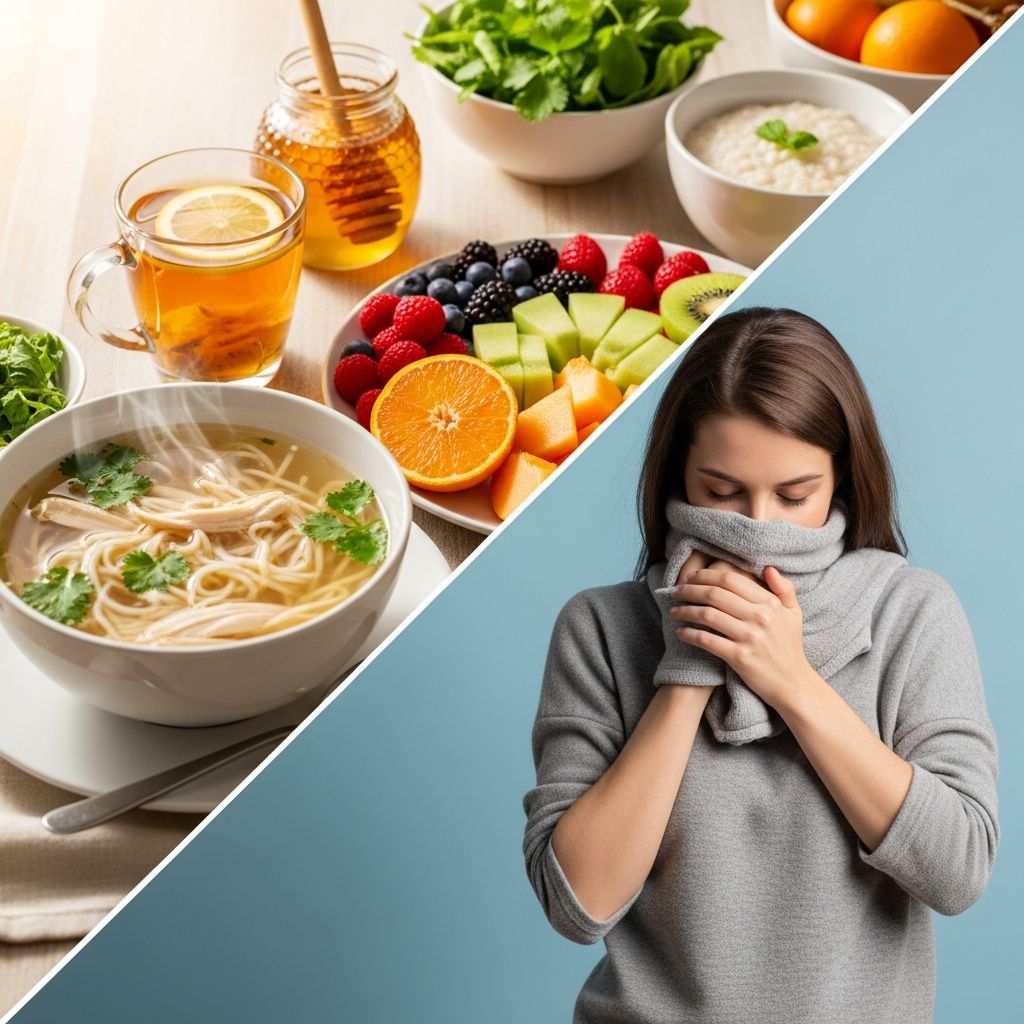
When you’re under the weather, food choices become critically important to your recovery. The foods you consume can either accelerate healing or prolonge discomfort, depending on your specific symptoms. While conventional wisdom often points to chicken soup and crackers, the reality is more nuanced. Different illnesses require different nutritional approaches, and understanding which foods help—and which to avoid—can make a significant difference in how quickly you bounce back to health.
The challenge many people face is determining what to eat when traditional comfort foods don’t appeal to them or might actually make their condition worse. Whether you’re dealing with digestive issues, respiratory symptoms, or systemic discomfort, tailoring your diet to your specific illness can provide meaningful relief and support your body’s natural healing processes.
Foods to Eat and Avoid When You Have Diarrhea
Diarrhea requires careful dietary management to restore digestive health and prevent dehydration. The BRAT diet remains a gold standard recommendation for this condition, offering easily digestible options that won’t further irritate your system.
Best Foods for Diarrhea
- Bananas – Provide potassium to replace electrolytes lost during diarrhea
- Rice – Bland and easy to digest, helps firm stool
- Applesauce – Gentle on the digestive tract and provides natural pectin
- Toast – Plain, unseasoned toast is easy for your system to process
- Oatmeal – Provides fiber without being too harsh
- Boiled potatoes – Starchy and easily digestible
- Saltine crackers – Help settle the stomach without adding irritation
- Baked chicken or turkey without skin – Lean protein that’s gentle on digestion
Worst Foods for Diarrhea
Certain foods can trigger or worsen diarrheal symptoms and should be strictly avoided during recovery:
- Sugarless candy and gum – Containing sorbitol or artificial sweeteners that aren’t digestible and trigger diarrhea
- Gas-producing vegetables – Onions, apples, broccoli, cabbage, and beans cause bloating and gas
- Dairy products – Can aggravate diarrhea due to lactose content
- Alcohol and caffeine – Both can further irritate the digestive system and increase fluid loss
Nutrition Strategies for Constipation Relief
Constipation requires the opposite dietary approach—increasing fiber and hydration to promote digestive movement. Strategic food choices can naturally resolve constipation without relying solely on medications.
Best Foods for Constipation
- High-fiber whole grain breads – Provide sustained fiber for digestive movement
- Nuts and seeds – Rich in fiber and healthy fats that promote digestion
- Beans and legumes – Excellent fiber sources for digestive health
- Prunes – Natural laxative properties are well-documented
- Oatmeal – Soluble fiber helps regulate bowel movements
- Flaxseed – Contains mucilage that aids digestive movement
- Broccoli and leafy greens – High-fiber vegetables support healthy digestion
- Pears and apples – Contain both soluble and insoluble fiber
- Water – Drinking six to eight glasses daily is essential for digestive function
Worst Foods for Constipation
These foods can exacerbate constipation and should be minimized during recovery:
Related Stories



- Chocolate – Can slow digestive movement
- Dairy products – May contribute to constipation in some individuals
- Iron supplements and certain medications – Can worsen constipation as a side effect
- Narcotic pain medications – Known to significantly slow digestion
Managing Nausea Through Strategic Food Choices
Nausea requires foods that are gentle, bland, and easy to digest. The right choices can settle your stomach and prevent further discomfort.
Best Foods for Nausea
- Saltine crackers or pretzels – Bland carbohydrates that settle the stomach
- Dry toast – In small quantities for easy digestion
- Dry cereal – Another bland option that’s gentle on the system
- Ginger tea – Fresh or prepared ginger has anti-nausea properties
- Lemon tea – Can help settle the stomach naturally
- Fresh or frozen lemon slices – Provide relief without strong flavors
- Peppermint tea – Has soothing properties for nausea management
Worst Foods for Nausea
These foods can trigger or intensify nausea and should be avoided:
- Greasy and oily foods – Difficult to digest and often trigger nausea
- Spicy foods – Can irritate the stomach lining
- Caffeine – May increase stomach acid and worsen nausea
- Alcohol – Irritating to the digestive system when nauseous
- Carbonated drinks – Can cause bloating and increase nausea
Soothing Foods for Sore Throat Relief
Sore throat demands foods that are soft, soothing, and won’t irritate inflamed tissues. The right nutrition choices can provide comfort while supporting healing.
Best Foods for Sore Throat
- Peppermint tea (lukewarm) – Has analgesic and anesthetic effects that reduce pain
- Manuka honey – Known for powerful wound-healing properties
- Cream soups – Soft and easy to swallow without irritation
- Mashed potatoes – Smooth texture that doesn’t scratch the throat
- Yogurt – Creamy and cooling for throat comfort
- Scrambled eggs – Soft protein that’s gentle on sore tissue
- Custards – Smooth, creamy options that soothe irritation
Worst Foods for Sore Throat
These foods can irritate and prolong sore throat symptoms:
- Hot liquids – Can further irritate inflamed throat tissue
- Hard, scratchy foods – Potato chips, nuts, and granola cause mechanical irritation
- Acidic juices – Orange juice, grape juice, lemonade, and raw fruit juices irritate tender tissue
- Rough-textured foods – Can scratch and damage healing throat tissue
Nutritional Support for Muscle Aches and Cramping
Muscle aches and cramping often respond well to specific nutrients that support muscle function and recovery. Strategic mineral and vitamin intake can provide natural relief.
Best Foods for Muscle Aches
- Magnesium-rich foods – Nuts, bananas, beans, leafy greens, and avocados reduce cramping
- Calcium sources – Canned salmon, yogurt, dark-green leafy vegetables, and fortified orange juice support muscle function
- Hydrating foods and beverages – Essential for muscle recovery and comfort
Worst Foods for Muscle Aches
Dehydrating substances should be avoided when experiencing muscle discomfort:
- Alcohol – Dehydrates the body and worsens muscle aches
- Caffeine – Can increase dehydration and worsen symptoms
Dietary Approaches to Headache Management
Certain foods can trigger headaches while others provide relief. Understanding these triggers is crucial for managing headache symptoms during illness.
Worst Foods for Headaches
Common headache-triggering foods should be eliminated when dealing with headache symptoms:
- Artificial sweeteners – Can trigger or worsen headaches
- MSG (monosodium glutamate) – Found in sauces and soy sauce, metabolizes to glutamate which triggers headaches
- Aged cheeses – Blue, Stilton, and other aged varieties contain tyramine, which increases blood pressure and triggers headaches
- Chocolate – A known headache trigger for many individuals
- Red wine – Contains compounds that trigger migraines
- Processed meats – Hot dogs and deli meats contain additives that trigger headaches
- Dried fruits – Can trigger headaches due to sulfite content and dehydrating effects
Foods for Cold and Congestion Relief
When dealing with cold symptoms and congestion, specific foods can help clear nasal passages, reduce inflammation, and boost immune function.
Best Foods for Congestion
- Clear fluids – Help loosen mucus in nasal passages
- Chicken soup – Traditional remedy that eases congestion effectively
- Salmon – Contains omega-3 fatty acids that decrease inflammation
- Nuts – Rich in omega-3s and other anti-inflammatory compounds
- Dark leafy greens – High in vitamin C for immune support
- Berries – Excellent vitamin C sources for immunity
- Citrus fruits – Boost immune system through vitamin C content
- Ginger tea – Antioxidant and anti-inflammatory properties help clear congestion
- Apple cider and lemon water – Effective combination for symptom relief
Worst Foods for Congestion
These foods can worsen congestion and should be avoided:
- Dairy products – Can thicken phlegm and worsen congestion (yogurt is an exception due to probiotics)
- Processed and packaged foods – Increase inflammation and lengthen recovery
- Spicy foods – Cause immediate runny nose that converts to congestion
- Alcohol – Can worsen congestion and dehydrate
Managing Inflammatory Conditions with Golden Milk
For inflammatory conditions and certain illnesses, golden milk offers a therapeutic approach combining anti-inflammatory spices.
Golden Milk Recipe and Benefits
This traditional remedy includes turmeric, known for powerful anti-inflammatory properties. The recipe is straightforward: Place two cups of coconut or almond milk in a saucepan with one teaspoon dried turmeric, one teaspoon dried ginger, a dash of black pepper, and honey to taste. Bring to a simmer, allow to sit for ten minutes, and serve warm. This combination addresses multiple symptoms while supporting overall recovery.
Foods to Avoid During Inflammatory Conditions
- Dairy products – Can aggravate inflammatory responses
- Spicy foods – May increase inflammation
- Sugar – Can aggravate inflammatory symptoms
Common Allergens and Itchy Skin Conditions
When experiencing itching related to allergic reactions or skin conditions, avoiding common allergens becomes essential. The most frequent culprits include nuts, chocolate, fish, tomatoes, eggs, berries, soy, wheat, and milk. These foods commonly trigger allergic responses that manifest as itching and should be eliminated during recovery.
Frequently Asked Questions
Q: Is chicken soup really effective for treating colds?
A: Yes, chicken soup is genuinely beneficial. It provides clear fluids that loosen congestion, contains nutrients that support immunity, and offers comfort. The warm liquid helps ease nasal passages while providing essential hydration.
Q: Can I drink alcohol when I’m sick?
A: No, alcohol should be avoided during illness. It dehydrates the body, worsens congestion, can trigger headaches, and may interact negatively with medications. Stay hydrated with water and other healing beverages instead.
Q: Why is dairy problematic when I’m congested?
A: Dairy products can thicken phlegm and increase mucus production, worsening congestion. The exception is yogurt, which contains probiotics that support digestive and immune health.
Q: How much water should I drink when sick?
A: Aim for six to eight glasses of water daily when ill. Proper hydration supports all healing processes, helps loosen congestion, prevents dehydration from fever or diarrhea, and maintains overall bodily functions.
Q: Are there foods I should avoid with all illnesses?
A: While specific foods help different conditions, processed and packaged foods should generally be avoided when sick as they increase inflammation and lengthen recovery time. Focus on whole, nutrient-dense foods instead.
References
- Best and Worst Foods to Eat When You’re Sick — Good Morning America. ABC News. https://www.goodmorningamerica.com/wellness/story/best-worst-foods-eat-sick-29283969
- BRAT Diet Guidelines — American Academy of Pediatrics. https://www.healthychildren.org
- Dietary Fiber and Digestive Health — National Institute of Diabetes and Digestive and Kidney Diseases (NIDDK). U.S. Department of Health and Human Services. https://www.niddk.nih.gov
- Ginger and Nausea: A Systematic Review of Herbal Medicine — Journal of Medicinal Food. Published 2024. https://www.liebertpub.com/doi/full/10.1089/jmf.2023.0156
- Manuka Honey and Wound Healing — Evidence-Based Complementary and Alternative Medicine. National Center for Biotechnology Information (NCBI). https://www.ncbi.nlm.nih.gov/pmc/articles/PMC3609166
- Turmeric (Curcuma longa) and Anti-inflammatory Effects — Journal of Clinical Immunology. 2025. https://link.springer.com/journal/10875
- Nutrition During Illness and Recovery — U.S. Department of Agriculture (USDA) MyPlate Nutrition Guide. https://www.myplate.gov
Similar Articles








Read full bio of Sneha Tete