Best And Worst Foods For Bloating: A Complete Guide
Discover which foods cause bloating and which ones can help reduce abdominal discomfort.
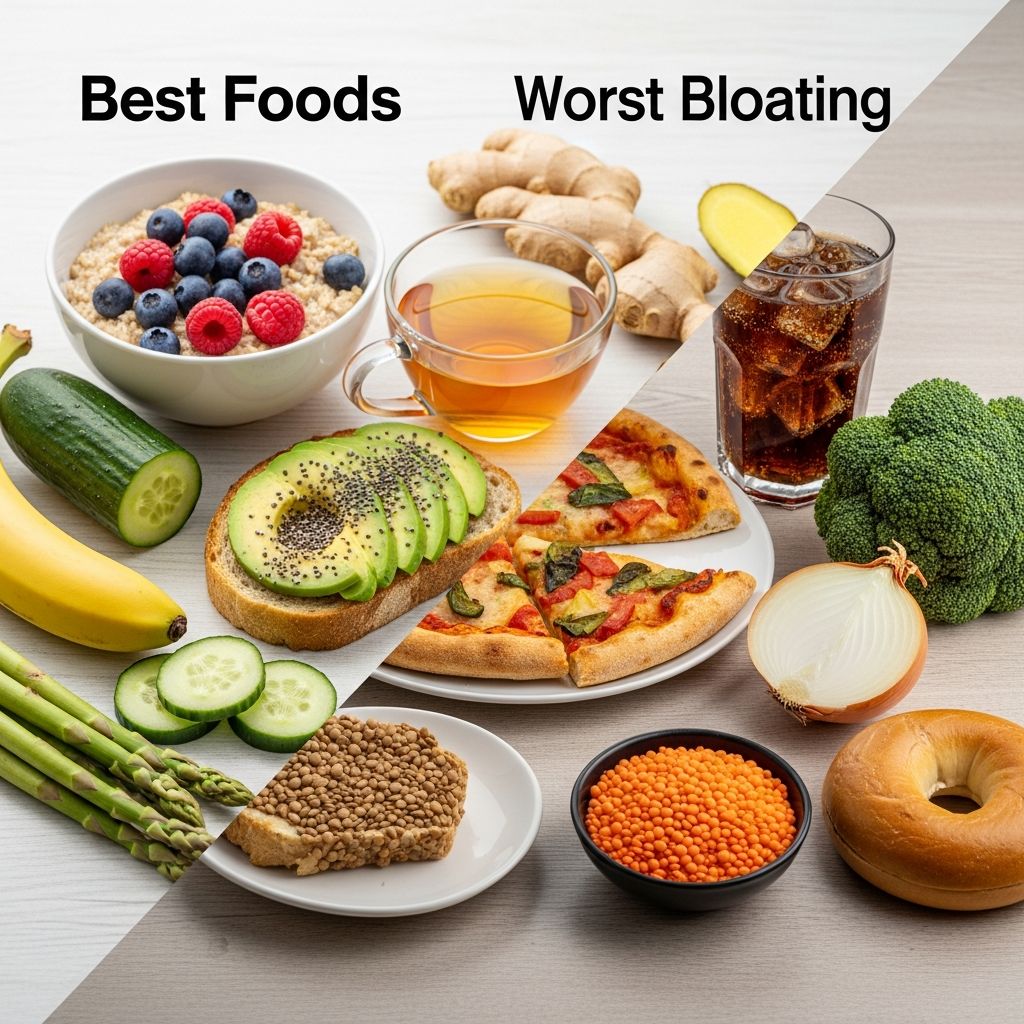
Bloating is one of the most common digestive complaints, affecting millions of people worldwide. While it’s often temporary and harmless, the discomfort can be significant enough to impact your daily life, self-confidence, and even your food choices. The good news is that many cases of bloating can be managed or prevented by making informed dietary decisions. Understanding which foods trigger bloating and which ones support digestive health is the first step toward a more comfortable and confident you.
Bloating occurs when your digestive system produces excess gas or when water retention causes abdominal distension. Multiple factors contribute to this uncomfortable condition, including the foods you eat, how quickly you consume them, and your individual digestive sensitivities. By learning to identify problematic foods and replacing them with gut-friendly alternatives, you can maintain a nutritious diet while minimizing discomfort.
Understanding the Causes of Bloating
Bloating can stem from various dietary and lifestyle factors. Some foods contain compounds that your digestive system struggles to break down, leading to fermentation by gut bacteria and subsequent gas production. Other foods trigger water retention, which creates that puffy, uncomfortable feeling. Additionally, consuming too much fiber too quickly or eating too fast can contribute to bloating and gas. Understanding these mechanisms helps explain why certain foods affect you more than others and how you can make strategic dietary adjustments.
Worst Foods for Bloating
Cruciferous Vegetables: Broccoli, Cabbage, and Kale
While cruciferous vegetables are nutritional powerhouses packed with vitamins and minerals, they can be challenging for your digestive system. Broccoli, cabbage, and kale contain raffinose, a complex sugar that your small intestine cannot absorb. When raffinose reaches your large intestine, your gut bacteria ferment it, producing gas and causing bloating. Brussels sprouts and cauliflower present similar challenges due to their complex fibers, which tend to ferment in the gut.
However, don’t eliminate these nutritious vegetables from your diet entirely. Instead, cook them thoroughly, as heat breaks down some of the problematic compounds. Eat them in smaller portions and pair them with easily digestible foods. Additionally, if you consume cruciferous vegetables regularly, your digestive system will gradually adapt, and they’ll cause less discomfort over time.
Legumes: Beans, Lentils, and Peas
Legumes are excellent sources of plant-based protein and fiber, making them a staple in healthy diets worldwide. However, they contain complex sugars called oligosaccharides that your body cannot fully digest. When these compounds reach your large intestine, gut bacteria ferment them, producing gas and bloating. Beans, lentils, soybeans, and peas can all trigger this uncomfortable response, especially if you’re not accustomed to eating them regularly.
To minimize gas production from legumes, rinse canned beans thoroughly and ensure dried beans are cooked until very soft. Combining legumes with easily digestible whole grains like rice or quinoa can also help. The key is consistency: eating legumes frequently helps your digestive system adapt, making them progressively less problematic.
Related Stories



Dairy Products
If you experience gas or bloating after consuming cheese, milk, or other dairy products, you may be lactose intolerant. This condition means your body lacks sufficient lactase enzymes to break down lactose, the natural sugar found in dairy products. When lactose remains undigested, it passes to your large intestine, where bacteria ferment it, causing gas formation and bloating.
Fortunately, numerous lactose-free and non-dairy alternatives are available, including plant-based milks and dairy-free cheeses. The American Gastroenterological Association also recommends lactase supplements like Lactaid, which can help you digest dairy products more comfortably. If you’re not lactose intolerant, you can continue enjoying dairy in moderation.
High-Fructose Fruits: Apples, Pears, and Watermelon
While fruits are essential components of a healthy diet, certain varieties contain high levels of fructose and sorbitol—sugars that many people struggle to digest. Apples, pears, watermelon, and stone fruits like peaches and prunes are common culprits. These sugars can ferment in your gut, producing gas and creating that uncomfortable bloated sensation.
Rather than avoiding fruit entirely, choose varieties lower in fructose. Bananas, oranges, cantaloupe, and berries like blackberries, blueberries, and strawberries are excellent alternatives that provide fiber, vitamins, and minerals without the bloating effects. If you do consume high-fructose fruits, eat them separately from meals and in moderation, especially if you’re planning to wear fitted clothing.
Salty and Processed Foods
High-sodium foods trigger water retention, causing your body to hold excess fluid that creates bloating and puffiness. While it’s easy to blame the saltshaker, sodium hides in numerous packaged and processed foods, including soups, breads, cured meats, and condiments. The Centers for Disease Control reports that approximately 90 percent of Americans consume more sodium than recommended—2,300 milligrams daily for most adults, and only 1,500 milligrams for those over 50 or with certain health conditions.
Reducing sodium intake requires reading nutrition labels carefully and preparing more meals at home. When you do consume salty foods, drink plenty of water to help flush excess sodium from your system. This simple strategy can significantly reduce salt-induced bloating.
Onions and Garlic
Members of the allium family, including onions and garlic, contain fructans—compounds that can ferment in the gut and trigger bloating, gas, nausea, and diarrhea. Cooking these vegetables thoroughly can reduce their problematic effects, or you can soak them in water for at least 15 minutes if eating them raw. Some people tolerate powdered versions better than fresh varieties.
To enhance flavor without digestive distress, try alternatives like celery, fennel, shallots, or chives. You can also use aromatic herbs and spices such as basil, ginger, and oregano to add depth to your meals without triggering bloating.
Best Foods for Reducing Bloating
Potassium-Rich Foods: Bananas and Beyond
Foods rich in potassium help regulate sodium levels in your body, preventing water retention and reducing salt-induced bloating. Bananas are an excellent choice, offering both potassium and soluble fiber that can relieve or prevent constipation—another common cause of bloating. Other potassium-rich options include avocados, kiwis, oranges, and pistachios.
Constipation contributes significantly to bloating because uneliminated waste in your gastrointestinal tract creates that uncomfortable backed-up sensation. By incorporating these potassium-rich foods and ensuring adequate fiber intake, you can maintain regular bowel movements and minimize bloating.
Papaya
This tropical fruit contains papain, an enzyme that breaks down proteins in your gastrointestinal system, facilitating easier digestion. Papaya also possesses anti-inflammatory properties and contains fibers that support a healthy, strong digestive tract. Including fresh papaya in your diet can improve digestive efficiency and reduce bloating symptoms.
Cucumbers
Cucumbers have demonstrated the ability to inhibit pro-inflammatory enzymes in the digestive system. Whether eaten as a snack or infused in water, cucumbers support digestive health and can help reduce bloating. Cucumber water offers a refreshing alternative to sugary beverages while providing these digestive benefits.
Fennel and Fennel Seeds
Fennel seeds have long been used to support digestive health and reduce bloating. You can find fennel in breads, sausages, and other meat dishes, or consume it directly by chewing seeds or sipping fennel tea after meals. This simple addition can significantly improve your digestive comfort.
Herbal Teas
Peppermint, chamomile, and ginger teas are excellent choices for promoting digestion and soothing your gut. These herbal beverages help food move smoothly through your digestive tract and can reduce gas and bloating. Drinking a cup after meals provides both comfort and digestive support without the bloating effects of carbonated beverages.
Strategic Dietary Adjustments
Manage Your Fiber Intake Wisely
While fiber is essential for digestive health, experts recommend adults consume 14 grams of fiber per 1,000 calories. However, increasing fiber intake too quickly can cause bloating and gas because your body cannot fully break down fiber. To maximize fiber benefits without discomfort, increase your intake gradually, giving your digestive system time to adjust. Additionally, consuming fiber-rich foods with carbohydrates reduces bloating risk by 40 percent compared to eating high-fiber with high-protein meals.
Stay Properly Hydrated
Drinking adequate water daily supports healthy digestion and helps move food smoothly through your digestive tract. Proper hydration works synergistically with fiber to maintain digestive health and reduce bloating. However, avoid carbonated beverages like soda, which introduce excess air into your digestive system and increase bloating and gas production.
Cook Your Vegetables Thoroughly
Cooking vegetables breaks down complex fibers and problematic compounds, making them easier to digest. While raw vegetables offer nutritional benefits, cooking can significantly reduce their bloating effects, especially for cruciferous varieties and alliums like onions and garlic.
Quick Reference: Foods to Avoid vs. Foods to Choose
| Problem Foods | Better Alternatives |
|---|---|
| Broccoli, cabbage, kale | Spinach, Swiss chard, dark leafy greens |
| Beans and lentils | Tofu, tempeh, quinoa |
| Regular dairy products | Lactose-free or non-dairy alternatives |
| Apples, pears, watermelon | Bananas, oranges, berries, cantaloupe |
| Onions and garlic | Celery, fennel, chives, shallots |
| Carbonated beverages | Water, herbal tea, ginger tea |
Frequently Asked Questions
Q: Can I ever eat foods that cause bloating?
A: Yes, absolutely. Your body adapts with regular consumption. If you eat problematic foods frequently, your digestive system becomes more efficient at processing them, and they’ll cause less bloating over time. Start with small portions and gradually increase as your system adjusts.
Q: How quickly should I expect bloating to reduce after dietary changes?
A: Most people notice improvement within a few days to a week of eliminating problematic foods. However, individual responses vary based on digestive sensitivity and other lifestyle factors.
Q: Is bloating always caused by food?
A: While diet is a primary factor, bloating can also result from eating too quickly, insufficient water intake, constipation, and certain medical conditions. If bloating persists despite dietary changes, consult a healthcare provider.
Q: Can I eat vegetables if I’m prone to bloating?
A: Yes, vegetables are essential for health. Choose easier-to-digest varieties like spinach, Swiss chard, and carrots, and cook them thoroughly. You can also gradually introduce more challenging vegetables as your system adapts.
Q: What’s the best approach to adding more fiber without bloating?
A: Increase fiber intake slowly over several weeks, giving your digestive system time to adjust. Combine fiber-rich foods with carbohydrates, stay well-hydrated, and focus on insoluble fiber sources like wheat bran, which produces less gas than soluble fiber.
Q: Are there supplements that can help with bloating?
A: Yes. If you’re lactose intolerant, lactase supplements like Lactaid can help. Digestive enzyme supplements may also provide relief. Additionally, peppermint oil supplements have shown promise in reducing bloating symptoms, though you should consult your doctor before starting any supplement regimen.
Conclusion
Managing bloating through dietary choices is entirely achievable. By understanding which foods trigger your discomfort and replacing them with digestive-friendly alternatives, you can enjoy a nutritious diet while minimizing abdominal distress. Remember that individual responses to foods vary significantly, so what causes bloating for one person may be well-tolerated by another. Pay attention to your body’s signals, keep a food diary if necessary, and don’t hesitate to consult a healthcare provider or registered dietitian for personalized guidance. With these strategies in place, you can take control of your digestive health and enjoy greater comfort and confidence every day.
References
- Best and Worst Foods for Bloating — ABC News. Retrieved from https://abcnews.go.com/Health/Wellness/best-worst-foods-bloating/story?id=23562441
- Mayo Clinic Q and A: Food to Reduce Bloating — Mayo Clinic. Retrieved from https://newsnetwork.mayoclinic.org/discussion/mayo-clinic-q-and-a-food-to-reduce-bloating/
- 6 Things You Can Do to Prevent Bloating — UCLA Health. Retrieved from https://www.uclahealth.org/news/article/6-things-you-can-do-prevent-bloating
Similar Articles








Read full bio of Sneha Tete