Best and Worst Foods for Healthy Blood Pressure
Discover the top foods to eat and avoid for maintaining optimal blood pressure levels through diet.
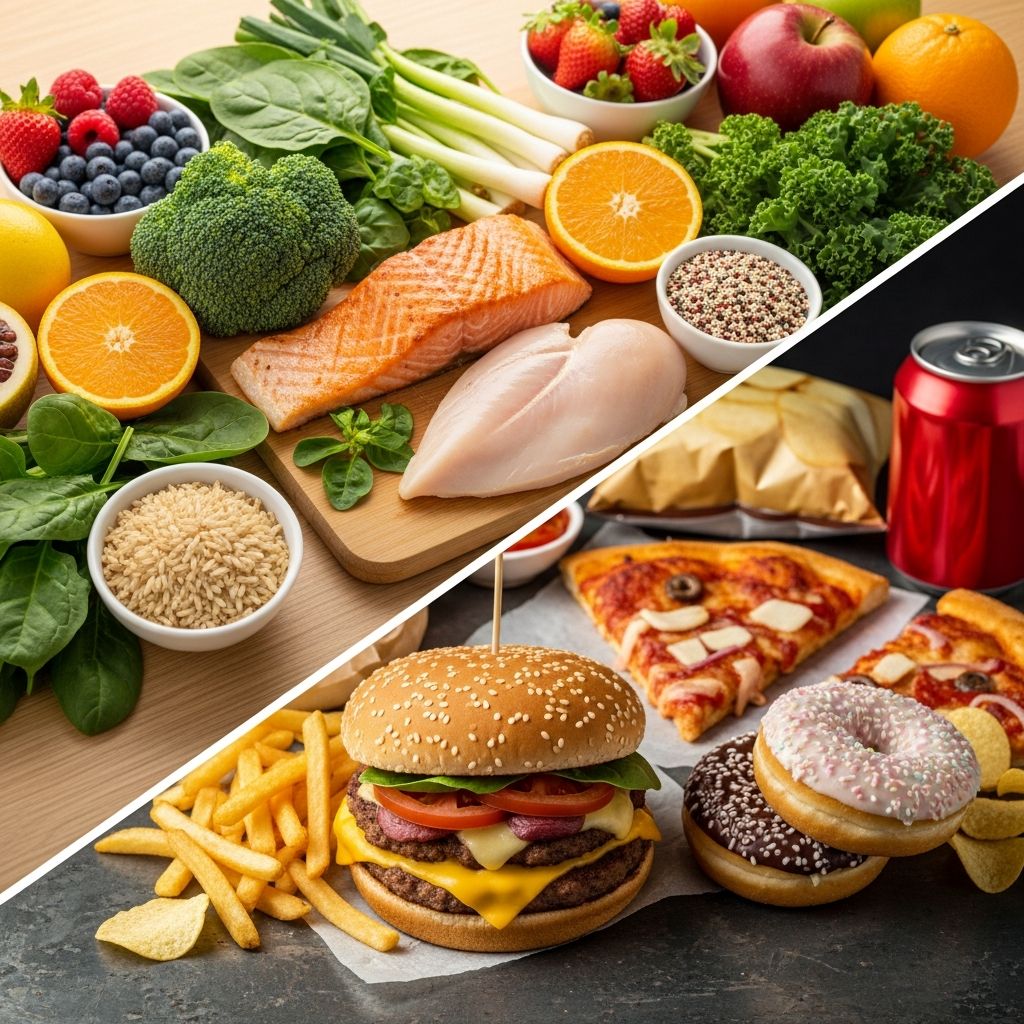
Managing blood pressure through diet is a powerful, evidence-based strategy. High blood pressure, or hypertension, affects millions worldwide and increases risks for heart disease and stroke. The Dietary Approaches to Stop Hypertension (DASH) diet emphasizes nutrient-dense foods high in
potassium
,calcium
,magnesium
, protein, and fiber while limiting sodium, which can significantly lower systolic and diastolic blood pressure.Clinical trials like the DASH-Sodium trial show that combining the DASH diet with low sodium intake reduces systolic blood pressure by up to 11.5 mmHg in hypertensives. This article outlines the best foods to include, the worst to avoid, and practical tips for better blood pressure control.
What Is Blood Pressure and Why Does Diet Matter?
Blood pressure measures the force of blood against artery walls. Normal is below 120/80 mmHg; hypertension starts at 130/80 mmHg. Diet influences it via minerals like potassium, which relaxes blood vessels, countering sodium’s tightening effect.
The DASH diet, developed by the National Institutes of Health, promotes fruits, vegetables, whole grains, lean proteins, and low-fat dairy. Meta-analyses of 17 RCTs with 2,561 participants confirm it lowers systolic BP by 6.74 mmHg and diastolic by 3.54 mmHg, with greater effects in hypertensives. Lifestyle factors like weight loss amplify benefits, as seen in trials reducing systolic BP by 16.1 mmHg.
Best Foods for Healthy Blood Pressure
Incorporate these foods daily to boost potassium (aim for 4,700 mg), magnesium, and fiber while keeping sodium under 2,300 mg, ideally 1,500 mg.
1. Fruits
Fruits are potassium powerhouses. Berries, bananas, oranges, and apricots help excrete sodium and relax vessels.
- Bananas: One medium banana provides 422 mg potassium, aiding vessel dilation.
- Berries (blueberries, strawberries): Rich in flavonoids that improve endothelial function.
- Citrus fruits: Oranges and grapefruits offer vitamin C and potassium.
The DASH trial showed increased urinary potassium from fruits lowered systolic BP by 11.8 mmHg in isolated systolic hypertension.
2. Vegetables
Leafy greens and beets top the list for nitrates and minerals.
- Leafy greens (spinach, kale): High in potassium (558 mg/cup spinach) and magnesium.
- Beets: Nitrates convert to nitric oxide, relaxing arteries.
- Broccoli and sweet potatoes: Fiber and antioxidants reduce inflammation.
Vegetable-rich DASH diets enhance mineral intake, proven to lower BP.
3. Whole Grains
Oats, quinoa, and brown rice provide fiber that binds sodium in the gut.
- Oats: Beta-glucan fiber lowers cholesterol and BP.
- Brown rice: Magnesium supports vessel health.
Trials confirm whole grains contribute to DASH’s BP reductions.
4. Lean Proteins
Fish, poultry, and legumes offer protein without excess sodium.
- Fatty fish (salmon): Omega-3s reduce inflammation; aim for twice weekly.
- Legumes (beans, lentils): Potassium and fiber; low-fat alternative to meat.
Related Stories



OmniHeart trial variations with more protein showed superior BP control.
5. Low-Fat Dairy
Yogurt and milk supply calcium for vessel tone.
- Greek yogurt: 200 mg calcium/cup, probiotics for gut health.
- Skim milk: Balances calcium with low fat.
DASH emphasizes dairy for its proven mineral synergy.
6. Nuts and Seeds
Almonds, pistachios, and flaxseeds deliver healthy fats and magnesium.
- Pistachios: 1 oz has 291 mg potassium.
Portion control is key to avoid calories.
Worst Foods for Blood Pressure
These spike sodium, added sugars, or unhealthy fats, raising BP.
1. Processed Meats
Bacon, sausage, deli meats: Up to 1,000 mg sodium/serving.
- Linked to hypertension via high sodium and preservatives.
2. Sugary Drinks
Soda, energy drinks: Empty calories raise BP indirectly via weight gain.
- DASH advises water or herbal tea instead.
3. Refined Grains
White bread, pastries: Low fiber, often salted.
4. Pickled and Canned Foods
High sodium; rinse if using.
5. Fast Food
Burgers, fries: Sodium overload (over 1,500 mg/meal).
PREMIER trial showed sodium reduction alone drops BP by 10.1 mmHg.
A Sample DASH Diet Day
| Meal | Foods | BP Benefits |
|---|---|---|
| Breakfast | Oatmeal with berries, banana, low-fat yogurt | Potassium, fiber, calcium |
| Lunch | Grilled chicken salad with spinach, beets, vinaigrette | Nitrates, magnesium |
| Snack | Almonds and orange | Healthy fats, vitamin C |
| Dinner | Baked salmon, quinoa, broccoli | Omega-3s, whole grains |
This plan keeps sodium low, nutrients high.
Additional Tips for Blood Pressure Control
- Read labels: Choose <140 mg sodium/serving.
- Cook at home: Use herbs over salt.
- Limit alcohol: <1-2 drinks/day.
- Exercise: 150 min/week boosts DASH effects.
- Monitor BP: Track changes.
Combined interventions yield 16.1 mmHg systolic drops.
Frequently Asked Questions (FAQs)
What is the DASH diet?
The DASH diet focuses on fruits, veggies, whole grains, lean proteins, and low-fat dairy to lower blood pressure through balanced nutrition.
How much sodium is safe?
Aim for 1,500-2,300 mg/day; DASH-Sodium trial proves lower is better.
Can diet alone fix hypertension?
It can reduce BP significantly (6-11 mmHg), often enough for prehypertension; meds may still be needed.
Are nuts okay on DASH?
Yes, 4-5 servings/week for magnesium benefits.
How long to see results?
2 weeks, per DASH trials.
Health Benefits Beyond Blood Pressure
DASH improves lipids, cutting LDL and triglycerides by 13% CVD risk. It aids weight loss, diabetes control, and heart health.
References
- DASH Diet: A Review of Its Scientifically Proven Hypertension … — PMC/NCBI. 2023-10-01. https://pmc.ncbi.nlm.nih.gov/articles/PMC10551663/
Similar Articles








Read full bio of Sneha Tete