Best and Worst Protein Sources for Health
Dietitians reveal top protein picks like salmon and lentils, plus unhealthy options to avoid for optimal health and nutrition.
Protein is essential for building muscles, repairing tissues, and supporting overall health, but not all sources are created equal. Dietitians emphasize choosing
high-quality proteins
that deliver amino acids alongside beneficial nutrients like fiber, omega-3s, and vitamins, while avoiding those loaded with saturated fats, sodium, and added sugars. This guide breaks down the top recommendations and pitfalls based on expert insights.Why Protein Quality Matters
High-quality proteins provide all essential amino acids and come with minimal unhealthy additives. Animal sources like fish and eggs often score high for completeness, while plant options like lentils shine for fiber and low calories. Poor choices, such as processed meats, contribute to heart disease and cancer risks due to nitrates and high sodium.
The average adult needs 46-56 grams of protein daily, but quality trumps quantity. Opt for variety to maximize benefits like improved cholesterol from omega-3-rich salmon or gut health from probiotic Greek yogurt.
The Best Protein Sources
These
top protein picks
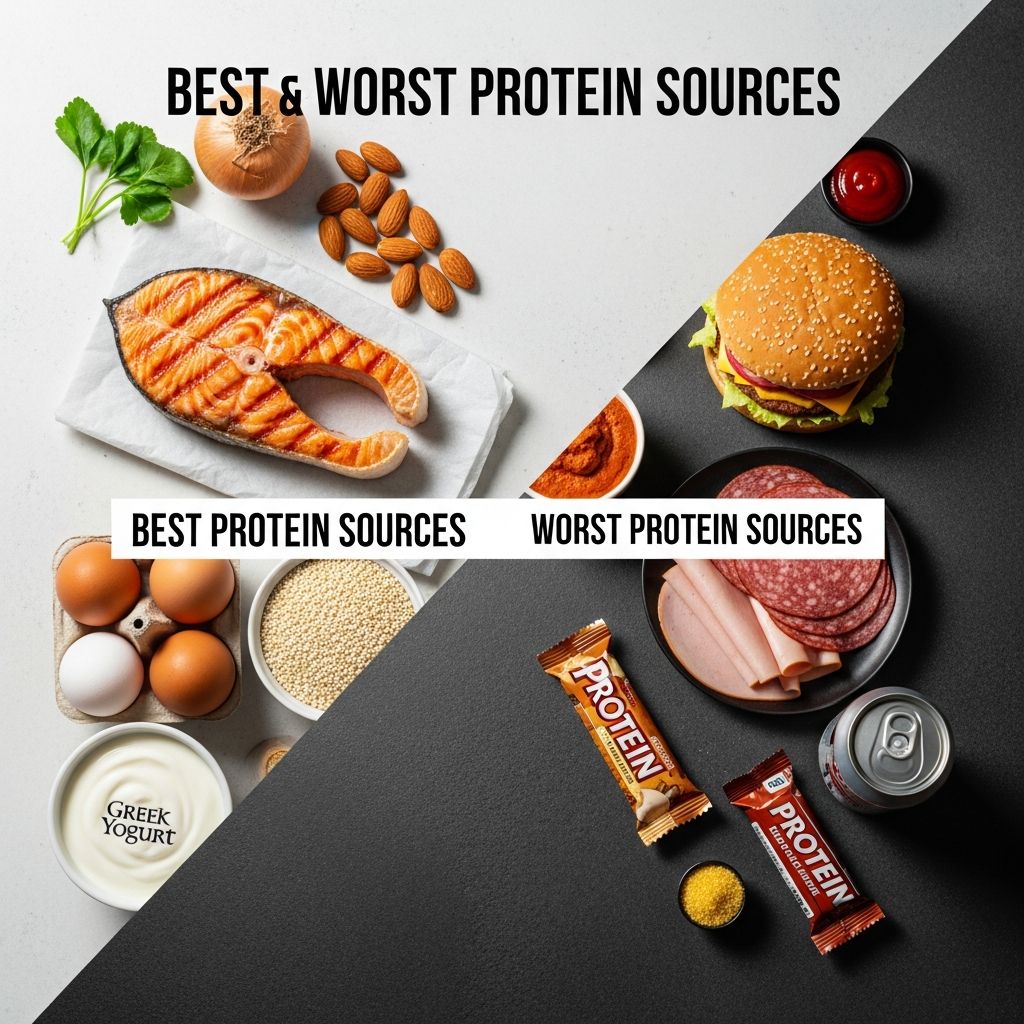
are nutrient-dense, versatile, and backed by dietitians for promoting heart health, weight management, and more.- Salmon: A 3.5-ounce serving offers 25 grams of protein plus omega-3 fatty acids that fight inflammation, lower blood pressure, and improve cholesterol. Grill or bake for maximum benefits.
- Lentils: Half a cup cooked provides 9 grams of protein, fiber for digestion and blood sugar control, and aids weight loss. Use in soups or salads.
- Tofu: 3.5 ounces deliver 15 grams of protein; ideal for plant-based diets and versatile in stir-fries or scrambles.
- Greek Yogurt: 6 ounces pack 15-20 grams of protein and probiotics for gut health. Choose plain, low-fat varieties.
- Eggs: One large egg has 6 grams of protein, plus antioxidants lutein and zeaxanthin for eye health. Boil or poach to keep it healthy.
- Almonds: One ounce supplies 6 grams of protein with healthy fats and fiber; great for snacks.
- Chicken Breast: Lean and flavorful, it provides high protein with niacin, selenium, and B vitamins. Remove skin to cut saturated fat.
- Beans: Comparable to meat but lower in fat; rich in B vitamins, folate, and minerals like zinc and potassium.
- Peanuts/Peanut Butter: Highest protein among nuts at 9.5 grams per 1/4 cup; choose natural, unsalted.
Protein Comparison Table
| Protein Source | Protein per Serving | Key Nutrients | Health Benefits |
|---|---|---|---|
| Salmon (3.5 oz) | 25g | Omega-3s | Heart health, anti-inflammatory |
| Lentils (1/2 cup cooked) | 9g | Fiber, folate | Digestion, weight management |
| Greek Yogurt (6 oz) | 15g | Probiotics | Gut health |
| Eggs (1 large) | 6g | Lutein, zeaxanthin | Eye health |
| Chicken Breast (3 oz) | 25g | B vitamins, selenium | Muscle repair |
The Worst Protein Sources to Limit or Avoid
These options may provide protein but are undermined by unhealthy extras like preservatives, sugars, and fats, increasing risks for cancer, heart disease, and obesity.
- Hot Dogs and Processed Meats: High in sodium, saturated fats, and nitrates; linked to colorectal cancer. Minimal quality protein.
- Deep-Fried Foods: Frying adds unhealthy fats and calories, even to good proteins like chicken or fish. Choose baked or steamed.
- Sugary Cereals: Loaded with sugar overshadowing low protein; pick whole-grain, low-sugar options.
- Bacon, Deli Meats, Sausages: Preservatives and fats raise cholesterol and blood pressure; WHO classifies as probable carcinogens.
- Pre-Made Protein Shakes: Often full of sugars, artificial additives; opt for whole foods or clean powders.
- Full-Fat Dairy/Cheese: High saturated fats; limit to 1 oz/day, prefer low-fat Greek yogurt or cottage cheese.
- Sugary Yogurt: Flavored varieties hide added sugars; add fresh berries to plain instead.
- Grain-Fed Red Meats: High saturated fat; linked to heart disease and environmental concerns. Choose lean, grass-fed sparingly.
Worst vs. Better Alternatives Table
| Worst Source | Issues | Better Swap |
|---|---|---|
| Hot Dogs | Sodium, nitrates, cancer risk | Grilled chicken or turkey breast |
| Protein Shakes (sugary) | Added sugars, fillers | Greek yogurt with nuts |
| Full-Fat Cheese | Saturated fat | Part-skim mozzarella (1 oz) |
| Bacon | Preservatives, fats | Turkey bacon or eggs |
Plant vs. Animal Proteins: What Experts Say
Animal proteins like whey, eggs, and salmon often provide complete amino acids with superior digestibility. Plant proteins (lentils, beans) are excellent for fiber but may lack certain aminos and contain anti-nutrients like phytic acid, reducing absorption. Combine them for balance, as recommended by the American Heart Association, prioritizing plants and fish.
Related Stories



For vegans, tofu and lentils are staples, but variety prevents deficiencies.
Tips for Incorporating Healthy Proteins
- Aim for 20-30g protein per meal.
- Pair plants with grains (e.g., beans and rice) for complete proteins.
- Read labels: Avoid added sugars >5g/serving.
- Weekly fish intake: 2 servings for omega-3s.
- Snack smart: Almonds or Greek yogurt over bars.
Sample Daily Meal Plan
Breakfast: Greek yogurt with berries and almonds (25g protein).
Lunch: Lentil salad with tofu (20g).
Dinner: Baked salmon, quinoa, veggies (30g).
Snack: Hard-boiled eggs (12g).
Total: ~87g protein, nutrient-rich.
Frequently Asked Questions (FAQs)
What’s the healthiest protein source?
Salmon tops lists for its protein and omega-3s, supporting heart and brain health.
Are plant proteins as good as animal ones?
They’re beneficial for fiber but often incomplete; combine for best results. Animal sources edge out in bioavailability.
How much protein do I need daily?
0.8g per kg body weight for adults; more for athletes (1.2-2.0g/kg).
Can I eat red meat?
In moderation; choose lean, grass-fed to minimize saturated fat risks.
Are protein powders healthy?
Select organic, minimal-ingredient ones without sugars; whole foods preferred.
Key Takeaways for Better Nutrition
Prioritize whole, unprocessed proteins to fuel your body without the baggage. Dietitians agree: Salmon, eggs, and legumes build health, while processed meats harm it long-term.
References
- The Best and Worst Sources of Protein, According to Nutritional Experts — Vaughn C. Greene Funeral Services. 2023-approx. https://vaughncgreene.com/blogs/blog-entries/3/News-Events/248/The-Best-and-Worst-Sources-of-Protein-According-to-Nutritional-Experts.html
- Plate Debate: What Are the Best and Worst Sources of Protein? — Cleveland Clinic. 2023-05-18. https://health.clevelandclinic.org/best-and-worst-sources-of-protein
- The Best (and Worst) Protein Sources — HLTH Code. 2023-approx. https://gethlth.com/the-best-and-worst-protein-sources/
- Picking Healthy Proteins — American Heart Association. 2024-approx. https://www.heart.org/en/healthy-living/healthy-eating/eat-smart/nutrition-basics/picking-healthy-proteins
- The good, the bad, and what to avoid when it comes to protein sources — YouTube (Trinity Health). 2023-approx. https://www.youtube.com/watch?v=kPnBv3VF9WY
Similar Articles








Read full bio of Sneha Tete