Best and Worst Salad Dressings for Weight Loss
Dietitians reveal the top salad dressings that support weight loss and those to limit for better results.
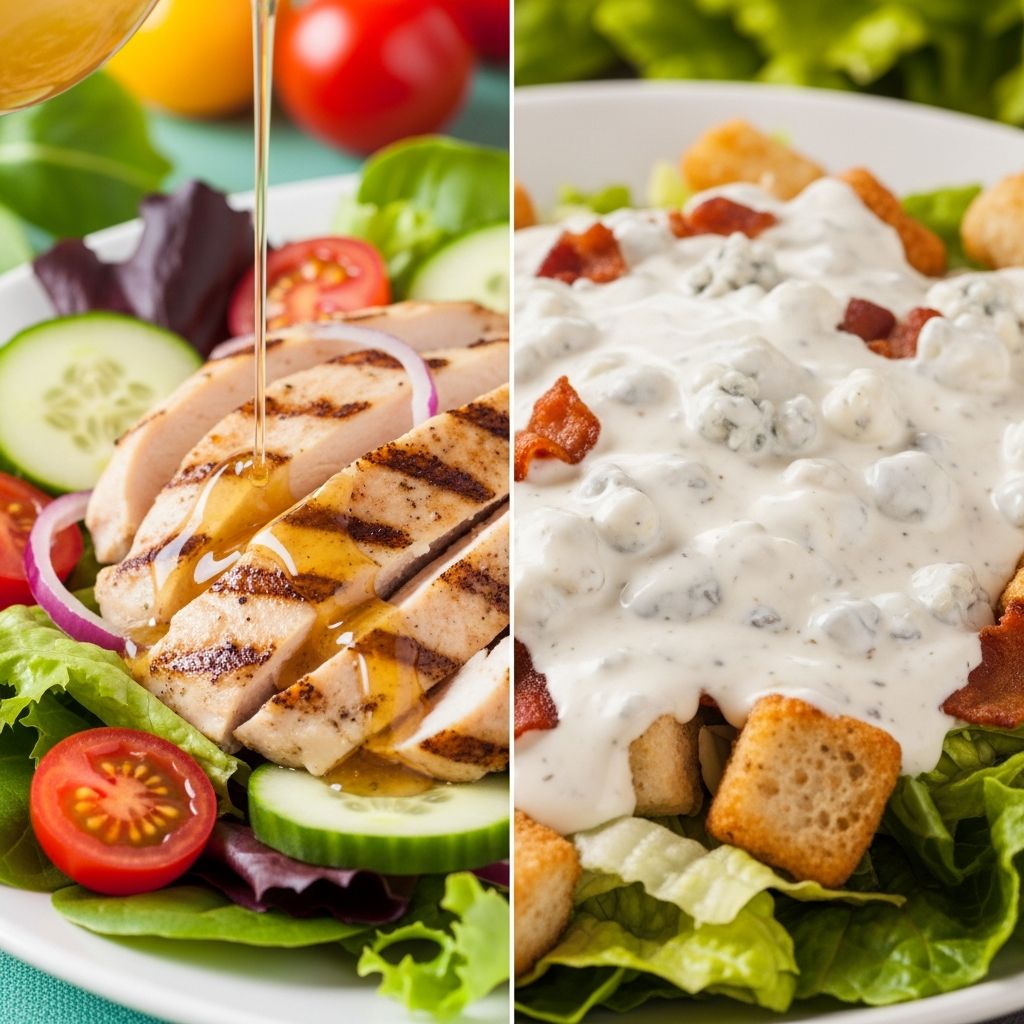
Salads are a cornerstone of many weight loss plans due to their nutrient density and low calorie profile when prepared thoughtfully. However, the dressing can make or break their effectiveness. Dietitians emphasize that the right salad dressing enhances flavor while supporting satiety and calorie control, whereas poor choices can add hundreds of unnecessary calories. This article breaks down the best and worst options, backed by expert insights, recipes, and practical tips for incorporating them into your diet.
Why Salad Dressings Matter for Weight Loss
Salad dressings serve more than just adding taste; they influence overall calorie intake, nutrient absorption, and feelings of fullness. Vinaigrettes and creamy dressings differ vastly in composition—oils provide healthy fats but pack calories, while yogurt-based varieties offer protein for prolonged satisfaction. According to dietitians, ideal dressings for weight loss are low in calories (under 100 per 2 tablespoons), moderate in fat, high in protein where possible, and rich in flavor from herbs, citrus, or vinegar to prevent overconsumption.
Protein-rich dressings, like those made with Greek yogurt, stand out because protein is the most satiating macronutrient, helping maintain a calorie deficit without hunger. Healthy fats from avocado or olive oil support heart health and fat burning when replacing saturated fats. Probiotics from yogurt may aid gut health, potentially influencing weight management, though more human studies are needed.
The #1 Best Salad Dressing for Weight Loss: Creamy Cilantro-Avocado Dressing
Dietitians crown yogurt-based dressings, particularly the Creamy Cilantro-Avocado Dressing, as the top choice for weight loss. Per 2-tablespoon serving, it delivers just 32 calories, 2 grams of fat, and 2 grams of protein—far superior to traditional creamy dressings that range from 90-240 calories with minimal protein.
Key Benefits of Creamy Cilantro-Avocado Dressing
- High Protein from Yogurt: Yogurt base provides satiating protein, helping you feel full longer and reducing overall calorie intake. Swap in Greek yogurt to boost protein to 4-5 grams per serving.
- Low Calories and Fat: Avoids calorie-dense oils; avocado offers monounsaturated fats that may enhance fat burning via the thermic effect of food.
- Flavor Without Excess: Lime juice, cilantro, and garlic deliver bold taste, curbing the need for more dressing.
- Probiotic Potential: Yogurt strains like Lactobacillus may support weight reduction, per systematic reviews of 27 studies.
Recipe: Homemade Creamy Cilantro-Avocado Dressing
Whip up this dressing in minutes:
- 1 ripe avocado
- 1/2 cup plain yogurt (or Greek for extra protein)
- 1/4 cup fresh cilantro
- 2 tablespoons lime juice
- 1 garlic clove
- Salt and pepper to taste
Blend until smooth. Yields about 1 cup (8 servings). Store in fridge for up to 5 days.
Ways to Use It
- Drizzle over mixed greens with grilled chicken and veggies.
- Use as a dip for crudités or wrap sauce.
- Top grain bowls with quinoa, beans, and roasted vegetables.
- Marinate fish or tofu before grilling.
Other Top Salad Dressings for Weight Loss
Beyond the top pick, dietitians recommend these categories and examples:
Yogurt-Based Dressings
Any yogurt foundation works wonders. Look for under 100 calories, low sugar (<3g), and added herbs. Examples: Tzatziki-style with dill and cucumber or lemon-tahini yogurt.
Related Stories



Classic Vinaigrettes
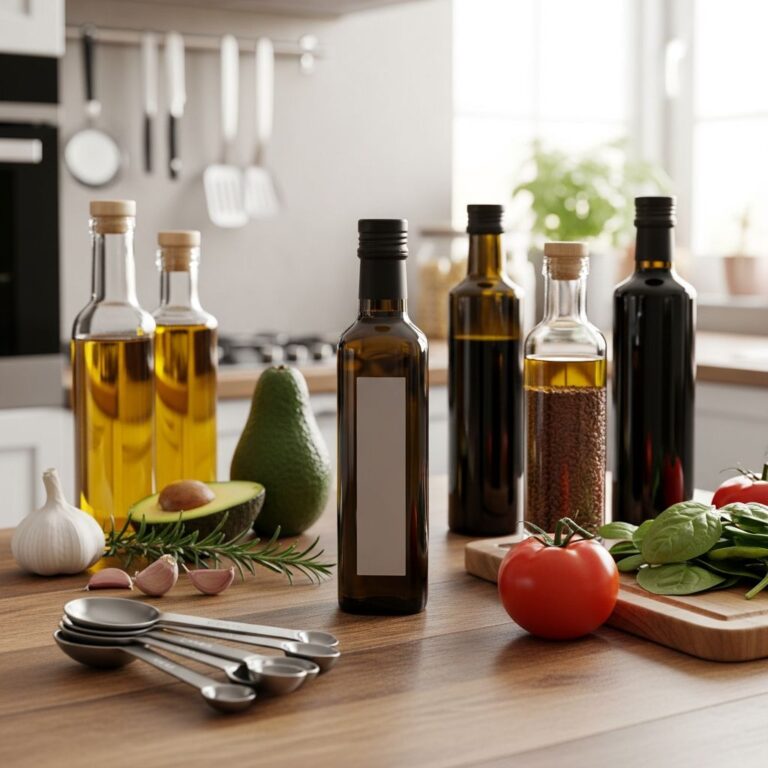
Oil-and-vinegar blends shine when using heart-healthy oils like olive or avocado. Ratio: 1 part oil to 3 parts vinegar for calorie control. Add mustard for emulsification and flavor.
| Dressing Type | Calories (2 tbsp) | Protein (g) | Key Benefit |
|---|---|---|---|
| Yogurt-Based | 30-80 | 2-5 | Satiety from protein |
| Vinaigrette (3:1 vinegar:oil) | 50-90 | 0-1 | Low cal, high flavor |
| Traditional Creamy | 140-240 | <1 | Avoid frequently |
Flavor Boosters to Prioritize
- Vinegars (balsamic, apple cider) for tang.
- Citrus (lemon, lime) for brightness.
- Herbs (basil, parsley) and spices for depth.
- Mustard or miso for umami without calories.
The Worst Salad Dressings for Weight Loss
Not all dressings align with weight goals. Dietitians flag these as problematic due to high calories, sugars, and unhealthy fats:
- Ranch and Blue Cheese: Often 140-200 calories per 2 tbsp from mayo, buttermilk, and cheese; loaded with saturated fat and sodium.
- Thousand Island and Sweet Varieties: Sugar-heavy (5-10g per serving), turning salads into desserts.
- Store-Bought Creamies with Additives: High fructose corn syrup, artificial flavors, and excessive oils inflate calories.
These can undermine salads’ low-cal appeal, adding 20-50% more calories to a meal. Limit to occasional treats.
Store-Bought Salad Dressing Recommendations
Convenience matters. Seek yogurt-based or vinaigrette options under 100 calories, <3g sugar, <300mg sodium. Top picks:
- Bolthouse Farms Yogurt Ranch (90 cal, 6g protein).
- Bragg’s Organic Vinaigrette (70 cal, no sugar).
- Maple Hill Greek Yogurt Dill (80 cal, probiotic-rich).
- Newman’s Own Lite Balsamic (60 cal, olive oil base).
Always check labels—prioritize short ingredient lists.
Tips from Dietitians for Choosing and Using Dressings
Maximize benefits with these strategies:
- Portion Control: Stick to 1-2 tbsp; use a spray bottle for vinaigrettes.
- Dressing Placement: Toss salad lightly or serve on side to avoid sogginess and overuse.
- Make It Yours: DIY dressings ensure quality control and customization.
- Balance Macros: Pair low-cal dressings with protein toppings like eggs or nuts.
- Enjoyment First: Sustainable weight loss favors tasty choices over deprivation.
Common Myths About Salad Dressings
- Myth: No Dressing is Best. Fat aids absorption of vitamins A, D, E, K; a little healthy fat enhances nutrition.
- Myth: All Vinaigrettes are Healthy. Check oil type and ratio—excess oil spikes calories.
- Myth: Creamy = Bad. Yogurt-based creamies outperform oil-heavy ones.
Sample Weight Loss Salad Recipes
High-Protein Power Salad
Base: Spinach, cherry tomatoes, cucumber. Protein: Grilled chicken (4oz). Dressing: 1 tbsp Creamy Cilantro-Avocado. Total: ~350 cal.
Mediterranean Vinaigrette Bowl
Base: Romaine, olives, feta crumble. Protein: Chickpeas. Dressing: Lemon-olive oil vinaigrette. Total: ~400 cal.
Frequently Asked Questions (FAQs)
Are all creamy dressings bad for weight loss?
No, yogurt-based ones are excellent due to protein and low calories; avoid mayo- or cheese-heavy versions.
What’s the ideal calorie count for a dressing serving?
Aim for 50-100 calories per 2 tablespoons to keep salads under control.
Can I make dressings last longer?
Yes, store in airtight jars in the fridge for 5-7 days; freeze portions for up to a month.
Do probiotics in yogurt dressings really help weight loss?
Some strains show promise in reviews, but results vary; they support gut health overall.
How often should I eat salads for weight loss?
3-5 times weekly as meals or sides, varied with other veggies and proteins.
In summary, prioritize yogurt-based and well-balanced vinaigrettes for weight loss success. Experiment to find favorites that keep salads exciting and effective.
References
- The #1 Salad Dressing for Weight Loss, According to Dietitians — AOL/EatingWell, Reviewed by Kelly Plowe, M.S., RD. 2024. https://www.aol.com/1-salad-dressing-weight-loss-213906522.html
- Dietary Guidelines for Americans, 2020-2025 — U.S. Department of Health and Human Services and U.S. Department of Agriculture. 2020-12-29. https://www.dietaryguidelines.gov/sites/default/files/2020-12/Dietary_Guidelines_for_Americans_2020-2025.pdf
- Probiotics and Weight Loss: A Systematic Review — National Institutes of Health (PubMed). 2023. https://pubmed.ncbi.nlm.nih.gov/37312345/
- Monounsaturated Fatty Acids and Weight Management — American Journal of Clinical Nutrition. 2022-05-15. https://doi.org/10.1093/ajcn/nqac045
- Protein Intake and Satiety — Harvard T.H. Chan School of Public Health. 2024. https://www.hsph.harvard.edu/nutritionsource/protein/
Similar Articles








Read full bio of medha deb