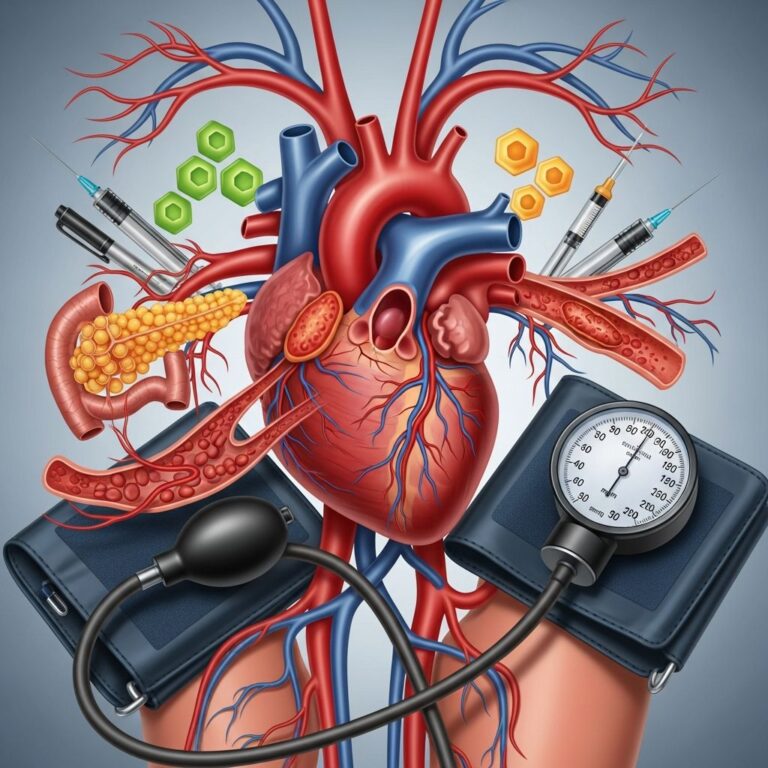
Beta Blockers: Essential Guide For Cardiovascular Health
Comprehensive overview of beta blockers: their role in heart health, uses, effects, and key considerations for safe management.
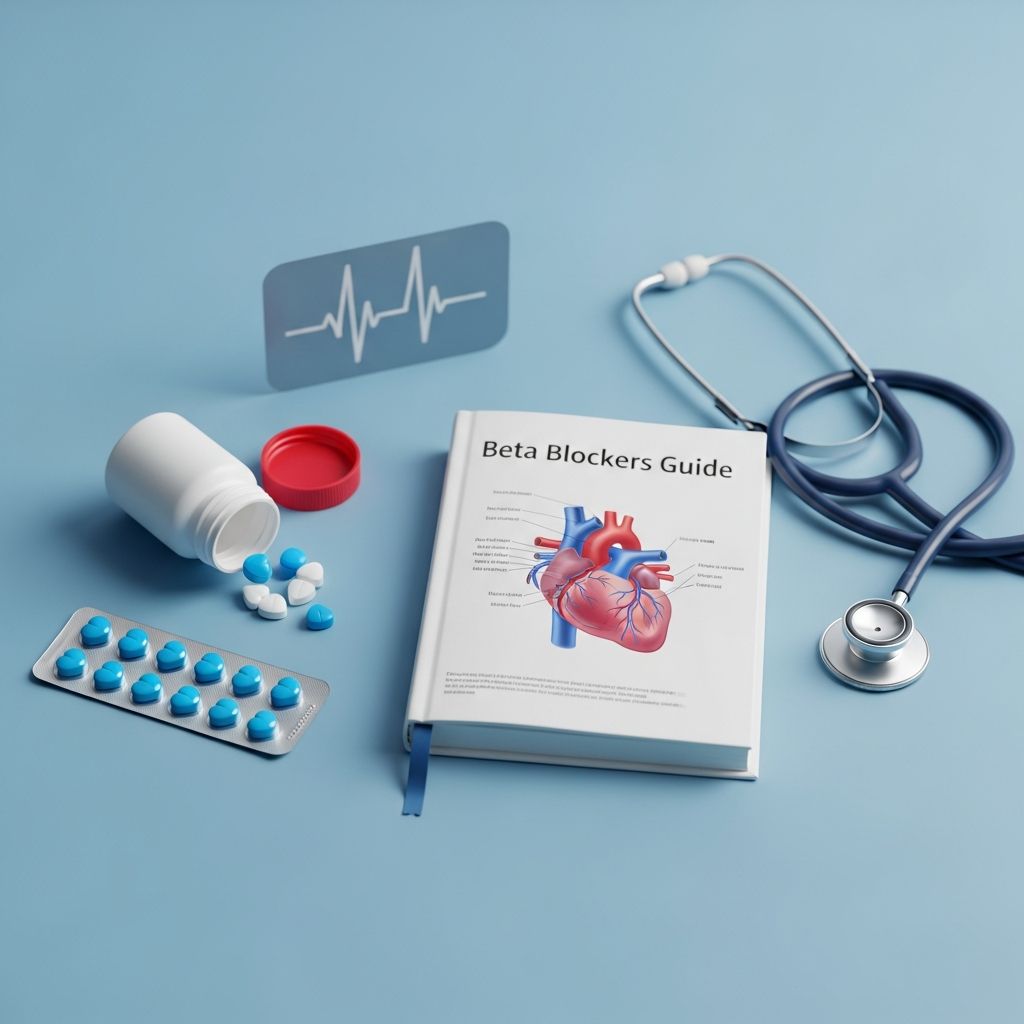
Beta blockers represent a cornerstone in the treatment of various heart-related conditions by modulating the body’s response to stress hormones. These medications primarily target the sympathetic nervous system to reduce cardiac workload and stabilize vital functions.
Understanding the Fundamental Role of Beta Blockers
The human body relies on hormones like epinephrine and norepinephrine to trigger the “fight-or-flight” response, which accelerates heart rate and strengthens contractions during stress. Beta blockers counteract this by binding to beta-adrenergic receptors, preventing these hormones from exerting their full effects. This action leads to a calmer heart rhythm and lower blood pressure, making them invaluable for long-term management of cardiovascular issues.
Receptors targeted include beta-1 (β1) primarily in the heart and beta-2 (β2) in lungs and blood vessels. By inhibiting these, beta blockers decrease heart rate (negative chronotropy), contractility (negative inotropy), and conduction speed (negative dromotropy), while also curbing renin release from the kidneys to further control blood pressure.
Generations of Beta Blockers: Evolution and Specificity
Beta blockers have evolved across three generations, each offering distinct pharmacological profiles:
- First-generation (non-selective): Block both β1 and β2 receptors, providing broad sympatholytic effects but potentially impacting respiratory function.
- Second-generation (cardioselective): Preferentially target β1 receptors at standard doses, minimizing effects on lungs and ideal for patients with mild respiratory concerns.
- Third-generation: Combine β1 blockade with vasodilatory properties via α1 receptor antagonism or β3 activation, enhancing blood flow and offering antioxidant benefits to protect heart tissue.
This progression allows clinicians to select agents tailored to individual patient needs, balancing efficacy with safety.
Primary Medical Applications
Beta blockers address a spectrum of cardiac conditions through their multifaceted actions:
- Hypertension: Reduce cardiac output and renin-angiotensin activity, easing vascular strain.
- Angina Pectoris: Lower oxygen demand by slowing heart rate and contractility, alleviating chest pain.
- Arrhythmias: Prolong refractory periods and suppress abnormal pacemaker activity, stabilizing rhythm.
- Heart Failure: Counter excessive sympathetic drive, improving ejection fraction over time despite initial reductions.
- Post-Myocardial Infarction: Prevent remodeling and reduce mortality risk by mitigating stress hormone impacts.
Additionally, they prove useful in migraine prophylaxis, essential tremor, and hyperthyroidism by dampening sympathetic overactivity.
Key Examples and Their Profiles
| Drug Name | Generation | Key Features | Common Uses |
|---|---|---|---|
| Propranolol | First | Non-selective; crosses blood-brain barrier | Angina, arrhythmias, migraines |
| Metoprolol | Second | β1-selective; available in tartrate/succinate forms | Heart failure, hypertension |
| Atenolol | Second | β1-selective; hydrophilic, renally cleared | Hypertension, post-MI |
| Carvedilol | Third | β1/β2 non-selective + α1-blockade | Heart failure, hypertension |
| Nebivolol | Third | β1-selective + nitric oxide-mediated vasodilation | Hypertension |
Selection depends on factors like lipophilicity (affecting CNS penetration), half-life, and route of elimination.
Administration Guidelines and Dosage Considerations
Typically oral, beta blockers come in immediate- or extended-release formulations. Dosing starts low, especially in heart failure, titrating gradually to monitor tolerance. Timing aligns with condition—e.g., twice daily for tartrate forms, once daily for succinates. Intravenous options exist for acute arrhythmias.
Renal or hepatic impairment necessitates dose adjustments; cardioselective agents suit those with bronchospasm risks at low doses.
Potential Adverse Effects and Management
While generally well-tolerated, side effects stem from receptor blockade:
- Cardiovascular: Bradycardia, hypotension, AV block—monitor pulse and blood pressure.
- Respiratory: Bronchospasm (more with non-selectives)—caution in asthma/COPD.
- Metabolic: Mask hypoglycemia in diabetics; fatigue, masked exertion symptoms.
- Others: Cold extremities, sleep disturbances, erectile dysfunction.
Discontinuation requires tapering to avoid rebound tachycardia or hypertension.
Drug Interactions and Precautions
Beta blockers interact with:
- Calcium channel blockers (e.g., verapamil)—risk of profound bradycardia.
- NSAIDs—reduced antihypertensive effect.
- Antidepressants—enhanced bradycardia.
- Alcohol—additive CNS depression.
Contraindications include severe bradycardia, decompensated heart failure, asthma, and 2nd/3rd-degree AV block without pacemaker. Pregnancy category varies; use judiciously.
Special Populations: Usage in Diverse Groups
Elderly Patients
Start at lower doses due to slower metabolism; monitor for orthostasis.
Pregnant Individuals
Preferred for hypertension in pregnancy (e.g., labetalol); avoid atenolol due to fetal growth concerns.
Children
Used off-label for arrhythmias; weight-based dosing essential.
Athletes
May blunt exercise response; disclose for competitive sports.
Monitoring and Follow-Up Essentials
Regular assessments include heart rate (>50-60 bpm target), blood pressure, ECG for conduction, renal/hepatic function, and electrolytes. Patient education emphasizes adherence, symptom reporting (dizziness, fatigue), and lifestyle synergy (diet, exercise).
Lifestyle Integration for Optimal Outcomes
Combine with sodium restriction, weight management, and smoking cessation. Caution with strenuous activity initially due to blunted heart rate response.
Frequently Asked Questions (FAQs)
Can beta blockers cause weight gain?
Some users experience modest gain from fluid retention or reduced activity; cardioselective options may minimize this.
Do they affect exercise performance?
Yes, by limiting heart rate rise; adjust training and consult providers.
How quickly do they work?
Acute effects in hours; full benefits in weeks for heart failure.
Are they safe long-term?
Yes, with monitoring; proven mortality reduction in many conditions.
What if I miss a dose?
Take promptly if recent; skip if near next—avoid doubling.
Future Directions in Beta Blocker Therapy
Ongoing research explores personalized medicine, combining with novel agents for resistant hypertension, and third-generation enhancements for endothelial protection. Advances promise refined safety-efficacy profiles.
References
- Beta Blockers – The Cardiology Advisor — The Cardiology Advisor. 2023. https://www.thecardiologyadvisor.com/ddi/beta-blockers/
- Beta Blockers – StatPearls — NCBI Bookshelf. 2023-10-30. https://www.ncbi.nlm.nih.gov/books/NBK532906/
- Beta blocker — Wikipedia. 2026-02-20. https://en.wikipedia.org/wiki/Beta_blocker
- Beta-Blockers: Uses & Side Effects — Cleveland Clinic. 2023-07-31. https://my.clevelandclinic.org/health/treatments/22318-beta-blockers
- How do beta blockers work? — YouTube (Alila Medical Media). 2019-12-12. https://www.youtube.com/watch?v=uiYJKvwVhEU
- Beta-Adrenoceptor Antagonists (Beta-Blockers) — CV Pharmacology. 2023. https://cvpharmacology.com/cardioinhibitory/beta-blockers
- Beta Blockers | Mechanism of Action, Indications, Adverse Reactions — YouTube (Ninja Nerd). 2023. https://www.youtube.com/watch?v=WQDncWAEP2Q
- Beta blockers: how do they work and do they have side effects? — British Heart Foundation. 2023. https://www.bhf.org.uk/informationsupport/heart-matters-magazine/medical/drug-cabinet/beta-blockers
Similar Articles








Read full bio of Sneha Tete