Betahistine Explained: A Comprehensive Guide
Comprehensive guide to betahistine: its role in managing vertigo, how it works, dosage guidelines, potential side effects, and evidence-based insights for informed use.
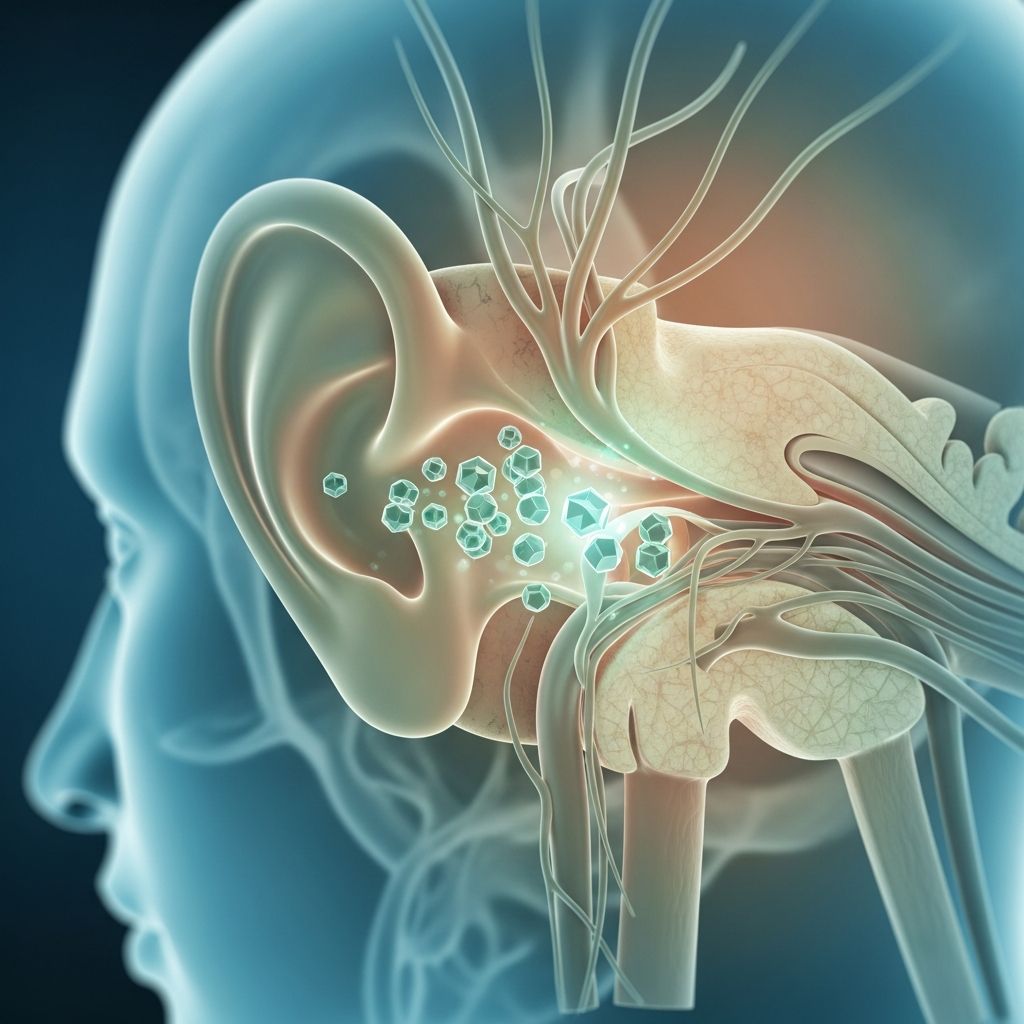
Betahistine is a medication designed to address vertigo and related symptoms, particularly those linked to vestibular disorders like Ménière’s disease. It functions as a histamine analog, influencing blood flow and fluid dynamics in the inner ear to help alleviate dizziness, nausea, and associated discomfort.
Understanding Vertigo and Betahistine’s Primary Role
Vertigo manifests as a sensation of spinning or whirling, often disrupting daily activities and quality of life. In conditions such as Ménière’s disease, it arises from excess fluid buildup in the inner ear, known as endolymphatic hydrops. Betahistine targets this by promoting vasodilation in the inner ear’s blood vessels, which increases permeability and helps normalize fluid pressure.
This action not only reduces vertigo episodes but may also ease tinnitus and hearing fluctuations common in Ménière’s patients. While not a cure, it aims to lessen the frequency and intensity of attacks, allowing better symptom management.
How Betahistine Interacts with the Body
Betahistine’s pharmacological profile involves multiple histamine receptor interactions. As a weak agonist at H1 receptors, it dilates blood vessels in the inner ear, countering the pressure from excess endolymph. This vasodilation prevents labyrinth rupture, a factor in hearing loss.
Simultaneously, it acts as an antagonist at H3 receptors, boosting neurotransmitter release like histamine, serotonin, and others. This modulation affects vestibular nuclei in the brainstem, restoring balance signals and diminishing vertigo perceptions.
These dual effects—improved circulation and neural regulation—underpin its utility in vestibular disorders beyond just Ménière’s, though evidence varies.
Clinical Applications and Who Benefits Most
- Ménière’s Disease: Primary indication for adults over 18, reducing recurrent vertigo episodes.
- Other Vertigo Types: Used in benign paroxysmal positional vertigo (BPPV) or vestibular neuritis, often alongside maneuvers like Epley.
- Emerging Uses: Investigational for ADHD and obesity in Prader-Willi syndrome via intranasal forms.
Patients typically notice fewer vertigo attacks, though complete resolution is rare. It complements lifestyle adjustments like low-salt diets for Ménière’s.
Dosage Recommendations and Administration Tips
Standard dosing starts at 24-48 mg daily, divided into 2-3 doses, often as 8 mg or 16 mg tablets. Take with meals to minimize stomach upset, and maintain consistent timing for steady blood levels.
| Condition | Typical Daily Dose | Frequency | Duration |
|---|---|---|---|
| Ménière’s Vertigo | 24-48 mg | 2-3 times/day | Long-term as needed |
| General Vertigo | 16-32 mg | 2 times/day | Weeks to months |
| Maintenance | 24 mg | 3 times/day | Ongoing |
Adjust based on response; do not exceed 48 mg daily without medical advice. Abrupt cessation is generally safe, but consult a doctor.
Potential Side Effects and Management
Betahistine is well-tolerated, with mild effects in about 15-16% of users, similar to placebo. Common issues include:
Related Stories



- Gastrointestinal: Nausea, indigestion, bloating, stomach pain.
- Neurological: Headache, occasional drowsiness.
- Rare: Allergic reactions like facial swelling, low blood pressure, or breathing issues—seek immediate care.
Monitor for hypersensitivity, especially with histamine intolerances. No serious events dominate trials.
Evidence from Research: Does It Really Work?
Systematic reviews show betahistine modestly outperforms placebo for vertigo relief (RR 1.30, 95% CI 1.05-1.60 across 11 studies, 606 participants), but high heterogeneity tempers confidence. Low-quality evidence per GRADE suggests symptom reduction, particularly in mixed vertigo causes.
For Ménière’s specifically, earlier Cochrane reviews questioned efficacy due to strict criteria, yet real-world use persists for vestibular vertigo. German primary care data indicates frequent prescriptions for unspecified dizziness and BPPV.
Recent analyses affirm low adverse event risk, supporting its safety profile.
Precautions, Interactions, and Contraindications
Avoid in pheochromocytoma, active peptic ulcers, or asthma. Use caution with antihistamines, as betahistine may counteract them. No major food interactions, but alcohol could exacerbate dizziness.
- Pregnancy/Breastfeeding: Limited data; weigh risks.
- Driving: Vertigo improvement aids, but initial drowsiness may impair.
- Overdose: Rare; symptoms mimic side effects—seek help.
Lifestyle Integration for Optimal Results
Pair betahistine with:
- Diet: Reduce salt to <2g/day for Ménière’s.
- Exercises: Vestibular rehab like Brandt-Daroff maneuvers.
- Stress Management: Mindfulness to lessen attack triggers.
- Hydration: Maintain fluid balance without excess.
Track symptoms in a diary to guide dose adjustments with your provider.
When to Consult a Healthcare Professional
Seek advice if vertigo persists, worsens, or accompanies new symptoms like severe headache or vision changes. Regular ENT check-ups monitor hearing and balance.
Frequently Asked Questions (FAQs)
What is betahistine used for?
Primarily to reduce vertigo frequency in Ménière’s disease by improving inner ear circulation.
How long does it take to work?
Effects may appear in days to weeks; full benefits often in 2-4 weeks of consistent use.
Can betahistine cure Ménière’s disease?
No, it manages symptoms but does not cure the underlying condition.
Is betahistine safe for long-term use?
Yes, with monitoring; trials show good tolerability over extended periods.
Does it cause drowsiness?
Rarely; most users report no significant sedation.
References
References
- Betahistine – Wikipedia — Wikipedia. 2023-10-01. https://en.wikipedia.org/wiki/Betahistine
- Betahistine: View Uses, Side Effects and Medicines — 1mg.com. 2024-01-15. https://www.1mg.com/generics/betahistine-209444
- Betahistine: Uses, Interactions, Mechanism of Action — DrugBank. 2024-05-20. https://go.drugbank.com/drugs/DB06698
- Betahistine for symptoms of vertigo — PMC – NIH. 2020-07-28. https://pmc.ncbi.nlm.nih.gov/articles/PMC7388750/
- Teva-Betahistine – Uses, Side Effects, Interactions — MedBroadcast. 2023-11-10. https://medbroadcast.com/drug/getdrug/teva-betahistine
Similar Articles








Read full bio of medha deb