Betamethasone Eye Drops: 8 Safety Precautions Before Use
Comprehensive guide to using betamethasone eye drops for treating short-term inflammatory eye conditions effectively and safely.
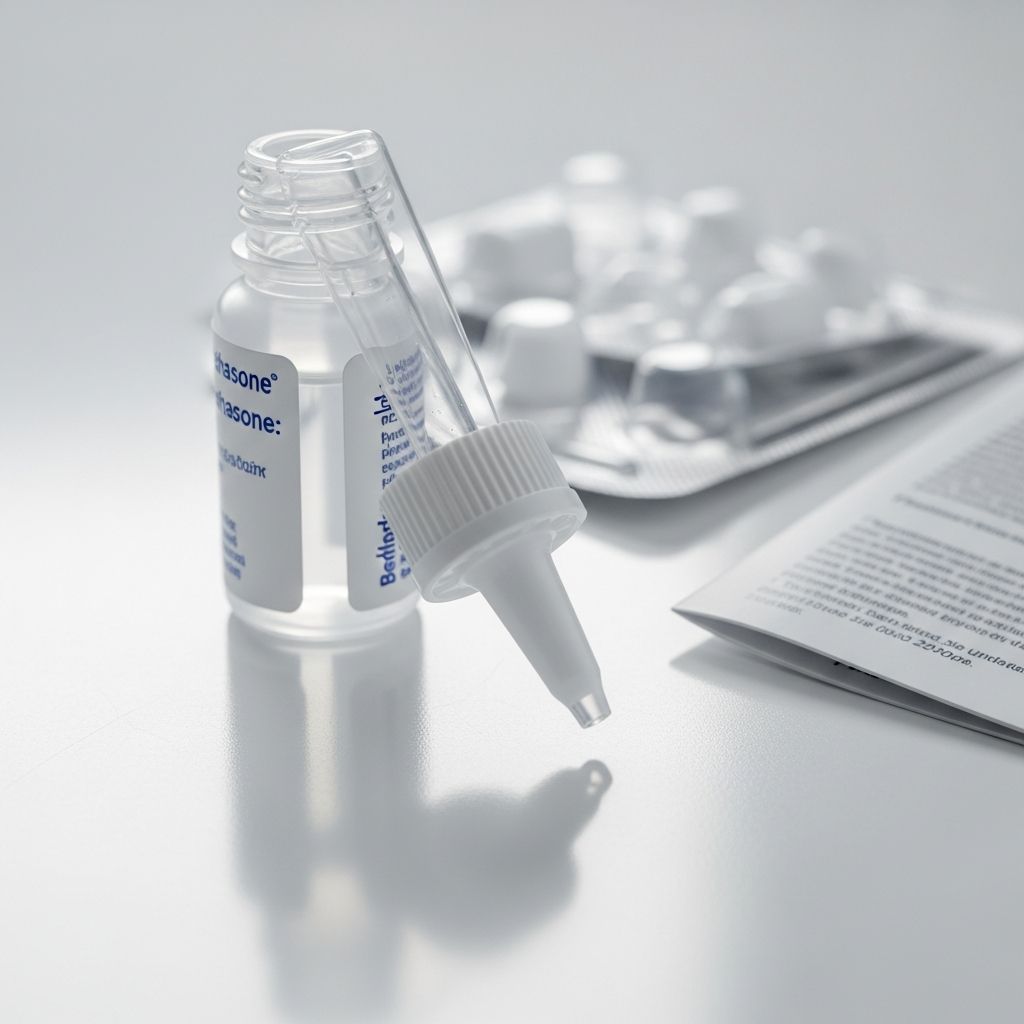
Betamethasone eye drops are a corticosteroid medication designed to treat short-term inflammatory conditions of the eye. They are typically prescribed by an eye specialist to relieve inflammation, redness, and irritation effectively.
About betamethasone eye drops
Betamethasone eye drops contain a potent corticosteroid, often referred to simply as a ‘steroid,’ which works by reducing swelling, redness, and itching in the eyes. These drops are indicated for short-term use in managing various inflammatory eye conditions, such as allergic reactions, post-surgical inflammation, or minor injuries. Some formulations, like Betnesol-N, may also include an anti-infective agent such as neomycin to prevent bacterial infections following eye surgery or trauma.
The medication is available solely as eye drops, though similar betamethasone products exist for ears and nose. It is crucial to use these drops only under medical supervision, as prolonged use can lead to serious complications. Eye drops provide targeted relief by being instilled directly into the affected eye, allowing the steroid to act locally on inflamed tissues.
In clinical practice, betamethasone is favored for its rapid anti-inflammatory action. According to official patient information leaflets, it suppresses the immune response in the eye, thereby alleviating symptoms quickly. However, it does not treat underlying infections unless combined with an antibiotic.
Before using betamethasone eye drops
Before commencing treatment with betamethasone eye drops, it is essential to consult your doctor to ensure suitability. Inform your healthcare provider if you have experienced any allergic reactions to eye drops, corticosteroids, or other medications in the past. Allergy symptoms might include rash, itching, swelling, or severe dizziness.
Do not use these drops if you suspect an eye infection, particularly viral (e.g., herpes simplex), fungal, or bacterial infections producing pus, or tuberculosis of the eye. They are contraindicated in cases of glaucoma (raised intraocular pressure), undiagnosed red eyes, or thinning of the cornea or sclera, as they could exacerbate these conditions or lead to perforation.
- If you have a viral infection of the eye
- If you have a fungal infection of the eye
- If you have tuberculosis of the eye
- If you have an eye infection producing pus
- If you suffer from glaucoma
- If you have herpes in your eye(s)
- If you have undiagnosed red eye(s)
- If wearing soft contact lenses (remove them during treatment)
Additionally, disclose if you are pregnant, breastfeeding, or taking other medications, including over-the-counter or herbal remedies, as interactions may occur. Soft contact lens wearers must remove lenses before application due to preservatives that can damage them.
For infants and children, extra caution is advised, as prolonged use may affect adrenal gland function or cause other systemic effects. Always follow your doctor’s specific instructions.
How to use betamethasone eye drops
Betamethasone eye drops should be used precisely as prescribed by your eye specialist. The standard regimen for adults, elderly, and children involves instilling one or two drops into the affected eye every 1-2 hours while awake during the initial phase until symptoms improve, then reducing to several times daily for a few days.
Related Stories



Instructions for use in the eye:
- Wash and dry your hands thoroughly.
- If wearing contact lenses, remove them prior to use.
- Tilt your head back slightly and look up.
- Gently pull down the lower eyelid to form a pocket.
- Hold the dropper tip close to the eye without touching it, and squeeze to release 1-2 drops into the pocket.
- Close your eyes gently for 1-2 minutes; avoid blinking excessively or rubbing the eye.
- Repeat for the other eye if necessary.
- Replace the cap securely.
- Wait at least 15 minutes before reinserting contact lenses.
Avoid touching the dropper tip to your eye, fingers, or any surface to prevent contamination. If using other eye medications, space applications by at least 5-10 minutes.
For nasal use (if prescribed), instill 2-3 drops into each nostril 2-3 times daily. However, this article focuses primarily on ocular application.
Getting the most from your treatment
To maximize efficacy, adhere strictly to the prescribed schedule. Use the drops regularly every 1-2 hours initially until symptoms are controlled, then taper as directed, typically several times a day for a few more days. Treatment should not exceed one week unless specifically advised by your doctor, due to risks of complications like glaucoma or cataracts.
Read the manufacturer’s patient information leaflet (PIL) provided with the pack for detailed guidance and a complete list of side effects. If symptoms persist or worsen after a few days, consult your doctor promptly. Regular eye check-ups may be required during prolonged use to monitor intraocular pressure, lens clarity, and signs of infection.
While using the drops, refrain from wearing contact lenses, opting for spectacles instead. The preservatives in the bottle can accumulate in soft lenses, causing irritation. Blurred vision post-instillation is common and temporary; do not drive or operate machinery until vision clears.
| Symptom Management Tips | Action |
|---|---|
| Mild discomfort or irritation | Should pass quickly; consult doctor if persistent |
| Blurred vision | Wait a few minutes; avoid driving |
| No improvement in 2-3 days | Contact your doctor |
Side effects
Betamethasone eye drops are generally well-tolerated for short-term use, but side effects can occur. Common ones include temporary blurred vision, mild stinging, burning, or irritation upon instillation, which usually resolves quickly.
Less common effects encompass pupil dilation, drooping eyelid, corneal changes, or increased intraocular pressure, particularly with extended use. Prolonged application (beyond 7 days) risks cataracts, glaucoma, delayed wound healing, or thinning of the eye surface, potentially causing serious damage.
- Irritation, burning, itching, stinging
- Raised eye pressure (glaucoma risk)
- Blurred vision
- Allergic reactions: rash, swelling around eyes
- Rare: severe itching with lumps, vision changes
In combined drops like Betnesol-N, neomycin may cause allergic sensitization. Infants face higher risks of adrenal suppression. Report any persistent or severe symptoms to your doctor immediately. Regular monitoring is vital for long-term users.
How to store betamethasone eye drops
Store at room temperature (below 25°C), away from direct sunlight and moisture. Do not freeze. Keep the bottle tightly closed when not in use and out of reach of children. Discard any remaining drops 28 days after opening or as per the expiry date on the pack. Do not use if the solution changes color or contains particles.
Frequently Asked Questions (FAQs)
Q: How long should I use betamethasone eye drops?
A: Typically for short-term use, no more than 7 days unless directed otherwise by your doctor to avoid complications like glaucoma.
Q: Can I wear contact lenses while using these drops?
A: No, remove soft contact lenses during treatment and wait 15 minutes before reinserting; use spectacles instead.
Q: What if I miss a dose?
A: Use it as soon as you remember, but skip if nearly time for the next. Do not double dose.
Q: Are betamethasone drops safe for children?
A: Yes, but use cautiously; prolonged use requires monitoring for adrenal effects.
Q: What do I do if symptoms don’t improve?
A: Consult your doctor within a few days; do not extend use independently.
Q: Can pregnant women use them?
A: Only if advised by a doctor; inform them of pregnancy.
References
- Betamethasone 0.1% w/v Drops Patient Information Leaflet — Medicines.org.uk. 2023. https://www.medicines.org.uk/emc/files/pil.3395.pdf
- Betamethasone eye drops – Patient.info — Patient.info. 2024-01-15. https://patient.info/medicine/betamethasone-eye-drops-betnesol-vistamethasone
- About betamethasone for eyes, ears and nose — NHS.uk. 2024-05-20. https://www.nhs.uk/medicines/betamethasone-eyes-ears-and-nose/about-betamethasone-for-eyes-ears-and-nose/
- XBETA drops Betamethasone sodium phosphate Patient Information Leaflet — Rwanda FDA. 2024-04-01. https://rwandafda.gov.rw/wp-content/uploads/2024/04/XBETA%20drops%20Betamethasone%20sodium%20phosphate_01_wv_PIL.pdf
- Betnesol-N 0.1% w/v Eye, Ear and Nasal Drops — HPRA.ie. 2023. https://assets.hpra.ie/products/Human/28877/6dc35dcc-d736-4482-b141-4231e1fcaab9.pdf
- How and when to use betamethasone for eyes, ears and nose — NHS.uk. 2024-05-20. https://www.nhs.uk/medicines/betamethasone-eyes-ears-and-nose/how-and-when-to-use-betamethasone-for-eyes-ears-and-nose/
Similar Articles








Read full bio of medha deb