Betamethasone for Severe Inflammatory Skin Conditions
Comprehensive guide to using betamethasone (Audavate, Betnovate, Betacap) for eczema, psoriasis, and dermatitis relief.
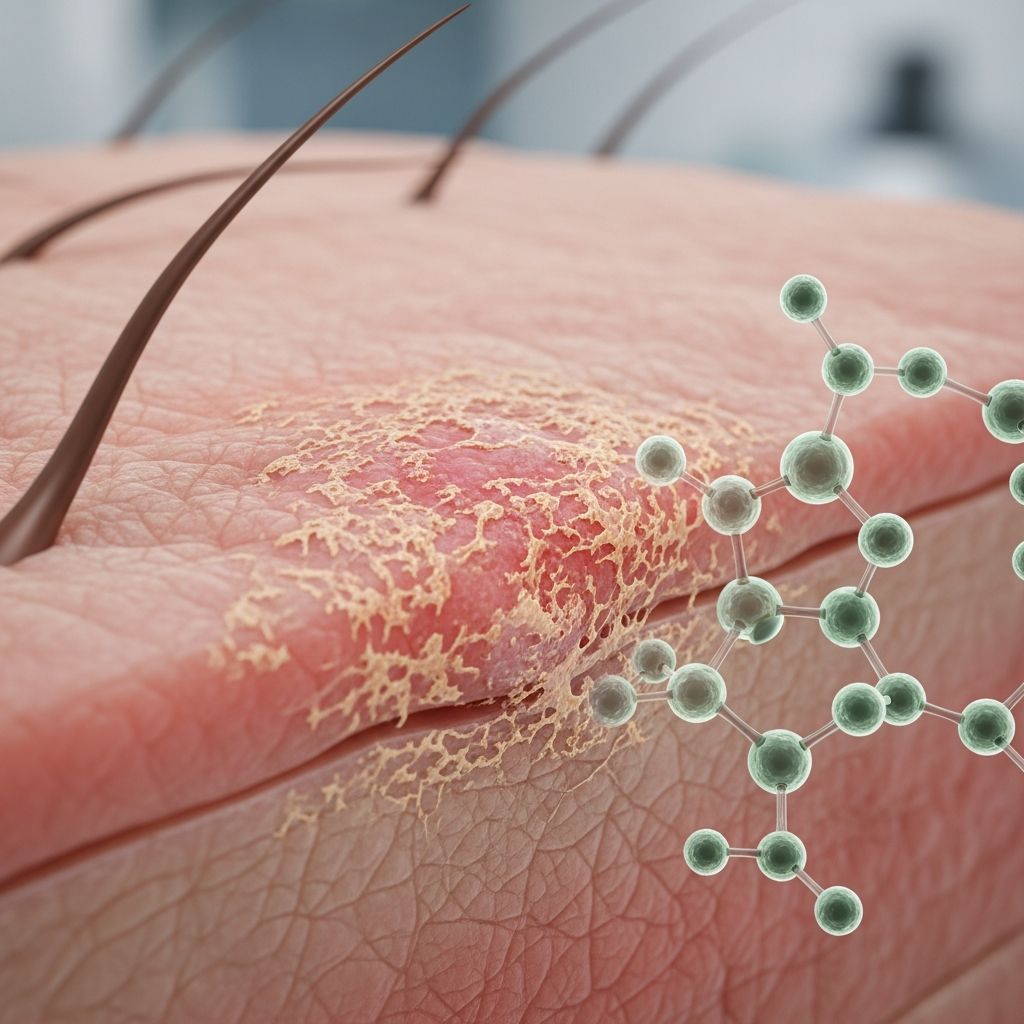
Betamethasone is a
potent topical corticosteroid
widely used to manage flare-ups of severe inflammatory skin conditions like eczema, dermatitis, and psoriasis. It effectively reduces inflammation, itching, and redness, providing symptomatic relief during acute episodes, though it does not cure the underlying condition.About topical betamethasone
| Type of medicine | A potent topical corticosteroid |
|---|---|
| Used for | Inflammatory skin conditions such as severe eczema and dermatitis |
| Also called | Betamethasone valerate; betamethasone dipropionate. Brands include: Audavate ; Betnovate ; Betacap ; Betesil ; Bettamousse ; Diprosone |
Betamethasone belongs to the class of
topical corticosteroids
, commonly known as topical steroids, which are essential adjuncts to moisturizers (emollients) in treating inflammatory dermatoses. These medications are particularly effective when eczema or dermatitis patches flare up, alleviating symptoms by suppressing the inflammatory response in the skin.The primary mechanism of betamethasone involves activating natural anti-inflammatory substances in the skin, which decrease swelling, redness, and pruritus (itching). While not a cure, short-term use can significantly improve quality of life during exacerbations. For psoriasis, brief courses are often prescribed for limited areas like the scalp, palms, or soles, where other treatments may be less practical.
Available formulations cater to different skin needs: creams for moist or weeping areas, ointments for dry skin, lotions for larger or hairy regions, and scalp applications for targeted use. This versatility ensures optimal delivery based on the lesion’s characteristics.
Betamethasone is generally not recommended for children due to higher absorption risks, but dermatologists may prescribe short courses (up to two weeks) in select cases. Combination products exist with antibacterials (e.g., clioquinol, neomycin, fusidic acid) or antifungals (e.g., clotrimazole) for infected skin, limited to twice-daily use for one week. Salicylic acid-enhanced versions improve penetration but are also short-term only.
Recent studies highlight specialized forms like betamethasone valerate medicated plaster (BMVP) for psoriasis and other resistant dermatoses in difficult areas (e.g., elbows, knees). The occlusive plaster enhances penetration, hydrates skin, and prevents scratching, improving compliance. Indications include chronic plaque psoriasis (<5% body surface area), eczema, lichen planus, and more.
How to use betamethasone
Always consult the manufacturer’s leaflet for detailed instructions and side-effect lists before starting.
- Apply a
small amount thinly
to inflamed areas only, massaging gently until absorbed. For scalp applications, use on dry hair and let dry naturally. - Avoid open or infected skin unless using a combination product (e.g., Fucibet or Lotriderm ), which should be applied twice daily for one week maximum.
- Frequency: No more than twice daily; once daily often suffices. Your doctor will specify.
- If using multiple topicals, clarify usage with your doctor or pharmacist.
- Treatment duration: Continue until flare-up resolves (typically 7-14 days), then stop. Do not prolong use or apply to large areas, especially in children.
- If no improvement after 7-14 days or symptoms worsen, seek medical advice promptly.
Emollients should be used alongside betamethasone to maintain skin barrier function and reduce steroid needs. For potent formulations like betamethasone, use on moderate-to-severe conditions on body, hands, arms, or legs with significant inflammation or thickening.
Cautions
Topical corticosteroids require cautious use to avoid complications:
- Avoid broken, infected, or acne-prone skin.
- Do not use under airtight dressings unless directed, as this increases potency and risks.
- Minimize face/eyelid use; discontinue if irritation occurs.
- Protect eyes during application.
- Not for long-term use, large areas, or children routinely.
- Inform your doctor of pregnancy, breastfeeding, or other medications.
Betamethasone dipropionate, a common form, treats corticosteroid-responsive dermatoses topically and can combine with vitamin D analogs like calcipotriene for plaque psoriasis.
Related Stories



Side-effects
Most users experience only mild, transient irritation. Prolonged or improper use heightens risks.
| Common side-effects | What can I do if I experience this? |
|---|---|
| Burning and smarting sensations | These may occur in the first few days but usually get better after this |
| Some mild irritation when applied | This is usually mild and soon passes |
| Rare side-effects | What can I do if I experience this? |
|---|---|
| Thinning of the skin, permanent stretchmarks, allergic contact dermatitis, acne, rosacea, and hair growth at the site of application | These would normally only affect you if you use betamethasone for long periods of time |
Systemic absorption is minimal with proper use but can occur with extensive application, leading to rare adrenal suppression. Discontinue and consult a doctor for severe reactions. BMVP studies report high tolerability with reduced itch and excoriation.
How to store betamethasone
Store below 25 C, away from children. Do not use after expiry. Discard unused portions after treatment.
Frequently Asked Questions
Q: Can betamethasone be used on the face?
Limited use only; avoid prolonged application due to thinning risk. Consult your doctor.
Q: Is betamethasone safe for children?
Short courses occasionally prescribed by specialists; avoid routine use.
Q: How long can I use betamethasone?
Typically 7-14 days; stop when flare-up resolves. Do not exceed without advice.
Q: What if my skin is infected?
Use combination products short-term; see doctor for assessment.
Q: Does betamethasone cure eczema?
No, it relieves symptoms; use with emollients for management.
Q: Can I use betamethasone during pregnancy?
Discuss with your doctor; minimal use advised.
This article expands on standard guidelines, incorporating evidence from clinical sources. Always follow professional medical advice tailored to your condition.
References
- Betamethasone for severe inflammatory skin conditions https://patient.info/medicine/betamethasone-for-severe-inflammatory-skin-conditions-audavate-betnovate-betacap
- Betamethasone: Uses, Interactions, Mechanism of Action https://go.drugbank.com/drugs/DB00443
- Betamethasone Topical: MedlinePlus Drug Information https://medlineplus.gov/druginfo/meds/a682799.html
- Betamethasone cream, ointment and lotion https://healthify.nz/medicines-a-z/b/betamethasone-cream-and-ointment
- Role of betamethasone valerate 2.250 mg medicated plaster https://pmc.ncbi.nlm.nih.gov/articles/PMC6104053/
- Betamethasone topical – Uses, Side Effects https://www.webmd.com/drugs/2/drug-978-724/betamethasone-dipropionate-topical/betamethasone-dipropionate-topical/details
Similar Articles








Read full bio of medha deb