Betamethasone Nose Drops (Betnesol, Vistamethasone)
Comprehensive guide to using betamethasone nose drops for treating nasal inflammation, dosage, side effects, and precautions.
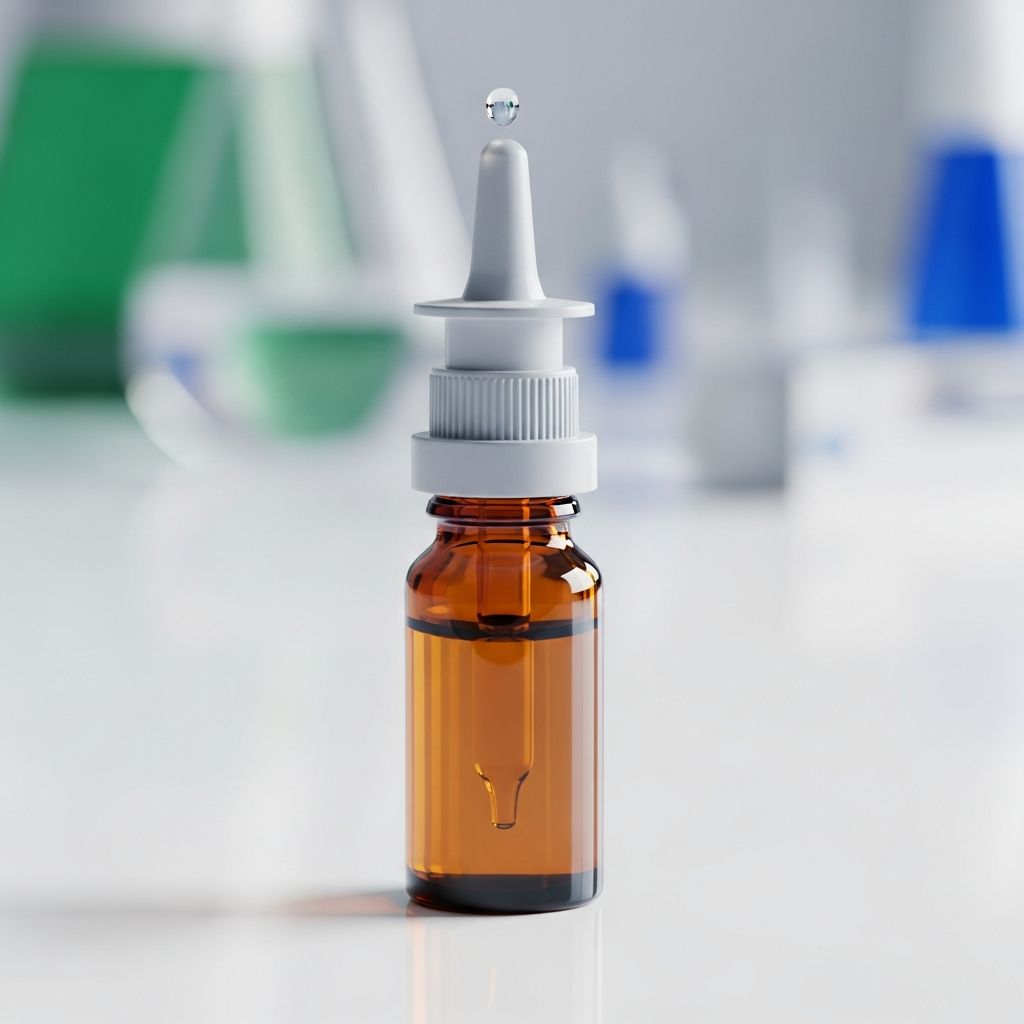
Betamethasone nose drops, available as brands like
Betnesol
andVistamethasone
, are a corticosteroid medication prescribed to treat inflammation in the nose. They help reduce swelling, redness, and irritation associated with various nasal conditions.About betamethasone nose drops
Betamethasone nose drops belong to the class of medications known as
corticosteroids
(often simply called steroids). These drops are specifically formulated for nasal use to address inflammatory conditions in the nose. By reducing inflammation, they alleviate symptoms such as congestion, discomfort, and irritation.| Type of medicine | Corticosteroid nose drops |
|---|---|
| Used for | To treat inflamed nose conditions |
| Also called | Betamethasone sodium phosphate. Brands include: Betnesol®; Vistamethasone® |
| Available as | Drops |
Inflammatory nose conditions that betamethasone treats include allergic rhinitis, hay fever symptoms, or other non-infectious inflammations causing swelling inside the nostrils. Unlike antibiotic drops, these are purely anti-inflammatory and should not be used for bacterial infections unless combined with appropriate antimicrobials.
Corticosteroids like betamethasone work by mimicking the body’s natural hormones to dampen the immune response in the nasal passages, thereby decreasing mucus production and swelling. This leads to improved breathing and reduced discomfort, often noticeable within a few days of regular use.
Before using betamethasone nose drops
Before starting betamethasone nose drops, consult your doctor to ensure it’s suitable for your condition. Provide a full medical history, as certain factors may contraindicate its use.
- Allergic reactions: Inform your doctor if you’ve ever had an allergic reaction to betamethasone, other corticosteroids, or any ingredients in the drops.
- Nasal infections: Do not use if you suspect or have a confirmed infection in your nose, such as bacterial, fungal, or viral, unless advised otherwise. Untreated infections can worsen.
- Recent nasal surgery: Avoid use soon after nasal surgery until fully healed, as steroids may delay healing or increase infection risk.
- Tuberculosis (TB): If you have active pulmonary TB or nasal TB, steroids are contraindicated.
- Pregnancy or breastfeeding: Discuss risks; while systemic absorption is minimal, inform your doctor if pregnant, planning pregnancy, or breastfeeding.
- Children and growth: Prolonged use in children may affect growth; use only as directed.
- Other conditions: Mention glaucoma, herpes infections, or recent corticosteroid use, especially if for eyes or ears.
Always read the patient information leaflet (PIL) provided with the medicine for a complete list of warnings.
How to use betamethasone nose drops
Follow your doctor’s instructions precisely. The standard dosage is
2-3 drops in each nostril twice daily
, but it may vary based on severity.- Prepare: Wash your hands thoroughly. Blow your nose gently to clear nostrils.
- Position: Lie down or tilt your head backward over a sink.
- Administer: Shake the bottle if required. Insert the dropper nozzle into one nostril (avoid touching inside to prevent contamination). Squeeze 2-3 drops into the nostril.
- Retain: Stay in position for 2 minutes, sniffing gently to allow drops to coat nasal passages. Avoid immediate upright position to prevent drainage into throat.
- Repeat: Do the same for the other nostril.
- Finish: Wipe nozzle, replace cap tightly. Do not share the bottle.
For best results, use at regular intervals. Drops take a few days to fully work; do not stop early without advice.
Getting the most from your treatment
- Duration: Limit use to
one week
unless your doctor specifies longer (up to 6-8 weeks in some cases). Prolonged use increases side effect risks. - Hygiene: Keep the bottle clean; discard after course or expiry.
- No sharing: Personal use only to avoid cross-infection.
- Combination therapy: May be used with saline rinses or antihistamines for allergies, as advised.
- Miss a dose? Use as soon as remembered unless near next dose; do not double up.
- Storage: Store below 25°C, away from children.
Related Stories



Can betamethasone nose drops cause problems?
Most people tolerate betamethasone well when used short-term. Side effects are usually mild and local.
Common side effects
- Nasal irritation, dryness, or burning sensation (temporary).
- Sneezing, nosebleeds, or runny nose.
- Headache, light-headedness, or altered smell/taste.
- Throat irritation if drops drain backward.
Rare but serious side effects
- Allergic reactions: Rash, swelling, breathing difficulty—seek immediate help.
- Infection worsening: Masked symptoms leading to spread.
- Perforated nasal septum: With prolonged high-dose use.
- Systemic effects: Rare due to low absorption, but possible with overuse: weight gain, Cushing’s features.
- In children: Growth suppression.
Report persistent or worsening symptoms to your doctor. If no improvement after 7 days, reassess.
How to cope with side effects of betamethasone nose drops
- Irritation/dryness: Use a saline spray alongside; moisturize nasal passages.
- Nosebleeds: Stop use, pinch nostrils, apply ice; consult if recurrent.
- Altered smell/taste: Usually resolves post-treatment.
- Headache: Rest, hydrate; paracetamol if needed (check with pharmacist).
FAQs
Can I use betamethasone nose drops long-term?
No, typically not beyond 1 week without medical supervision to avoid complications like septal perforation or growth issues in kids.
Are betamethasone nose drops safe during pregnancy?
Consult your doctor; minimal absorption but use only if benefits outweigh risks.
What if I forget a dose?
Take as soon as possible; skip if near next dose. Never double.
Can children use these drops?
Only under doctor guidance; monitor for growth effects with prolonged use.
Do they work immediately?
No, full effect in a few days; consistent use is key.
References
- Betamethasone nose drops (Betnesol, Vistamethasone) — Patient.info. 2022-09-12. https://patient.info/medicine/betamethasone-nose-drops-betnesol-vistamethasone
- Betamethasone 0.1% w/v Drops Patient Information Leaflet — medicines.org.uk. N/A. https://www.medicines.org.uk/emc/files/pil.3395.pdf
- How and when to use betamethasone for eyes, ears and nose — NHS.uk. N/A. https://www.nhs.uk/medicines/betamethasone-eyes-ears-and-nose/how-and-when-to-use-betamethasone-for-eyes-ears-and-nose/
- Patient Information Leaflet Betnesol-N Eye, Ear and Nose Drops — SAHPRA. 2022-10-21. https://pi-pil-repository.sahpra.org.za/wp-content/uploads/2024/03/Patient-information-leaflet-Betnesol-N-.pdf
- About betamethasone for eyes, ears and nose — NHS.uk. N/A. https://www.nhs.uk/medicines/betamethasone-eyes-ears-and-nose/about-betamethasone-for-eyes-ears-and-nose/
- Betnesol 0.1% w/v Eye, Ear & Nasal Drops — HPRA.ie. N/A. https://assets.hpra.ie/products/Human/28874/34717083-5b35-4db4-8ba8-91d269670e9e.pdf
Similar Articles








Read full bio of medha deb