Bexarotene Capsules (Targretin): Uses, Dosage, Side Effects
Complete guide to Bexarotene (Targretin) capsules: indications, dosing, side effects, and safety information.
What is Bexarotene (Targretin)?
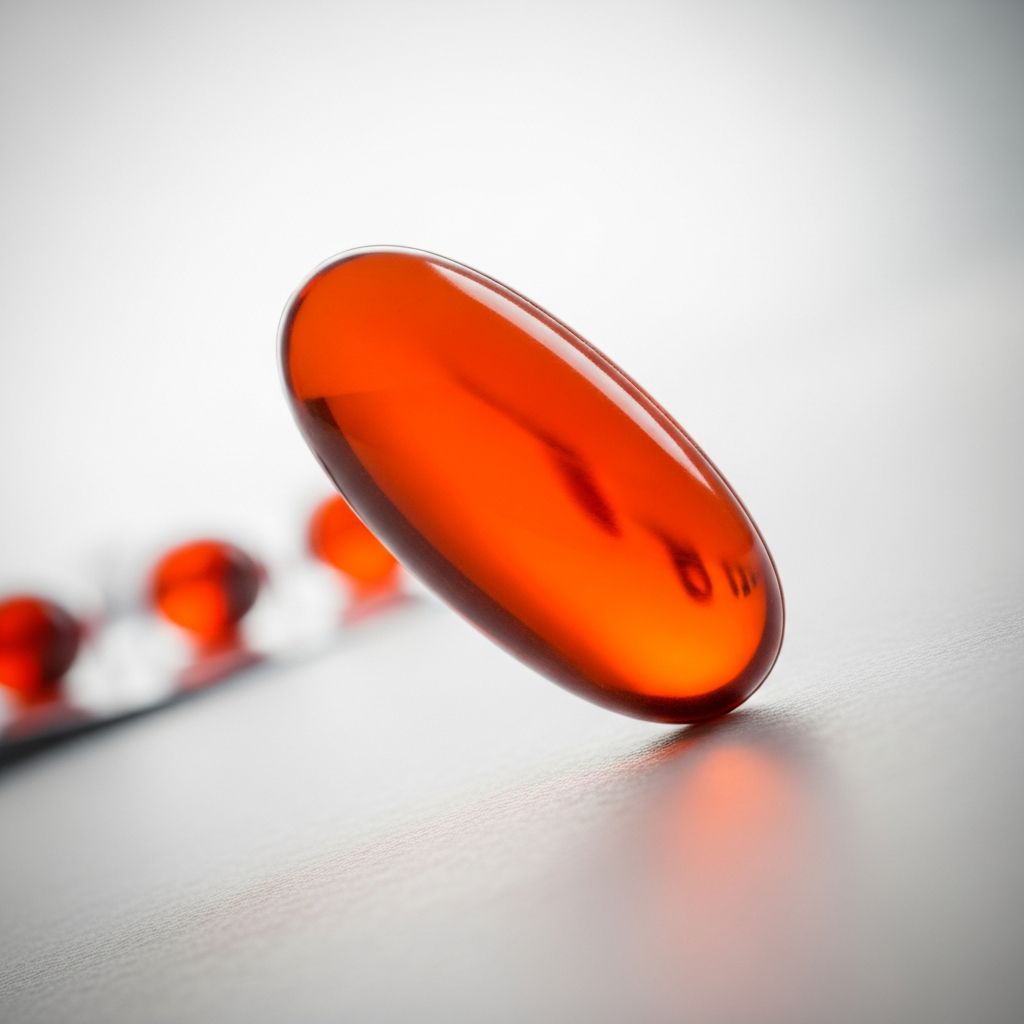
Bexarotene, marketed under the brand name Targretin, is a prescription retinoid medication used to treat cutaneous T-cell lymphoma (CTCL), a rare type of blood cancer that primarily affects the skin. This medication belongs to a class of drugs known as retinoids, which work by interfering with the growth and differentiation of cancerous cells. Bexarotene specifically activates a type of retinoid receptor called RXR, which helps slow or stop the progression of cancer cell growth. The medication is available in multiple formulations, including oral capsules and topical gel, each designed for different stages and presentations of the disease.
Indications and Usage
Bexarotene capsules are specifically indicated for treating the cutaneous manifestations of cutaneous T-cell lymphoma in patients who have proven refractory to at least one prior systemic therapy. This means the medication is prescribed for patients whose disease has not responded adequately to or has stopped responding to previous treatments. The drug is intended for advanced skin lymphomas where conventional therapies have failed or were not tolerated.
Additionally, Targretin gel is available for topical treatment of cutaneous lesions in patients with early-stage CTCL (Stage 1A and 1B) who have refractory or persistent disease after other therapies or who have not tolerated other treatments.
How Bexarotene Works
Bexarotene functions as a retinoid by targeting specific molecular pathways within cancer cells. The medication activates the RXR retinoid receptor, which influences both the growth and differentiation of cancerous T-cells. By modulating these cellular processes, bexarotene helps to slow tumor progression and can lead to clinical improvement in skin manifestations of CTCL. This mechanism of action is distinct from traditional chemotherapy agents and represents a targeted approach to managing this challenging malignancy.
Dosage and Administration
The dosage of bexarotene capsules is highly individualized and must be determined by your doctor based on your body surface area. The standard initial dose is typically 300 milligrams per square meter of body surface area (mg/m²) taken once daily with a meal. However, clinical experience has shown that some patients require dose adjustments. During the initial clinical trials, higher starting doses of 650 mg/m² and 500 mg/m² were found to be poorly tolerated, leading to the establishment of 300 mg/m² as the standard starting dose.
Administration Instructions:
- Take bexarotene capsules exactly as prescribed by your doctor
- Swallow each capsule whole with water
- Take the medication at the same time every day
- Always take it with food or a meal to improve absorption
- Do not use more or less than the prescribed amount
- If you miss a dose, take it as soon as possible unless it is almost time for your next dose, in which case skip the missed dose
- Continue taking the medication unless your healthcare provider instructs you to stop
Your doctor may adjust your dose based on how well you tolerate the medication and your response to treatment. Dose reductions may be necessary if you experience significant side effects or elevated triglyceride levels during treatment.
Important Precautions and Contraindications
Bexarotene capsules are contraindicated in certain populations and conditions:
- Pregnant women or those planning to become pregnant—this medication can cause serious birth defects
- Patients with known hypersensitivity or allergy to bexarotene or any ingredients in the formulation
- Patients with uncontrolled high cholesterol
- Patients with uncontrolled Type 2 diabetes mellitus
- Patients with severe gallbladder or biliary tract problems
- Patients with a history of pancreatitis or current pancreatitis
- Patients taking other medications that increase triglyceride levels or are toxic to the pancreas
Related Stories



Pregnancy and Fertility: Bexarotene is a potent teratogen and is strictly contraindicated during pregnancy. If you are a woman of childbearing potential, you must use effective contraception during treatment and for at least one month after your last dose. Men should also consult their healthcare provider regarding reproductive concerns.
Side Effects and Adverse Reactions
Like all medications, bexarotene can cause side effects. The frequency and severity of adverse events often depend on the dose used, with higher doses generally producing more frequent side effects.
Most Common Side Effects (occurring in at least 10% of patients at standard doses):
- Headache
- Asthenia (general weakness or fatigue)
- Rash
- Nausea
- Infection
- Abdominal pain
- Peripheral edema (swelling of hands, feet, or legs)
- Dry skin
Less Common but Serious Side Effects:
- Elevated triglyceride levels (reported in approximately 70% of patients receiving initial doses of 300 mg/m²/day or higher, with about 55% experiencing levels above 800 mg/dL)
- Thyroid problems, sometimes severe
- Low white blood cell count (neutropenia or leukopenia)
- New or worsening cataracts
- Pancreatitis (inflammation of the pancreas)
- Liver function test abnormalities
- Diarrhea
- Hypothyroidism
- Anemia
- Severe stomach pain with nausea or vomiting
- Shortness of breath
- Yellow eyes or skin (indicating liver problems)
Most adverse events occurred at significantly higher incidence in patients treated with starting doses greater than 300 mg/m²/day. Liver function test elevation was reported in 5% of patients receiving 300 mg/m²/day but increased to 7-9% in those receiving higher initial doses.
Laboratory Monitoring Requirements
Because bexarotene can affect multiple organ systems, regular laboratory monitoring is essential during treatment:
- Lipid Panel (Triglycerides and Cholesterol): Check before starting treatment and regularly during therapy. Fasting triglycerides should be monitored closely, with attempts to maintain levels below 400 mg/dL to reduce pancreatitis risk.
- Liver Function Tests (LFTs): Baseline testing before treatment initiation, then at least every eight weeks during treatment. If SGOT/AST, SGPT/ALT, or bilirubin levels exceed three times the upper limit of normal, suspension or discontinuation of bexarotene should be considered.
- Thyroid Function (TSH): Baseline testing and periodic monitoring throughout treatment, as thyroid problems are common
- Complete Blood Count (CBC): Regular monitoring for white blood cell counts and anemia
- Blood Glucose: Especially in patients with diabetes, as there is a risk of low blood sugar
If any laboratory abnormalities are detected, your doctor may recommend dose reductions, additional medications, or discontinuation of bexarotene depending on the severity and type of abnormality.
Drug Interactions
Bexarotene may interact with various medications, including those that affect triglyceride levels, liver function, or pancreatic function. Inform your healthcare provider about all medications you are currently taking, including over-the-counter drugs, supplements, and herbal products. Your doctor will determine if any dose adjustments or monitoring modifications are necessary.
Important Safety Information
Photosensitivity: Patients should minimize exposure to sunlight and artificial ultraviolet light while receiving bexarotene capsules, as the medication may increase sensitivity to sun exposure.
Pancreatitis Risk: Elevated triglyceride levels significantly increase the risk of pancreatitis. If you experience severe abdominal pain, particularly with nausea or vomiting, seek immediate medical attention. Antilipemic therapy should be instituted if fasting triglycerides are elevated, and dose adjustments may be necessary.
Hepatotoxicity: Regular liver function monitoring is crucial, as bexarotene can cause liver damage. Patients with cholestasis or significant liver function abnormalities may require dose reduction or discontinuation.
Fertility and Breast-feeding: The effects of bexarotene on breast-feeding are not fully established. Consult with your healthcare provider before breast-feeding while taking this medication. Women of childbearing age should use reliable contraception during and after treatment.
Frequently Asked Questions
Q: How long does it take for bexarotene to work?
A: The timeframe for therapeutic response varies among patients. Some patients may show improvement within weeks, while others may require several months of treatment. Your doctor will assess your response through regular clinical evaluations and may adjust your dose accordingly. Consistent adherence to the prescribed regimen is essential for achieving optimal results.
Q: Can bexarotene cure cutaneous T-cell lymphoma?
A: Bexarotene is used to treat and manage cutaneous manifestations of CTCL, helping to slow disease progression and improve skin symptoms. While it can produce significant clinical responses, CTCL is a chronic condition that may require long-term management. Your oncologist will discuss realistic treatment goals and outcomes specific to your situation.
Q: What should I do if I experience severe side effects?
A: Contact your healthcare provider immediately if you experience severe side effects such as severe abdominal pain, shortness of breath, yellowing of the eyes or skin, or any symptoms of pancreatitis. Do not stop taking the medication without consulting your doctor, as they may recommend dose adjustments rather than discontinuation.
Q: Is bexarotene covered by insurance?
A: Coverage varies by insurance plan. Contact your insurance provider to determine coverage details. Your healthcare provider’s office may also assist with prior authorization requests or help identify patient assistance programs if needed.
Q: Can I take bexarotene with other cancer treatments?
A: Bexarotene may be used as monotherapy or in combination with other treatments, depending on your specific diagnosis and clinical situation. Your oncologist will determine the most appropriate treatment approach based on your individual case.
Q: What dietary considerations should I follow while taking bexarotene?
A: Always take bexarotene with food or a meal to optimize absorption. If you have elevated cholesterol or triglyceride levels, your doctor may recommend dietary modifications such as reducing fat intake and increasing fiber. Consult with a registered dietitian for personalized nutritional guidance.
When to Seek Medical Attention
Contact your healthcare provider or seek emergency care if you experience:
- Severe or persistent abdominal pain with nausea or vomiting
- Significant shortness of breath or chest pain
- Yellowing of the skin or eyes
- Unexplained bruising or bleeding
- Severe headache or vision changes
- Signs of infection (fever, chills)
- Severe allergic reactions (rash, swelling, difficulty breathing)
Conclusion
Bexarotene (Targretin) capsules represent an important treatment option for patients with cutaneous T-cell lymphoma who have not responded to prior therapies. While the medication can effectively manage skin manifestations of CTCL, it requires careful monitoring and close collaboration with your healthcare team. Understanding the proper dosage, potential side effects, laboratory monitoring requirements, and safety precautions is essential for maximizing therapeutic benefits while minimizing risks. Always take the medication exactly as prescribed, maintain regular medical appointments for laboratory testing and clinical evaluation, and report any concerning symptoms promptly to your healthcare provider.
References
- Targretin (bexarotene) Capsules, 75 mg – Full Prescribing Information — U.S. Food and Drug Administration. 2011-08-18. https://www.accessdata.fda.gov/drugsatfda_docs/label/2011/021055s006lbl.pdf
- Bexarotene (Oral Route) – Side Effects & Dosage — Mayo Clinic. 2024. https://www.mayoclinic.org/drugs-supplements/bexarotene-oral-route/description/drg-20067969
- Bexarotene – How to Use Targretin Capsules — Targretin Official Resources. 2024. https://www.targretin.com/siteassets/pdf/HowToUseTargretinCapsules.pdf
- Bexarotene Capsules: Uses & Side Effects — Cleveland Clinic. 2024. https://my.clevelandclinic.org/health/drugs/18698-bexarotene-capsules
- Bexarotene — Cutaneous Lymphoma Foundation. 2024. https://www.clfoundation.org/bexarotene
- Bexarotene (Targretin) – Cancer Information — Cancer Research UK. 2024. https://www.cancerresearchuk.org/about-cancer/treatment/drugs/bexarotene
Similar Articles








Read full bio of medha deb