Beyond the Chest Cold: Serious Lung Risks
Discover how a simple chest cold can signal bronchitis or pneumonia, and learn vital signs to seek urgent medical care.
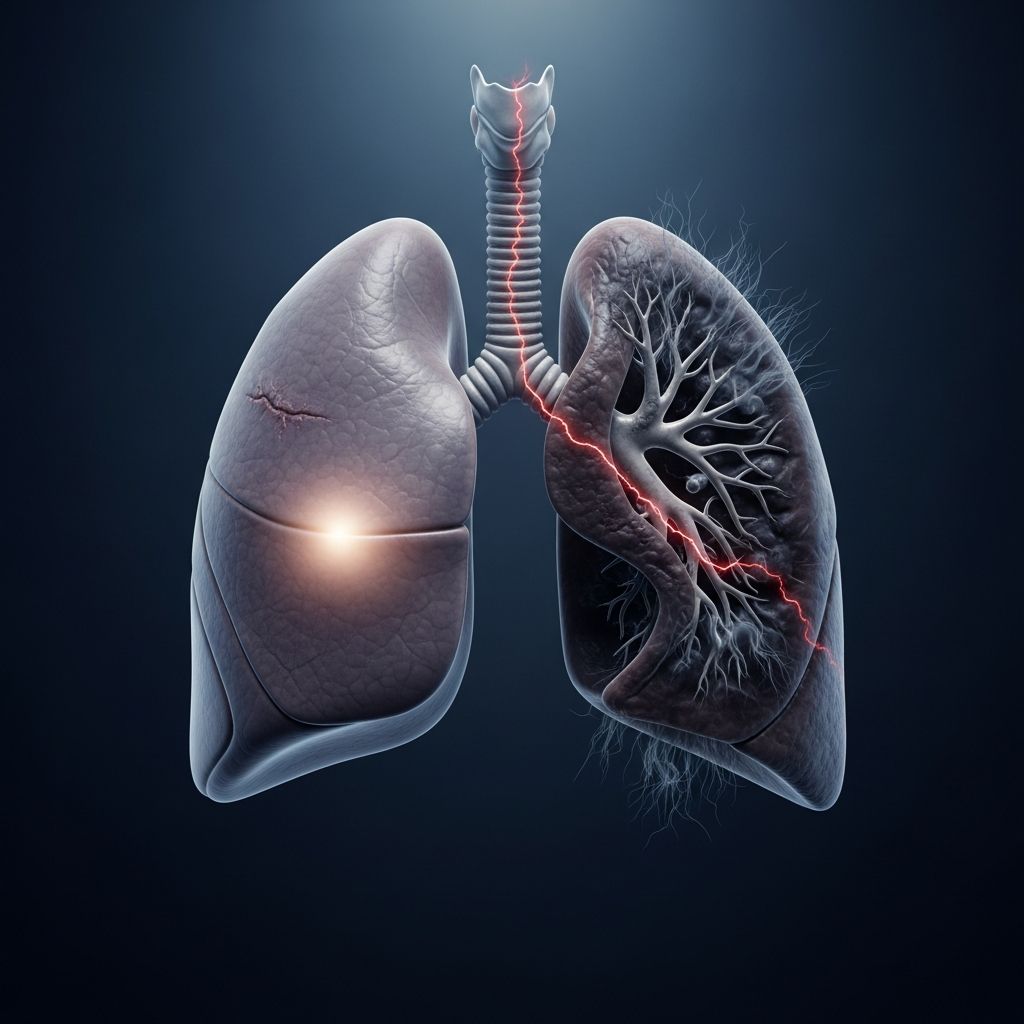
A common chest cold often starts with familiar symptoms like a nagging cough and mild congestion, but it can sometimes evolve into more threatening respiratory issues. Understanding the progression from a simple viral infection to conditions such as bronchitis or pneumonia is crucial for timely intervention and preventing complications.
Recognizing the Onset of Respiratory Distress
Respiratory infections begin innocently enough, mimicking the everyday cold that affects millions annually. However, certain indicators reveal when a chest cold crosses into dangerous territory. Persistent coughing that produces mucus, combined with fatigue, signals inflammation in the airways.
Early detection hinges on monitoring symptom intensity. A mild cough might resolve with rest, but if it deepens or accompanies wheezing, it warrants closer attention. Factors like age, underlying health conditions, and exposure to irritants play significant roles in how these infections manifest.
- Cough evolution: From dry to productive with colored phlegm.
- Breathing changes: Increased effort or shallow breaths.
- Systemic signs: Rising body temperature or unexplained chills.
Chest Cold Fundamentals: What Happens in Your Airways
A chest cold, medically termed acute bronchitis in many cases, involves irritation of the bronchial tubes—the tubes connecting your windpipe to the lungs. Viruses are the primary culprits, leading to swelling and excess mucus production. This creates the hallmark wet cough that disrupts daily life.
Typically lasting 1-3 weeks, most cases self-resolve without intervention. Supportive measures like hydration, humidified air, and over-the-counter remedies ease discomfort. Yet, in vulnerable groups such as young children, seniors, or those with weakened immunity, vigilance is essential to catch escalations early.
Symptoms often peak within days: runny nose transitions to chest congestion, mild fever hovers around 100°F, and fatigue sets in. Unlike upper respiratory colds, the discomfort localizes deeper, feeling like a weight on the chest.
When Bronchitis Takes Hold: Key Indicators
Bronchitis amplifies chest cold symptoms, centering on prolonged airway inflammation. Acute bronchitis follows viral upper respiratory infections about 90% of the time, producing a cough that lingers even after other signs fade. This cough, often mucus-laden, can persist for weeks as inflamed tissues heal slowly.
Distinguishing features include wheezing during exhalation and slight chest tightness without sharp pain. Low-grade fevers and sore throat may accompany, but severe shortness of breath remains uncommon unless chronic factors like smoking are involved.
| Symptom | Chest Cold | Bronchitis |
|---|---|---|
| Cough Duration | Up to 10 days | 2-8 weeks |
| Mucus | Clear/thin | Thick/yellow |
| Fever | Mild (<100°F) | Low-grade |
| Breathing | Normal | Wheezing possible |
This table highlights progression patterns, aiding self-assessment.
Pneumonia: The Lung Infection Alarm
Pneumonia represents a severe leap, where pathogens invade the lung’s air sacs, filling them with fluid or pus. Bacterial causes demand antibiotics, while viral forms may require supportive care. Symptoms intensify rapidly: high fevers exceeding 101°F, shaking chills, and stabbing chest pain on inhalation mark its presence.
Related Stories



Unlike bronchitis, pneumonia often spares the upper airways, hitting lungs directly. Shortness of breath occurs even at rest, rapid breathing ensues, and confusion may arise in older adults. Productive cough yields rusty or green sputum, signaling deeper infection.
High-risk groups face graver threats: infants under 2, adults over 65, and those with chronic illnesses like COPD or heart disease. Prompt diagnosis via chest X-ray or exam prevents hospitalization.
Critical Warning Signs Demanding Immediate Action
Not all chest symptoms signal doom, but red flags necessitate professional evaluation. Watch for rapid worsening: cough producing blood-tinged mucus, unrelenting high fever, or chest pain mimicking a heart attack.
- Difficulty breathing that disrupts sleep or activity.
- Blue lips or nails from oxygen deprivation.
- Extreme lethargy or disorientation.
- Symptoms persisting beyond 10 days without improvement.
Chest tightness evolving to sharp pain, especially with deep breaths, differentiates pneumonia from milder issues. Chills alternating with sweats further elevate concern.
High-Risk Populations and Preventive Strategies
Certain individuals face amplified dangers. Smokers’ damaged airways invite chronic bronchitis, easing pneumonia entry. Immunocompromised patients, from chemotherapy to diabetes, struggle against infections.
Prevention fortifies defenses: annual flu shots curb viral triggers, pneumococcal vaccines shield against bacterial pneumonia, and hand hygiene halts spread. Quitting smoking slashes risk dramatically, while avoiding sick contacts during peak seasons helps.
Seasonal upticks in fall/winter heighten vigilance. Early antiviral treatments for flu can avert bronchitis progression.
Diagnostic Approaches: From Exam to Imaging
Healthcare providers start with history and physical: listening for crackles or wheezes via stethoscope. Pulse oximetry gauges oxygen levels; below 92% prompts urgency.
Chest X-rays confirm pneumonia by revealing lung infiltrates, absent in bronchitis. Blood tests detect bacterial markers, sputum cultures identify pathogens. For ambiguous cases, CT scans provide detail.
Treatment Pathways Tailored to Severity
Chest colds and viral bronchitis rely on symptom relief: rest, fluids, expectorants, and humidifiers. Antibiotics prove futile against viruses, risking resistance.
Bacterial pneumonia demands targeted antibiotics, often oral for outpatients, IV for hospitalized cases. Oxygen therapy, hydration, and fever reducers support recovery. Severe instances may require ventilatory aid.
Follow-up ensures clearance, especially in at-risk patients. Lifestyle tweaks post-recovery bolster lung resilience.
FAQs: Common Concerns Addressed
Can a chest cold turn into pneumonia without warning?
Progression often builds gradually, but weakened immunity accelerates it. Monitor for fever spikes and breathlessness.
How long should I wait before seeing a doctor for cough?
Seek care if cough lasts over 10 days, worsens, or adds severe symptoms. Earlier for high-risk individuals.
Is bronchitis contagious like a cold?
Yes, if viral; spread via droplets. Isolate during peak symptoms.
Do antibiotics help chest colds?
No, as most are viral. Use only if bacterial confirmed.
What home remedies soothe bronchitis cough?
Honey, steam inhalation, and hydration provide relief without meds.
Lifestyle Tips for Stronger Lungs
Beyond acute episodes, nurture lung health daily. Aerobic exercise enhances capacity, balanced nutrition fuels immunity, and pollution avoidance preserves airways. Regular check-ups catch chronic issues early.
Word count: 1678 (excluding metadata and references).
References
- Is It Bronchitis Or Pneumonia? — Franciscan Health. 2023. https://www.franciscanhealth.org/community/blog/bronchitis-vs-pneumonia
- How to tell the difference between bronchitis and pneumonia — UCHealth Today. 2024. https://www.uchealth.org/today/bronchitis-or-pneumonia-how-to-tell-the-difference/
- When Does a Cold Become Something More Serious Like Pneumonia? — Express ER Waco. 2024. https://expresserwaco.com/blog/when-does-a-cold-become-something-more-serious-like-pneumonia/
- Bronchitis or Pneumonia? How to Tell the Difference — Covenant Health. 2023. https://www.covenanthealth.com/blog/bronchitis-or-pneumonia-how-to-tell-the-difference/
- Understanding the Differences Between Flu, Bronchitis, Pneumonia, RSV and the Common Cold — Halifax Health. 2024. https://halifaxhealth.org/understanding-the-differences-between-flu-bronchitis-pneumonia-rsv-and-the-common-cold-a-pulmonologists-perspective
- Is It Bronchitis or Pneumonia? — WebMD. 2025. https://www.webmd.com/lung/is-it-bronchitis-or-pneumonia
Similar Articles








Read full bio of medha deb