Bezafibrate for hyperlipidaemia (Bezalip)
Comprehensive guide to Bezafibrate (Bezalip): uses, dosage, side effects, and management of high blood lipids.
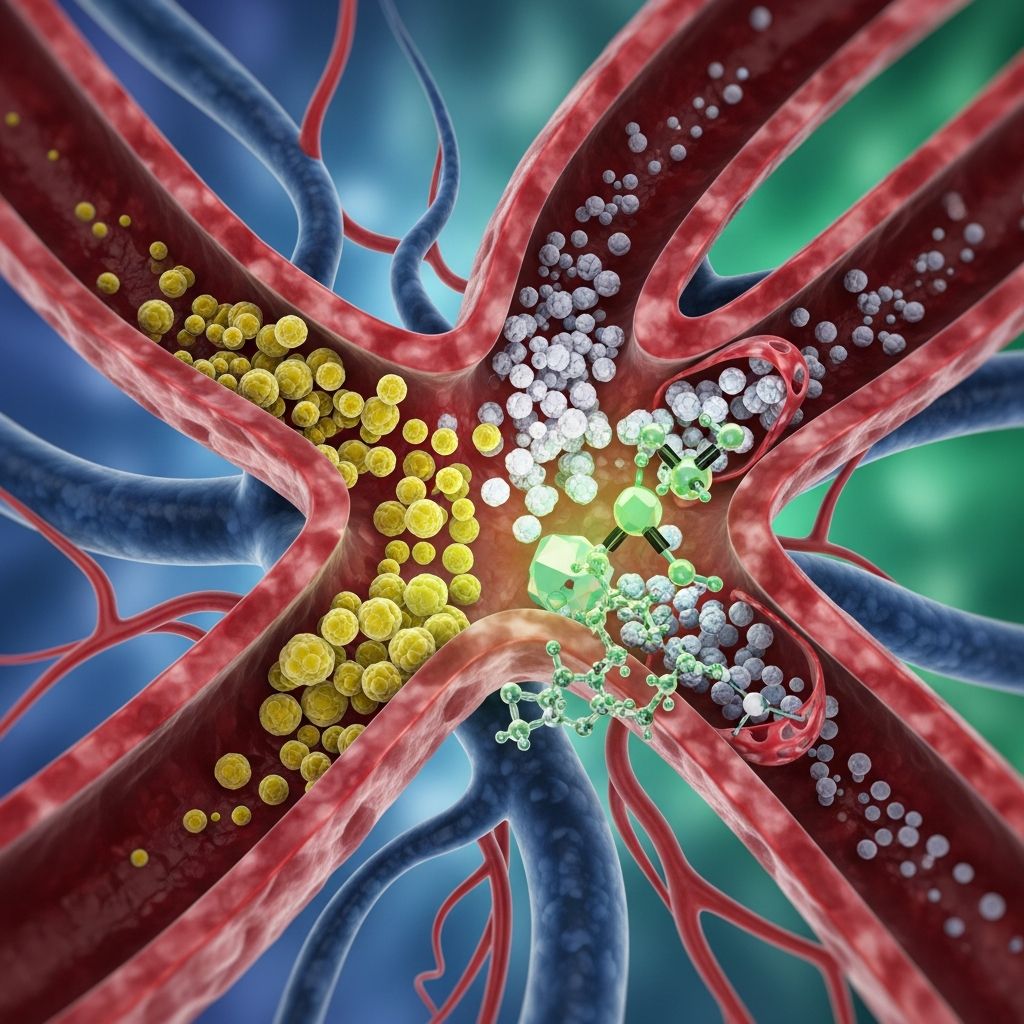
Bezafibrate is a lipid-lowering medication from the fibrate class, primarily used to manage hyperlipidaemia—a condition characterized by elevated levels of fats like cholesterol and triglycerides in the blood. Marketed as Bezalip, it is indicated for primary hyperlipidaemias (types IIa, IIb, III, IV, V per Fredrickson classification) and secondary forms when diet, exercise, or underlying condition corrections fail to normalize lipids.
About bezafibrate tablets
Bezafibrate tablets, such as Bezalip, come in standard 200 mg doses or sustained-release 400 mg formulations (Bezalip SR). They are taken orally, with standard tablets three times daily and SR once daily. The medication activates peroxisome proliferator-activated receptors (PPAR-α), enhancing lipid metabolism by increasing lipoprotein lipase activity, reducing VLDL secretion, and boosting HDL levels.
High lipid levels often cause no immediate symptoms but raise risks of atherosclerosis, heart attacks, strokes, and peripheral artery disease. Bezafibrate lowers triglycerides (up to 50%), LDL cholesterol (up to 20-40%), and elevates HDL (up to 20-35%), while also reducing fibrinogen and improving glucose tolerance in diabetics.
Key facts
- Drug class: Fibrate (antilipemic agent).
- Common brands: Bezalip, Bezalip SR.
- Dosage forms: 200 mg tablets (immediate-release), 400 mg prolonged-release capsules/tablets.
- Treatment role: Adjunct to diet/exercise for severe hypertriglyceridaemia or mixed dyslipidaemia; alternative when statins are unsuitable.
- Onset: Lipid reductions visible within 2-4 weeks; sustained over years.
- Pregnancy: Avoid (category B3); not recommended during breastfeeding.
About hyperlipidaemia
Hyperlipidaemia involves excess blood lipids, primarily triglycerides and cholesterol.
Primary
forms stem from genetic defects (e.g., Fredrickson types IIa-IIb: high LDL; IV-V: high triglycerides).Secondary
arises from diabetes, hypothyroidism, nephrotic syndrome, or obesity.Untreated, it promotes plaque buildup in arteries (atherosclerosis), leading to coronary heart disease, stroke, or pancreatitis in severe hypertriglyceridaemia. Diagnosis via fasting lipid profile: total cholesterol >5 mmol/L, LDL >3 mmol/L, triglycerides >1.7 mmol/L, HDL <1 mmol/L (men) or <1.3 mmol/L (women).
Lifestyle first: low-fat diet, weight loss, exercise (150 min/week moderate activity). If lipids remain high, pharmacotherapy like bezafibrate is added, especially for triglycerides >10 mmol/L risking pancreatitis.
How bezafibrate works
Bezafibrate lowers lipids via PPAR-α agonism, mimicking fibrates like fenofibrate but with broader effects. Key mechanisms:
- Increases
lipoprotein lipase
and hepatic lipase, accelerating triglyceride-rich lipoprotein (VLDL, chylomicrons) breakdown. - Reduces hepatic VLDL production and cholesterol synthesis (inhibits HMG-CoA reductase).
- Boosts LDL receptor activity, enhancing LDL clearance.
- Raises
HDL
by promoting precursor formation from triglyceride degradation. - Anti-thrombotic: lowers fibrinogen, blood viscosity, platelet aggregation; improves insulin sensitivity.
Clinical data: In type IIa/IIb/IV patients, 400 mg daily reduces triglycerides 25-55%, cholesterol 5-40%, increases HDL 6-35%. Long-term (42 weeks), lowers Lp(a). In metabolic syndrome, reduces cardiovascular mortality.
How and when to take bezafibrate
Follow prescribed regimen strictly. Standard advice:
- Immediate-release (200 mg): 1 tablet three times daily, swallowed whole with water, during meals.
- SR (400 mg): 1 capsule/tablet once daily, with evening meal.
- Adjust for renal impairment: halve dose if creatinine clearance 40-60 mL/min; avoid if <40 mL/min.
- Miss a dose? Take ASAP unless near next; never double.
- Store below 25°C, away from moisture.
Related Stories



| Parameter | Reduction/Increase |
|---|---|
| Triglycerides | 25-55% |
| Total Cholesterol | 5-40% |
| LDL-Cholesterol | 10-20% |
| HDL-Cholesterol | +6-35% |
| VLDL | >50% |
Dosage
Adults: 400 mg SR once daily or 200 mg three times daily. Hepatic impairment: use cautiously. Elderly: no adjustment unless renal issues. Children: not recommended.
Monitor lipids 2-3 months post-initiation; adjust or discontinue if no response. Combine with statins only under specialist supervision due to myopathy risk.
How to take it with other medicines
- Statins (e.g., atorvastatin): Increased rhabdomyolysis risk; monitor CK levels.
- Anticoagulants (warfarin): Potentiates effect; reduce dose 1/3, monitor INR.
- Bile acid sequestrants (colestipol): Separate by 2 hours; reduced absorption.
- Oral contraceptives/estrogens: May raise lipids; monitor.
- CYP2C8 substrates (repaglinide): Increased exposure; caution.
Inform doctor of all medications, including supplements.
Common questions about bezafibrate
How long to take bezafibrate?
Lifelong if lipids uncontrolled by lifestyle; regular monitoring allows discontinuation if targets met.
Can you drink alcohol with bezafibrate?
Limit alcohol; it raises triglycerides, countering benefits.
Does bezafibrate cause weight gain?
No; may aid weight management via lipid effects.
Bezafibrate vs fenofibrate?
Similar efficacy; bezafibrate broader PPAR agonism, better HDL rise in some.
Side-effects
Most tolerate well; side effects often mild/transient. Report persistent/severe issues.
| Frequency | Effects |
|---|---|
| Common (>1/100) | Indigestion, nausea, headache, dizziness, skin rash, muscle cramps. |
| Uncommon | Abdominal pain, diarrhoea, fatigue, hair loss. |
| Rare/Serious | Gallstones, myopathy/rhabdomyolysis (esp. with statins), pancreatitis, hypersensitivity (rash, fever), renal impairment. |
Seek urgent care for muscle pain/weakness, dark urine, jaundice, severe allergy.
Pregnancy and breastfeeding
Not recommended in pregnancy due to limited data; potential fetal harm. Effective contraception advised. Excreted in breast milk; avoid breastfeeding or discontinue drug.
Other medicines, food and drink, cannabis
Food: Take with meals to reduce GI upset/enhance absorption.
Grapefruit: No interaction.
Cannabis: Limited data; may affect lipids—discuss with doctor.
Common side effects
- Stomach upset (take with food).
- Headache (rest, hydrate).
- Rash (monitor; seek advice if worsens).
Serious side effects
- Muscle pain/weakness (rhabdomyolysis risk).
- Yellowing skin/eyes (liver issues).
- Swelling/pain in gall area (cholelithiasis).
- Bleeding/bruising (anticoagulant interaction).
Stop and contact doctor immediately for these.
Living with hyperlipidaemia
Bezafibrate works best with lifestyle:
- Diet: Reduce saturated fats, sugars; emphasize fruits, veg, whole grains, fish (omega-3s).
- Exercise: 30 min daily aerobic.
- Weight: BMI 18.5-24.9.
- Smoking: Quit to boost HDL.
- Monitor blood pressure, diabetes.
Annual lipid checks; aim LDL <2 mmol/L (high risk).
Frequently asked questions
Why is bezafibrate prescribed?
For high triglycerides or mixed hyperlipidaemia unresponsive to diet/statins.
How quickly does it work?
2-4 weeks for lipid changes; full effect 8-12 weeks.
Can it cause liver damage?
Rare; monitor LFTs initially.
Is bezafibrate safe long-term?
Yes, up to 4+ years with monitoring.
What if I forget a dose?
Take soon as remembered; skip if near next dose.
References
- Bezafibrate: Uses, Interactions, Mechanism of Action — DrugBank Online. 2023. https://go.drugbank.com/drugs/DB01393
- Bezafibrate – Drugs — Scholars in Medicine. 2024. https://scholarsinmedicine.com/resources/drugs/814
- BEZALIP SR Product Monograph — AbbVie Canada. 2023-05-01. https://www.abbvie.ca/content/dam/abbvie-dotcom/ca/en/documents/products/BEZALIP_SR_PM_EN.pdf
- Bezafibrate — PubMed (Review). 1987-09-01. https://pubmed.ncbi.nlm.nih.gov/3301301/
- Bezafibrate for hyperlipidaemia — Patient.info. 2024. https://patient.info/medicine/bezafibrate-for-hyperlipidaemia-bezalip
- Bezafibrate — Wikipedia (informed by primary sources). 2024. https://en.wikipedia.org/wiki/Bezafibrate
Similar Articles








Read full bio of medha deb