Bhringraj: 5 Science-Backed Benefits For Hair, Liver, Skin
Discover the Ayurvedic powerhouse bhringraj (false daisy) and its benefits for hair growth, liver health, skin, and overall wellness.
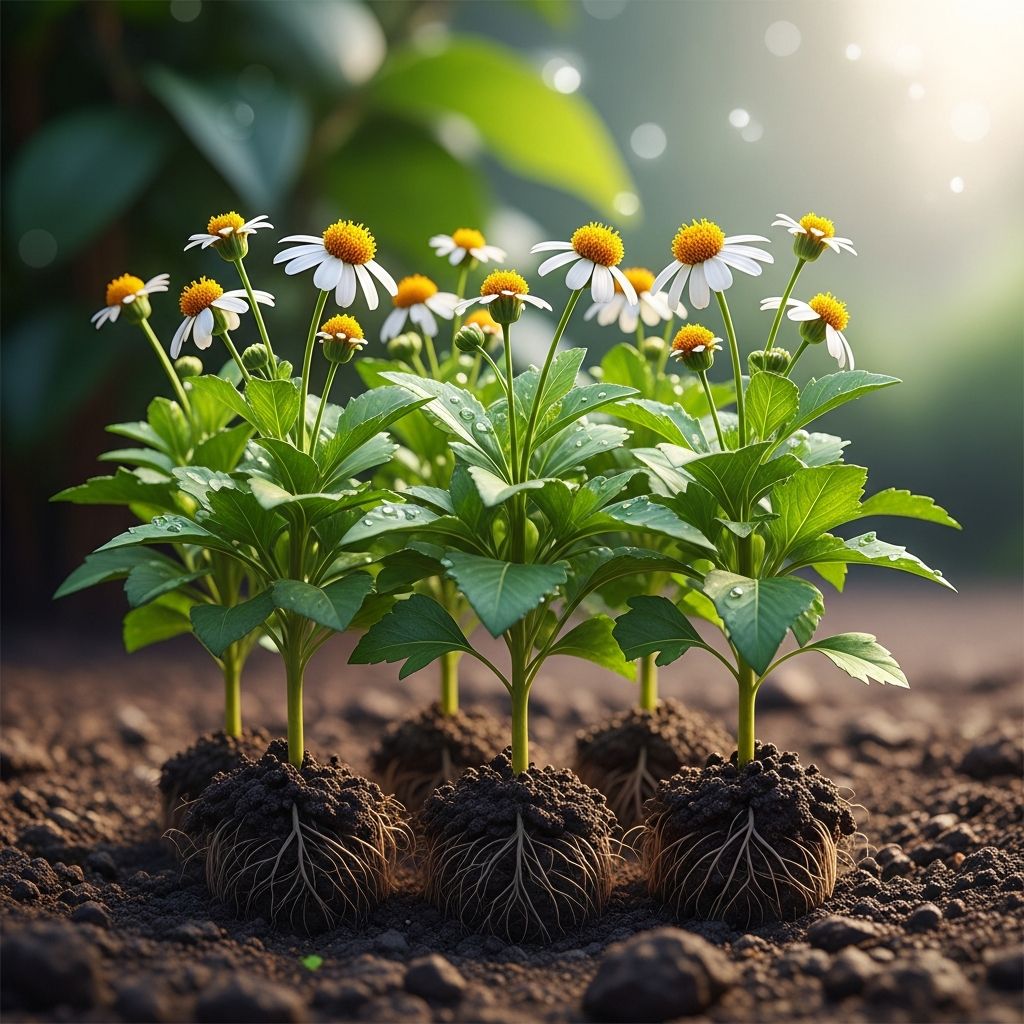
Bhringraj, scientifically known as Eclipta alba or Eclipta prostrata and commonly called false daisy, is a creeping herb native to India and widely used in Ayurveda for its rejuvenating properties. Revered as the ‘king of hair’ in traditional medicine, it supports hair growth, liver health, skin vitality, and mental calm. This article delves into its benefits, uses, scientific backing, and precautions, drawing from Ayurvedic wisdom and modern studies.
What Is Bhringraj?
Bhringraj belongs to the sunflower family (Asteraceae) and thrives in moist, tropical regions across Asia, Africa, and Australia. It features small white flowers and lance-shaped leaves, growing as a weed-like plant up to 18 inches tall. In Ayurveda, it’s classified as a Rasayana (rejuvenative) herb that balances Pitta and Vata doshas, cooling excess heat while nourishing tissues.
The plant’s leaves, roots, and whole herb are processed into oils, powders, tablets, or decoctions. Bhringraj oil, infused with sesame or coconut carrier oils, is the most popular form for topical use. Key bioactive compounds include wedelolactone (hepatoprotective flavonoid), ecliptine, and antioxidants that combat inflammation and oxidative stress.
Health Benefits of Bhringraj
Bhringraj offers multifaceted benefits rooted in Ayurveda and supported by preliminary research. Its bitter, cooling qualities detoxify the liver, promote tissue regeneration, and calm the nervous system.
Hair Growth and Scalp Health
Bhringraj is famed for promoting hair growth, reducing dandruff, preventing premature graying, and strengthening follicles. Ayurvedic texts like Charaka Samhita praise it for nourishing the scalp and enhancing luster.
- Hair Growth: Animal studies show bhringraj extract stimulates follicles, prolonging the anagen (growth) phase. A 2018 Indian trial found 65% of participants using bhringraj oil reported denser hair and less fallout after 12 weeks.
- Anti-Dandruff: Antibacterial and antifungal properties combat Malassezia fungus, a common dandruff cause.
- Graying Prevention: Historical uses mixed it with herbs to darken hair; anti-inflammatory effects may soothe scalp conditions like psoriasis.
A 2022 randomized trial in the International Journal of Trichology noted 25% greater hair thickness with bhringraj shampoo versus placebo after 16 weeks.
Liver Health and Detoxification
Bhringraj supports liver function by clearing excess Pitta, boosting bile flow, and protecting against toxins. Wedelolactone reduces elevated liver enzymes (ALT/AST) in rat models of hepatotoxicity by ~40%.
- Enhances detoxification, aiding jaundice recovery in folk traditions.
- Promotes healthy blood and lymph circulation, indirectly benefiting skin.
A 2021 in vitro study in Phytomedicine showed wedelolactone inhibiting hepatitis C replication in liver cells.
Skin Health
By purifying blood and liver, bhringraj fosters glowing skin, heals wounds, and reduces inflammation. Its antioxidants combat acne and eczema.
- Rejuvenates tissues for smooth, radiant complexion.
- Supports nail, bone, and teeth strength via asthi dhatu nourishment.
Related Stories



Mind and Nervous System Support
The herb calms Pitta and Vata in the head region, reducing stress, improving memory, and promoting sleep. It nourishes nerve tissue (majja dhatu), aiding migraines and anxiety.
- Enhances mental clarity and enthusiasm.
- Useful for sound sleep and tension relief.
Other Benefits
- Respiratory Health: Clears excess Kapha from lungs.
- Reproductive and Metabolic Support: Balances hormones, improves digestion.
- Antiviral/Antibacterial: Traditional use for infections and snakebites.
How to Use Bhringraj
Incorporate bhringraj via topical or internal methods. Consult an Ayurvedic practitioner for personalized dosing.
Topical Uses
- Hair Oil: Massage warm bhringraj oil into scalp 2–3 times weekly; leave 1–2 hours or overnight, then shampoo. Promotes growth in 8–16 weeks.
- Hair Mask: Mix powder with yogurt or amla; apply 30–60 minutes.
- Skin: Apply oil or paste for wounds/inflammation.
Internal Uses
- Powder: ¼–½ tsp daily with warm water or honey for liver/skin.
- Tablets: 500mg 1–2x/day; products like Healthy Hair tablets combine with other herbs.
- Decoction: Boil leaves for jaundice tea (consult doctor).
| Form | Primary Use | Dosage |
|---|---|---|
| Oil | Hair/Scalp | Apply 2–3x/week |
| Powder | Liver/Internal | ¼–½ tsp/day |
| Tablets | Overall Wellness | 500mg 1–2x/day |
| Shampoo | Hair Growth | Daily use |
Side Effects and Precautions
Bhringraj is generally safe but may cause mild issues. Limited human trials mean caution is advised.
- Side Effects: Scalp irritation, nausea, diarrhea (high doses); heavy metal contamination in poor-quality products.
- Contraindications: Avoid in pregnancy, breastfeeding, or with low blood pressure. Not for children under 12 without guidance.
- Interactions: May enhance sedatives or blood thinners; consult for liver meds.
Patch test oils; source from reputable suppliers. More human studies needed for long-term safety.
Science Behind Bhringraj
While Ayurveda extols bhringraj, evidence is emerging. Animal/in vitro studies confirm hepatoprotective, hair-promoting, and anti-inflammatory effects via wedelolactone and flavonoids. Human trials are small but promising for hair (e.g., 2022 trichology study). Larger RCTs required for conclusive proof.
Frequently Asked Questions (FAQs)
Q: What is bhringraj also known as?
A: False daisy or Eclipta alba/prostrata; ‘king of hair’ in Ayurveda.
Q: Does bhringraj really grow hair?
A: Yes, trials show improved density/thickness in 8–16 weeks with consistent oil/shampoo use.
Q: Is bhringraj safe for daily use?
A: Topical yes; internal ¼–½ tsp/day max. Consult practitioner to avoid excess.
Q: Can bhringraj reverse gray hair?
A: Traditional claims exist, but modern evidence limited to anti-inflammatory scalp benefits.
Q: How does bhringraj help the liver?
A: Wedelolactone protects cells, reduces enzymes in studies; aids detoxification.
Q: Side effects of bhringraj oil?
A: Rare irritation; dilute and patch test. Avoid if allergic to Asteraceae.
Q: Best bhringraj for hair growth?
A: Oil massaged into scalp 2–3x/week; combine with amla/brahmi for synergy.
Q: Can pregnant women use bhringraj?
A: No, due to lack of safety data; avoid internal use.
References
- Bhringraj Oil Health Benefits, Uses, Side Effects, and Precautions — Healthline. 2024-09-27. https://www.healthline.com/health/bhringraj-oil
- Bhringaraj Benefits & Uses | Ayurvedic Herbs — Banyan Botanicals. N/A. https://www.banyanbotanicals.com/pages/plants-bhringaraj-benefits
- Eclipta prostrata (Bhrngaraja) — Ask Ayurveda. N/A. https://ask-ayurveda.com/wiki/article/4340-eclipta-prostrata–bhrngaraja
- Bhringaraj Benefits, Uses, Side Effects Ayurveda Insights — Joyful Belly. N/A. https://www.joyfulbelly.com/Ayurveda/product/Bhringaraj/183
- Eclipta prostrata Ethnomedicinal Uses, Chemical Activities — PMC (NCBI). 2021. https://pmc.ncbi.nlm.nih.gov/articles/PMC8615741/
Similar Articles








Read full bio of medha deb