Bicalutamide: Anti-Androgen Treatment for Prostate Cancer
Comprehensive guide to bicalutamide (Casodex): mechanism, dosage, side effects, and treatment protocols.
About Bicalutamide
Bicalutamide is a medication that belongs to a group of medicines known as anti-androgens. This means it blocks the actions of male sex hormones called androgens and reduces the amount of male hormones, such as testosterone, that your body produces. The medication is also known by its brand name Casodex, pronounced bye-ka-loo-ta-mide.
| Property | Details |
|---|---|
| Type of Medicine | Anti-androgen (Nonsteroidal Antiandrogen) |
| Used For | Treatment of prostate cancer in adult men |
| Brand Name | Casodex |
| Generic Name | Bicalutamide |
| Available As | Tablets |
| Prescription Required | Yes |
How Does Bicalutamide Work?
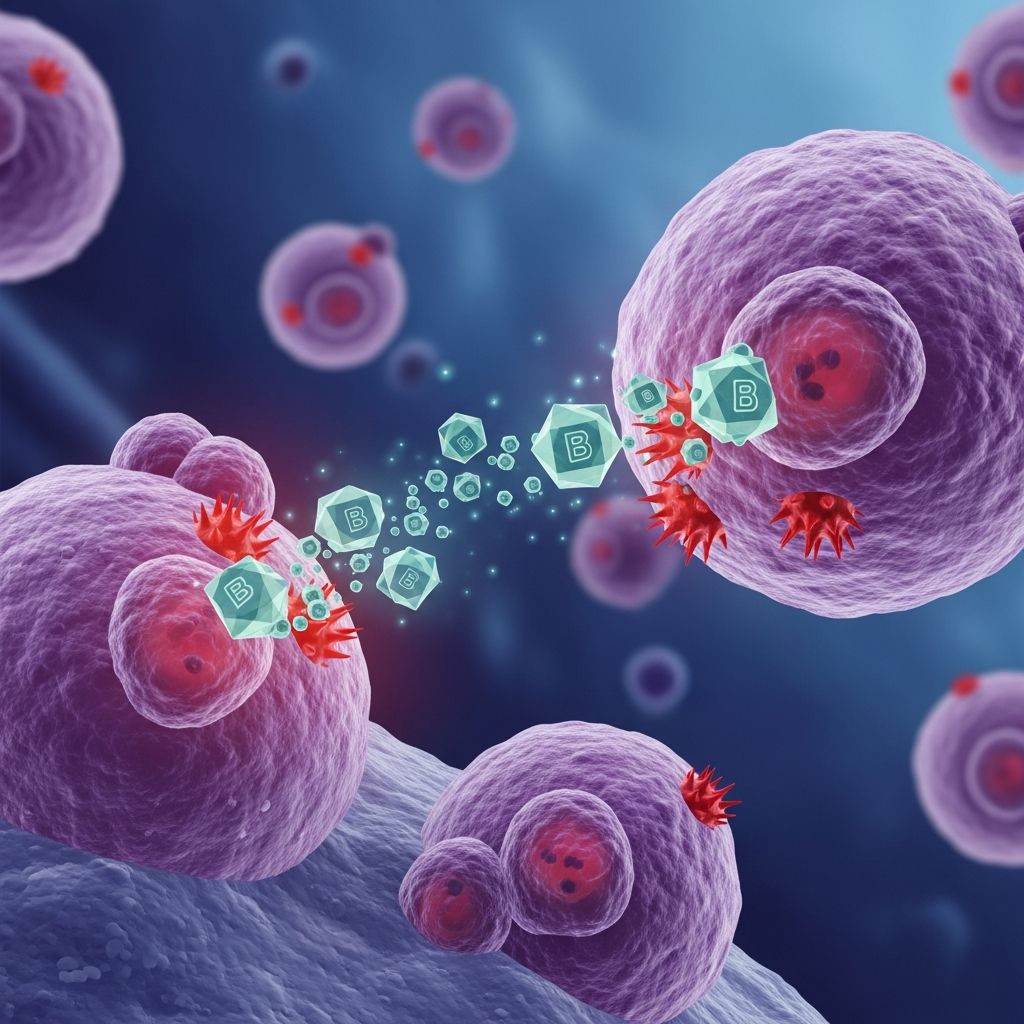
Prostate cancer requires the male hormone testosterone to grow and multiply effectively. Bicalutamide works by blocking testosterone receptors and preventing testosterone from attaching to these receptors found in prostate cells. Without testosterone, cancer cells may grow more slowly or stop growing altogether. This treatment approach is sometimes called androgen deprivation therapy or ADT.
The mechanism of action is particularly important because it directly targets the hormone dependency of prostate cancer cells. By stopping testosterone from reaching the cancer cells, bicalutamide can slow the growth of cancer and may even shrink existing tumors. This hormone-blocking approach makes bicalutamide an effective treatment option for metastatic prostate cancer, particularly when used in combination with other therapies.
Treatment Uses and Applications
Bicalutamide is primarily used to treat stage D2 metastatic prostate cancer, which means cancer that has spread beyond the prostate gland. However, the medication has several different applications within prostate cancer treatment protocols:
- As a standalone treatment for prostate cancer
- After radiotherapy for prostate cancer
- After surgical removal of the prostate (prostatectomy)
- Before starting other hormone treatments such as goserelin, leuprorelin acetate, and triptorelin
- To prevent tumor flare during initial hormone therapy
One significant application of bicalutamide is its role in reducing tumor flare. Certain hormone treatments require several weeks to lower testosterone levels, and during this period they can temporarily worsen symptoms—a condition called tumor flare. Bicalutamide is taken before starting these luteinizing hormone (LH) blocking treatments and is continued for approximately four weeks to prevent this adverse effect.
Dosage and Administration
Bicalutamide is taken orally as a tablet, typically once daily. The standard treatment duration is at least 2 years or until you require a different type of therapy to manage your cancer. When bicalutamide is used specifically to reduce tumor flare, the dosing schedule differs: you take it for a few days before starting the luteinising hormone blocker and continue for about 4 weeks.
The medication is available in various dosage strengths, including 50 mg and 150 mg tablets. Your healthcare team will determine the appropriate dose based on your specific condition, stage of cancer, and whether you are using bicalutamide alone or in combination with other treatments. No dosage adjustment is necessary for patients with renal impairment, and only minor adjustments are needed for those with hepatic impairment.
Related Stories



Common Side Effects
Like all medications, bicalutamide can cause side effects. Many patients experience one or more side effects, which occur in more than 10 in 100 people (more than 10%):
- Breast swelling and tenderness (gynaecomastia)
- Hot flushes
- Lowered interest in sex
- Erection problems
- Feeling sick (nausea)
- Constipation
- Feeling very sleepy or dizzy
- Lowered appetite
- Indigestion
- Changes to liver function, such as yellowing of the skin or whites of the eyes (jaundice)
- Changes to body hair (hair loss on the head but increased hair growth on the body)
- Weight gain
- Blood in urine
- Depression
- Fluid buildup (edema)
- Breathlessness and pale appearance (due to lower levels of red blood cells)
- Abdominal pain
- Passing wind (flatulence)
- Chest pain
Breast Swelling and Tenderness (Gynaecomastia)
Breast swelling and tenderness is one of the most commonly reported side effects of bicalutamide treatment. In clinical trials with bicalutamide 150 mg as a single agent, gynecomastia and breast pain have been reported in up to 38% and 39% of patients respectively. This occurs because the medication affects hormone balance in the body. It is important to discuss this side effect with your medical team, as there are management strategies available to help reduce discomfort and manage the symptoms.
Liver Function Changes
While relatively uncommon, hepatotoxicity is an important consideration with bicalutamide use. Hepatitis or marked increases in liver enzymes leading to drug discontinuation occurred in approximately 1% of bicalutamide patients in controlled clinical trials. In rare cases, severe liver injury (hepatic failure) has been reported after treatment initiation. These hepatotoxic effects generally occurred within the first three to four months of treatment.
If you experience symptoms suggestive of liver problems—such as persistent nausea, dark urine, jaundice, or right upper quadrant tenderness—you should inform your healthcare provider immediately. Your doctor may perform liver function tests to monitor your liver enzymes, particularly serum ALT levels. If jaundice develops or ALT rises above two times the upper limit of normal, bicalutamide should be discontinued immediately.
Important Precautions and Monitoring
Before starting bicalutamide treatment, inform your healthcare provider about any existing medical conditions, especially:
- Liver disease or hepatic impairment
- Kidney problems
- Heart conditions
- Blood clotting disorders
- Allergies to bicalutamide or other medications
Regular monitoring is essential during treatment. Your healthcare team may perform periodic liver function tests, particularly during the initial months of therapy. If you are taking blood-thinning medications such as coumarin anticoagulants, your Prothrombin Time (PT) and International Normalized Ratio (INR) should be closely monitored, as bicalutamide may interact with these medications.
Drug Interactions
Bicalutamide can interact with certain medications and substances. One notable interaction occurs with coumarin anticoagulants used to prevent blood clots. If you are taking warfarin or other coumarin-based anticoagulants, your blood clotting parameters should be closely monitored while taking bicalutamide. Additionally, bicalutamide is metabolized primarily by the liver, so medications that affect liver function or are metabolized through similar pathways may have interactions.
Always inform your healthcare provider and pharmacist about all medications, supplements, and herbal products you are taking before starting bicalutamide treatment.
Special Populations
Geriatric Patients
Studies examining bicalutamide use in elderly patients (those given 50 or 150 mg daily) have shown no significant relationship between age and steady-state levels of total bicalutamide or the active R-enantiomer. This means the medication can be used safely in older adults without requiring dose adjustments based solely on age. However, individual health status, liver function, and other concurrent medications should still be considered.
Patients with Hepatic Impairment
No dosage adjustment is necessary for patients with mild to moderate hepatic impairment. However, in patients with severe liver impairment, although there is a 76% increase in the half-life of the active enantiomer of bicalutamide (5.9 and 10.4 days for normal and impaired patients, respectively), clinical experience suggests no dosage adjustment is necessary. Nonetheless, periodic liver function tests should be considered for hepatic-impaired patients on long-term therapy.
Patients with Renal Impairment
No dosage adjustment is necessary for patients with renal impairment. The kidneys do not play a major role in eliminating bicalutamide, so kidney disease does not significantly affect drug levels in the body.
What to Do If You Miss a Dose
If you forget to take a dose of bicalutamide, take the missed dose as soon as you remember. However, if it is almost time for your next scheduled dose, skip the missed dose and continue with your regular dosing schedule. Do not double the next dose to make up for a missed one, as this could increase the risk of side effects.
Overdose Management
In the event of an overdose with bicalutamide, treatment should be symptomatic and supportive. Vomiting may be induced if the patient is alert. Dialysis is not typically effective in removing bicalutamide from the body. If you suspect an overdose, contact your poison control center or emergency services immediately.
Frequently Asked Questions (FAQs)
Q: How long do I need to take bicalutamide?
A: You usually take bicalutamide for at least 2 years or until you require a different type of therapy to treat your cancer. Your healthcare provider will determine the appropriate treatment duration based on your individual response to treatment and cancer progression.
Q: Can bicalutamide be used alone to treat prostate cancer?
A: Yes, bicalutamide can be used as a standalone treatment, but it is most commonly used in combination with other hormone treatments such as luteinizing hormone-releasing hormone (LHRH) agonists like goserelin or leuprorelin. Your doctor will determine the best treatment approach for your specific situation.
Q: What should I do if I experience breast swelling?
A: Breast swelling and tenderness is a common side effect affecting up to 38% of patients. Talk to your healthcare team about this side effect, as they may recommend management strategies such as radiation therapy or medication to reduce breast tissue growth.
Q: Is bicalutamide safe for elderly men?
A: Yes, studies have shown no significant relationship between age and medication levels in older adults. Bicalutamide can be safely used in elderly patients without age-based dose adjustments, though individual health factors should still be considered.
Q: What liver symptoms should I watch for while taking bicalutamide?
A: Watch for jaundice (yellowing of skin or eyes), dark urine, persistent nausea, and right upper abdominal pain. These may indicate liver problems, particularly within the first three to four months of treatment. Report any of these symptoms to your healthcare provider immediately.
Q: Can I take bicalutamide with blood-thinning medications?
A: Bicalutamide can interact with coumarin anticoagulants like warfarin. If you take these medications, your Prothrombin Time (PT) and International Normalized Ratio (INR) should be closely monitored. Inform your doctor about all medications you are taking.
Q: What happens if I miss a dose of bicalutamide?
A: Take the missed dose as soon as you remember, unless it is almost time for your next dose. Do not double your next dose. Maintain consistency with your dosing schedule to ensure effective treatment.
References
- Bicalutamide (Casodex) – Cancer Research UK — Cancer Research UK. 2024. https://www.cancerresearchuk.org/about-cancer/treatment/drugs/bicalutamide
- Bicalutamide (Oral Route) – Description, Uses, and Dosage — Mayo Clinic. 2024. https://www.mayoclinic.org/drugs-supplements/bicalutamide-oral-route/description/drg-20072486
- CASODEX (Bicalutamide) Tablet Label — U.S. Food and Drug Administration. 2017. https://www.accessdata.fda.gov/drugsatfda_docs/label/2017/020498s028lbl.pdf
- Bicalutamide (Casodex®) – Treatment Overview — OncoLink. 2024. https://www.oncolink.org/cancer-treatment/oncolink-rx/bicalutamide-casodex-R
- Bicalutamide – An Anti-androgen for Men — Patient.info. 2024. https://patient.info/medicine/bicalutamide-an-anti-androgen-for-men-casodex
- Bicalutamide: Uses, Interactions, and Mechanism of Action — DrugBank. 2024. https://go.drugbank.com/drugs/DB01128
- Bicalutamide: A Comprehensive Review — PubMed Central / National Center for Biotechnology Information. 2024. https://pmc.ncbi.nlm.nih.gov/articles/PMC11980709/
Similar Articles








Read full bio of medha deb