Bicornuate Uterus: Symptoms, Diagnosis & Treatment
Understanding bicornuate uterus: causes, pregnancy risks, and treatment options explained.
Understanding Bicornuate Uterus: A Comprehensive Guide
A bicornuate uterus is a congenital condition where the uterus develops in an irregular heart-shaped formation rather than the typical rounded pear shape. This condition affects approximately 0.4% of girls at birth and occurs when the Müllerian ducts, which form the uterus during fetal development, fail to fuse completely. While many individuals with this condition experience no symptoms and lead healthy lives, others may face significant challenges during pregnancy and fertility planning.
What Is a Bicornuate Uterus?
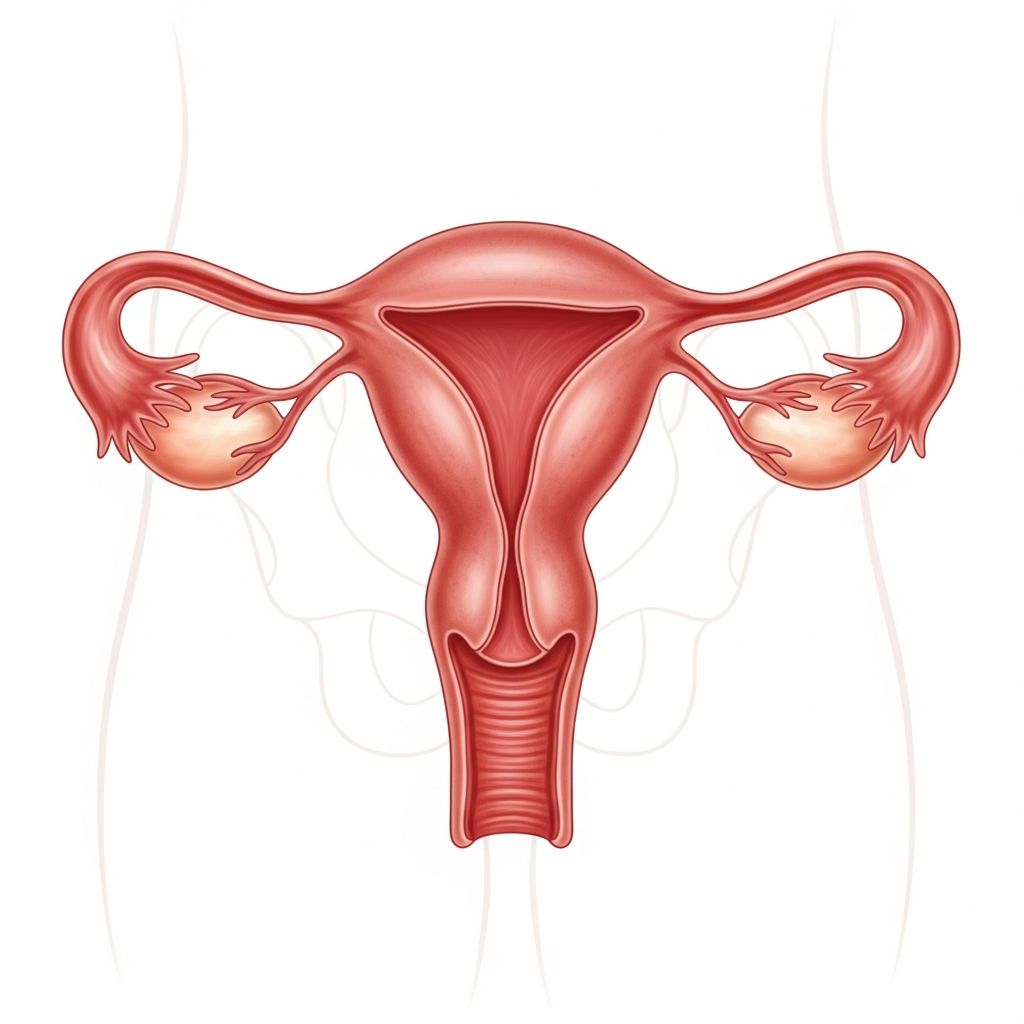
A typical uterus is shaped like an upside-down pear, with a wide, rounded top portion called the fundus. In contrast, a bicornuate uterus has a distinctive indent or dip at the top, creating a heart-like appearance. This structural difference occurs because the uterus is divided by a ridge of tissue that creates two separate chambers within the organ. The uterus remains a single structure with one cervix and one vagina, which distinguishes it from other uterine anomalies.
The development of the uterus begins around week 12 of pregnancy when the Müllerian ducts normally fuse together to form one unified uterine cavity. When this fusion process is incomplete, the resulting bicornuate formation leaves tissue separating the two upper portions of the uterus. While experts are not completely certain why this developmental variation occurs, it is considered a natural anatomical difference rather than a disease or disorder.
Types of Bicornuate Uterus
Healthcare providers classify bicornuate uterus into two main categories based on the extent of the indentation at the top of the uterus:
- Partial bicornuate uterus: The indentation at the top of the uterus is minimal, with a less pronounced heart shape.
- Complete bicornuate uterus: The indentation extends deeper into the uterine cavity, creating a more pronounced heart-shaped appearance with the separation extending significantly down the uterine wall.
The classification helps healthcare providers understand the extent of the anatomical variation and predict potential pregnancy complications more accurately.
Symptoms and Signs
Many individuals with a bicornuate uterus have no symptoms whatsoever, and the condition may go undetected throughout their lifetime. In fact, most people don’t discover they have a heart-shaped uterus until they experience pregnancy-related complications or seek medical evaluation for other reasons. When symptoms do occur, they may include:
- Painful menstrual periods (dysmenorrhea)
- Heavy menstrual bleeding
- Pelvic pain or discomfort
- Recurrent miscarriages
- Preterm labor
It’s important to note that some individuals may experience symptoms but interpret them as normal because they have no baseline for comparison. This is why professional medical evaluation is essential for accurate diagnosis.
How Is a Bicornuate Uterus Diagnosed?
Most cases of bicornuate uterus are diagnosed when healthcare providers investigate the underlying causes of pregnancy complications or recurrent miscarriages. Discovery may occur through several pathways:
Initial Evaluation
The diagnostic process typically begins with a comprehensive pelvic examination. During this examination, the healthcare provider assesses the shape and size of the uterus through physical palpation and feels for any abnormalities.
Related Stories



Imaging Tests
Several advanced imaging techniques help confirm a bicornuate uterus diagnosis:
- Transvaginal ultrasound: This is often the first imaging study performed, using a small probe inserted into the vagina to obtain detailed images of the uterus.
- Three-dimensional ultrasound: This advanced ultrasound technology provides a more detailed three-dimensional view of the uterine structure, allowing healthcare providers to better visualize the indentation and chamber separation.
- Magnetic resonance imaging (MRI): MRI offers excellent soft tissue contrast and is particularly useful for definitively diagnosing uterine anomalies and distinguishing between different types of uterine malformations.
- Hysterosalpingography: This X-ray imaging procedure involves injecting contrast material through the cervix to visualize the uterine cavity and fallopian tubes.
Causes and Development
A bicornuate uterus develops during fetal growth due to incomplete fusion of the Müllerian ducts. These ducts are embryologic structures that normally merge during pregnancy to form the uterus, fallopian tubes, and upper vagina. When this fusion process is incomplete, the upper portions of the uterus fail to join properly, resulting in the characteristic heart-shaped appearance.
The exact reason why some fetuses develop incomplete Müllerian duct fusion is not completely understood by medical experts. This condition is not inherited or caused by maternal actions during pregnancy—it is a spontaneous developmental variation that occurs during the critical window of uterine formation in the second trimester.
Complications Outside of Pregnancy
Outside of pregnancy, a bicornuate uterus typically does not cause serious health complications. However, individuals with irregularly shaped uteruses have a higher risk of developing endometriosis, a condition where tissue similar to the uterine lining grows outside the uterus. Additionally, the shape of the bicornuate uterus may prevent the use of an intrauterine device (IUD) for birth control, as the irregular cavity may not accommodate this form of contraception safely.
Pregnancy Complications and Risks
The primary concerns related to bicornuate uterus involve pregnancy outcomes. During pregnancy, a typical uterus expands to accommodate the growing fetus. However, because a bicornuate uterus has a dividing ridge of tissue, it may not expand as efficiently. This structural limitation can lead to several pregnancy complications:
- Increased miscarriage risk: The irregular shape may compromise placental development and fetal growth.
- Preterm labor: The limited expansion capacity may trigger premature labor.
- Intrauterine growth restriction (IUGR): The fetus may not receive adequate space or nutrients for optimal growth.
- Breech presentation: The fetus may assume a bottom-first position rather than the preferred head-down position.
- Increased cesarean delivery rate: Due to breech positioning or other complications, vaginal delivery may not be safe.
- Postpartum hemorrhage: The uterus may have difficulty contracting properly after delivery, leading to excessive bleeding.
Despite these increased risks, many individuals with bicornuate uterus successfully carry pregnancies to term with appropriate medical monitoring.
Fertility and Pregnancy Possibilities
One of the most important questions for individuals with bicornuate uterus is whether they can become pregnant. The answer is yes—fertility is typically not affected by this condition. Most people with bicornuate uterus can conceive naturally without difficulty. However, the shape of the uterus does place individuals at a higher risk for specific pregnancy complications that require careful management.
If you have a bicornuate uterus and plan to become pregnant, your healthcare provider will likely recommend closer monitoring throughout pregnancy. This enhanced monitoring ensures early detection of any complications and allows for appropriate interventions when necessary.
Treatment Options
Surgical Intervention: Metroplasty
A surgical procedure called metroplasty can reshape a bicornuate uterus by removing the tissue that causes the heart-shaped appearance. During this minimally invasive procedure, surgeons work to unite the two chambers into a single cavity, creating a more typical uterine shape.
However, surgery is not typically necessary for everyone with this condition. Most healthcare providers reserve metroplasty for specific situations, particularly when individuals have experienced multiple miscarriages or a documented history of significant pregnancy complications. The decision to pursue surgery should be made after thorough discussion with your healthcare provider regarding the procedure’s risks, benefits, and your personal fertility goals.
Non-Surgical Management
Many individuals with bicornuate uterus require no treatment at all. In fact, numerous people with this condition have healthy pregnancies without any surgical intervention. Instead of surgery, your healthcare provider may recommend close monitoring during pregnancy through:
- More frequent prenatal ultrasounds to monitor fetal growth and development
- Assessment of placental position and function
- Evaluation of amniotic fluid levels
- Monitoring for signs of preterm labor
- Discussion of delivery options and timing
This conservative approach allows your medical team to identify any emerging complications early while avoiding the risks associated with surgical intervention.
Bicornuate Uterus vs. Other Uterine Anomalies
It’s important to understand how bicornuate uterus differs from other congenital uterine conditions, as this affects diagnosis and management:
| Uterine Condition | Key Characteristics | Structural Difference |
|---|---|---|
| Bicornuate Uterus | Heart-shaped uterus with one cervix and one vagina | Partial fusion of Müllerian ducts with tissue separation |
| Uterus Didelphys | Two completely separate uteruses, two cervices, and two vaginas | Complete failure of Müllerian duct fusion |
| Unicornuate Uterus | Single uterus with one fallopian tube, often with a rudimentary horn | One Müllerian duct fails to develop properly |
| Septate Uterus | Normal external shape with tissue dividing the uterine cavity | Fusion occurs but incomplete resorption of the dividing wall |
| Arcuate Uterus | Similar to bicornuate but with less pronounced indentation | Minimal indentation at the uterine fundus |
Frequently Asked Questions
Q: Can I have a normal pregnancy with a bicornuate uterus?
A: Yes, many people with bicornuate uterus have normal, healthy pregnancies without complications. Your healthcare provider will monitor you closely to ensure any potential issues are identified and managed promptly.
Q: Will I definitely need surgery if I have a bicornuate uterus?
A: No, surgery is not necessary for everyone. Most people with this condition do not require surgery. It is typically only recommended for individuals with recurrent miscarriages or a significant history of pregnancy complications.
Q: How common is bicornuate uterus?
A: Bicornuate uterus is relatively uncommon, occurring in approximately 0.4% of girls at birth.
Q: Can I use an IUD with a bicornuate uterus?
A: Due to the irregular shape of the uterine cavity, IUDs are typically not recommended for contraception in individuals with bicornuate uterus. Your healthcare provider can discuss alternative birth control options that are safer and more effective for your specific situation.
Q: Will I need a cesarean delivery if I have a bicornuate uterus?
A: Not necessarily. While the risk of cesarean delivery is slightly increased due to potential breech positioning or other complications, many people with bicornuate uterus successfully deliver vaginally. Your healthcare provider will assess your specific situation during pregnancy and labor to determine the safest delivery method.
Q: Is a bicornuate uterus the same as a double uterus?
A: No, these are different conditions. A bicornuate uterus is a single uterus with an indentation at the top, while a double uterus (uterus didelphys) is two completely separate uteruses.
Living with Bicornuate Uterus
If you have been diagnosed with a bicornuate uterus, it’s natural to have questions and concerns about how this condition may affect your life and future family planning. The key is to remember that many people with this condition live without any symptoms and experience no complications. Open communication with your healthcare provider is essential for understanding your specific situation and making informed decisions about your reproductive health. Your medical team can help you understand any potential risks, discuss available treatment options, and provide support and guidance every step of the way. With appropriate medical care and monitoring, many individuals with bicornuate uterus go on to have healthy pregnancies and successful outcomes.
References
- Bicornuate Uterus: Symptoms, Diagnosis & Treatment — Cleveland Clinic. 2024. https://my.clevelandclinic.org/health/diseases/22798-bicornuate-uterus
- Uncommon Surgical Emergencies in the Adult Gynecologic Patient — National Center for Biotechnology Information. 2022. https://pmc.ncbi.nlm.nih.gov/articles/PMC9683970/
- How Uterine Anomalies Can Affect Fertility — Trio Fertility. 2024. https://triofertility.com/uterine-anomalies-affect-on-fertility/
- New Centralized Care for Patients with Mullerian Anomalies — Cleveland Clinic ConsultQD. 2024. https://consultqd.clevelandclinic.org/new-centralized-care-for-patients-with-mullerian-anomalies
- Uterus: Anatomy, Function, Size, Position & Conditions — Cleveland Clinic. 2024. https://my.clevelandclinic.org/health/body/22467-uterus
Similar Articles








Read full bio of medha deb