Bicuspid Aortic Valve: Causes, Symptoms, and Treatment
Understanding bicuspid aortic valve: comprehensive guide to symptoms, diagnosis, and effective treatments.
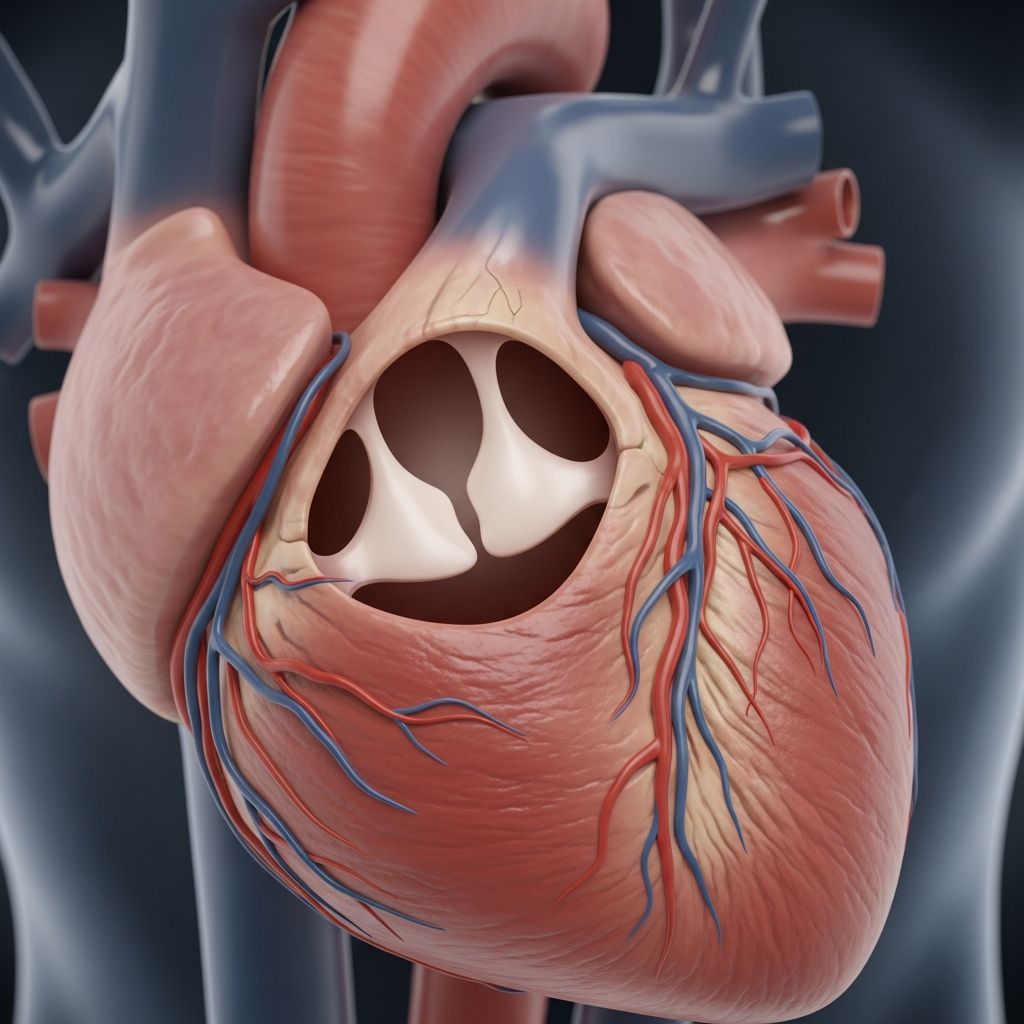
Understanding Bicuspid Aortic Valve
A bicuspid aortic valve is a congenital heart condition in which the aortic valve has only two flaps, or leaflets, instead of the typical three. The aortic valve is responsible for controlling blood flow from the left ventricle of the heart to the aorta, the main artery that distributes blood throughout the body. When this valve functions abnormally, it can lead to significant complications over time.
This condition is present from birth, though symptoms may not appear until later in life. Bicuspid aortic valve is one of the most common congenital heart defects, affecting approximately 1-2% of the general population. Understanding this condition is essential for proper management and maintaining a healthy lifestyle.
What Causes Bicuspid Aortic Valve?
Bicuspid aortic valve is a congenital condition, meaning it develops before birth. The exact cause is not fully understood, but research suggests that genetic factors play a significant role. The condition often runs in families, indicating a hereditary component. Some cases occur sporadically without any family history of heart disease.
The development of a bicuspid aortic valve occurs during fetal development when the aortic valve is forming. Instead of developing three distinct leaflets, the valve develops only two. This abnormal formation cannot be prevented, as it occurs during the developmental stage in the womb.
Certain genetic syndromes and conditions are associated with an increased risk of bicuspid aortic valve, though many individuals with this condition have no other associated health issues.
Complications and Associated Conditions
Over time, the two leaflets of a bicuspid aortic valve wear out more quickly than normal three-leaflet valves. This accelerated deterioration can lead to two primary complications:
Aortic Stenosis
Aortic stenosis occurs when the two leaflets become thickened and calcified, preventing the valve from opening completely. This narrowing restricts blood flow from the heart to the aorta, forcing the heart to work harder to pump blood throughout the body. Over time, this increased workload can weaken the heart muscle and lead to heart failure.
Aortic Insufficiency (Regurgitation)
Aortic insufficiency develops when the two valve leaflets do not close completely, allowing blood to flow backward into the heart. This retrograde flow reduces the efficiency of the heart’s pumping action and forces the heart to work harder to maintain adequate circulation.
Aortopathy and Aneurysm
People with bicuspid aortic valve may also experience enlargement of the aorta, a condition called aortopathy. In some cases, an aortic aneurysm can develop, creating a bulge in the aortic wall. This is particularly dangerous because it increases the risk of aortic dissection, a tear in the lining of the aorta that can be life-threatening.
Related Stories



Additional Associated Conditions
Individuals with bicuspid aortic valve may also have:
– Abnormal coronary arteries- Abnormal thoracic aorta- Unstable high blood pressure- Coarctation of the aorta
Symptoms of Bicuspid Aortic Valve
One of the most important characteristics of bicuspid aortic valve is that many people do not develop symptoms until middle age or later. In fact, some individuals never experience any symptoms, and the condition may only be discovered incidentally during a routine heart examination or diagnostic imaging.
When symptoms do develop, they typically occur as the valve disease progresses. Common symptoms include:
– Chest pain or pressure- Shortness of breath, especially during exercise- Dizziness or lightheadedness- Fainting or near-fainting episodes- Heart palpitations- Fatigue and weakness- Reduced ability to perform physical activities- Leg swelling- A heart murmur detected during physical examination
Some infants may present with severe symptoms at birth, though this is less common. In most cases, the valve functions normally until significant disease has developed.
Diagnosis of Bicuspid Aortic Valve
Bicuspid aortic valve is typically diagnosed through a combination of clinical evaluation and imaging tests. A cardiologist, particularly one trained in congenital heart disease, will conduct a thorough examination.
Diagnostic Tests
The primary diagnostic tool is an echocardiogram, an ultrasound of the heart that provides detailed images of the heart structure and function. This non-invasive test can:
– Visualize the aortic valve structure- Assess valve function and blood flow patterns- Measure the size of the aorta- Detect any valve narrowing or leaking- Identify aortic enlargement
Additional diagnostic tests may include:
– Electrocardiogram (EKG)- Chest X-ray- Cardiac MRI or CT scan for detailed anatomical assessment- Cardiac catheterization in some cases- Genetic testing if hereditary patterns are suspected
Treatment Options
Treatment for bicuspid aortic valve depends on the severity of the condition and whether symptoms are present. The approach is highly individualized based on each patient’s specific circumstances.
Medical Management
For patients with mild disease and no symptoms, regular monitoring is typically the primary approach. Medications such as beta-blockers or diuretics may help manage symptoms like shortness of breath or chest discomfort, but they cannot repair or reverse the valve defect. Patients are advised to maintain a heart-healthy lifestyle, including regular exercise appropriate to their condition, a balanced diet low in sodium, and avoiding strenuous activities if recommended by their cardiologist.
Surgical Interventions
Approximately 4 out of 5 people with bicuspid aortic valve disease eventually require surgery. Surgical options include:
Aortic Valve Repair
If the valve leaflets are of good quality and the primary problem is regurgitation, valve repair may be possible. During this open-heart surgery, the surgeon makes an incision in the middle of the chest and repairs the valve leaflets so they close properly. This approach preserves the patient’s native valve and avoids the need for anticoagulation therapy. However, the long-term durability of repaired bicuspid valves remains uncertain.
Aortic Valve Replacement
When the valve cannot be repaired or when stenosis is the primary problem, valve replacement is necessary. This traditional open-heart surgery removes the damaged valve and replaces it with either a mechanical valve or a tissue valve (bioprosthetic). Mechanical valves are durable but require lifelong anticoagulation therapy, while tissue valves may eventually require replacement but do not require blood thinners.
Transcatheter Aortic Valve Replacement (TAVR)
TAVR is a minimally invasive procedure where a new valve is inserted through a catheter placed in an artery in the leg or groin. However, due to the abnormal shape of the bicuspid valve, most patients with this condition cannot be candidates for TAVR, though some specialized centers may be able to offer it to select patients.
Valvuloplasty
This procedure widens the narrowed valve, allowing more blood to flow from the heart to the aorta. Valvuloplasty is often used to treat bicuspid aortic valves in children and adolescents.
Timing of Surgery
The decision to perform surgery depends on several factors, including valve function, aortic size, presence of symptoms, and individual risk factors. The average age for bicuspid aortic valve replacement is approximately 60 years old, though surgery may be performed earlier or later depending on individual circumstances.
Prognosis and Long-Term Outlook
The prognosis for individuals with bicuspid aortic valve varies significantly depending on how well the condition is managed. When carefully monitored and treated surgically at the appropriate time, patients with bicuspid aortic valves have a normal life expectancy. With proper care, including valve surgery when necessary, life expectancy is the same as that of the general population.
However, if the condition is not monitored and untreated, bicuspid aortic valve can lead to severe aortic valve disease, heart failure, and potentially death. Regular follow-up care with a heart valve disease specialist is essential to track changes in the heart, valves, and aorta over time.
Prevention and Risk Reduction
Since bicuspid aortic valve is a congenital condition, it cannot be prevented. However, individuals with this diagnosis can reduce their risk of serious complications through several strategies:
– Maintain regular follow-up appointments with a cardiologist- Follow a heart-healthy diet low in sodium and saturated fats- Engage in appropriate physical activity as recommended by your physician- Maintain a healthy weight- Avoid smoking and limit alcohol consumption- Manage blood pressure effectively- Comply with prescribed medications- Seek immediate medical attention for new or worsening symptoms
Living with Bicuspid Aortic Valve
Most people with bicuspid aortic valve can live full, active lives with appropriate medical care. Regular monitoring through echocardiograms helps track valve function and aortic size, allowing physicians to intervene when necessary. Many individuals remain asymptomatic for decades, requiring only periodic check-ups.
Individuals should be aware of their condition and inform all healthcare providers, including dentists, about their bicuspid aortic valve. In some cases, antibiotic prophylaxis may be recommended before certain dental or surgical procedures to prevent infection.
Genetic counseling may be appropriate for those with a family history of bicuspid aortic valve or associated conditions, as relatives may also carry the condition.
Frequently Asked Questions
Q: Can bicuspid aortic valve be prevented?
A: No, bicuspid aortic valve is a congenital condition that cannot be prevented. However, serious complications can be reduced through regular medical monitoring and a heart-healthy lifestyle.
Q: At what age do symptoms typically appear?
A: Most people do not develop symptoms until middle age or later. Some individuals never develop symptoms. When they do occur, they are usually related to progressive valve disease such as stenosis or regurgitation.
Q: Is surgery always necessary?
A: Not all patients require surgery. Those with mild disease and no symptoms can often be managed with regular monitoring. Surgery becomes necessary when symptoms develop or when testing shows significant valve dysfunction or aortic enlargement.
Q: What is the life expectancy for someone with bicuspid aortic valve?
A: With appropriate medical care and surgical intervention when needed, life expectancy is normal. Without proper monitoring and treatment, serious complications including heart failure can develop.
Q: Can my children inherit bicuspid aortic valve?
A: Yes, bicuspid aortic valve often runs in families and has a genetic component. Family members of affected individuals may also have the condition and should be screened.
Q: How often should I have follow-up appointments?
A: Follow-up frequency depends on the severity of your condition. Those with mild disease may need appointments every 3-5 years, while those with moderate to severe disease may require more frequent monitoring with annual or semi-annual visits and echocardiograms.
Q: Can I exercise with bicuspid aortic valve?
A: Many people with bicuspid aortic valve can exercise safely. Your cardiologist will provide specific recommendations based on your condition severity. Strenuous activities may need to be restricted in some cases.
Q: What medications treat bicuspid aortic valve?
A: Medications cannot cure bicuspid aortic valve, but beta-blockers and diuretics can help manage symptoms. Surgery is the only definitive treatment for significant valve dysfunction.
References
- Bicuspid Aortic Valve Causes, Symptoms, Treatments — UPMC. 2024-10-01. https://www.upmc.com/services/heart-vascular/conditions/bicuspid-aortic-valve
- Bicuspid Aortic Valve Syndrome: Signs & Symptoms — National Marfan Foundation. https://marfan.org/conditions/bicuspid-aortic-valve/
- Bicuspid Aortic Valve – Overview — Mayo Clinic. https://www.mayoclinic.org/diseases-conditions/bicuspid-aortic-valve/cdc-20385577
- Bicuspid Aortic Valve Disease — Cleveland Clinic. https://my.clevelandclinic.org/health/diseases/16780-bicuspid-aortic-valve-disease
- Bicuspid Aortic Valve: Symptoms & Treatment — Mass General Brigham. https://www.massgeneralbrigham.org/en/patient-care/services-and-specialties/heart/conditions/bicuspid-aortic-valve
- Bicuspid Aortic Valve Disease: Causes, Risks, Treatment & Prognosis — Michigan Medicine. https://www.michiganmedicine.org/health-lab/5-basics-know-about-bicuspid-aortic-valve-disease
- Bicuspid Aortic Valve — Yale Medicine. https://www.yalemedicine.org/conditions/bicuspid-aortic-valve
Similar Articles








Read full bio of medha deb