Bilastine Tablets and Liquid Medicine – Ilaxten
Complete guide to bilastine (Ilaxten): uses, dosage, side effects, and safety information.
About Bilastine Tablets and Liquid Medicine
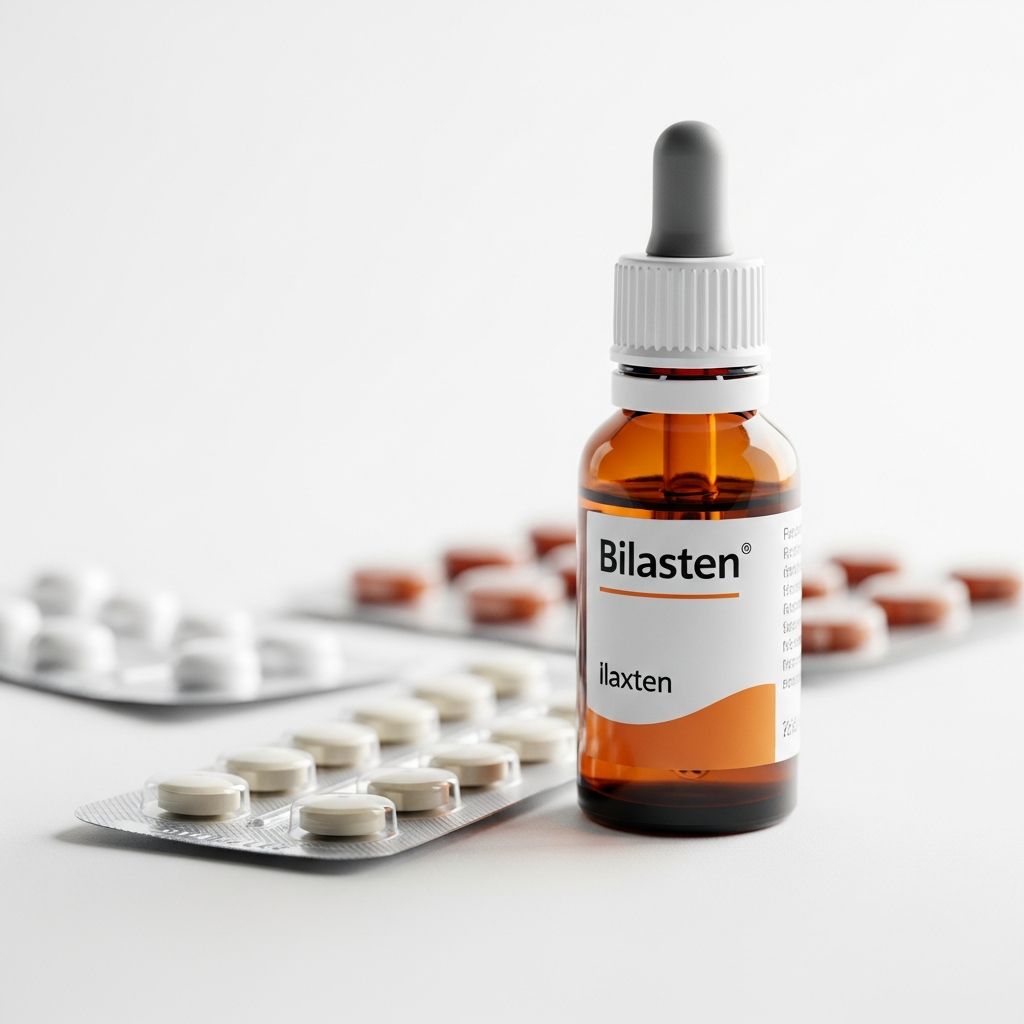
Bilastine is a modern antihistamine medication commonly prescribed to relieve allergy symptoms. Available under the brand name Ilaxten, this non-drowsy antihistamine provides effective relief from various allergic conditions affecting millions of people worldwide. Whether you suffer from seasonal hay fever or year-round allergies, bilastine offers a practical treatment option that allows you to maintain your daily activities without significant drowsiness.
| Property | Details |
|---|---|
| Type of Medicine | Antihistamine (non-drowsy) |
| Used For | Allergic rhinoconjunctivitis and allergic skin reactions |
| Brand Name | Ilaxten® |
| Available Forms | Tablets, melt-in-the-mouth tablets, oral liquid medicine |
| Recommended Dose | 20 mg once daily |
What is Bilastine?
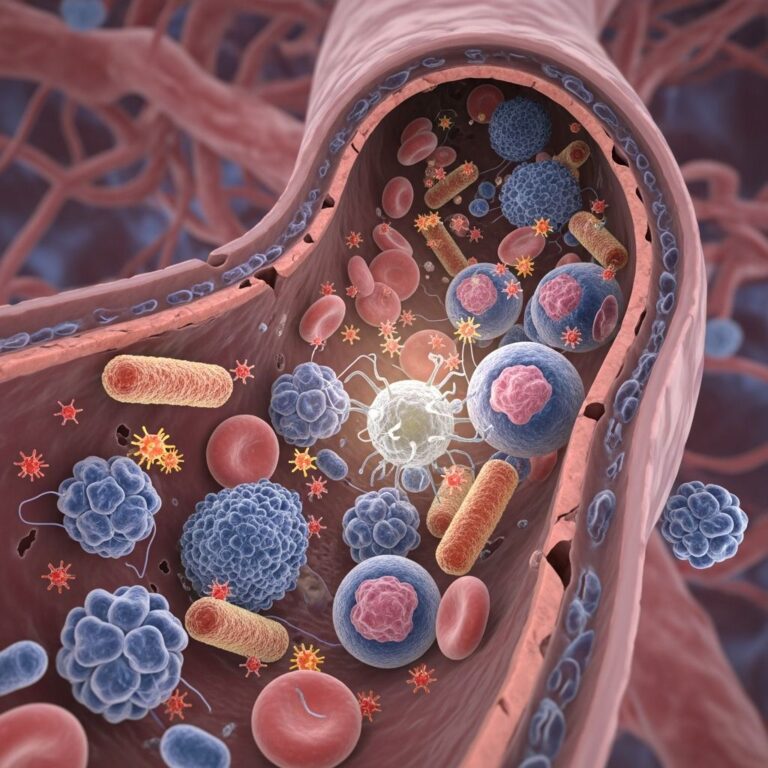
Bilastine is an anti-allergy medication that works by blocking the effects of histamine, a substance naturally produced by your body during allergic reactions. Histamine is responsible for triggering classic allergy symptoms such as itching, sneezing, swelling, and redness. By stopping histamine’s effects, bilastine effectively alleviates these uncomfortable symptoms. As a second-generation antihistamine, bilastine selectively targets peripheral histamine H1 receptors without affecting muscarinic receptors, which is why it causes minimal drowsiness compared to older antihistamines.
Uses of Bilastine
Bilastine is prescribed for several allergic conditions, making it a versatile treatment option for various patient populations.
Allergic Rhinoconjunctivitis
Bilastine tablets effectively solve common hay fever symptoms such as a runny, itchy and/or blocked nose, sneezing, and itchy eyes. Clinical trials demonstrated that bilastine 20 mg, administered once daily for 14-28 days, was effective in relieving symptoms including sneezing, nasal discharge, nasal itching, nasal congestion, ocular itching, tearing, and ocular redness in both seasonal and perennial allergic rhinoconjunctivitis. Bilastine effectively controlled these symptoms for 24 hours following administration.
Urticaria (Hives)
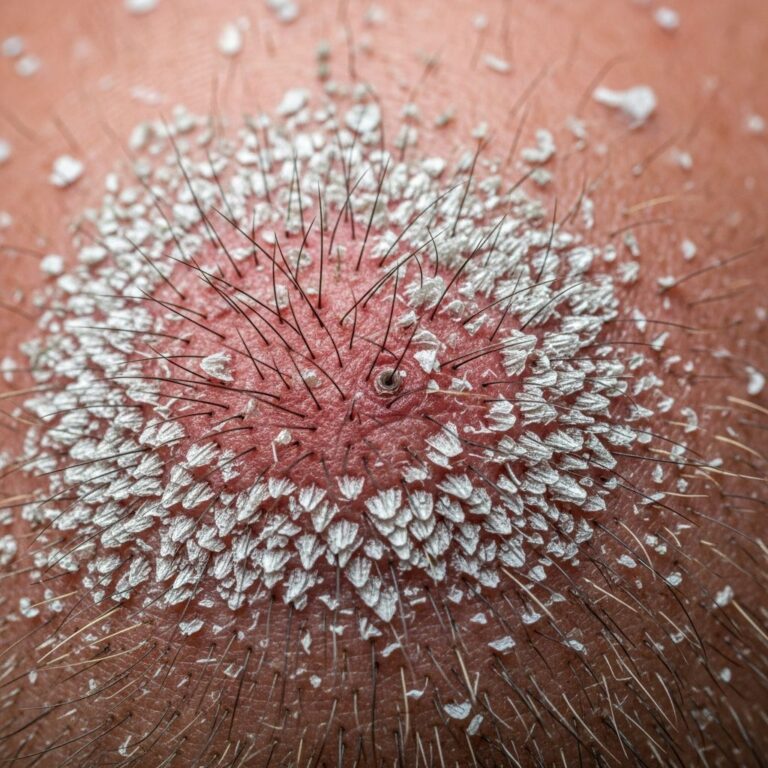
Bilastine is also used to treat urticaria, a common allergic skin reaction characterized by itchy welts and swelling. In clinical trials involving patients with chronic idiopathic urticaria, bilastine 20 mg administered once daily for 28 days was effective in relieving itching intensity, reducing the number and size of wheals, and improving patient comfort. Additionally, patients reported improved sleep conditions and enhanced quality of life.
Allergic Conjunctivitis
The medication effectively treats itchy inflamed eyes caused by allergies, providing relief from conjunctival redness and tearing that often accompanies seasonal and perennial allergies.
How to Take Bilastine
Proper administration is essential for optimal effectiveness of bilastine medication.
Dosage Instructions
- Take one 20 mg tablet once daily for symptom relief
- Take the tablet when your stomach is empty
- Timing is crucial: take the tablet one hour before a meal, or alternatively, two hours after eating a meal
- Do NOT take the tablet with food or grapefruit juice or any other fruit juices
- Swallow tablets with water
Available Forms
Bilastine comes in multiple formulations to suit different patient preferences and needs:
- Standard tablets
- Melt-in-the-mouth (orodispersible) tablets for easier administration
- Oral liquid medicine for patients who have difficulty swallowing tablets
How Bilastine Works
Bilastine is a non-sedating, long-acting histamine antagonist with selective peripheral H1 receptor antagonist affinity and no affinity for muscarinic receptors. This selective targeting is crucial to its safety profile. When you experience an allergic reaction, your body releases histamine from mast cells and basophils. Histamine then binds to H1 receptors on various tissues, causing inflammation, itching, and other allergy symptoms. Bilastine blocks this binding process by occupying H1 receptors, preventing histamine from triggering allergic responses.
Related Stories



Clinical studies have shown that bilastine inhibits histamine-induced wheal and flare skin reactions for 24 hours following single doses. In comparative research, bilastine demonstrated effectiveness similar to cetirizine, fexofenadine, and desloratadine, and at 20 and 50 mg doses, bilastine reduced wheal and flare reactions faster than cetirizine.
Side Effects and Safety
Although bilastine is classified as a non-drowsy antihistamine, it can still cause drowsiness in a few people. Make sure your reactions are normal before you drive, or before using tools or machines.
Clinical Safety Profile
Bilastine has demonstrated an excellent safety profile in clinical trials. No clinically relevant prolongation of QT interval or any other cardiovascular effect has been observed in clinical trials performed with bilastine, even at doses of 200 mg daily (10 times the clinical dose) for 7 days in 9 subjects, or even when coadministered with P-glycoprotein inhibitors such as ketoconazole and erythromycin. Additionally, a thorough QT study including 30 volunteers was performed with reassuring results.
In pediatric populations, bilastine demonstrated safety and efficacy. Studies of 509 children, including 479 subjects with allergic rhinoconjunctivitis and 30 subjects with chronic urticaria, showed no statistically significant difference in quality of life improvements between bilastine and placebo arms when using 10 mg daily doses.
Drug Interactions
Bilastine is a substrate for P-glycoprotein (P-gp) and OATP transporters, which means certain medications can affect how your body processes bilastine. Understanding these interactions is crucial for safe medication use.
Important Interactions to Avoid
In patients with moderate or severe renal impairment, coadministration of bilastine with P-glycoprotein inhibitors such as ketoconazole, erythromycin, cyclosporine, ritonavir, or diltiazem may increase bilastine levels in the blood and increase the risk of adverse effects. Therefore, coadministration of bilastine and P-glycoprotein inhibitors should be avoided in patients with moderate or severe renal impairment.
Specific Drug Interactions
Ketoconazole or Erythromycin: Concomitant intake of bilastine 20 mg once daily and ketoconazole 400 mg once daily or erythromycin 500 mg three times daily increased bilastine area under the curve (AUC) 2-fold and peak concentration (C max) 2-3 fold. These changes occur because of interaction with intestinal efflux transporters, as bilastine is a substrate for P-glycoprotein and is not metabolized in the liver.
Diltiazem: Concomitant intake of bilastine 20 mg once daily and diltiazem 60 mg once daily increased the peak concentration of bilastine by 50%. This effect can be explained by interaction with intestinal efflux transporters, but does not appear to affect the safety profile of bilastine.
Grapefruit Juice: Patients should avoid taking bilastine with grapefruit juice or other fruit juices, as these can significantly affect medication absorption and efficacy.
Renal Impairment Considerations
For patients with kidney problems, bilastine pharmacokinetics are affected. Mean half-life of bilastine was 9.3 hours in subjects without impairment, 15.1 hours in subjects with mild impairment, 10.5 hours in subjects with moderate impairment, and 18.4 hours in subjects with severe impairment. These differences mean that patients with renal impairment may require special dosing considerations or more frequent monitoring by their healthcare provider.
Pharmacokinetics
Bilastine presents linear pharmacokinetics in the dose range studied (5 to 220 mg), with a low interindividual variability. This means that the medication’s behavior is predictable across different doses and between different patients, allowing for reliable therapeutic outcomes. The medication is rapidly absorbed from the gastrointestinal tract when taken on an empty stomach, which is why timing relative to meals is important for consistent therapeutic effects.
Comparison with Other Antihistamines
In comparative studies, bilastine 20 mg significantly reduced itching sensation relative to desloratadine 5 mg and rupatadine 10 mg in assessments of their effects in suppressing responses to intradermal histamine in healthy volunteers. Improvements in itching sensation scores were significantly better with bilastine than with placebo within 1 hour of administration, while desloratadine showed effects within 2-12 hours and rupatadine within 2-9 hours. This faster onset of action makes bilastine an attractive option for patients needing quick symptom relief.
Special Considerations
Pregnancy and Breast-feeding
Patients who are pregnant or breast-feeding should consult their healthcare provider before taking bilastine to discuss potential risks and benefits.
Liver and Kidney Disease
Special caution is recommended for patients with significant liver or kidney disease, as medication processing may be affected. Patients with moderate to severe renal impairment should avoid combining bilastine with P-glycoprotein inhibitors.
Age Considerations
Bilastine is suitable for use in adults and adolescents over 12 years of age. Pediatric dosing may differ from adult doses, and parents should follow specific guidance for younger children.
Frequently Asked Questions
Q: Is bilastine truly non-drowsy?
A: Bilastine is classified as a non-drowsy antihistamine and causes minimal drowsiness compared to older antihistamines. However, it can still cause drowsiness in a few people, so it is important to ensure your reactions are normal before driving or using tools or machines.
Q: Why must bilastine be taken on an empty stomach?
A: Bilastine is a substrate for intestinal efflux transporters (P-glycoprotein), and food affects its absorption and efficacy. Taking it one hour before meals or two hours after eating ensures optimal absorption and consistent therapeutic effects.
Q: Can bilastine be taken with grapefruit juice?
A: No, bilastine should not be taken with grapefruit juice or other fruit juices, as these can interfere with the medication’s absorption and increase blood levels of the drug.
Q: How long does it take for bilastine to work?
A: Bilastine begins to relieve allergy symptoms relatively quickly, with significant improvements in itching sensation within 1 hour of administration. The medication provides symptom control for a full 24 hours following a single dose.
Q: Can bilastine dosage be increased if symptoms are not controlled?
A: Current urticaria guidelines support up-titration of second-generation antihistamine dosages when necessary. Bilastine demonstrates excellent tolerability and safety profiles even at higher doses, making it a possible option for dose escalation after physician evaluation of the risk-benefit ratio.
Q: Is bilastine safe for long-term use?
A: Yes, bilastine is safe for extended use. Clinical trials have demonstrated its safety and effectiveness over treatment periods of 14-28 days for allergic rhinoconjunctivitis and 28 days for urticaria, with good tolerability profiles.
Q: Can bilastine affect heart rhythm?
A: No clinically relevant prolongation of QT interval or other cardiovascular effects have been observed in clinical trials with bilastine, even at doses 10 times higher than the clinical dose or when coadministered with other medications.
Q: What should I do if I miss a dose?
A: If you forget to take your daily dose of bilastine, take it as soon as you remember, provided it is on an empty stomach (one hour before or two hours after a meal). If it is almost time for your next dose, skip the missed dose and continue with your regular schedule.
Q: Are there alternative forms available?
A: Yes, bilastine is available as standard tablets, melt-in-the-mouth (orodispersible) tablets, and oral liquid medicine, allowing patients to choose the form that is most convenient for their needs.
References
- Ilaxten 20 mg tablets – Summary of Product Characteristics (SmPC) — European Medicines Agency. 2024. https://www.medicines.org.uk/emc/product/4551/smpc
- Bilastine tablets and liquid medicine – Patient.info — Patient.info. 2024. https://patient.info/medicine/bilastine-tablets-and-liquid-medicine-ilaxten
- What is Bilaxten 20mg? — Vinmec International Hospital. 2024. https://www.vinmec.com/eng/blog/what-is-bilaxten-20mg-en
- Bilastine — Wikipedia. 2025. https://en.wikipedia.org/wiki/Bilastine
- Bilastine 10 and 20 mg in paediatric and adult patients — National Center for Biotechnology Information, PubMed Central. 2021. https://pmc.ncbi.nlm.nih.gov/articles/PMC8366504/
Similar Articles








Read full bio of Sneha Tete