Bilberry: Health Benefits, Uses, and Research Evidence
Explore bilberry's antioxidant power, eye health support, and emerging therapeutic applications backed by scientific research.
Understanding Bilberry: An Ancient Remedy with Modern Applications
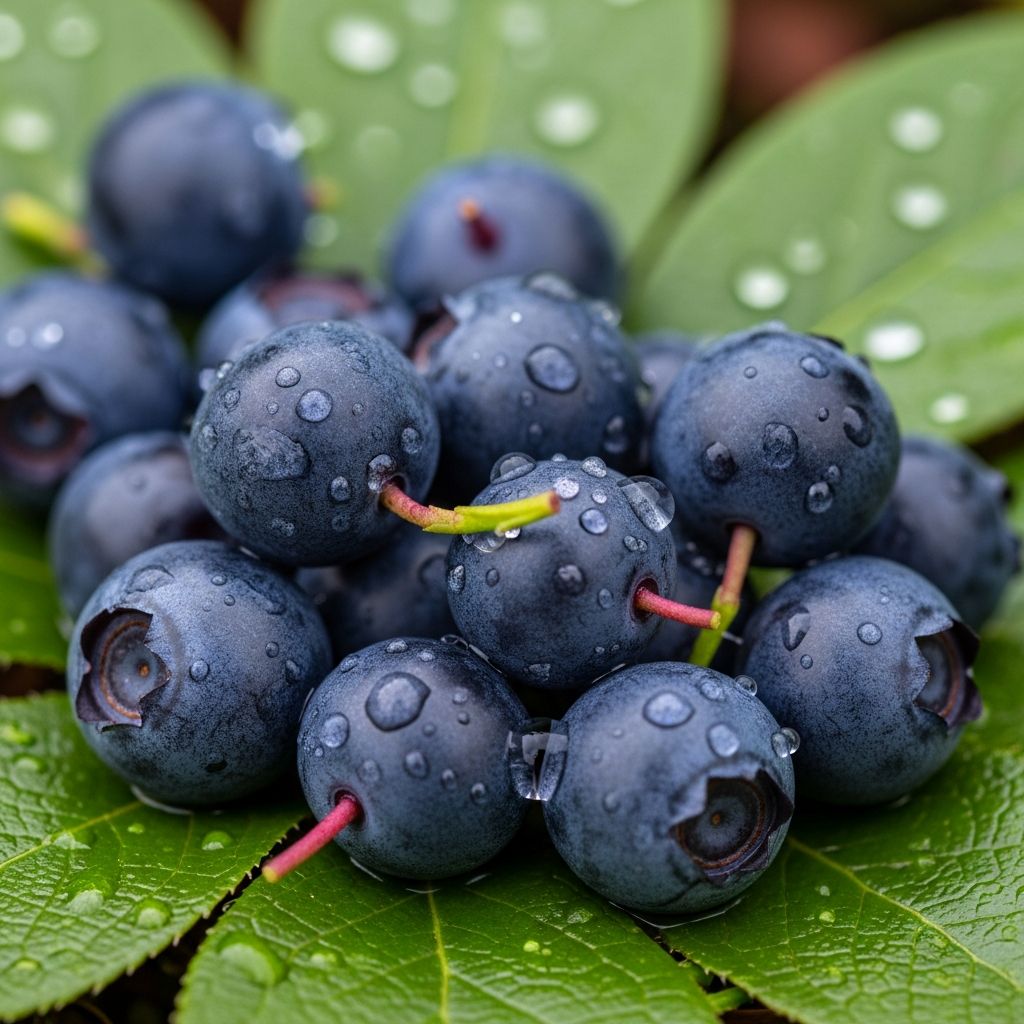
Bilberry, a fruit closely related to blueberries and cranberries, has been used for centuries in traditional medicine and culinary applications across Europe. This small, dark purple berry has gained considerable attention in modern herbal medicine due to its rich concentration of biologically active compounds, particularly anthocyanosides and anthocyanins. The renewed scientific interest in bilberry stems partly from historical accounts, such as the famous reports from World War II British Royal Air Force pilots who consumed bilberry jam before missions, believing it enhanced their night vision. While this anecdotal evidence sparked decades of investigation, contemporary research has uncovered multiple therapeutic applications extending far beyond vision support.
The Active Compounds in Bilberry
The therapeutic potential of bilberry lies in its impressive array of phytochemical constituents. The fruit contains powerful anthocyanins and anthocyanosides, polyphenolic compounds that serve as the primary bioactive components responsible for most of bilberry’s health benefits. These compounds are readily absorbable in human physiology, providing excellent bioavailability and bioactivity. Additionally, bilberry contains caffeic acid, catechin, quercetin, kaempferol, and tannins—all contributing to its antioxidant and anti-inflammatory properties. The high polyphenol content makes bilberry a nutritionally dense superfruit with multiple mechanisms of action in the body.
Eye Health and Vision Support
Bilberry’s most celebrated application remains eye health support. Historical use dating back centuries focused on treating various eye infectious diseases and promoting clear vision. Modern research has investigated bilberry’s protective effects against several ocular conditions, with varying degrees of evidence.
Vision Enhancement and Night Vision
While World War II pilots reported dramatic improvements in night vision after consuming bilberry jam, scientific evidence on this specific application remains contested. Double-blind, placebo-controlled studies have provided mixed results regarding night vision enhancement. The balance of evidence suggests that while bilberry may offer some benefit, it may not be as universally effective as historical anecdotes suggest. However, recent studies have shown more promising results, with a 2023 double-blind placebo-controlled study documenting significant improvements in pupillary response in participants given bilberries compared to placebo groups.
Protection Against Age-Related Eye Conditions
Bilberry demonstrates more robust evidence for protecting against age-related eye disorders. The anthocyanins in bilberry provide defensive effects on specific enzymes, including heme oxygenase-1 (HO-1) and glutathione-S-transferase-pi (GST-pi), in retinal pigment epithelial cells. This mechanism helps maintain ocular cellular homeostasis and promotes regeneration of ocular physiology. Research specifically supports bilberry’s potential benefits for macular degeneration, diabetic retinopathy, and cataracts, making it a promising supplement for individuals concerned about age-related vision decline.
Blue Light and UV Protection
Contemporary research has identified new protective applications for bilberry related to modern environmental stressors. Blue light, a wavelength of visible light frequently produced by computer screens, has been linked to age-related eye disorders. Research demonstrates that the antioxidants in bilberry provide protective effects against blue light exposure, reducing oxidative stress, free radical production, and DNA damage caused by screen exposure. Additionally, bilberry extracts have shown protective effects against UV-B damage, which can occur during outdoor activities, making it particularly relevant for individuals with high sun exposure.
Eye Fatigue and Function
A 2017 study documented improvements in eye function and decreased eye fatigue when individuals were administered bilberry supplements, providing practical evidence for individuals experiencing digital eye strain and visual fatigue.
Antioxidant and Anti-Inflammatory Properties
Beyond eye health, bilberry’s antioxidant properties represent one of its most valuable therapeutic attributes. The anthocyanins derived from bilberry demonstrate potent antioxidant activity and form chelates with metal ions, providing cell protective effects against oxidative damage. These compounds function as free radical scavengers, combating apolipoprotein B and preventing elevation of low-density lipoprotein cholesterol levels. Importantly, bilberry extracts show activity against ultraviolet-induced oxidative fragmentation, and animal studies demonstrate that bilberry supplementation can delay aging by reducing oxidative stress. Research further indicates that anthocyanins can reduce the toxicity of certain medications, including doxorubicin, a chemotherapy agent.
Related Stories



Regarding inflammation, while acute inflammation serves as a defensive mechanism, chronic inflammatory conditions increase oxidative stress and promote multiple ailments including cardiovascular diseases and cancer. The anthocyanins in bilberry effectively treat inflammatory conditions by controlling cellular protein degradation through proteasome inhibition and suppressing nuclear factor κB activation, which stimulates inflammation through genetic expression modulation. Human studies have demonstrated that bilberry juice intake can control various pro-inflammatory factors and function as an immune modulator.
Blood Sugar Management and Diabetes Support
Research suggests bilberry possesses hypoglycemic properties that may benefit individuals with diabetes. Animal studies have found that anthocyanins present in bilberry stimulate insulin secretion, supporting more effective blood glucose regulation. Beyond glucose control, bilberry addresses multiple diabetes-related risk factors including increased oxidative stress, inflammatory conditions, and dyslipidemia. The comprehensive action of bilberry compounds provides preventive effects and may help manage diabetic complications, including increased cardiovascular disease risk and retinopathy. Some studies suggest bilerries can lower blood sugar and cholesterol levels, making them of particular interest to individuals with diabetes or metabolic syndrome.
Cardiovascular Health Benefits
Bilberry’s cardiovascular applications represent an emerging area of significant therapeutic potential. Numerous studies have linked bilberry to potentially beneficial effects in the cardiovascular system, specifically related to free radical removal and protective effects on heart tissue and muscle. The high polyphenol content in bilberries may contribute to blood pressure reduction, though research findings remain mixed. If bilberry positively impacts blood pressure, the mechanism likely relates to its polyphenolic compounds and antioxidant activity. These mechanisms collectively support cardiovascular health by reducing oxidative stress and inflammation—two primary drivers of cardiovascular disease.
Cognitive Function and Brain Health
Emerging research demonstrates that bilberry may support motor and cognitive functions during normal aging. The complex array of compounds in bilberry, including anthocyanin, caffeic acid, catechin, quercetin, kaempferol, and tannin, have been shown to mediate signaling pathways involved in inflammation, cell survival, neurotransmission, and enhanced neuroplasticity. These mechanisms suggest potential applications in supporting memory, cognitive performance, and potentially slowing age-related cognitive decline, though further research is warranted to establish robust clinical evidence.
Immune System Enhancement
The anti-inflammatory and antioxidant properties of bilberry promote immune system function and boost overall immune capacity. The immunomodulatory effects of bilberry compounds demonstrate anti-tumorigenic potential, potentially decreasing cancer risk. Additionally, bilberry’s antimicrobial properties prevent infections and reduce associated immune system deterioration, helping prevent infection-induced aging processes and chronic disorders. This comprehensive immune support positions bilberry as a valuable supplement for individuals seeking to maintain robust immune function.
Additional Therapeutic Applications
Research has investigated bilberry for several other health conditions with varying levels of evidence:
Hemorrhoid Relief
One double-blind study suggested that bilberries might be helpful for hemorrhoids, though additional research is needed to confirm these effects robustly.
Skin Health and Atopic Dermatitis
An older animal study found that anthocyanins from bilberry might help treat itching associated with atopic dermatitis, offering potential benefits for individuals with inflammatory skin conditions.
Gum and Oral Health
A 2015 study found that consuming high amounts of bilberries reduced markers of gingivitis, though improvements were comparable to standard dental treatment. However, the sugar content in bilberries warrants consideration when evaluating their oral health benefits. A clinical trial of 24 adults published in 2015 confirmed that consuming bilberries helped reduce gum inflammation and bleeding.
Antimicrobial Properties
Bilberries are high in tannins, which reportedly have bacteria-killing properties against certain foodborne pathogenic and spoilage bacteria, making them potentially useful for food preservation and antimicrobial applications.
Safety Profile and Considerations
Bilberry consumption is generally safe and well-tolerated, with minimal side effects reported in most individuals. However, certain populations require caution. Pregnant women should consult healthcare providers before consuming bilberry supplements in therapeutic doses. Additionally, individuals with liver or kidney issues should exercise caution, as the safety of bilberry leaf (distinct from the fruit) is less well understood. As with any supplement, consultation with qualified healthcare practitioners before beginning bilberry supplementation is advisable, particularly for individuals taking medications or with pre-existing health conditions.
Frequently Asked Questions About Bilberry
Q: What are anthocyanins and why are they important in bilberry?
A: Anthocyanins are powerful polyphenolic compounds found abundantly in bilberry that function as potent antioxidants. These compounds are responsible for the berry’s dark purple color and provide most of its therapeutic benefits, including antioxidant, anti-inflammatory, and neuroprotective effects.
Q: Is the World War II pilot story about bilberry night vision scientifically proven?
A: While British Royal Air Force pilots reported improved night vision after consuming bilberry jam before missions, this remains anecdotal evidence. Double-blind, placebo-controlled studies have provided mixed results, suggesting bilberry may not be as universally effective for night vision enhancement as historical accounts suggest.
Q: Can bilberry help with diabetes?
A: Research suggests bilberry may help manage blood sugar levels through its hypoglycemic properties and by addressing multiple diabetes-related risk factors including oxidative stress and inflammation. However, individuals with diabetes should consult healthcare providers before using bilberry supplements as adjunctive therapy.
Q: Is bilberry safe for pregnant women?
A: Caution is advised for pregnant women considering bilberry supplements. While the fruit itself is generally safe, therapeutic doses of bilberry supplements should only be used under professional medical guidance during pregnancy.
Q: How should bilberry be consumed for maximum health benefits?
A: Bilberry can be consumed as fresh fruit, juice, or standardized herbal supplements containing anthocyanosides. The optimal dosage and form depend on the specific health condition being addressed and individual circumstances. Professional guidance from qualified healthcare practitioners is recommended for determining appropriate bilberry supplementation protocols.
Q: Are there any documented drug interactions with bilberry?
A: While bilberry is generally well-tolerated, research indicates that anthocyanins may reduce the toxicity of certain medications like doxorubicin. Individuals taking medications should consult healthcare providers before beginning bilberry supplementation to prevent potential interactions.
References
- Health Benefits of Bilberry: Vision Care, Glucose Control and Immune Function — Oxford Vitality. 2024. https://oxfordvitality.co.uk/blogs/news/bilberry-health-benefits
- Health Benefits of Bilberry — Natural Healthy Concepts. 2024. https://www.nhc.com/bilberry
- Bilberry’s Therapeutic Uses — EBSCO Research Starters. 2024. https://www.ebsco.com/research-starters/complementary-and-alternative-medicine/bilberrys-therapeutic-uses
- Benefits of Bilberry and How to Add Them to the Diet — Medical News Today. 2024. https://www.medicalnewstoday.com/articles/bilberry-benefits
- Dietary Supplements for Eye Conditions — National Center for Complementary and Integrative Health (NCCIH), National Institutes of Health. 2024. https://www.nccih.nih.gov/health/providers/digest/dietary-supplements-for-eye-conditions
- Do Supplements Work? The Truth on 3 Trendy Remedies — AARP. 2024. https://www.aarp.org/health/drugs-supplements/do-supplements-work/
Similar Articles








Read full bio of medha deb