Understanding Bile Ducts: Function, Anatomy & Digestive Role
Learn how bile ducts work in your digestive system and maintain digestive health.
What Are Bile Ducts?
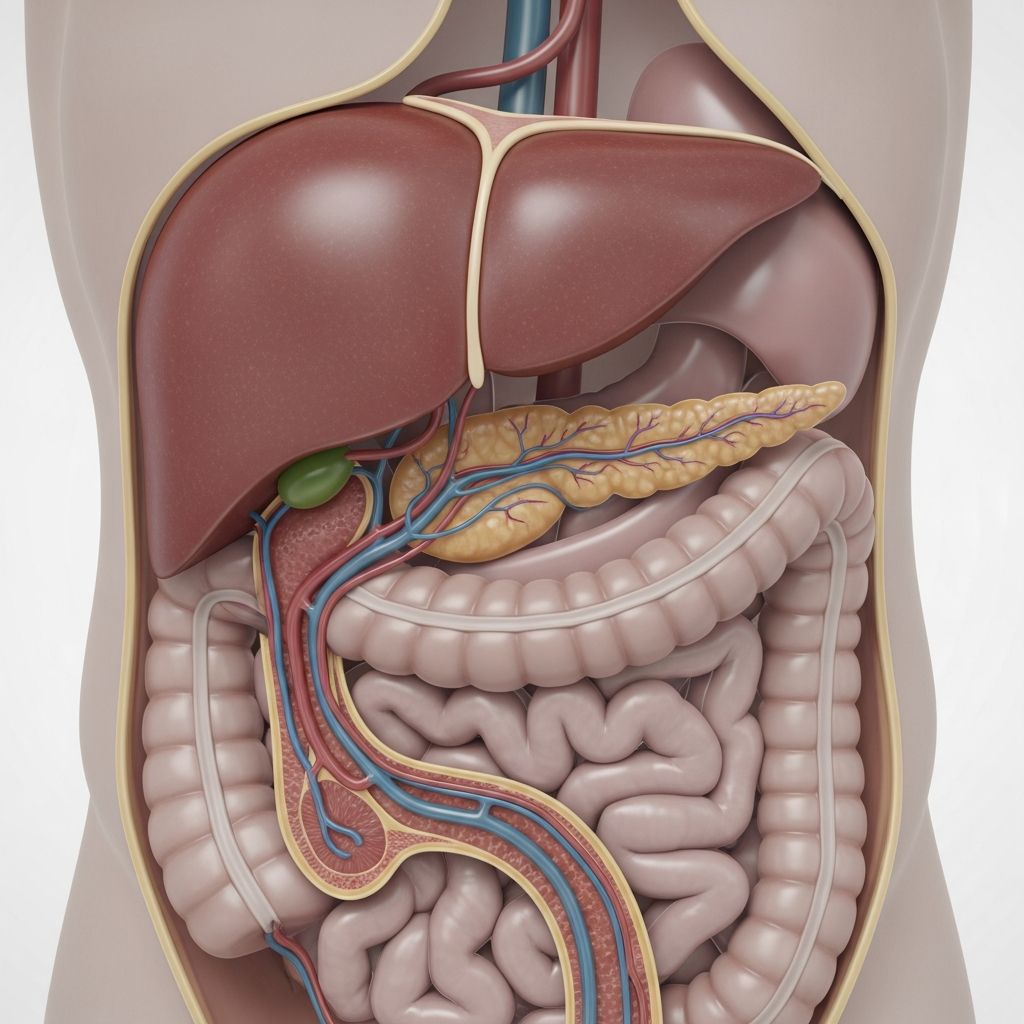
Bile ducts are tiny canals that connect organs in your digestive system, serving as essential pathways for bile transport. These microscopic tubes form part of your biliary system, which includes your liver, gallbladder, and small intestine. The primary function of bile ducts is to carry bile between these organs, ensuring that digestive fluid reaches the right place at the right time. Without properly functioning bile ducts, your digestive system cannot efficiently break down fats and proteins in the foods you consume.
Your body uses bile for several critical purposes during digestion. Bile is a fluid your liver produces continuously, and it contains bile acids that help break down fats and proteins during the digestive process. These acids are highly corrosive and can damage organs that aren’t specifically designed to carry them. This is why bile ducts are essential—they safely contain and transport these powerful digestive substances. Additionally, bile ducts carry digestive enzymes from your pancreas that have similar damaging properties if they come into contact with unprotected tissues.
Anatomy of the Biliary System
Understanding the structure of your bile ducts and biliary system helps explain how digestion works and what can go wrong. The biliary system is organized like a tree with branches that grow progressively larger, which is why it’s often called the “biliary tree.”
Starting Point: The Liver
Your biliary system begins in your liver, which sits in the upper right quadrant of your abdomen. Tiny branching bile ducts inside your liver collect bile as your liver manufactures it. These are called your intrahepatic (meaning “inside the liver”) bile ducts. As bile is produced, it flows into these microscopic channels within the liver tissue itself.
Hepatic Ducts and Common Hepatic Duct
The intrahepatic ducts gradually join together to form larger branches called the right and left hepatic ducts. These two major branches represent the main drainage pathways from different sections of your liver. These right and left hepatic ducts join outside of your liver to form the common hepatic duct. Branches that exist outside of your liver are technically called extrahepatic ducts, distinguishing them from the ducts within liver tissue.
The Common Bile Duct
Your common hepatic duct connects to your gallbladder through a smaller tube called the cystic duct, and this connection forms your common bile duct. The common bile duct is your largest bile duct, measuring approximately 10 centimeters (about 4 inches) in length. This major duct serves as the main trunk of the biliary tree, where all the other bile duct branches connect. Approximately half of the bile from your liver flows directly into the common bile duct as the main route to your intestines. The other half of your bile is diverted to your gallbladder for storage.
The Gallbladder’s Role
Your gallbladder lies just underneath your liver and functions as a specialized storage compartment for bile that isn’t needed immediately. The gallbladder receives bile from the common hepatic duct through the cystic duct and holds it until it receives a signal that your small intestine needs digestive assistance. After a meal high in fats and proteins, your gallbladder contracts and squeezes bile out into the cystic duct, which delivers it to the common bile duct. From there, the bile travels down to your small intestine where it mixes with food to aid digestion.
How Bile Ducts Function During Digestion
Related Stories



The bile duct system operates with remarkable precision, responding to your body’s digestive needs. When you consume food containing fats and proteins, your small intestine detects these nutrients and signals your gallbladder to release stored bile. This communication system ensures that digestive juices arrive exactly when and where they’re needed.
The common bile duct works in coordination with your pancreatic duct at a specific anatomical location. Your pancreatic duct joins the common bile duct at the same opening in your small intestine, though the two ducts remain functionally separate until they reach this final point. This opening, called the ampulla of Vater, is where bile and pancreatic enzymes merge before entering your duodenum—the first part of your small intestine. At this junction, both digestive fluids combine to work synergistically in breaking down food components.
Conditions Affecting Bile Ducts
Bile Duct Obstruction
When the flow of bile through your bile ducts becomes blocked or significantly slowed, serious health problems can develop. Blockages in your bile ducts can cause bile to back up and accumulate in your liver, leading to painful symptoms and potentially serious health complications without proper treatment. Several conditions can cause these obstructions.
Gallstones in Bile Ducts
Gallstones are the most common cause of bile duct obstruction. Most commonly, gallstones form in your gallbladder and then move out from there into your common bile duct. This specific condition has its own medical name: choledocholithiasis. When gallstones in your bile ducts grow large enough, they can completely obstruct the flow of bile, preventing it from reaching your intestines. The severity of symptoms depends on the size and location of the stone within the bile duct system.
Bile Duct Stricture
Bile duct stricture is another significant condition that obstructs bile flow. Stricture occurs when your bile ducts become abnormally narrow. Long-term inflammation can cause biliary stricture by creating scar tissue within your bile ducts. This scarring progressively narrows the duct’s diameter, restricting bile passage. Birth disorders such as biliary atresia and Alagille syndrome can also cause strictures by affecting the normal development and structure of bile ducts.
The Importance of Proper Bile Duct Function
Your bile ducts perform critical functions that go beyond simple transport. They maintain the delicate balance necessary for proper digestion while protecting your organs from the corrosive properties of bile acids and pancreatic enzymes. If dilation or an obstruction blocks the flow of bile through your bile ducts, it can cause multiple complications throughout your digestive system.
Blockages cause bile to accumulate in your liver, which can lead to liver damage, jaundice (yellowing of the skin and eyes), and severe abdominal pain. Bile backing up in your system can also cause inflammation of the pancreas, a dangerous condition called pancreatitis. Additionally, obstructions prevent proper fat digestion, leading to malabsorption of fat-soluble vitamins (A, D, E, and K) and nutritional deficiencies.
Diagnostic and Treatment Considerations
Healthcare providers have several methods for evaluating bile duct health and function. When bile duct problems are suspected, imaging studies such as ultrasound, CT scans, or specialized techniques like ERCP (endoscopic retrograde cholangiopancreatography) may be used. ERCP is particularly valuable because it allows physicians not only to visualize the bile ducts but also to remove obstructions, extract gallstones, or place stents to keep ducts open.
Treatment depends on the underlying cause of the bile duct problem. Gallstones may require removal through endoscopic procedures or, in some cases, surgical intervention. Strictures might need balloon dilation or stent placement. Infections of the bile ducts require antibiotic treatment, and in some cases, additional procedures to restore proper bile flow.
Maintaining Bile Duct Health
While you cannot directly control your bile duct function, certain lifestyle choices support overall biliary system health. Maintaining a balanced diet with appropriate fat intake, staying well-hydrated, and keeping a healthy weight can reduce your risk of gallstone formation. Regular physical activity supports digestive health and overall organ function. If you experience symptoms such as severe abdominal pain, persistent jaundice, or signs of infection, seeking prompt medical evaluation is essential for protecting your bile ducts and overall health.
Frequently Asked Questions
Q: How long are bile ducts in the human body?
A: The common bile duct, your largest bile duct, measures approximately 10 centimeters (about 4 inches) in length. However, your entire biliary tree system includes many smaller ducts that branch throughout your liver and connect your organs.
Q: What happens if a bile duct becomes completely blocked?
A: A complete bile duct blockage prevents bile from flowing into your intestines, causing it to back up into your liver. This can result in jaundice, severe pain, infection, and potentially serious liver complications if not treated promptly.
Q: Can bile ducts repair themselves?
A: While bile ducts have some regenerative capacity, serious damage such as strictures from scarring typically require medical intervention. Most bile duct problems require professional treatment rather than self-healing.
Q: Are bile ducts the same as the biliary tract?
A: The biliary tract, also called the biliary system or biliary tree, is the complete network of bile ducts and organs including your liver, gallbladder, and ducts. Bile ducts are the tube components within this larger system.
Q: What symptoms indicate a bile duct problem?
A: Symptoms of bile duct problems include severe abdominal pain, jaundice (yellowing of skin and eyes), dark urine, pale stools, fever, and nausea. Any of these symptoms warrant immediate medical evaluation.
References
- What Are Bile Ducts? — Cleveland Clinic. 2024-11-15. https://my.clevelandclinic.org/health/body/24523-bile-duct
- Bile Duct Obstruction: Symptoms, Causes & Treatment — Cleveland Clinic. 2024-11-15. https://my.clevelandclinic.org/health/diseases/bile-duct-obstruction
- Bile: What It Is, Where It’s Made & What It Does — Cleveland Clinic. 2024-11-15. https://my.clevelandclinic.org/health/body/what-is-bile
- Gallbladder: What Is It, Function, Location & Anatomy — Cleveland Clinic. 2024-11-15. https://my.clevelandclinic.org/health/body/21690-gallbladder
- Ampulla of Vater: What It Is, Location & Function — Cleveland Clinic. 2024-11-15. https://my.clevelandclinic.org/health/body/24209-ampulla-of-vater
- Bile duct — Britannica. 2024. https://www.britannica.com/science/bile-duct
- Biliary Tree (Tract): What It Is, Anatomy & Function — Cleveland Clinic. 2024-11-15. https://my.clevelandclinic.org/health/body/biliary-tract
Similar Articles








Read full bio of medha deb