Biliary Atresia: Symptoms, Causes & Treatment
Understanding biliary atresia: causes, diagnosis, and surgical treatment options for infants.
Biliary Atresia: A Serious Liver Condition in Newborns
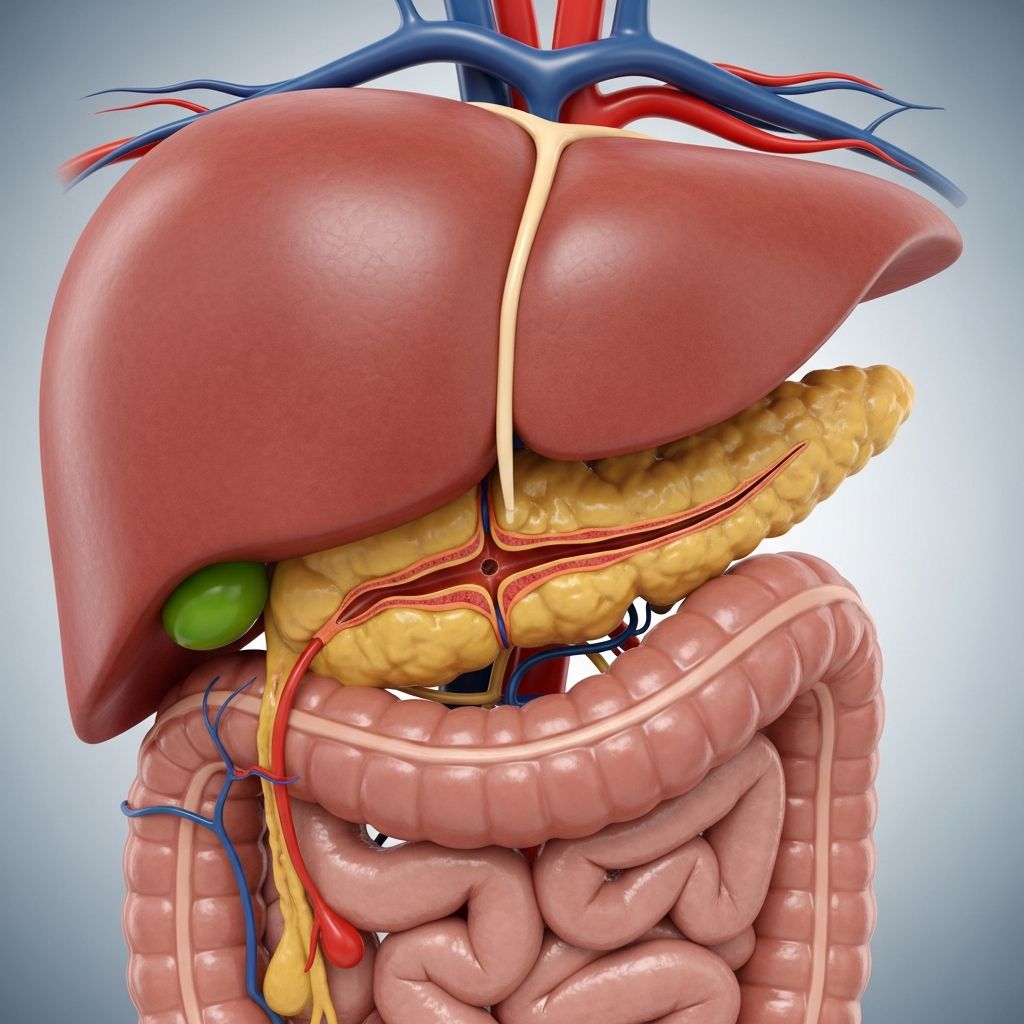
Biliary atresia is a serious liver disorder that occurs before or shortly after birth when a baby’s bile ducts—the tubes that carry bile from the liver to the small intestine—become blocked or absent. This rare but significant condition affects newborn infants and requires prompt diagnosis and treatment. In biliary atresia, the common bile duct between the liver and the small intestine is either completely blocked or fails to develop properly, preventing bile from flowing into the gastrointestinal tract. Without treatment, this condition progresses to end-stage liver disease and can lead to death within two years if left untreated.
Understanding the Disease Process
The progression of biliary atresia involves a complex inflammatory process that damages the bile ducts outside the liver, known as extrahepatic bile ducts. Initially, these bile ducts are abnormal and become damaged by progressive inflammation. Over time, biliary strictures—which are narrowings of the bile ducts—form and prevent bile from draining properly into the intestine from the liver. When bile cannot flow correctly, it becomes trapped and accumulates in the liver, which then damages the intrahepatic bile ducts located within the liver itself.
This accumulation of bile in the liver leads to several serious complications. The trapped bile causes jaundice, which is the yellowing of the skin and eyes. Additionally, cirrhosis develops as scar tissue builds up in the liver, and hepatomegaly occurs when the liver becomes enlarged and swollen. The progressive nature of this condition makes early detection and intervention crucial for improving outcomes and preventing irreversible liver damage.
Symptoms and Signs of Biliary Atresia
Parents and healthcare providers should be alert for specific symptoms that may indicate biliary atresia in newborn infants. The primary symptom is jaundice, which typically appears within the first two months of life. While jaundice is common in newborns and often resolves on its own, persistent jaundice beyond two weeks of age may signal an underlying condition like biliary atresia.
Additional symptoms and signs include:
- Pale or clay-colored stools, which indicate a lack of bile in the intestines
- Dark urine or tea-colored urine
- Hepatomegaly, or enlargement of the liver, which may be felt as a lump beneath the right rib cage
- Persistent itching, which can be uncomfortable for the infant
- Poor weight gain or failure to thrive
- Abdominal swelling or distension
The presence of these symptoms, particularly when combined with persistent jaundice, warrants immediate medical evaluation to rule out biliary atresia and other serious liver conditions.
Diagnostic Procedures and Tests
Early diagnosis is key to improving outcomes and starting treatment quickly. Healthcare providers employ several diagnostic methods to confirm biliary atresia and rule out other conditions causing jaundice in newborns.
Blood Tests: Laboratory tests are performed to check liver function, measure bilirubin levels, and assess the overall health of the liver. These blood tests help establish whether the baby’s liver is functioning abnormally and guide further diagnostic decisions.
Ultrasound: An ultrasound examination is used to visualize the liver and bile ducts without exposing the infant to radiation. This imaging technique can reveal the structure of the bile ducts and help identify abnormalities.
Nuclear Medicine Scans: Also known as hepatobiliary imaging or HIDA scans, these tests involve injecting a small amount of radioactive material that is taken up by the liver. The scan assesses the flow of bile and can determine whether bile is moving from the liver into the intestine.
Related Stories



Liver Biopsy: During a liver biopsy, a tiny sample of liver tissue is removed using a needle and examined under a microscope by a pathologist—a physician specializing in tissue analysis. The biopsy can be helpful in determining whether surgery is necessary and in confirming the diagnosis.
Intraoperative Cholangiogram: This definitive diagnostic test is scheduled when the diagnosis of biliary atresia is likely. During this procedure, a contrast dye is injected into the gallbladder while the flow of dye is monitored using X-ray technology. If there is no flow of contrast into the extrahepatic biliary ducts, a diagnosis of biliary atresia is confirmed. If the diagnosis is confirmed during this test, the surgeon will proceed immediately with the Kasai procedure.
The Kasai Procedure: Primary Treatment Option
The Kasai procedure, also known as hepatoportoenterostomy or biliary atresia surgery, is the preferred and first-line treatment for biliary atresia. This surgical intervention represents the most effective way to restore bile flow and prevent liver failure in affected infants. The procedure has been performed successfully for more than 30 years and remains the gold standard treatment approach.
How the Kasai Procedure Works: During the Kasai procedure, the surgeon removes the baby’s gallbladder and the abnormal bile ducts where they connect with the liver. The surgeon then uses a piece of the baby’s small intestine—specifically a segment called the jejunum—to replace the damaged bile ducts. This creates a direct connection between the liver and the intestine, allowing bile to bypass the blocked ducts and drain properly into the gastrointestinal tract. If successful, this new pathway allows bile to flow into the baby’s intestine, effectively stopping the effects of biliary atresia.
Surgical Timing and Success Rates: The timing of the Kasai procedure is critically important for its success. When the Kasai procedure is performed within 60 days of birth, biliary flow is achieved in up to 70% of patients. However, if the procedure is performed after 90 days of age, biliary flow is achieved in fewer than 25% of patients. This dramatic difference underscores the importance of rapid diagnosis and timely surgical intervention to maximize the chances of successful bile drainage.
Surgical Procedure Details
Pre-operative Preparation: Before starting the Kasai procedure, your baby’s surgeon must confirm the diagnosis of biliary atresia through an intraoperative cholangiogram. The baby will be prepared for surgery by receiving intravenous (IV) fluids to maintain hydration, maintain blood sugar levels, and provide essential nutrients. Antibiotics are also given intravenously to reduce the risk of infection during and after the procedure.
The Cholangiogram: To confirm the diagnosis, the surgeon makes an incision below the baby’s ribs on the right side of the belly, or alternatively uses laparoscopic surgery to place a small tube into the baby’s gallbladder. The surgeon then injects medication that helps visualize the bile ducts using an X-ray machine. If a blocked gallbladder and bile ducts prevent bile from draining from the liver, biliary atresia is confirmed, and the surgical procedure proceeds.
The Operative Procedure: Once the diagnosis is confirmed, the surgeon removes the baby’s gallbladder and abnormal bile ducts. A segment of the baby’s small intestine is then sutured directly to the liver, creating a new pathway for bile drainage. The surgery typically takes several hours to complete.
Post-operative Recovery and Hospital Stay
Following the Kasai procedure, your baby will spend five to 10 days in intensive care to recover and be monitored closely. During the initial recovery period, babies are not fed by mouth for the first few days after surgery, allowing their internal wounds time to heal properly. Instead, healthcare providers deliver nutrients intravenously during these first days. After several days, babies will begin receiving nutrition through a nasogastric tube, which is a feeding tube inserted through the nose. Gradually, babies transition to taking food through their mouth as their digestive system recovers.
Wound Management: Surgeons place surgical drains around your baby’s incision to help remove fluids from the wound and promote proper healing. These drains are typically removed before your baby leaves the hospital.
Monitoring During Recovery: While in the hospital, medical providers watch your baby closely for signs of proper bile drainage, including the return of normal coloring to your baby’s stool and improved liver function test results. Providers also monitor for signs of bleeding, bile leakage, gas production, and bowel movements, which all indicate that bile is draining correctly from the liver into the intestines. Your baby may need some medications to help improve the drainage.
Discharge Criteria: The surgeon will discharge your baby from the hospital once the incision begins to heal, liver function tests improve, and your baby can tolerate formula or breastfeeding. Your baby’s healthcare team considers the Kasai procedure successful if your baby does not have jaundice for six months after surgery.
Long-term Management and Follow-up Care
After the Kasai procedure, children require ongoing medical care and management to optimize their health and quality of life. If your baby has biliary atresia, their provider will recommend regular appointments to monitor their progress and adjust care as needed.
Nutritional Support: Children who have undergone the Kasai procedure often require specialized nutritional support, including high-calorie feedings to ensure adequate growth and development. Fat-soluble vitamin supplements—including vitamins A, D, E, and K—are typically prescribed because these vitamins are not well-absorbed without adequate bile flow.
Infection Prevention: Medications to reduce infection risk and inflammation may be prescribed following surgery. A common complication after the Kasai procedure is a liver infection called cholangitis. Your baby’s provider may prescribe prophylactic antibiotics after surgery to help prevent this serious complication, and if an infection occurs, your baby’s doctor will treat it promptly with intravenous antibiotics.
Ongoing Assessment: Some babies who have the Kasai procedure have continued blockages in their bile ducts and may need further treatment or intervention over time. Some children thrive for many years post-surgery, while others may require additional interventions. Regular follow-up appointments allow healthcare providers to monitor liver function and detect any complications early.
Signs Requiring Medical Attention
Once your baby is back home after the Kasai procedure, parents should watch for specific symptoms and call their provider if they occur:
- Return or persistence of jaundice
- Pale or clay-colored stools
- Dark urine
- Abdominal swelling or distension
- Fever or signs of infection
- Poor feeding or weight loss
- Excessive itching
- Vomiting or persistent diarrhea
Prognosis and Alternative Treatment Options
While healthcare providers cannot cure biliary atresia, the Kasai procedure can slow—and sometimes stop—the progression of the disease. In some cases, the procedure can prevent liver failure entirely. However, if the Kasai procedure is unsuccessful or if liver failure develops despite surgery, liver transplantation may become necessary. Liver transplant offers the only definitive cure for end-stage liver disease resulting from biliary atresia.
The outcomes of the Kasai procedure vary significantly based on the timing of surgery and other individual factors. Early diagnosis and prompt surgical intervention offer the best chance for successful bile drainage and long-term health.
Frequently Asked Questions
Q: What causes biliary atresia?
A: The exact cause of biliary atresia remains unknown. Researchers believe it may result from a combination of genetic and environmental factors that lead to abnormal development or progressive inflammation of the bile ducts before or shortly after birth.
Q: At what age is biliary atresia typically diagnosed?
A: Healthcare providers usually diagnose babies with biliary atresia within the first two months of life, often by detecting persistent jaundice beyond two weeks of age combined with characteristic symptoms like pale stools and dark urine.
Q: How successful is the Kasai procedure?
A: Success rates for the Kasai procedure depend heavily on timing. When performed within 60 days of birth, successful bile flow is achieved in up to 70% of patients, but this drops to fewer than 25% when performed after 90 days of age.
Q: What happens if the Kasai procedure is unsuccessful?
A: If the Kasai procedure fails to restore adequate bile flow, liver transplantation becomes the treatment option. Liver transplant offers the definitive cure for end-stage liver disease resulting from biliary atresia.
Q: Can biliary atresia be prevented?
A: There is currently no known way to prevent biliary atresia, as the exact cause remains unclear. Early detection and prompt surgical intervention remain the most effective strategies for improving outcomes.
References
- Biliary Atresia — Children’s Hospital of Philadelphia. Accessed 2025. https://www.chop.edu/conditions-diseases/biliary-atresia
- Biliary Atresia — UCSF Department of Surgery. Accessed 2025. https://hpbsurgery.ucsf.edu/condition/biliary-atresia
- Biliary Atresia Explained: From Diagnosis to Treatment — Medical Report Foundation. 2023. https://www.medreport.foundation/post/biliary-atresia-explained-from-diagnosis-to-treatment
- Kasai Procedure: Surgery To Treat Biliary Atresia — Cleveland Clinic. 2025. https://my.clevelandclinic.org/health/procedures/kasai-procedure
- Pediatric Cholestatic Liver Disease: Successful Transition of Care — Cleveland Clinic Journal of Medicine, Vol. 86, No. 7, 2019. https://www.ccjm.org/content/86/7/454
- Biliary Atresia Symptoms & Causes — Cleveland Clinic. 2025. https://my.clevelandclinic.org/health/diseases/21076-biliary-atresia
Similar Articles








Read full bio of Sneha Tete