Biliary Colic: Symptoms, Causes & Treatment Guide
Complete guide to understanding biliary colic: causes, symptoms, diagnosis, and effective treatment options.
What is Biliary Colic?
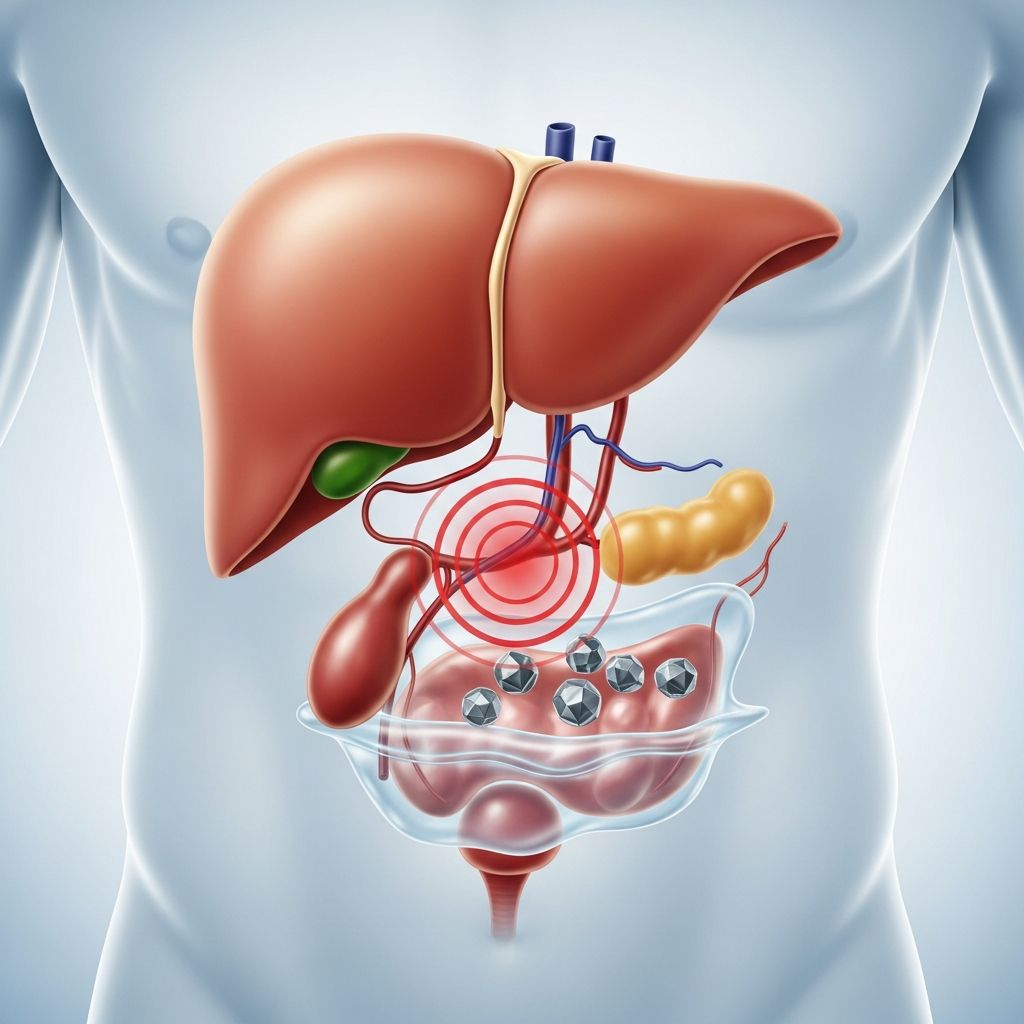
Biliary colic, also known as symptomatic cholelithiasis or a gallstone attack, is a pattern of periodic abdominal pain caused by an obstruction in your biliary tract, usually in your bile ducts or gallbladder. This condition occurs when a gallstone temporarily blocks the flow of bile, creating pressure within the gallbladder. Understanding this condition is essential for recognizing symptoms early and seeking appropriate treatment when necessary.
The biliary system plays a critical role in digestion. Your liver produces bile, which flows through a network of bile ducts and is stored in the gallbladder. When you eat, especially after consuming fatty foods, the gallbladder contracts to release bile into the small intestine, where it helps break down fats. When gallstones obstruct this flow—even partially or temporarily—the resulting pressure buildup causes the characteristic pain of biliary colic.
Symptoms of Biliary Colic
Recognizing the symptoms of biliary colic is crucial for early diagnosis and appropriate management. The condition presents with distinct characteristics that differentiate it from other digestive disorders.
Primary Symptoms
The key symptom of biliary colic is a sudden, intense abdominal pain that typically lasts between 20 minutes and several hours. The pain is often described as severe and can become so extreme that some patients seek emergency room treatment. Unlike common stomach discomfort, biliary colic pain does not improve with vomiting, bowel movements, flatulence, changes in posture, or antacid medications.
Pain Location
Pain from biliary colic typically occurs in specific areas of the body:
– The middle of the abdomen or upper belly region- Underneath the ribs on the right-hand side (right upper quadrant)- The side of the body- The shoulder blade or right shoulder
Associated Symptoms
Biliary colic pain may be accompanied by additional symptoms such as nausea and vomiting. These accompanying symptoms can intensify the discomfort experienced during an attack. However, patients with uncomplicated biliary colic typically maintain normal vital signs, which helps distinguish this condition from more serious complications.
What Causes Biliary Colic?
Gallstones: The Primary Cause
Gallstones are the most common cause of biliary colic. These hardened pieces of bile sediment form in the gallbladder or bile ducts over time. Not all gallstones cause problems—many people have gallstones without experiencing any symptoms. However, when a gallstone becomes impacted in the opening of the gallbladder or gets stuck while passing through the bile ducts, it creates an obstruction that either partially or completely blocks the flow of bile.
The mechanism behind biliary colic involves pressure buildup. When your gallbladder contracts in response to fat consumption, it attempts to release bile through the ducts. If a gallstone is partially obstructing the bile duct, the normal contraction will cause pressure to accumulate behind the obstruction, resulting in pain. The pain subsides once the gallstone becomes dislodged, bile flow slows down after digestion, or the stone successfully passes through your bile ducts and out of your body.
Triggering Factors
Many people experience biliary colic shortly after eating, particularly after consuming large or fatty meals. Fats in your small intestine trigger the release of cholecystokinin, a gastrointestinal hormone that stimulates your gallbladder to contract and release bile. This is why attacks often occur in the evening or at night after dinner.
Related Stories



Other Possible Causes
While gallstones account for most cases of biliary colic, several other conditions can trigger similar symptoms:
– Biliary stricture: Narrowing of your bile ducts due to scar tissue from previous surgery or chronic inflammation. Although the scarring is permanent, it may only cause symptoms during gallbladder contractions.- Biliary dyskinesia: Dysfunction of the muscles that move bile through your biliary tract. This often involves the gallbladder not contracting effectively or the sphincter of Oddi (the muscle that opens to allow bile into the small intestine) not functioning properly.- Cholecystitis: Inflammation of the gallbladder that can accompany or follow biliary colic episodes.- Cholangitis: Inflammation of the bile ducts, which can cause acute symptoms similar to biliary colic.
Duration of Biliary Colic Episodes
An episode of biliary colic typically lasts from 20 minutes to a few hours, with most cases resolving within one to five hours. By definition, biliary colic is temporary—the pain eventually resolves on its own. However, if pain persists beyond a few hours and continues worsening, this may indicate a more serious condition such as cholecystitis (gallbladder inflammation) or a severe blockage requiring immediate medical attention.
After the worst pain passes, soreness may persist for approximately 24 hours. Repeated attacks are common, and patients may experience several weeks or months without an attack before experiencing another episode.
Distinguishing Biliary Colic from Other Conditions
Biliary colic can be distinguished from other digestive conditions with similar symptoms, such as indigestion, gastric reflux, or heartburn. The pain from biliary colic has unique characteristics: it is not relieved by typical digestive remedies and maintains a consistent pattern of occurrence after fatty meals. Additionally, patients with uncomplicated biliary colic have normal vital signs, whereas those with complications like cholecystitis typically show fever and appear more ill.
Complications to Watch For
If something is persistently inflaming your gallbladder or bile ducts, the pain will remain and worsen. Severe blockages or infections in the gallbladder require immediate treatment. Acute cholangitis (bile duct inflammation) is recognized by a trio of symptoms known as Charcot’s triad, which includes fever, jaundice, and right upper quadrant pain.
Diagnosis of Biliary Colic
Healthcare providers use several diagnostic methods to confirm biliary colic and rule out more serious conditions:
– Laboratory tests: Complete blood count, liver function tests, and lipase measurements. In uncomplicated biliary colic, lab findings are usually within normal limits.- Imaging studies: Ultrasound or other imaging techniques to visualize gallstones and assess bile duct obstruction.- Clinical evaluation: Assessment of vital signs, pain characteristics, and medical history.
Treatment Options for Biliary Colic
Conservative Management
Acute episodes of biliary colic typically respond to analgesic medications to manage pain during attacks. Conservative management focuses on symptom relief until the episode naturally resolves.
Surgical Treatment
The definitive surgical treatment for biliary colic is cholecystectomy—removal of the gallbladder. This procedure eliminates the source of gallstone formation and prevents future episodes. Research suggests that early laparoscopic cholecystectomy, performed within 72 hours of diagnosis, may offer better outcomes than delayed surgery. Laparoscopic cholecystectomy is a minimally invasive approach that uses small incisions and specialized instruments, resulting in faster recovery times compared to open surgery.
Risk of Complications
The risk profile for biliary colic complications varies based on timing. Those experiencing their first biliary colic episode face an increasing risk of requiring emergency procedures, with risk levels ranging from less than 1% before week 20 to approximately 6% between weeks 40 and 52. Additionally, the risk of complications is estimated at 0.1–0.3% per year in asymptomatic patients with gallstones and increases to 1–3% per year after the first colic episode occurs.
When to Seek Medical Care
Contact a healthcare provider if you experience:
– Sudden, severe abdominal pain lasting more than a few hours- Pain accompanied by fever- Persistent nausea and vomiting- Yellowing of skin or eyes (jaundice)- Persistent pain even after acute episode resolution
Lifestyle Considerations
While gallstones themselves cannot be dissolved through dietary changes alone, managing fat intake may help reduce the frequency of biliary colic attacks in susceptible individuals. Avoiding large, fatty meals—which are known triggers for gallbladder contractions—can help minimize the likelihood of experiencing episodes.
Frequently Asked Questions
Q: How long does a typical biliary colic attack last?
A: Most biliary colic episodes last between 20 minutes and a few hours, with typical duration ranging from 1 to 5 hours. If pain persists beyond this timeframe and worsens, seek medical attention as this may indicate complications.
Q: Can biliary colic go away on its own?
A: Yes, individual episodes of biliary colic typically resolve on their own as the gallstone becomes dislodged or bile flow normalizes after digestion ends. However, if you have gallstones causing recurrent attacks, surgical removal of the gallbladder may be necessary for long-term prevention.
Q: What triggers biliary colic attacks?
A: Biliary colic attacks are most commonly triggered by consuming fatty meals, which stimulate gallbladder contraction. Attacks often occur in the evening or at night after eating and can happen repeatedly over weeks or months.
Q: Is biliary colic dangerous?
A: Uncomplicated biliary colic itself is not life-threatening, though the pain can be severe. However, repeated episodes indicate gallstone disease that may lead to complications like cholecystitis or cholangitis if left untreated, which require prompt medical intervention.
Q: Can I manage biliary colic without surgery?
A: While individual attacks can be managed with pain medication, definitive treatment requires cholecystectomy (gallbladder removal) to prevent future episodes and complications.
Q: What is the difference between biliary colic and cholecystitis?
A: Biliary colic involves temporary, intermittent pain from obstruction, while cholecystitis is persistent gallbladder inflammation causing continuous, worsening pain. Patients with cholecystitis typically have fever and appear more ill than those with uncomplicated biliary colic.
References
- Biliary Colic: What It Is, Symptoms & Treatment — Cleveland Clinic. 2024. https://my.clevelandclinic.org/health/symptoms/biliary-colic
- Biliary Colic — Wikipedia. Accessed 2025. https://en.wikipedia.org/wiki/Biliary_colic
- Biliary Colic: Symptoms, Treatment, and Diet — Medical News Today. 2024. https://www.medicalnewstoday.com/articles/320442
- Metabolic Dysfunction-Associated Gallstone Disease — PubMed Central, National Center for Biotechnology Information. 2023. https://pmc.ncbi.nlm.nih.gov/articles/PMC10543156/
- Bile Duct Diseases — MedlinePlus, National Library of Medicine. 2024. https://medlineplus.gov/bileductdiseases.html
Similar Articles








Read full bio of Sneha Tete