Biliary System Anatomy And Functions: Essential Guide
Understanding the biliary system: anatomy, function, and role in digestion and health.
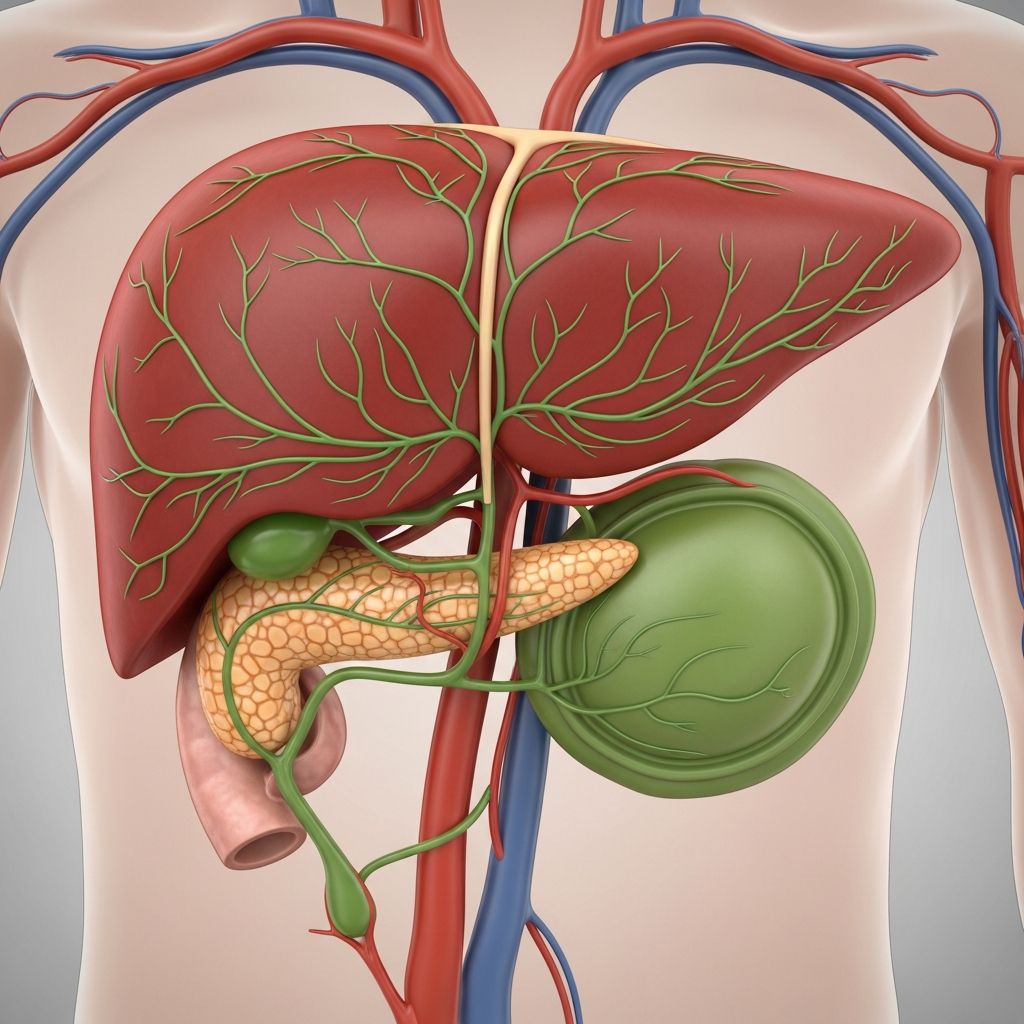
The biliary system, also known as the biliary tract, is a sophisticated network of organs and ducts that plays a crucial role in digestion and the elimination of waste from your body. This system comprises the liver, gallbladder, and a series of bile ducts that work together to produce, store, concentrate, and transport bile to facilitate the breakdown of dietary fats and the removal of waste products. Understanding the anatomy and functions of the biliary system is essential for recognizing digestive issues and maintaining overall health.
Overview of the Biliary System
The biliary system is responsible for one of the body’s most important metabolic functions: the production and circulation of bile. Bile is a greenish-yellow fluid that contains bile salts, cholesterol, phospholipids, bilirubin, and other substances necessary for proper digestion and nutrient absorption. The system operates continuously, producing approximately 500 to 1000 milliliters (50 to 100 tablespoons) of bile daily. This remarkable system works silently and efficiently, coordinating the actions of multiple organs to ensure that food is properly broken down and nutrients are effectively absorbed.
The biliary system is located in the upper portion of the abdominal cavity, with the liver positioned on the right side under the rib cage, the gallbladder tucked beneath the liver, and the bile ducts forming a branching network that connects these organs to the small intestine. This strategic positioning allows for efficient bile production and delivery to the digestive tract.
Anatomy of the Biliary System
The Liver: Bile Production Center
The liver is the largest internal organ in the body, weighing approximately 1.5 kilograms in adults. It serves as the primary site for bile production, where specialized liver cells called hepatocytes manufacture bile continuously. These hepatocytes excrete bile into tiny intercellular spaces known as canaliculi, which are channels between liver cells. The bile produced in the liver contains all the necessary components for effective digestion and waste elimination.
The liver’s role in bile production is just one of many vital functions. It also performs metabolic functions, maintains blood glucose levels, synthesizes essential serum proteins such as albumin and blood clotting factors, stores vital nutrients including glycogen and fat-soluble vitamins, and detoxifies harmful substances. When the biliary system functions optimally, all these hepatic functions work seamlessly together.
The Bile Ducts: Pathways for Bile Transport
After bile is produced in the liver, it travels through a complex network of ducts. The canaliculi within the liver drain into increasingly larger ducts until they form the right and left hepatic ducts. These two main ducts converge to form the common hepatic duct, which represents the primary channel for bile flowing out of the liver.
The bile duct system is organized into three main segments based on anatomical location:
Intrahepatic Bile Ducts: These are the smallest ducts located within the liver tissue itself. They collect bile from individual hepatocytes and gradually combine to form the right and left hepatic ducts, which drain the bile from each respective lobe of the liver.
Perihilar Bile Ducts: Also known as proximal extrahepatic bile ducts, these ducts are located just outside the liver at the hilum, which is the area where blood vessels and ducts enter and exit the liver. They represent the transition zone between the liver’s internal ducts and the ducts further removed from the liver.
Related Stories



Distal Bile Duct: This is the portion of the bile duct system that extends farther from the liver. It includes most of the common bile duct and represents the final segment before bile enters the small intestine through an opening called the ampulla of Vater.
The Gallbladder: Storage and Concentration
The gallbladder is a small, pear-shaped organ located directly beneath the liver on the right side of the body. It measures approximately 7 to 10 centimeters in length and has a storage capacity of 30 to 80 milliliters (6 to 16 teaspoons), with some sources indicating capacities up to 50 milliliters (about 5 tablespoons). Despite its small size, the gallbladder performs the critical function of concentrating bile by absorbing water from it, making the bile up to 10 times more potent in its digestive capabilities.
The gallbladder is connected to the biliary system through the cystic duct, which links it to the common hepatic duct. When bile is not immediately needed for digestion, it flows from the liver through the cystic duct into the gallbladder for storage. There, the gallbladder’s specialized epithelial lining absorbs water and electrolytes, concentrating the bile and preparing it for rapid release when needed.
Gallbladder Wall Structure: The gallbladder wall consists of four distinct layers:
– The mucosa (inner layer) composed of epithelial cells and loose connective tissue
– The muscular layer containing smooth muscle fibers that enable contraction
– The perimuscular layer providing structural support
– The serosa (outer layer) forming the external covering
The Small Intestine: Bile Delivery Site
The duodenum, which is the first portion of the small intestine, serves as the final destination for bile in the digestive system. The common bile duct merges with the duodenal opening at a specialized anatomical structure called the ampulla of Vater, where bile is released into the small intestine to begin its work on dietary fats.
Functions of the Biliary System
Fat Digestion and Absorption
One of the primary functions of the biliary system is to facilitate the digestion and absorption of dietary fats. This process begins when bile salts, also called cholates, chenodeoxycholate, and deoxycholate, function as biological detergents. These bile salts work by emulsifying large fat molecules into smaller, more manageable particles that can be efficiently absorbed by the intestinal lining. Without adequate bile salt function, the body cannot properly absorb dietary fats, leading to a condition called malabsorption.
Cholesterol Metabolism and Elimination
Although cholesterol comprises only about 4% of bile composition, the excretion of cholesterol and its metabolites into bile represents the body’s major route for eliminating excess cholesterol. When the biliary system functions properly, it helps maintain healthy blood cholesterol levels. Phospholipids in bile enhance the ability of bile salts to dissolve and transport cholesterol, preventing it from crystallizing and forming gallstones. Inefficient excretion of cholesterol can contribute to elevated serum cholesterol levels, which increases the risk of cardiovascular disease, including heart attacks and strokes.
Waste Product Elimination
The liver filters waste products from the blood and incorporates them into bile for elimination from the body. One of these waste products is bilirubin, a breakdown product of hemoglobin from old red blood cells. The biliary system also carries other metabolic waste products that need to be removed from circulation. This waste removal function is essential for maintaining the body’s chemical balance and preventing the accumulation of harmful substances.
Bile Circulation and Reabsorption
Remarkably, approximately 95% of the bile that enters the intestines is reabsorbed in the terminal ileum, which is the final section of the small intestine, and returned to the liver for reuse. This efficient recycling process, called enterohepatic circulation, means that the body reuses the same bile components multiple times throughout the day. On average, bile circulates between the liver and intestines 6 to 8 times daily, maximizing the efficiency of nutrient absorption and waste elimination.
Composition and Components of Bile
Understanding what bile contains is essential to understanding its multiple functions throughout the digestive system:
Bile Salts: These are the primary active components of bile, produced when the liver breaks down cholesterol. They serve as detergents that dissolve dietary fats and enable their absorption through the intestinal wall.
Cholesterol and Phospholipids: While cholesterol makes up a small percentage of bile, its presence is crucial for both digestion and the body’s cholesterol homeostasis. Phospholipids enhance the solubilizing properties of bile salts.
Bilirubin: This pigment is a breakdown product of hemoglobin and gives bile its characteristic color. Its presence in bile facilitates waste elimination.
Water and Electrolytes: These components make up the bulk of bile and are essential for its fluid nature and transport capabilities.
Proteins and Other Components: Bile contains various proteins and other miscellaneous substances that support its multiple functions.
The Bile Flow Process
The journey of bile through the biliary system follows a predictable and efficient pattern. When you consume food, particularly meals containing fat, the gallbladder receives a signal to contract. This muscular contraction forces stored, concentrated bile through the cystic duct into the common bile duct and then into the duodenum. The bile immediately begins breaking down fat globules into smaller particles, a process called emulsification, which allows pancreatic lipase enzymes to more effectively digest the fat.
Between meals, when digestive activity is minimal, bile produced by the liver flows through the common hepatic duct and into the gallbladder via the cystic duct for storage and concentration. This arrangement allows the body to produce bile continuously while delivering concentrated bile to the intestines only when needed for digestion.
Related Liver Functions
Because the biliary system is integral to liver function, understanding the liver’s broader roles is important:
Metabolic Functions: The liver maintains blood glucose levels through the storage and release of glycogen, ensuring steady energy availability throughout the day.
Synthetic Functions: The liver synthesizes albumin and other serum proteins that are essential for maintaining proper blood osmotic pressure and transport functions. It also produces blood clotting factors (coagulation factors) and complement proteins that mediate inflammatory responses.
Storage Functions: The liver stores glycogen (a form of glucose), triglycerides (fats), iron, copper, and fat-soluble vitamins A, D, E, and K. These storage functions ensure that the body has readily available nutrients during periods between meals.
Detoxification Functions: The liver inactivates and prepares drugs and other harmful substances for elimination, protecting the body from toxic accumulation.
The Importance of Biliary System Health
The biliary system’s health directly impacts overall digestive function and nutritional status. When this system functions optimally, fats are properly digested and absorbed, fat-soluble vitamins are adequately absorbed, and waste products are efficiently eliminated. Conversely, when the biliary system is compromised—whether by obstruction, inflammation, or disease—multiple digestive and metabolic problems can ensue.
Interestingly, the body can continue to function without a gallbladder. In cases where gallbladder removal becomes necessary due to disease or dysfunction, bile production continues normally, and while bile is no longer stored and concentrated, digestion can still occur effectively. However, some individuals may experience ongoing digestive changes after gallbladder removal.
Frequently Asked Questions
Q: What is the main function of the biliary system?
A: The biliary system’s primary functions are to produce bile, store and concentrate it, transport it to the small intestine for fat digestion, and eliminate waste products from the body. Bile is essential for breaking down dietary fats so they can be absorbed and used by the body.
Q: How much bile does the liver produce daily?
A: The liver produces approximately 500 to 1000 milliliters (50 to 100 tablespoons) of bile each day. Remarkably, about 95% of this bile is reabsorbed in the small intestine and returned to the liver for reuse, creating an efficient recycling system.
Q: What happens if the gallbladder is removed?
A: The body can function normally without a gallbladder. While bile is no longer stored and concentrated, the liver continues producing bile, which flows directly into the small intestine. Most people experience no serious long-term effects, though some may notice changes in digestion or bowel patterns.
Q: What are bile salts and why are they important?
A: Bile salts are the primary active components of bile produced from the liver’s breakdown of cholesterol. They function as detergents that emulsify (break down) dietary fats into smaller particles, enabling their absorption through the intestinal wall. Without adequate bile salt function, fat malabsorption occurs, leading to steatorrhea and deficiencies in fat-soluble vitamins.
Q: How does the biliary system help eliminate waste?
A: The liver filters waste products from the blood and incorporates them into bile. These waste products, including bilirubin (a breakdown product of hemoglobin), are then transported through the biliary ducts and eliminated from the body through the intestines in stool.
Q: What is the ampulla of Vater?
A: The ampulla of Vater is a specialized anatomical opening in the duodenum (first part of the small intestine) where the common bile duct and pancreatic duct merge and empty bile and pancreatic enzymes into the small intestine for digestion.
References
- Anatomy & Physiology – Gallbladder & Bile Duct Cancer — Johns Hopkins University School of Medicine, Department of Pathology. Available at: https://pathology.jhu.edu/gbbd/anatomy-physiology
- The Biliary Tract — Canadian Cancer Society. Available at: https://cancer.ca/en/cancer-information/cancer-types/biliary-tract-gallbladder-and-bile-duct/what-are-biliary-tract-cancers/the-biliary-tract
- Biliary Tree (Tract): What It Is, Anatomy & Function — Cleveland Clinic. Available at: https://my.clevelandclinic.org/health/body/biliary-tract
Similar Articles








Read full bio of medha deb