Biliary Tract: Anatomy, Function & Common Disorders
Understanding your biliary system: anatomy, digestive functions, and common health conditions.
Understanding Your Biliary Tract
Your biliary tract, also known as the biliary system or biliary tree, is a specialized network of organs and ducts that plays a crucial role in your digestive process. This interconnected system works silently in the background to help your body break down and absorb nutrients from the food you eat. Understanding how your biliary tract functions and what can go wrong with it is essential for maintaining good digestive health and recognizing potential problems early.
The biliary tract is responsible for producing, storing, and delivering bile—a vital digestive fluid that helps break down fats and proteins. Without this system working properly, your body would struggle to digest food effectively and absorb important nutrients. When your biliary tract encounters problems, it can lead to discomfort, pain, and serious health complications that require medical attention.
Anatomy of the Biliary Tract
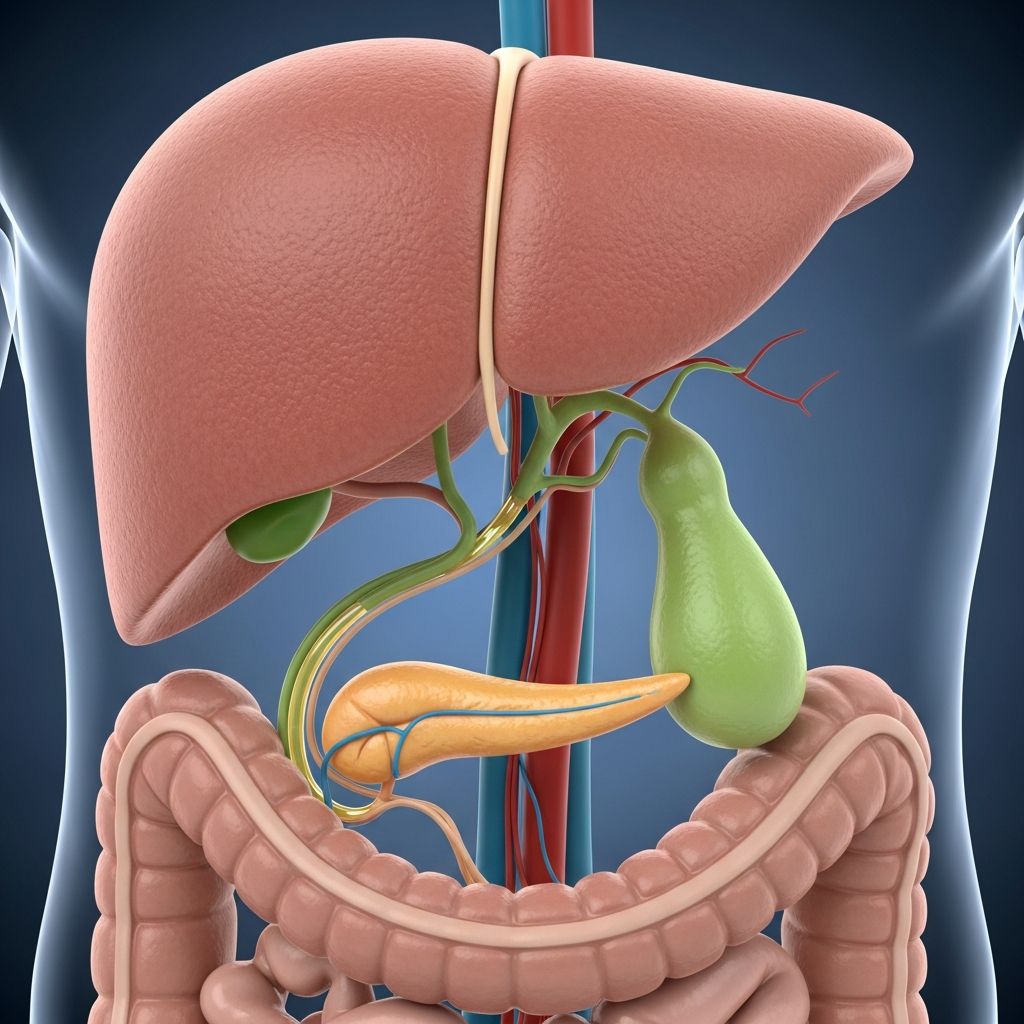
The biliary tract is a complex system composed of several interconnected organs and ducts. Each component has a specific role in the production, storage, and delivery of bile. Understanding the structure of this system helps explain how it functions during digestion.
The Liver: Your Bile Producer
Your liver, located on the right side of your upper abdomen, is the primary organ responsible for producing bile. This vital organ manufactures approximately one liter of bile daily, which contains bile acids that are essential for breaking down fats and proteins during digestion. The liver is also responsible for filtering your blood, producing chemicals necessary for various body functions, and fighting infections. As your liver produces bile, tiny branching ducts within the liver, called intrahepatic bile ducts, collect this fluid and begin moving it through the biliary system.
The Hepatic Ducts and Common Hepatic Duct
The intrahepatic bile ducts inside your liver eventually join together to form larger branches known as the right and left hepatic ducts. These two main branches exit the liver and merge outside of the organ to create the common hepatic duct. This duct serves as a major channel through which bile flows as it leaves the liver. The common hepatic duct is the first major consolidation point in the extrahepatic (outside the liver) portion of your biliary system.
The Gallbladder: Your Bile Storage Organ
Your gallbladder is a small, pear-shaped organ located just beneath your liver in the upper right portion of your abdomen. This specialized organ functions as a storage compartment for bile that your body doesn’t need immediately. The gallbladder is connected to the common hepatic duct through a smaller duct called the cystic duct. Approximately half of the bile produced by your liver flows directly into the common bile duct, while the other half is diverted to your gallbladder for storage.
When you consume a meal containing fats and proteins, your small intestine sends signals to your gallbladder, instructing it to contract and release stored bile. This bile then flows through the cystic duct into the common bile duct, which carries it to your small intestine where it can mix with food and aid in digestion. After the bile has been released, your gallbladder empties and resembles a deflated balloon, ready to be filled again as more bile is produced.
The Common Bile Duct
The common bile duct is the largest and most important duct in your biliary system, measuring approximately 10 centimeters in length. This is the main trunk of the biliary tree where all other bile duct branches connect. The common bile duct carries bile from your liver and gallbladder down to your small intestine. Your pancreatic duct joins the common bile duct at the same opening in your small intestine, though these two ducts remain separate as they enter.
Related Stories



The Ampulla of Vater and Sphincter of Oddi
The ampulla of Vater is the point where your common bile duct and pancreatic duct merge to enter your duodenum, which is the first part of your small intestine. This small but significant structure acts as a reservoir that holds bile and pancreatic enzymes before they are released into your intestine. The ampulla contains a complex system of circular muscles called sphincters that open and close to control the flow of bile and digestive enzymes. These smooth muscles function automatically in response to signals from your nervous system.
The sphincter of Oddi is a composite valve system that controls the entrance to the ampulla of Vater. This sophisticated mechanism includes the sphincter of the pancreatic duct, the sphincters of the bile duct, and the sphincter of the ampulla itself. When functioning properly, this valve system ensures that bile and enzymes are released at precisely the right time and in the correct amounts to aid digestion.
Functions of the Biliary Tract
The biliary tract performs several critical functions that are essential for proper digestion and overall health. These functions go beyond simple bile delivery and include nutrient absorption, waste elimination, and maintaining digestive efficiency.
Fat Digestion and Nutrient Absorption
Bile is a yellowish-green digestive fluid composed mainly of cholesterol, bilirubin, and bile salts. The primary function of bile is to break down dietary fats into smaller, more manageable pieces. By breaking down fats into smaller particles, bile makes it significantly easier for digestive enzymes to work effectively. Once fats are broken down into fatty acids, your digestive system can absorb these nutrients more efficiently. Your bloodstream then carries these absorbed fatty acids throughout your body where they can be stored as energy or used for other important functions.
Protein Digestion Support
In addition to breaking down fats, bile also plays an important role in protein digestion. The bile acids contained in bile help facilitate the breakdown of proteins into amino acids that your body can absorb and utilize. This digestive support is particularly important after you consume meals containing significant amounts of protein.
Waste Product Elimination
Beyond its role in digestion, bile also serves as a crucial pathway for eliminating waste products from your body. Bilirubin, a byproduct formed during the natural breakdown of red blood cells, is transported by bile from your liver to your intestines where it is eliminated through your stool. This waste elimination function is vital for maintaining healthy blood chemistry and preventing the accumulation of harmful substances.
How the Biliary Tract Works During Digestion
The biliary tract operates in a highly coordinated manner during the digestive process. Before you eat, your gallbladder is completely full of stored bile, ready to respond to your body’s needs. When you begin consuming food, particularly meals containing fats and proteins, your small intestine receives signals that alert your body to these nutrients. Your gallbladder then receives a signal to contract, squeezing the stored bile through the cystic duct into the common bile duct.
This bile travels down the common bile duct and is released through the ampulla of Vater into your duodenum, where it mixes with the food that is waiting to be digested. The bile breaks down fats and proteins into smaller, more digestible components. Once digestion is complete and your small intestine has processed the food, your gallbladder empties completely and begins the process of refilling with newly produced bile from your liver.
Common Disorders Affecting the Biliary Tract
When the biliary tract is functioning properly, you rarely think about it. However, various conditions can disrupt its normal operation, leading to uncomfortable symptoms and serious health complications.
Biliary Obstruction
A biliary obstruction occurs when something blocks the flow of bile through your bile ducts. When an obstruction is present, bile backs up through the entire biliary system, causing a cascade of problems. If a gallstone, tumor, or other blockage prevents bile and digestive enzymes from passing through the ampulla of Vater, the effects can be felt throughout your entire biliary system. Common causes of biliary obstruction include gallstones that have migrated from the gallbladder into the common bile duct, a condition known as choledocholithiasis.
Gallstones
Gallstones are one of the most common problems affecting the biliary tract. Most gallstones form in the gallbladder and may remain there without causing problems. However, if gallstones move out from the gallbladder into the common bile duct, they can obstruct the flow of bile. If these stones grow large enough, they can completely block bile flow, preventing your body from digesting fats properly and leading to pain and other complications.
Bile Duct Stricture
Bile duct stricture occurs when your bile ducts become abnormally narrow, restricting the flow of bile. This narrowing can result from long-term inflammation that creates scar tissue within the ducts. Birth disorders such as biliary atresia and Alagille syndrome can also cause strictures, leading to problems with bile flow from birth or early childhood.
Ampulla of Vater Disorders
The ampulla of Vater, being a critical junction point, can be affected by various conditions. Tumors, strictures, or dysfunction of the sphincter of Oddi can all impact its ability to allow bile and pancreatic enzymes to flow normally into the duodenum. Rarely, cancer can develop at the ampulla of Vater site.
Symptoms of Biliary Tract Problems
When your biliary tract is not functioning properly, you may experience several characteristic symptoms. These symptoms often indicate that bile is backing up through your system or that bile flow is being restricted. Common symptoms of biliary tract problems include:
- Pain in the upper right portion of your abdomen
- Pain between your shoulder blades
- Pain in your right shoulder
- Nausea or vomiting
- Yellowing of your skin or eyes (jaundice)
- Pale-colored stools
- Dark urine
- Itching of the skin
Diagnosis and Treatment
If you experience symptoms suggesting a biliary tract problem, your healthcare provider can perform various diagnostic tests to identify the issue. Imaging studies such as ultrasound, CT scans, or MRI can visualize your biliary system and identify obstructions, stones, or other abnormalities. In some cases, your healthcare provider may need to access your bile ducts directly for both diagnosis and treatment.
The ampulla of Vater serves as an important access point for healthcare providers to enter and examine your bile ducts and pancreatic duct during procedures like endoscopic retrograde cholangiopancreatography (ERCP). During this procedure, doctors can identify blockages, remove gallstones, or place stents to restore normal bile flow. Treatment options vary depending on the specific condition affecting your biliary tract but may include medication, minimally invasive procedures, or surgery.
Maintaining Biliary Tract Health
While you cannot always prevent biliary tract problems, certain lifestyle choices can support the health of your biliary system. Maintaining a healthy diet low in saturated fats and high in fiber can reduce your risk of gallstone formation. Staying hydrated, exercising regularly, and maintaining a healthy weight are also important factors in biliary tract health. If you have a family history of gallstones or biliary problems, discuss preventive measures with your healthcare provider.
Frequently Asked Questions
Q: What is the main function of the biliary tract?
A: The primary function of the biliary tract is to produce, store, and deliver bile to your small intestine. Bile helps break down fats and proteins, making them easier for your digestive system to absorb. Additionally, bile carries waste products like bilirubin from your liver to your intestines for elimination.
Q: Where is the biliary tract located?
A: The biliary tract begins in your liver, located in the upper right portion of your abdomen. It extends downward through various ducts and includes your gallbladder, which sits just beneath your liver. The tract terminates at the ampulla of Vater in your duodenum, the first part of your small intestine.
Q: What causes biliary obstructions?
A: The most common cause of biliary obstruction is gallstones that have moved from the gallbladder into the common bile duct. Other causes include bile duct strictures from inflammation or scarring, tumors, or dysfunction of the sphincter of Oddi. Birth disorders can also lead to biliary obstruction.
Q: Can biliary tract problems be treated without surgery?
A: Many biliary tract problems can be treated with minimally invasive procedures. Endoscopic retrograde cholangiopancreatography (ERCP) can remove gallstones or place stents to restore bile flow without major surgery. However, some conditions may require surgical intervention depending on the specific diagnosis and severity.
Q: What should I do if I experience symptoms of biliary tract problems?
A: If you experience persistent pain in the upper right abdomen, jaundice, persistent nausea, or other symptoms suggesting biliary tract problems, contact your healthcare provider promptly. Early diagnosis and treatment can prevent complications and relieve your symptoms.
References
- Ampulla of Vater: What It Is, Location & Function — Cleveland Clinic. 2024. https://my.clevelandclinic.org/health/body/24209-ampulla-of-vater
- What Are Bile Ducts? — Cleveland Clinic. 2024. https://my.clevelandclinic.org/health/body/24523-bile-duct
- Gallbladder: What Is It, Function, Location & Anatomy — Cleveland Clinic. 2024. https://my.clevelandclinic.org/health/body/21690-gallbladder
- Bile: What It Is, Where It’s Made & What It Does — Cleveland Clinic. 2024. https://my.clevelandclinic.org/health/body/what-is-bile
- What Is the Digestive System? — Cleveland Clinic. 2024. https://my.clevelandclinic.org/health/body/7041-digestive-system
- Liver: Where It’s Located, Function & Anatomy — Cleveland Clinic. 2024. https://my.clevelandclinic.org/health/body/21481-liver
Similar Articles








Read full bio of Sneha Tete