Bimatoprost Eye Drops (Eyreida, Lumigan)
Comprehensive guide to bimatoprost eye drops for treating glaucoma, ocular hypertension, and promoting eyelash growth.
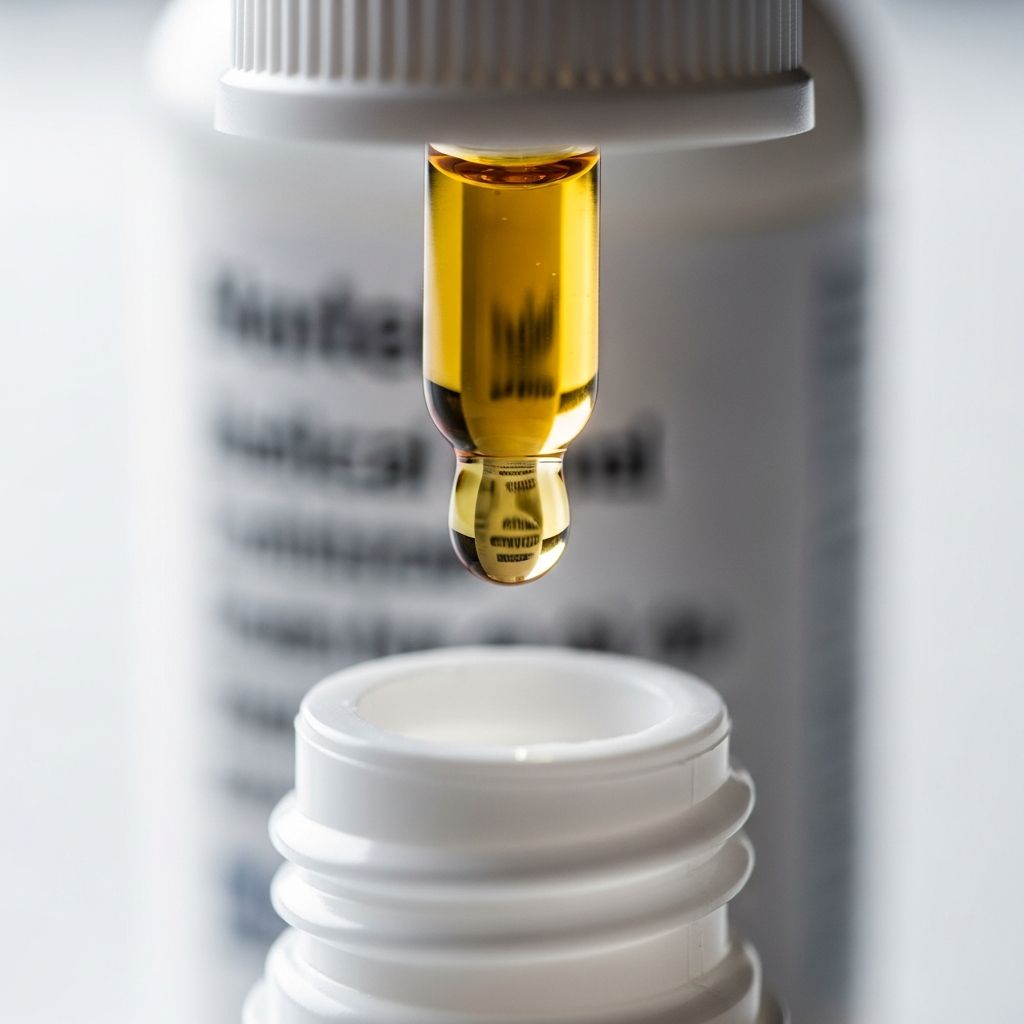
Bimatoprost eye drops are a prescription medication primarily used to treat high pressure inside the eye due to conditions like open-angle glaucoma or ocular hypertension. By increasing the outflow of fluid from the eye, bimatoprost helps prevent vision loss associated with elevated intraocular pressure.
About bimatoprost eye drops
Bimatoprost belongs to a class of drugs called prostaglandin analogues. These medications mimic natural substances in the body that regulate fluid dynamics in the eye. In glaucoma and ocular hypertension, the eye’s drainage system fails to remove fluid efficiently, causing pressure buildup that can damage the optic nerve. Bimatoprost works by enhancing the trabecular meshwork’s drainage capacity and possibly the uveoscleral pathway, effectively lowering intraocular pressure (IOP).[10]
Originally developed for glaucoma, bimatoprost gained popularity for its side effect of promoting eyelash growth, leading to formulations like Latisse for cosmetic use. Brands such as Lumigan (0.01% or 0.03%) and Eyreida are common ophthalmic solutions. The solution often contains preservatives like benzalkonium chloride (BAK), which requires careful handling with contact lenses.
Before using bimatoprost eye drops
Consult your doctor before starting bimatoprost, especially if you have specific health conditions or are using other medications. Key considerations include:
- Pregnancy or breastfeeding: Inform your doctor, as safety data is limited.
- Eye conditions: Avoid or use cautiously in aphakia, torn artificial lenses, angle-closure glaucoma, inflammatory or neovascular glaucoma, due to risks like macular edema.
- Recent eye surgery: Such as cataract removal, or history of corneal issues, dry eye, or viral infections.
- Systemic issues: Breathing problems, liver/kidney impairment, low blood pressure/heart rate.
- Allergies: To bimatoprost or preservatives like BAK.
- Contact lenses: Remove before application; wait 15 minutes before reinserting.
Discuss all prescription, over-the-counter drugs, vitamins, and supplements with your healthcare provider to avoid interactions. Other eye drops should be spaced at least 5 minutes apart.
How to use bimatoprost eye drops
Follow your doctor’s instructions precisely. The standard dosage for glaucoma or ocular hypertension is one drop in the affected eye(s) once daily, preferably in the evening. For eyelash growth (using applicators like in Latisse), apply to the upper eyelid margin nightly.
Step-by-step instructions for eye drops:
- Wash hands thoroughly.
- Avoid touching the dropper tip to any surface, including the eye, to prevent contamination.
- Tilt head back, pull down lower eyelid to form a pouch.
- Hold bottle upside down; squeeze gently for one drop into the pouch.
- Close eye for 1-2 minutes without blinking; press on nasolacrimal duct to minimize drainage.
- Wipe excess with tissue; repeat for other eye if needed.
- Replace cap tightly.
For eyelash application: Use a sterile applicator, apply to upper eyelid base once nightly, discard after use. Do not apply to lower lids.
Do not exceed the dose; more drops do not enhance effect but increase side effect risk. If using single-dose units, discard after use.
Getting the most from your treatment
To optimize benefits and minimize risks:
- Use at the same time daily for consistent IOP control.
- Read the patient information leaflet for full details.
- Attend regular ophthalmologist check-ups to monitor IOP and eye health.
- If irritation occurs, stop use and consult your doctor—may indicate allergy.
- Wear dark glasses if light sensitivity develops.
- For contact lens wearers, adhere to removal/reinsertion timing.
Related Stories



Improvement in IOP may take weeks; continue use even if feeling well, as glaucoma is often asymptomatic until advanced.
Side effects
Most side effects are mild and eye-related, but some can be serious. Report persistent or severe symptoms promptly.
Common side effects (affecting many users):
| Symptom | Description |
|---|---|
| Eye redness, irritation, itching, burning | Most frequent; seen in up to 31% with Lumigan 0.01%. |
| Longer/thicker/darker eyelashes | Cosmetic effect; desirable for hypotrichosis treatment. |
| Darkening of eyelid skin or iris | Iris changes may be permanent. |
| Dry eyes, tearing, blurred vision | Temporary; manage with artificial tears if needed. |
Uncommon/serious side effects:
- Macular edema (swelling in retina), vision worsening.
- Eye inflammation, retinal bleeding, corneal clouding (rare calcium deposits).
- Periocular changes: sunken eyes (enophthalmos), eyelid droop (ptosis), fat loss.
- Vision changes: blurred/decreased vision, halos, night blindness, color shifts.
- Systemic: increased blood pressure, fatigue (rare).
Seek immediate care for blindness, bloody eye, severe pain/swelling, or sudden vision loss.
How to store bimatoprost eye drops
Store at room temperature (15-25°C), away from heat, moisture, and direct light. Keep tightly closed. Do not freeze. Discard 28 days after opening multi-dose bottles or per single-dose instructions. Keep out of children’s reach.
Do not use past expiration; contaminated drops risk serious eye damage or vision loss.
About eyelash growth
A notable side effect is enhanced eyelash growth: longer, thicker, darker lashes from prolonged use. This led to FDA approval of bimatoprost 0.03% (Latisse) for hypotrichosis. Apply nightly to upper lash line with sterile applicator for 12-16 weeks; full effects in 2 months. Maintenance may require continued use. Not for lower lids; may cause unintended hair growth elsewhere.
Frequently Asked Questions (FAQs)
Q: How quickly does bimatoprost lower eye pressure?
A: IOP reduction often begins within 4 hours, with maximum effect in 8-12 hours; consistent daily use maintains control.[10]
Q: Can bimatoprost change eye color permanently?
A: Yes, it may darken iris pigmentation, especially in hazel/green eyes; changes are permanent even after stopping.
Q: Is bimatoprost safe for children?
A: Not recommended under 16 years; dose must be doctor-determined.
Q: What if I miss a dose?
A: Use as soon as remembered; if near next dose, skip and resume schedule. Do not double dose.
Q: Can I drive after using the drops?
A: Wait until blurred vision resolves; avoid if halos or poor night vision occur.
References
- Bimatoprost (intraocular route, ophthalmic route) — Mayo Clinic. 2023-10-01. https://www.mayoclinic.org/drugs-supplements/bimatoprost-intraocular-route-ophthalmic-route/description/drg-20062270
- Bimatoprost 0.3 mg/ml, eye drops, solution (Patient Information Leaflet) — Medicines.org.uk (EMA-approved). 2023-05-15. https://www.medicines.org.uk/emc/files/pil.14184.pdf
- Bimatoprost eye drops — Patient.info. 2024-02-20. https://patient.info/medicine/bimatoprost-eye-drops-eyreida-lumigan
- Bimatoprost Ophthalmic — MedlinePlus (NIH). 2024-01-15. https://medlineplus.gov/druginfo/meds/a602030.html
- Bimatoprost Eye Solution — Cleveland Clinic. 2023-11-10. https://my.clevelandclinic.org/health/drugs/18134-bimatoprost-eye-solution
- What to Expect – LUMIGAN® 0.01% — Lumigan Official Site (AbbVie). 2024-03-05. https://www.lumigan.com/patient/what-to-expect
- Lumigan Patient Brochure — AbbVie Eye Care. 2023-07-01. https://www.abbvieeyecare.com/content/dam/abbvieeyecare/pdf/product-information/Lumigan-Patient-Brochure.pdf
- Bimatoprost — Memorial Sloan Kettering Cancer Center. 2024-06-12. https://www.mskcc.org/cancer-care/patient-education/medications/adult/bimatoprost
- bimatoprost 0.03 % eye drops — Kaiser Permanente. 2023-09-18. https://healthy.kaiserpermanente.org/health-wellness/drug-encyclopedia/drug.bimatoprost-0-03-eye-drops.198982
- Lumigan (bimatoprost) ophthalmic solution label — FDA. 2011-08-15 (authoritative label). https://www.accessdata.fda.gov/drugsatfda_docs/label/2011/021275s022lbl.pdf
Similar Articles








Read full bio of medha deb