Bimatoprost: 3 Key Uses, Dosage, Side Effects
Comprehensive guide to bimatoprost: uses in glaucoma treatment, eyelash enhancement, side effects, and dermatological applications.
Authoritative facts about bimatoprost from DermNet NZ, synthesized with high-credibility medical sources.
What is bimatoprost?
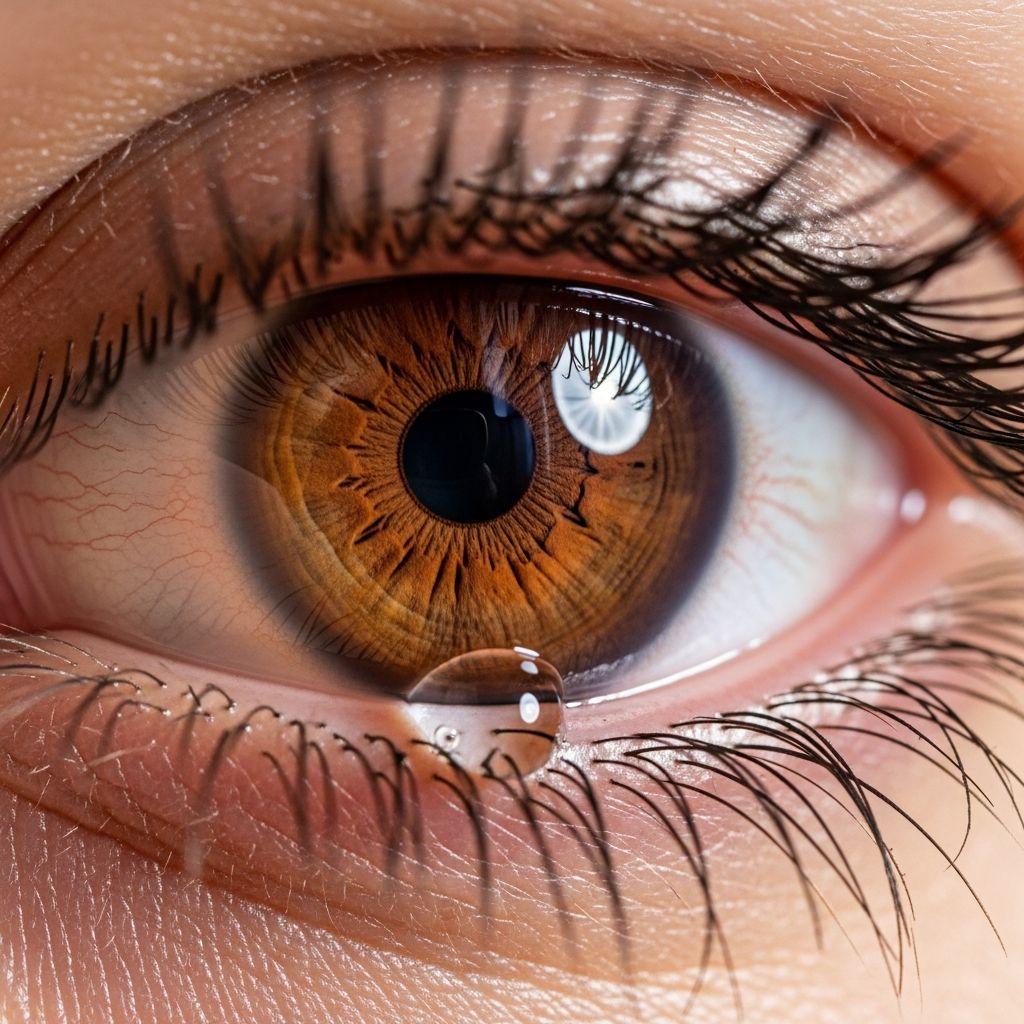
Bimatoprost is a synthetic prostaglandin analogue that mimics the effects of naturally occurring substances in the body responsible for regulating intraocular pressure (IOP) and hair growth cycles. It is primarily used as an ophthalmic solution to treat glaucoma and ocular hypertension by enhancing the outflow of aqueous humor from the eye. Additionally, it is FDA-approved for hypotrichosis, the medical term for inadequate or sparse eyelashes, where it stimulates the anagen (growth) phase of eyelashes, resulting in increased length, thickness, and pigmentation.
Developed initially for glaucoma management, bimatoprost’s off-label and approved uses have expanded into dermatology for conditions involving hair loss, such as alopecia areata and eyebrow hypotrichosis. Its mechanism involves binding to prostamide receptors, which modulate fluid dynamics in the eye and follicular activity in hair follicles. Clinical studies demonstrate its efficacy in reducing IOP by 25-30% in glaucoma patients and significantly improving eyelash prominence scores in hypotrichosis cases.
Who gets bimatoprost?
Bimatoprost is prescribed to adults with open-angle glaucoma or ocular hypertension unresponsive to other therapies. For cosmetic enhancement, it targets individuals aged 18 and older seeking longer, fuller eyelashes. In dermatological contexts, it benefits patients with eyelash hypotrichosis or those experimenting with off-label uses for scalp or eyebrow hair growth. It is not recommended for children under 16 for glaucoma or under 18 for hypotrichosis due to limited safety data. High-risk groups include those with aphakia, risk factors for macular edema, or active eye infections, where use requires caution or contraindication.
What causes it?
Bimatoprost does not ’cause’ a condition but is administered to address pathological elevations in IOP from impaired aqueous humor drainage in glaucoma, or insufficient eyelash growth due to shortened anagen phases in hypotrichosis. Genetic predispositions, aging, or inflammatory eye diseases contribute to these conditions, which bimatoprost therapeutically targets by prolonging the hair growth phase and improving trabecular meshwork outflow.
What are the clinical features of bimatoprost use?
When used as directed, patients notice gradual improvements: reduced IOP within 4 weeks for glaucoma, and visible eyelash enhancements after 8-16 weeks, including increased length (up to 2mm), thickness, and darkness. Skin around the eyelids may darken temporarily. In off-label applications, similar follicular stimulation occurs on applied areas. Monitoring reveals potential periorbital changes, but therapeutic benefits predominate in compliant users.
How is the diagnosis made?
Diagnosis prompting bimatoprost use involves tonometry for IOP measurement (>21 mmHg indicates glaucoma), gonioscopy to confirm open angles, and visual field testing. For hypotrichosis, clinical assessment uses the Global Eyelash Assessment (GEA) scale. Ophthalmologists or dermatologists confirm via slit-lamp examination, excluding contraindications like active inflammation or recent corneal transplants.
What is the basic management / treatment?
- Glaucoma/Ocular Hypertension: Instill 1 drop of 0.01% or 0.03% solution in the affected eye(s) once daily in the evening. Reduce frequency if IOP adequately controlled.
- Hypotrichosis (Latisse® 0.03%): Apply 1 drop to sterile applicators and brush along upper eyelid margins nightly at the base of eyelashes. Remove excess to prevent unintended hair growth. Use for 12-16 weeks for optimal results; maintenance may require continued application.
- Off-label Dermatological Uses: Similar topical application to affected scalp or brow areas, though evidence is anecdotal and efficacy varies.
Related Stories



Treatment duration varies: continuous for glaucoma control, cyclic for eyelashes post-initial growth phase. Regular ophthalmologic follow-up is essential.
How can bimatoprost use be prevented?
Bimatoprost addresses non-preventable conditions like genetic glaucoma or idiopathic hypotrichosis. Preventive strategies include early glaucoma screening in at-risk populations (family history, diabetes), UV protection for eyes, and maintaining eyelid hygiene to support lash health. Lifestyle measures like avoiding eye trauma do not directly prevent need but mitigate complications.
What is the prognosis for bimatoprost-treated conditions?
Excellent for IOP control, preventing vision loss in 90% of compliant glaucoma patients. Eyelash growth is reversible upon discontinuation, with sustained benefits during use. Long-term iris pigmentation changes may persist, but overall prognosis is favorable with monitoring. Discontinuation reverses most cosmetic effects within 4-6 weeks.
| Indication | Dosage | Frequency | Age Group |
|---|---|---|---|
| Glaucoma/Ocular Hypertension | 1 drop (0.01%-0.03%) | Once daily, evening | ≥16 years |
| Hypotrichosis | 1 drop per applicator | Once nightly | ≥18 years |
| Children | Not recommended | N/A | <16 years |
Side effects and complications
Common side effects include conjunctival hyperemia (red eyes in up to 30% of users), eyelash lengthening/darkening/thickening, pruritus, and periocular skin pigmentation. Less common: dry eyes, burning, foreign body sensation, and eyelid erythema. Serious effects like macular edema (especially in aphakia), iris darkening (permanent), and blurred vision warrant immediate cessation and consultation. Infections from contaminated droppers or allergic reactions to preservatives (e.g., benzalkonium chloride) are rare but possible.
- More Common: Redness of eyes/eyelids, eyelash changes, itching.
- Less Common: Dry eyes, vision disturbances, periorbital fat atrophy.
- Rare/Serious: Macular edema, uveitis exacerbation, bacterial keratitis.
Eyelash effects are unilateral if only one eye treated, reversible except iris changes. Report persistent symptoms to healthcare providers; FDA reporting available.
Prevention of side effects
Wash hands before application, avoid dropper contact with eyes/surfaces to prevent contamination. For eyelashes, wipe excess immediately to avoid unwanted hair growth elsewhere. Use lowest effective dose; monitor for color changes. Artificial tears alleviate dryness/irritation. Patients with risk factors (e.g., post-cataract) require closer surveillance.
Related information
- Glaucoma management overview.
- Hypotrichosis and eyelash disorders.
- Prostaglandin analogues in dermatology.
Frequently Asked Questions
What is bimatoprost used for?
Bimatoprost treats elevated intraocular pressure in glaucoma/ocular hypertension and inadequate eyelashes (hypotrichosis).
Does bimatoprost change eye color?
Yes, it may darken the iris permanently, more common with long-term use in one eye.
Can bimatoprost be used for eyebrows?
Off-label use shows promise but lacks FDA approval; consult a dermatologist.
How long until bimatoprost works for eyelashes?
Visible growth in 8-12 weeks; full effects by 16 weeks.
Is bimatoprost safe during pregnancy?
Not recommended; category C, use only if benefits outweigh risks.
What if I miss a dose?
Apply as soon as remembered; skip if near next dose. Do not double.
References
- Bimatoprost (intraocular route, ophthalmic route) — Mayo Clinic. 2023-10-01. https://www.mayoclinic.org/drugs-supplements/bimatoprost-intraocular-route-ophthalmic-route/description/drg-20062270
- The Top 5 Bimatoprost (Lumigan) Side Effects — GoodRx. 2024-05-15. https://www.goodrx.com/bimatoprost/bimatoprost-side-effects
- Bimatoprost Eye Solution — Cleveland Clinic. 2023-11-20. https://my.clevelandclinic.org/health/drugs/18134-bimatoprost-eye-solution
- Bimatoprost Ophthalmic Solution — NCBI StatPearls. 2024-07-10. https://www.ncbi.nlm.nih.gov/books/NBK576421/
Similar Articles








Read full bio of Sneha Tete