Biofeedback Therapy: Control Your Body’s Involuntary Functions
Learn how biofeedback therapy helps you take control of involuntary bodily functions like heart rate and breathing.

What Is Biofeedback Therapy?
Biofeedback is an alternative therapy that empowers you to take control of certain involuntary bodily functions, such as your heart rate, breathing patterns, muscle tension, and body temperature. It represents a significant shift in how we approach health and wellness by leveraging the mind-body connection to promote healing and self-regulation. Rather than relying solely on medication or external interventions, biofeedback training enables individuals to become active participants in their own recovery and wellness journey.
Biofeedback operates as a self-regulation technique through which patients learn to voluntarily control what were once thought to be involuntary body processes. This mind-body technique allows individuals to modify their physiology for the purpose of improving physical, mental, emotional, and spiritual health. The approach recognizes that our bodies respond to stress, anxiety, pain, and other stimuli in measurable ways—often without our conscious awareness.
How Biofeedback Works
The fundamental principle behind biofeedback is straightforward yet powerful: if you can see or hear what your body is doing in real-time, you can learn to change it. During a biofeedback session, a certified healthcare provider places painless sensors or devices on your body to measure physiological signals. These sensors detect various bodily functions including muscle tension, heart rate, breathing rate, skin temperature, and brain wave patterns.
Computers process the information gathered from these sensors and quickly report it back to you in real-time. Depending on your type of therapy, you may experience the feedback as visual representations on a screen, auditory signals or sounds, or a combination of both. The visual feedback might display colored lines representing your heart rate, muscle tension, or skin temperature, making abstract physiological processes tangible and understandable.
Your healthcare provider explains what the feedback means and suggests specific strategies to change how your body is functioning. For example, they might ask you to slow your breathing, relax your muscles, or use visualization techniques. As you practice these techniques while observing the real-time feedback, you begin to understand the connection between your thoughts, emotions, and physical responses. Over time, with practice and repetition, you learn to self-regulate without needing the feedback screens in front of you.
The Learning Mechanism Behind Biofeedback
Biofeedback is essentially a form of operant conditioning—a method of learning that uses rewards and punishment to modify behavior. In this case, the feedback itself serves as the reward. When you successfully modify your physiological response in the desired direction, you receive immediate positive feedback. This reinforcement encourages you to repeat the behavior, gradually strengthening the neural pathways associated with self-regulation.
Think of it similarly to looking in a mirror: just as a mirror allows you to see and adjust your facial expressions or posture, biofeedback allows you to see inside your body with a trained practitioner serving as a guide. The therapist directs you to use the feedback to regulate your physiology in a healthy direction, providing real-time coaching and encouragement throughout the process.
Conditions Treated With Biofeedback
Research has demonstrated that biofeedback interventions are efficacious in treating a variety of medical conditions. Studies show that biofeedback therapy may help manage the following conditions:
– Anxiety disorders and generalized anxiety- Chronic pain and tension headaches- Migraines and cluster headaches- High blood pressure (hypertension)- Heart failure and cardiovascular conditions- Urinary incontinence and voiding dysfunction- Irritable bowel syndrome and gastrointestinal disorders- Muscle tension and fibromyalgia- Sleep disorders and insomnia- Asthma and respiratory conditions- Attention deficit disorders- Raynaud’s disease- Temporomandibular joint (TMJ) disorder
Related Stories



It is important to note that healthcare providers typically do not use biofeedback therapy as the sole treatment for most of these conditions. Instead, biofeedback is usually incorporated as part of a comprehensive treatment approach that may include medication, psychotherapy, cognitive behavioral therapy, and other therapeutic interventions.
The Biofeedback Session: What to Expect
Understanding what happens during a biofeedback session can help you prepare mentally and maximize the benefits of your treatment. The process typically follows a structured approach designed to help you develop awareness and control over your physiological responses.
Initial Assessment: Your first session will include a psychophysiological assessment to identify which physiological markers will be most helpful to monitor based on your specific condition. The provider will also conduct a psychological evaluation to understand your thoughts, feelings, behaviors, and stress patterns that may contribute to your condition.
Sensor Placement: The certified provider places painless sensors on appropriate areas of your body. These might include electrodes on your fingers to measure skin conductance, bands around your chest to monitor breathing, or sensors on your temples for muscle tension monitoring.
Feedback Explanation: The therapist carefully explains each signal being displayed and how it relates to your physiology. For example, they might say, “The green line represents your muscle tension, and the blue line shows your heart rate. The goal is to keep these lines in the optimal range by using the techniques I teach you.”
Skill Development: Your provider teaches you techniques to modify your physiological responses. This may include imagery, deep breathing exercises, progressive muscle relaxation, meditation, self-talk, or other stress-management strategies.
Real-Time Practice: As you practice these techniques, you receive immediate visual or auditory feedback showing how your body is responding. This real-time information helps you quickly understand what works and what doesn’t.
Progress Monitoring: The therapist pauses the feedback periodically to show you your physiological reactivity to mental tasks and how quickly your physiology returns to baseline values. This helps you understand your progress and the extent to which you can control your responses.
Home Practice Assignment: Like physical therapy, biofeedback training requires active participation and often regular practice between training sessions. Your provider will assign specific exercises to practice at home to reinforce the skills learned during sessions.
Benefits of Biofeedback Therapy
Biofeedback offers numerous advantages for individuals seeking to improve their health and well-being through a mind-body approach.
Increased Body Awareness: We often don’t consciously realize all the ways our body responds to pain, stress, and anxiety. Biofeedback brings these automatic responses into your conscious awareness, which is the first step toward change. When you’re stressed or anxious, your heart and breathing rates may increase, your muscles might become tense, and you might start to sweat. With biofeedback, you become aware of these bodily changes and learn to modify them.
Greater Control and Empowerment: Biofeedback can help you feel more in control of your health and wellness. Rather than feeling like a passive recipient of medical treatment, you become an active participant in your recovery. This sense of control is particularly valuable in chronic conditions where patients often feel helpless.
Stress and Anxiety Management: By learning to recognize and modify the physiological markers of stress and anxiety, you develop practical tools for managing these common issues in daily life.
Improved Quality of Life: Patients with higher perceived control over their disease have been shown to have better quality of life. By giving you tangible evidence that you can influence your physiology, biofeedback enhances your sense of control and well-being.
Complementary to Other Treatments: Biofeedback integrates well with other therapeutic approaches, including cognitive behavioral therapy (CBT) and medication. When combined with psychotherapy, there is significant benefit in actively processing the data with the patient to enhance self-regulation.
Risks and Safety Considerations
One of the significant advantages of biofeedback is its excellent safety profile. There aren’t any risks to biofeedback therapy. It’s noninvasive, painless, and there aren’t any side effects or potential complications.. The sensors used are non-invasive and cause no discomfort or harm to the patient.
However, it’s important to understand that biofeedback is not a quick fix. Some consider biofeedback a type of training rather than a treatment. For it to work effectively, you must attend multiple sessions and participate actively in the process. The therapy requires commitment and motivation to learn and make changes.
Duration and Frequency of Treatment
The number of biofeedback treatments varies widely depending on several factors, including the specific condition being treated, the severity of your symptoms, your commitment to home practice, and your individual capacity for learning. Some patients may see improvements within a few sessions, while others may require more extensive training.
Research suggests that treatment duration can range from just a few sessions to as many as 50 or more sessions, depending on the individual and the disorder. Patients typically attend sessions once or twice weekly, with homework assignments to practice the techniques between appointments.
Biofeedback and Specific Populations
Pediatric Biofeedback: Biofeedback has proven particularly effective in children, especially for voiding dysfunction. More than 50% of pediatric patients have improved symptoms with biofeedback treatment. The technology can be individualized based on the type of voiding dysfunction, the age of the patient, and their attention span. For children, combining biofeedback with psychotherapy offers enhanced benefits, particularly when therapists actively process the data with the patient to enhance self-regulation.
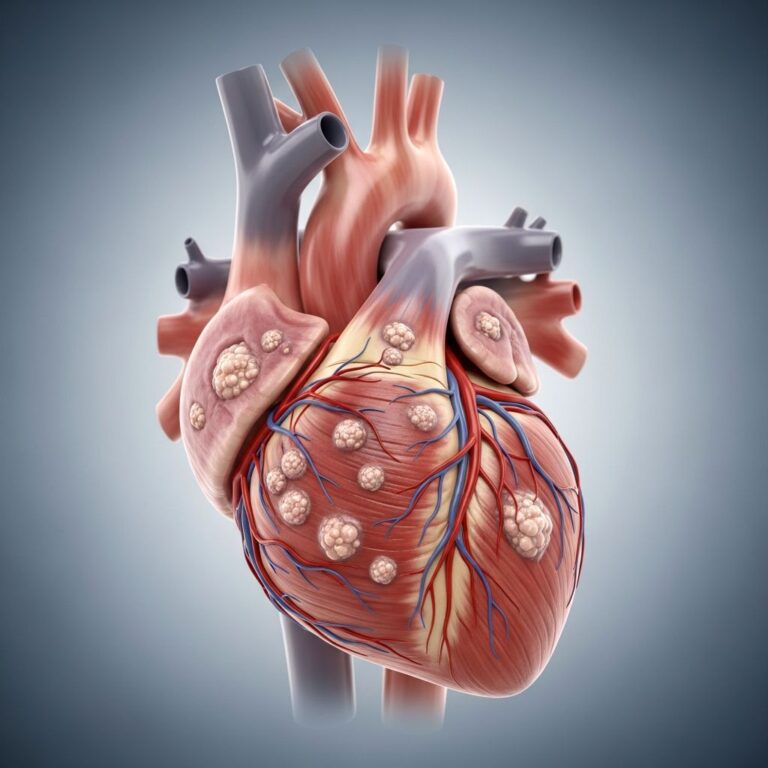
Cardiovascular Applications: Biofeedback has much therapeutic potential in cardiovascular diseases, since many of these diseases involve dysregulation of the autonomic nervous system. Recent studies have suggested that biofeedback and stress management have a positive impact in patients with chronic heart failure, and ongoing research continues to examine the effects of biofeedback on cellular and molecular components of the heart.
Biofeedback Combined With Other Therapies
Many healthcare providers use biofeedback alongside other evidence-based treatments for enhanced effectiveness. When combined with cognitive behavioral therapy (CBT), biofeedback becomes even more powerful. CBT aims to help patients change their thoughts, behavior, and emotional responses as well as learn coping skills to better manage anxiety and stress. Adding biofeedback to this approach allows patients to see the physical manifestations of their thoughts and emotions in real-time, creating a bridge between psychological awareness and physiological control.
What Makes Biofeedback Different From Other Therapies
Unlike passive therapies where patients receive treatment without active involvement, biofeedback is fundamentally participatory. You’re not receiving something done to you; instead, you’re learning new skills. The immediate, objective feedback provided by biofeedback equipment makes this learning process concrete and understandable in ways that talking therapy alone may not achieve.
The visual or auditory feedback transforms abstract physiological concepts into tangible information you can see, hear, and understand. This concrete representation helps cement the connection between your mental state, your emotions, and your physical responses—a connection that may be difficult to grasp through conversation alone.
Frequently Asked Questions About Biofeedback
Q: Is biofeedback covered by insurance?
A: Insurance coverage varies depending on your specific plan and the condition being treated. Many insurance providers cover biofeedback when it’s recommended by a healthcare provider for specific conditions. It’s best to contact your insurance company to inquire about coverage for your particular situation.
Q: How long does it take to see results from biofeedback?
A: The timeline varies from person to person. Some individuals notice improvements within the first few sessions, while others may require several weeks or months of consistent practice to see significant changes. Consistency with home practice between sessions typically accelerates results.
Q: Can biofeedback completely replace medication?
A: Biofeedback is typically used as part of a comprehensive treatment approach rather than as a standalone replacement for medication. Always consult with your healthcare provider before making any changes to your medication regimen. For many conditions, the combination of biofeedback and medication proves most effective.
Q: Who can benefit from biofeedback?
A: Biofeedback can benefit individuals of various ages dealing with stress, anxiety, chronic pain, cardiovascular conditions, gastrointestinal disorders, and many other conditions. Even healthy individuals seeking to optimize their performance and reduce stress can benefit from biofeedback training.
Q: Does biofeedback hurt or cause discomfort?
A: No, biofeedback is painless and noninvasive. The sensors used during biofeedback sessions are placed on your skin without penetrating or causing any discomfort.
Q: Can I stop using the equipment after learning biofeedback?
A: Yes, one of the goals of biofeedback is for you to eventually maintain these changes without needing the feedback screens. However, continued practice helps maintain the skills you’ve learned, similar to how physical therapy exercises need occasional reinforcement.
Getting Started With Biofeedback
If you’re interested in exploring biofeedback as a treatment option, begin by discussing it with your healthcare provider. They can assess whether biofeedback is appropriate for your specific condition and can refer you to a certified biofeedback practitioner. A trained and certified provider is essential to ensuring you receive proper instruction and guidance throughout your biofeedback training.
Biofeedback represents an empowering approach to health and wellness that places you at the center of your own care. By learning to recognize and modify your physiological responses, you gain skills and confidence that extend far beyond the treatment session into every aspect of your daily life.
References
- Behavioral Medicine Program – Cleveland Clinic — Cleveland Clinic. Accessed 2025-12-01. https://my.clevelandclinic.org/departments/digestive/depts/behavioral-medicine
- Biofeedback in medicine: who, when, why and how? — National Center for Biotechnology Information (NCBI). PMC. https://pmc.ncbi.nlm.nih.gov/articles/PMC2939454/
- Biofeedback in the treatment of heart failure — Cleveland Clinic Journal of Medicine. 2010. https://www.ccjm.org/content/77/7_suppl_3/S56
- Biofeedback: What It Is, Purpose, Procedure, Risks & Benefits — Cleveland Clinic. Accessed 2025-12-01. https://my.clevelandclinic.org/health/treatments/13354-biofeedback
- Biofeedback therapy in cardiovascular disease: rationale and clinical applications — PubMed/National Library of Medicine. 2008. https://pubmed.ncbi.nlm.nih.gov/18540144/
- Biofeedback: An overview in the context of heart-brain medicine — Cleveland Clinic Journal of Medicine. 2010. https://www.ccjm.org/content/75/3_suppl_2/S31
- Biofeedback Therapy For Voiding Dysfunction in Kids — Cleveland Clinic Consult QD. Accessed 2025-12-01. https://consultqd.clevelandclinic.org/biofeedback-therapy-an-effective-noninvasive-approach-to-voiding-dysfunction-in-kids
Similar Articles








Read full bio of Sneha Tete