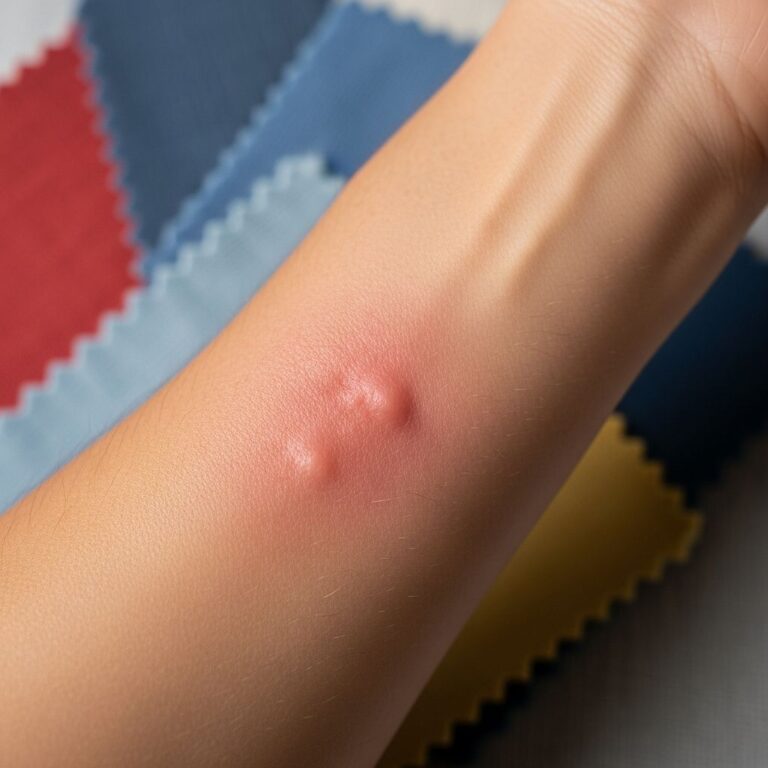
Biologic Medications for Eczema Treatment
Discover how targeted biologic therapies revolutionize eczema management for moderate to severe cases.
Eczema, medically known as atopic dermatitis, affects millions of individuals worldwide and can significantly impact quality of life through persistent itching, skin inflammation, and sleep disruption. While topical treatments and lifestyle modifications work well for many patients, those with moderate to severe eczema often require more advanced therapeutic interventions. Biologic medications represent a paradigm shift in dermatological treatment, offering a more targeted approach to managing this chronic inflammatory condition. These genetically engineered medications work by modulating specific components of the immune system rather than broadly suppressing all immune function, making them an increasingly important option for patients who haven’t achieved adequate symptom control with conventional approaches.
What Are Biologic Medications and How Do They Differ from Traditional Treatments?
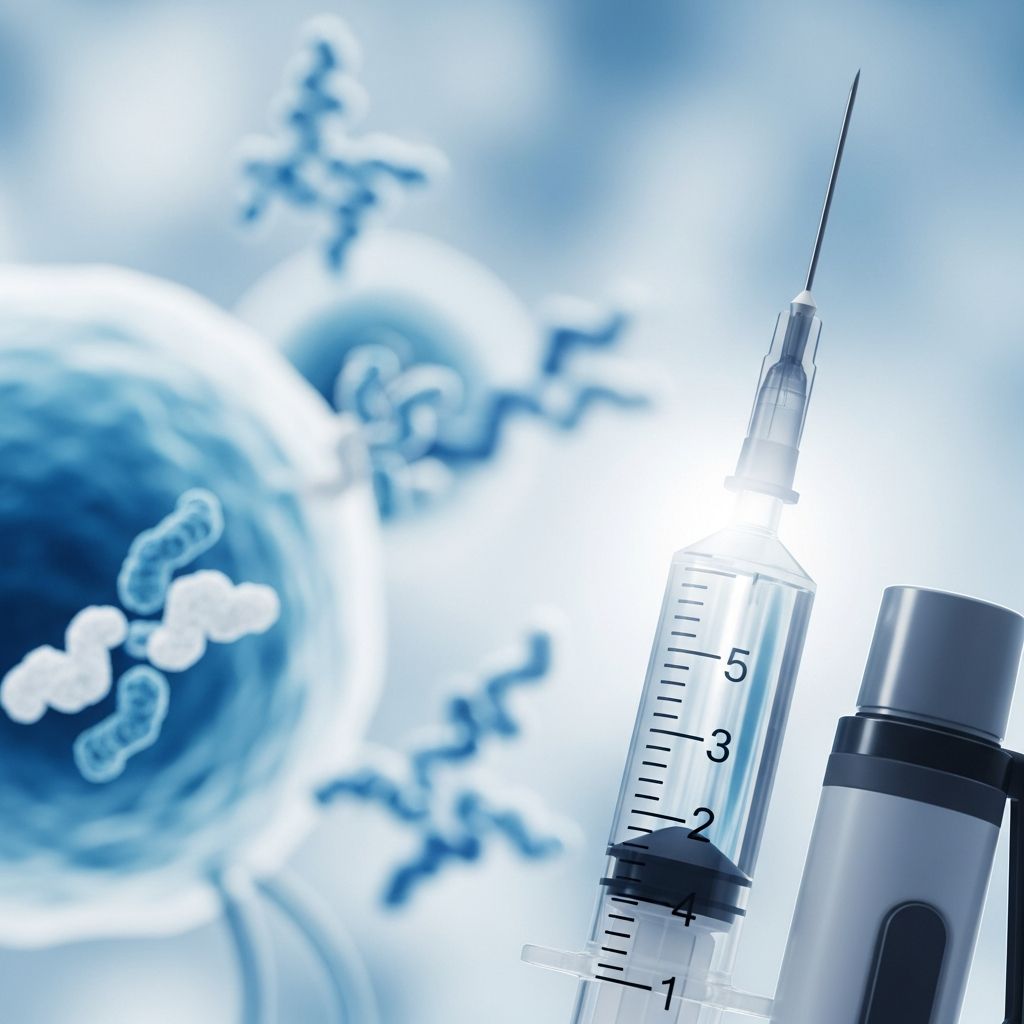
Biologic medications, often called biologics, constitute a revolutionary class of therapeutic agents derived from living organisms, including human cells and bacteria cultured in laboratory settings. Unlike conventional chemical medications synthesized through traditional pharmaceutical processes, biologics are genetically engineered to function as human antibodies that specifically target inflammatory pathways implicated in eczema development and progression. These injectable medications are administered subcutaneously, meaning they are injected beneath the skin surface, typically on a schedule of once every two weeks or once every four weeks, depending on the specific medication and patient age.
The fundamental difference between biologic therapies and older immunosuppressive medications lies in their specificity and mechanism of action. Traditional immunosuppressive drugs, such as ciclosporin and azathioprine, work by broadly suppressing the entire immune system, which can leave patients vulnerable to infections and other complications. In contrast, biologic medications employ a narrower, more targeted approach by blocking specific inflammatory proteins called interleukins, which are chemical messengers in the immune system responsible for driving the inflammatory cascade that produces eczema symptoms. This precision targeting allows biologics to calm the overactive immune response causing eczema without compromising overall immune function, resulting in a more favorable safety profile compared to conventional immunosuppressive agents.
The Mechanism Behind Biologic Action in Eczema Treatment
Understanding how biologic medications combat eczema requires knowledge of the immune proteins they target. Interleukins are signaling molecules that regulate immune cell communication and inflammatory responses throughout the body. In individuals with atopic dermatitis, dysregulation of specific interleukins contributes to excessive inflammation, barrier dysfunction, and the characteristic symptoms of eczema.
Biologic medications work by intercepting specific interleukins before they can bind to cell surface receptors, effectively interrupting the inflammatory signaling cascade. By blocking this communication pathway, these medications prevent immune cells from mounting an excessive inflammatory response, thereby reducing skin inflammation, decreasing itching severity, and promoting skin healing. This mechanism represents a fundamentally different approach compared to corticosteroids, which suppress inflammation broadly, or calcineurin inhibitors, which modulate immune activity through a different pathway. The targeted nature of biologic intervention means that patients may experience more sustained symptom relief with fewer systemic side effects, though the specific biologic chosen should be matched to the particular inflammatory pathway driving an individual’s eczema.
FDA-Approved Biologic Options for Eczema Management
The FDA has approved four biologic medications for treating moderate to severe atopic dermatitis, each with distinct mechanisms and clinical profiles. Understanding the characteristics of each option enables patients and healthcare providers to make informed treatment decisions based on individual patient factors and disease characteristics.
Dupilumab (Dupixent)
Dupilumab was the first biologic medication approved by the FDA for treating atopic dermatitis, establishing the therapeutic category and demonstrating the efficacy of targeted immune modulation in eczema management. This monoclonal antibody targets two interleukins simultaneously: interleukin-4 (IL-4) and interleukin-13 (IL-13), making it one of the most broadly acting biologics in this therapeutic class. A significant advantage of dupilumab is its approval for use in younger patients, with FDA authorization extending to children as young as six months of age, making it a viable option for families dealing with infantile eczema. The medication is administered as an initial loading dose, followed by maintenance injections on a schedule determined by patient age and weight, typically every two weeks or every four weeks.
Related Stories



Tralokinumab (Adbry)
Tralokinumab represents a more recent addition to the biologic arsenal for eczema treatment, offering a different approach by targeting interleukin-13 specifically. Clinical trial evidence demonstrates that Adbry produces meaningful improvements in eczema symptoms, including achievement of clear or almost clear skin, substantial reductions in itching intensity, improved sleep quality, and enhanced overall quality of life in adult patients with moderate to severe eczema. Following one year of continued treatment, the majority of patients receiving Adbry maintained these clinical benefits, suggesting that the medication provides sustained disease control. Adbry is approved for individuals ages 12 years and older with moderate to severe eczema and is administered through either prefilled syringes or injection pen devices, offering flexibility in delivery method.
Lebrikizumab (Ebglyss)
Lebrikizumab is among the newest additions to the biologic treatment landscape for eczema, representing the latest advancement in targeted immune therapy. Like tralokinumab, lebrikizumab targets interleukin-13, positioning it as a comparable therapeutic option for patients requiring IL-13 blockade. The medication is approved for individuals ages 12 and older with moderate to severe eczema and typically begins with a loading dose followed by maintenance injections every two weeks. After 16 weeks of therapy, patients demonstrating adequate skin response may transition to a reduced injection schedule of once every four weeks, allowing for greater convenience in long-term disease management.
Nemolizumab (Nemluvio)
Nemolizumab represents a distinct approach within the biologic category by targeting interleukin-31 (IL-31), a cytokine that appears particularly important in mediating the sensation of pruritus or itching associated with atopic dermatitis. By specifically blocking the molecular pathway responsible for itch sensation, nemolizumab may provide particular benefit to patients whose eczema is characterized by severe pruritus. This medication is approved for individuals ages 12 and older with moderate to severe eczema, expanding treatment options for adolescents and adults seeking alternatives to conventional therapies.
Clinical Outcomes and Symptom Improvement With Biologic Therapy
The clinical effectiveness of biologic medications in treating eczema has been well-established through rigorous clinical trial data and real-world clinical experience. Patients initiating biologic therapy for moderate to severe eczema typically experience multiple domains of symptom improvement extending beyond simple reduction in skin inflammation. Clinical trials supporting FDA approval of these medications have demonstrated that biologic therapy can effectively achieve the following outcomes:
- Substantial reduction in pruritus intensity, addressing one of the most bothersome and quality-of-life-affecting symptoms of eczema
- Achievement of clear or nearly clear skin status, representing meaningful disease control
- Normalization of sleep patterns through reduction of itch-related sleep disruption
- Improved overall quality of life through reduction in disease burden and enhanced psychological well-being
The timeline for experiencing clinical improvement varies among individual patients, with some individuals noticing skin changes within the first few weeks of therapy, while others require several months to achieve optimal disease control. Importantly, clinical improvements achieved through biologic therapy tend to be sustained with continued treatment, suggesting that these medications address the underlying pathophysiology of eczema rather than simply providing temporary symptomatic relief.
Comparing Biologic Therapy to Other Eczema Treatment Modalities
| Treatment Category | Mechanism of Action | Severity Level Addressed | Immune System Impact | Side Effect Profile |
|---|---|---|---|---|
| Topical Corticosteroids | Broad anti-inflammatory effect | Mild to moderate | Localized suppression | Local skin effects with prolonged use |
| Systemic Immunosuppressants | Whole immune system suppression | Severe | Complete suppression | Increased infection risk, toxicity |
| Biologic Medications | Targeted interleukin blockade | Moderate to severe | Specific pathway modulation | Fewer systemic effects than immunosuppressants |
| JAK Inhibitors | Signaling pathway blocking | Moderate to severe | Multiple pathway disruption | Variable depending on agent |
For patients with mild to moderate eczema, dermatologists typically recommend initiating treatment with topical therapies, including emollients for skin barrier repair and topical corticosteroids or calcineurin inhibitors for inflammation control. These first-line approaches are effective for the majority of eczema patients and carry lower risk profiles compared to systemic therapies. However, when symptoms persist despite consistent topical therapy application or when eczema significantly impairs daily functioning and quality of life, systemic treatment options become appropriate to consider.
Traditional systemic immunosuppressive medications represent the historically standard approach to severe eczema but function by broadly dampening immune responses throughout the body. While effective for controlling eczema, these agents carry substantial risks including increased susceptibility to infections and other opportunistic pathogens, potential organ toxicity, and the necessity for frequent laboratory monitoring. Biologic medications offer a more sophisticated approach by targeting only the specific immune components driving eczema pathology, thereby preserving immune function for fighting infections while effectively controlling dermatitis symptoms. This targeted specificity translates to fewer adverse effects and reduced monitoring requirements compared to conventional immunosuppressive therapy, making biologics an increasingly preferred option for moderate to severe eczema unresponsive to topical interventions.
Clinical Indications and Patient Selection for Biologic Therapy
Biologic medications are not appropriate first-line treatments for all eczema patients but rather serve as options for those meeting specific clinical criteria. Generally, biologic therapy should be considered when patients experience moderate to severe atopic dermatitis with symptoms that significantly impact quality of life and have demonstrated inadequate response to standard topical treatments. Key indicators that a patient may benefit from biologic therapy include persistent symptoms despite consistent and appropriate use of topical corticosteroids or calcineurin inhibitors, ongoing sleep disruption attributable to nocturnal itching, significant functional impairment affecting work or social activities, and skin thickening or lichenification suggestive of chronic inflammation.
Additionally, some patients may benefit from biologic therapy even earlier in their treatment course if they experience intolerance or adverse effects from topical corticosteroids or if they require such frequent topical therapy applications that adherence becomes impractical. The decision to initiate biologic therapy should be made collaboratively between the patient and their dermatologist, considering disease severity, impact on quality of life, prior treatment responses, patient preferences, and individual risk factors. While some guidelines recommend trial of at least one systemic immunosuppressive agent before initiating biologics, clinical judgment may support direct progression to biologic therapy in certain circumstances, particularly for patients unable to tolerate immunosuppressive medications due to side effects or contraindications.
Safety Profile and Side Effect Considerations
Biologic medications for eczema are generally well-tolerated by most patients, with safety profiles favorable compared to traditional systemic immunosuppressive agents. Because these medications target specific immune pathways rather than broadly suppressing immune function, they preserve the body’s ability to mount appropriate responses to infections and maintain normal immune surveillance. The most commonly reported side effects associated with biologic eczema treatments remain relatively mild and include upper respiratory tract infections, conjunctivitis, and localized injection site reactions. These side effects occur at relatively low frequencies and typically do not necessitate treatment discontinuation.
The favorable safety profile of biologic medications relates directly to their mechanism of action—by modulating specific immune components rather than eliminating immune function entirely, these agents allow patients to maintain protective immunity while reducing pathologic inflammation. Nonetheless, like all medications affecting immune function, biologics require appropriate patient monitoring and informed consent regarding potential risks. Patients should maintain regular communication with their healthcare provider regarding symptom response, any new infections or health concerns, and overall treatment efficacy to ensure optimal therapeutic outcomes and early identification of any adverse effects.
Practical Considerations for Biologic Therapy Administration
From a practical standpoint, biologic medications offer distinct advantages in terms of administration and convenience compared to some alternative systemic therapies. These medications are administered by subcutaneous injection, which patients can perform themselves at home following appropriate training and instruction from their healthcare provider or a nurse specialist. The injection frequency—typically every two weeks or every four weeks depending on the specific medication—is manageable for most patients and requires less frequent monitoring compared to systemic immunosuppressive agents that necessitate regular laboratory evaluation to assess organ function and toxicity.
Several delivery systems are available, including traditional prefilled syringes and modern injection pen devices that may enhance user convenience and injection experience. The ability to self-administer medications at home improves treatment convenience, reduces healthcare visits, and empowers patients to take active roles in managing their disease. For patients struggling with the burden of frequent topical therapy applications or those whose lifestyles make adherence to topical regimens challenging, the simplified injection schedule associated with biologic therapy represents a meaningful practical advantage.
Future Directions and Emerging Biologic Therapies
The field of biologic eczema treatment continues to evolve, with ongoing research exploring additional interleukin targets and immune pathways implicated in atopic dermatitis pathogenesis. The recent FDA approvals of lebrikizumab and nemolizumab demonstrate the continued expansion of biologic options, offering patients and providers increasingly diverse therapeutic choices. Future research endeavors are likely to identify additional biologic targets, potentially enabling more personalized medicine approaches where treatment selection is guided by biomarker profiling or immunophenotyping of individual patients’ disease characteristics. This evolution promises to further improve therapeutic outcomes and enable more precise matching of individual patients to the most appropriate biologic agent for their specific disease biology.
Frequently Asked Questions About Biologic Eczema Treatments
Can biologic medications cure eczema?
Biologic medications effectively control eczema symptoms and can produce clear or nearly clear skin in many patients, but they do not cure the underlying condition. Eczema typically requires ongoing management, and discontinuing biologic therapy often results in symptom recurrence. However, the sustained symptom control achieved with biologic therapy represents a substantial improvement in quality of life for patients with moderate to severe disease.
How quickly do biologic medications work?
Individual response timelines vary, with some patients noticing skin improvement within two to four weeks of initiating therapy, while others require two to three months to achieve optimal disease control. Patience and continued adherence to prescribed treatment schedules are important, as clinical improvement may be gradual.
Are biologic medications safe for children?
Dupilumab has FDA approval for children as young as six months of age, while other biologics are approved for children ages 12 and older. The safety and efficacy of these medications have been established in pediatric populations, making them viable options for children with moderate to severe eczema.
Can biologic medications be used with other eczema treatments?
Yes, biologic medications can be combined with topical treatments, including emollients, topical corticosteroids, and topical calcineurin inhibitors, allowing for comprehensive eczema management using multiple therapeutic modalities.
What happens if a biologic medication stops working?
If treatment response diminishes over time, switching to an alternative biologic targeting a different interleukin pathway may restore disease control. Individual variation in response means that some patients achieve better outcomes with one biologic compared to another, necessitating potential therapeutic adjustments guided by dermatologic expertise.
References
- A Guide to Biologic Treatments for Eczema (Atopic Dermatitis) — Healthline. Accessed February 2026. https://www.healthline.com/health/eczema/biologics-for-eczema
- An expert explains switching to biologics for eczema — Medical News Today. Accessed February 2026. https://www.medicalnewstoday.com/articles/switching-to-biologics-for-eczema
- Biologics | Injectables for Eczema — National Eczema Association. Accessed February 2026. https://nationaleczema.org/treatments/injectables/
- Dupilumab — National Eczema Society. Accessed February 2026. https://eczema.org/information-and-advice/treatments-for-eczema/dupilumab/
- Biologics for Eczema: A Comparison of Dupixent, Adbry, and More — GoodRx. Accessed February 2026. https://www.goodrx.com/conditions/eczema/biologics-for-eczema
- Biologics for Atopic Dermatitis — WebMD. Accessed February 2026. https://www.webmd.com/skin-problems-and-treatments/eczema/biologics-atopic-dermatitis
Similar Articles








Read full bio of medha deb