Biologics For Eczema: 4 FDA-Approved Options To Know
Discover how biologic therapies are revolutionizing eczema management for moderate-to-severe cases with targeted immune modulation.
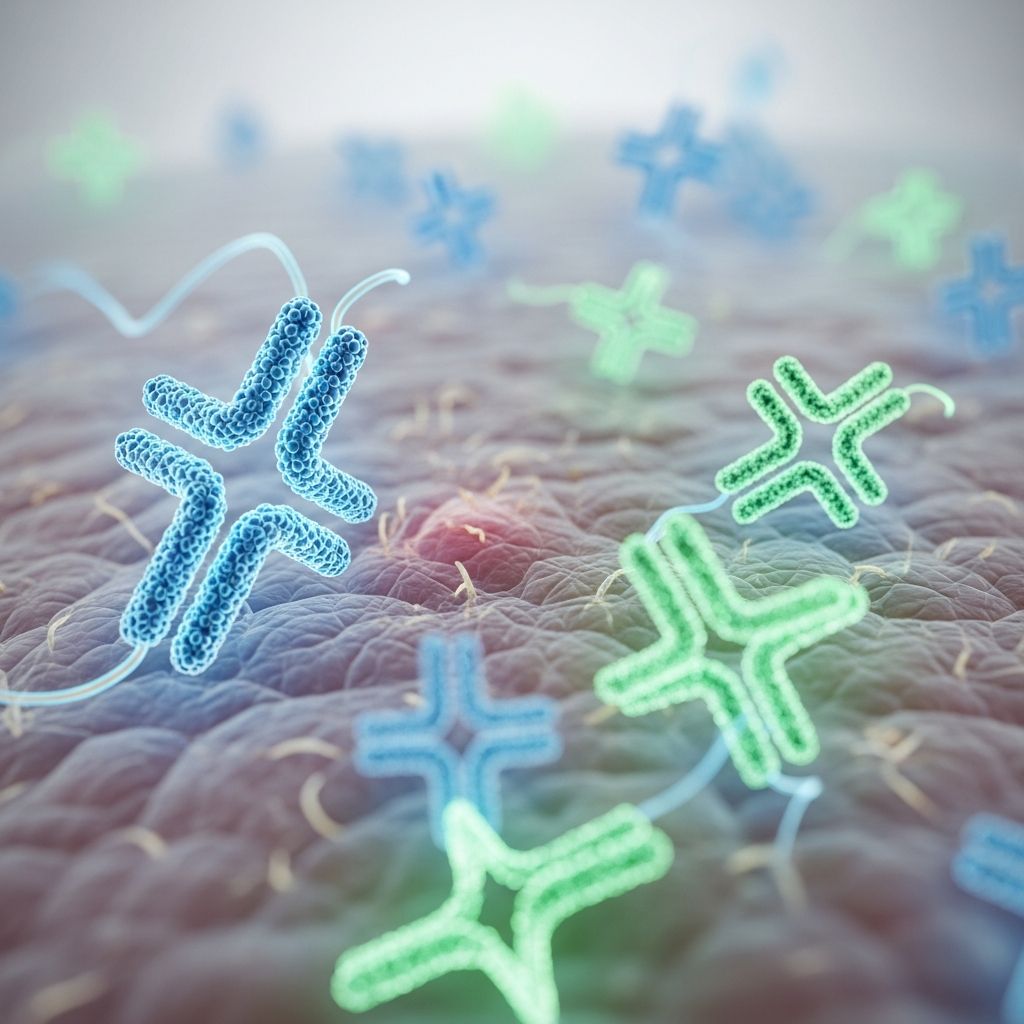
Atopic dermatitis, commonly known as eczema, affects millions worldwide, causing intense itching, inflamed skin, and significant discomfort that disrupts daily life. For those with moderate-to-severe cases unresponsive to standard topical treatments, biologics offer a transformative approach by precisely targeting the underlying immune dysfunction.Biologics are lab-engineered proteins derived from living cells, administered via subcutaneous injections to block specific inflammatory signals, providing relief where other therapies fall short.
Understanding the Science Behind Eczema and Biologics
Eczema arises from a dysregulated immune response, where environmental triggers and genetic factors prompt overproduction of cytokines like interleukins (ILs). These proteins fuel inflammation, leading to the hallmark symptoms of dry, red, itchy skin. Traditional treatments such as corticosteroids broadly suppress immunity, risking side effects like thinning skin or increased infection susceptibility. In contrast, biologics act with surgical precision, inhibiting key interleukins without broadly compromising the immune system.
Key interleukins implicated include IL-4, IL-13, and IL-31, which drive Th2-mediated inflammation central to atopic dermatitis. By binding to these molecules or their receptors, biologics interrupt the inflammatory cascade, reducing itch, clearing lesions, and improving sleep and quality of life, as demonstrated in clinical trials.
FDA-Approved Biologics: Options and Mechanisms
Several biologics have gained FDA approval for moderate-to-severe eczema, each targeting distinct pathways. Here’s an overview:
- Dupixent (dupilumab): Approved for patients 6 months and older, it blocks IL-4 and IL-13 signaling by binding to the IL-4 receptor alpha subunit. Dosing starts with loading doses followed by every-other-week injections.
- Adbry (tralokinumab-ldrm): For ages 12+, it specifically neutralizes IL-13. Administered every two weeks initially, some adults may extend to monthly after 16 weeks.
- Ebglyss (lebrikizumab-lbkz): Targets IL-13 directly, approved for ages 12+. Similar dosing: loading then biweekly, potentially monthly with response.
- Nemluvio (nemolizumab-ilto): Unique in blocking IL-31, the primary itch mediator, for ages 12+. Every 4 weeks after loading.
| Biologic | Target | Age Group | Dosing Frequency | Key Benefit |
|---|---|---|---|---|
| Dupixent | IL-4 & IL-13 | 6 months+ | Every 2 weeks | Broad efficacy, long-term data |
| Adbry | IL-13 | 12 years+ | Every 2-4 weeks | Flexible dosing |
| Ebglyss | IL-13 | 12 years+ | Every 2-4 weeks | Rapid skin clearance |
| Nemluvio | IL-31 | 12 years+ | Every 4 weeks | Superior itch relief |
This table summarizes differences, aiding personalized selection based on symptom dominance.
Clinical Evidence: Proven Effectiveness
Clinical trials underscore biologics’ superiority. For Dupixent, trials showed 36-38% of adults achieving clear/almost clear skin versus 10% on placebo, with sustained benefits over a year. Adbry similarly yielded clear skin in 25% of patients and marked itch reduction. Ebglyss and Nemluvio demonstrate comparable outcomes, with Nemluvio excelling in pruritus scores.
In pediatrics, Dupixent improved eczema area severity by over 70% in children, enhancing sleep and daily function. These gains persist long-term, unlike cyclical topical responses, positioning biologics as disease-modifying agents.
Administering Biologics: What to Expect
Self-injection is straightforward using prefilled syringes or pens at room temperature. Sites rotate among thigh, abdomen, or upper arm. Initial loading doses (often double) maximize early response, followed by maintenance. Training from healthcare providers ensures confidence; most tolerate injections well, with minor site reactions in <10%.
Monitoring involves baseline labs and periodic checks for infections or eye issues. Combination with topicals enhances outcomes without added systemic risk.
Related Stories



Safety Profile and Common Side Effects
Biologics’ targeted nature yields fewer adverse events than broad immunosuppressants. Common issues include conjunctivitis (10-20%, especially Dupixent), injection-site reactions (10-15%), and upper respiratory infections. Serious events like hypersensitivity are rare (<1%). Unlike steroids, no skin atrophy or bone loss occurs.
- Eye irritation: Use artificial tears; ophthalmology referral if persistent.
- Infection risk: Mildly elevated but lower than oral immunosuppressants.
- Long-term safety: Data up to 4+ years show consistent tolerability.
Pregnancy registries monitor use; consult providers for personalized risk assessment.
Biologics vs. Traditional Therapies: A Comparison
Topicals suit mild cases but falter in extensive disease. Phototherapy helps but requires frequent visits. Systemics like cyclosporine offer quick relief yet pose renal/hepatic risks, limiting duration. Biologics bridge this gap:
| Treatment Type | Mechanism | Side Effects | Duration | Best For |
|---|---|---|---|---|
| Topicals (Steroids) | Broad anti-inflammatory | Skin thinning, rebound | Short-term | Mild/localized |
| Systemics (e.g., Cyclosporine) | Global immunosuppression | Organ toxicity, infections | Months | Severe, short-term |
| Biologics | Targeted cytokine block | Mild, localized | Indefinite | Moderate-severe refractory |
Biologics excel in sustained control, quality-of-life metrics, and safety for chronic use.
Access, Cost, and Patient Support
Priced at $3,000-$5,000 monthly pre-insurance, copay assistance programs from manufacturers cap out-of-pocket at $0-$5 for eligible patients. Prior authorizations require documented topical/systemic failures. Telehealth expands access.
Future Directions in Biologic Therapies
Ongoing trials explore IL-22 inhibitors, oral JAKs complements, and combos for personalized medicine. Biosimilars may lower costs soon. Research into early intervention hints at prevention potential.
Frequently Asked Questions (FAQs)
Who qualifies for eczema biologics?
Those 6 months+ with moderate-severe atopic dermatitis inadequately controlled by topicals.
Are biologics a cure?
No, but they control symptoms effectively long-term.
Can I stop biologics abruptly?
Taper under guidance to avoid flares.
Do biologics work for all eczema types?
Primarily atopic; less data on others.
How soon do results appear?
Itch relief in days; skin clearance in 2-4 weeks.
References
- A Guide to Biologic Treatments for Eczema (Atopic Dermatitis) — Healthline. 2024. https://www.healthline.com/health/eczema/biologics-for-eczema
- Biologics | Injectables for Eczema — National Eczema Association. 2025. https://nationaleczema.org/treatments/injectables/
- Biologics for Atopic Dermatitis — WebMD. 2024. https://www.webmd.com/skin-problems-and-treatments/eczema/biologics-atopic-dermatitis
- Dupilumab — National Eczema Society. 2024. https://eczema.org/information-and-advice/treatments-for-eczema/dupilumab/
- Biologics for Eczema: A Comparison of Dupixent, Adbry, and More — GoodRx. 2025. https://www.goodrx.com/conditions/eczema/biologics-for-eczema
- Biologics for Treatment of Atopic Dermatitis: Current Status — PMC (NCBI). 2021-02-25. https://pmc.ncbi.nlm.nih.gov/articles/PMC7951162/
Similar Articles








Read full bio of medha deb