Biologics For Eczema Treatment: 4 FDA-Approved Options
Discover how biologic therapies are revolutionizing eczema management for moderate to severe cases with targeted immune modulation.
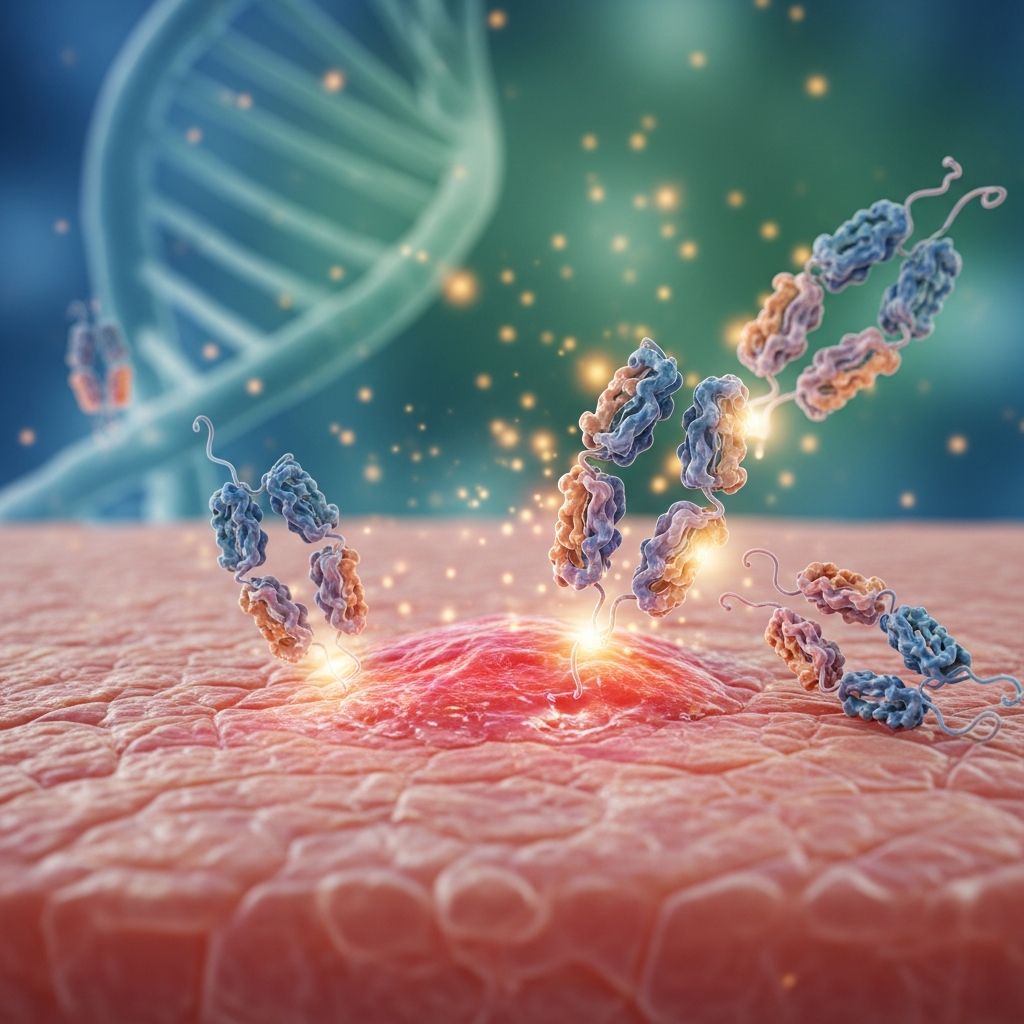
Biologic therapies represent a breakthrough in managing moderate-to-severe eczema, also known as atopic dermatitis, by precisely targeting the immune proteins driving inflammation and itch. These injectable medications offer hope for patients whose symptoms persist despite conventional treatments.
Understanding Eczema and the Role of Biologics
Eczema affects millions worldwide, characterized by intense itching, red inflamed skin, and disrupted sleep. Traditional approaches like moisturizers, topical steroids, and oral immunosuppressants provide relief for many but fall short for those with refractory cases. Biologics address this gap by acting systemically yet selectively, blocking specific interleukins—cytokines that fuel the allergic immune response in atopic dermatitis.
Unlike broad immunosuppressants that weaken the entire immune system, biologics are engineered antibodies derived from living cells. Administered via subcutaneous injection, they bind to inflammatory signals on cell surfaces, reducing skin inflammation without widespread immune suppression. This targeted action minimizes side effects while maximizing efficacy.
FDA-Approved Biologics: A Comprehensive Overview
The U.S. Food and Drug Administration has greenlit four biologics specifically for eczema, each homing in on distinct pathways. Here’s a breakdown:
| Biologic | Brand Name | Target | Approved Ages | Dosing Frequency |
|---|---|---|---|---|
| Dupilumab | Dupixent | IL-4 and IL-13 | 6 months+ | Every 2-4 weeks |
| Tralokinumab | Adbry | IL-13 | 12 years+ | Every 2-4 weeks |
| Lebrikizumab | Ebglyss | IL-13 | 12 years+ (≥88 lbs) | Every 2-4 weeks |
| Nemolizumab | Nemluvio | IL-31 | 12 years+ | Every 4 weeks |
Dupilumab, the pioneer approved in 2017, blocks two key interleukins pivotal to Th2-mediated inflammation common in eczema. Tralokinumab, Lebrikizumab, and Nemolizumab followed, offering alternatives for non-responders.
How Biologics Target Eczema’s Root Causes
Atopic dermatitis stems from a dysregulated immune response where T-helper 2 cells release interleukins like IL-4, IL-13, and IL-31. IL-4 and IL-13 promote skin barrier dysfunction and allergic inflammation, while IL-31 directly triggers pruritus (itch).
- Dupilumab: Dual inhibition of IL-4 and IL-13 receptors halts signaling that amplifies IgE production and eosinophil recruitment, core to eczema flares.
- IL-13 inhibitors (Tralokinumab, Lebrikizumab): Focus solely on IL-13, effective for patients with prominent type 2 inflammation.
- Nemolizumab: Uniquely curbs IL-31, slashing itch intensity rapidly, which breaks the itch-scratch cycle.
These mechanisms yield clearer skin, less itch, and improved quality of life, often within weeks.
Who Qualifies for Biologic Therapy?
Biologics are reserved for moderate-to-severe eczema inadequately controlled by topicals. Key indicators include:
- Extensive body surface involvement (>10% affected).
- Severe symptoms disrupting sleep, work, or daily activities.
- Failure of or intolerance to topical corticosteroids, calcineurin inhibitors, or phototherapy.
- History of inadequate response to oral therapies like cyclosporine.
Clinicians assess via tools like the EASI score (Eczema Area and Severity Index) or patient-reported outcomes. Biologics suit those seeking long-term control without daily topicals.
Starting Biologics: Dosing and Administration
Treatment begins with a loading dose, followed by maintenance injections. Self-administration is feasible after training, using pre-filled pens or syringes.
Related Stories



- Dupixent: Infants (6-11 months): 400mg loading, then 200mg biweekly; older kids/adults adjust by weight/age.
- Adbry/Ebglyss: 600mg loading (four 150mg doses), then 300mg every 2 weeks; may extend to 4 weeks if responding.
- Nemluvio: 60mg every 4 weeks.
Injections occur in thighs, abdomen, or upper arms. Sites rotate to prevent irritation.[10]
Expected Timeline for Results
Responses vary, but itch relief often emerges in 2-4 weeks, with peak skin clearance by 16 weeks. Clinical trials show 50-70% achieve clear/almost clear skin (IGA 0/1).
Non-responders may switch biologics; e.g., IL-13 monotherapy after Dupixent failure. Some taper off after sustained remission, though relapse risks exist.
Safety Profile and Common Side Effects
Biologics boast favorable safety due to specificity. Common issues:
- Injection-site reactions (redness, swelling): 10-20%.
- Conjunctivitis (eye inflammation): Up to 20% with Dupixent/Tralokinumab.
- Upper respiratory infections: Mild, similar to placebo.
Rare serious risks include hypersensitivity or herpes infections. No increased malignancy risk in trials. Monitor eyes and vaccinate pre-start.
Biologics vs. Other Advanced Therapies
| Therapy Type | Examples | Mechanism | Pros | Cons |
|---|---|---|---|---|
| Biologics | Dupixent, Ebglyss | Targeted antibodies | Injections Costly | |
| JAK Inhibitors | Abrocitinib, Upadacitinib | Oral small molecules | Oral convenience | Black-box warnings Liver monitoring |
| Immunosuppressants | Cyclosporine | Broad suppression | Short-term potent | Organ toxicity |
Biologics edge out for long-term use in many profiles.
Access, Cost, and Insurance Considerations
These therapies are pricey ($3,000-$5,000/month), but patient assistance programs and insurance often cover for qualified cases. Prior authorization requires documented topical failures.
Patient Experiences and Real-World Outcomes
Many report life-changing relief: normalized sleep, reduced topicals, boosted confidence. Persistence is key; 80% continue beyond year one.
Future Directions in Biologic Development
Ongoing trials explore broader indications, combos, and novel targets like IL-22 or TSLP. Pediatric expansions continue.
Frequently Asked Questions (FAQs)
Are biologics safe for children?
Yes, Dupixent for 6 months+; others from 12 years. Long-term data reassuring.
Can I stop biologics once clear?
Some trial off-medication periods after 16+ weeks response, but consult your doctor.
Do biologics cure eczema?
No, they control symptoms; ongoing therapy usually needed.
What if one biologic fails?
Switching (e.g., Dupixent to IL-13 or IL-31 blockers) succeeds in 40-60%.
Interactions with vaccines?
Live vaccines avoided; others fine.
References
- An expert explains switching to biologics for eczema — Medical News Today. 2024. https://www.medicalnewstoday.com/articles/switching-to-biologics-for-eczema
- Biologics | Injectables for Eczema — National Eczema Association. 2025. https://nationaleczema.org/treatments/injectables/
- Signs It’s Time to Try a Biologic for Eczema — Healthline. 2024. https://www.healthline.com/health/eczema/signs-to-try-biologic-for-eczema
- Biologics for Atopic Dermatitis — WebMD. 2024. https://www.webmd.com/skin-problems-and-treatments/eczema/biologics-atopic-dermatitis
- Eczema (Atopic Dermatitis) Overview — American Academy of Allergy, Asthma & Immunology. 2024. https://www.aaaai.org/tools-for-the-public/conditions-library/allergies/eczema-(atopic-dermatitis)-overview
- Dupilumab — National Eczema Society. 2024. https://eczema.org/information-and-advice/treatments-for-eczema/dupilumab/
Similar Articles








Read full bio of Sneha Tete