Biophysical Profile Test: Ultrasound and Nonstress Test
Complete guide to BPP testing: understanding ultrasound and fetal heart rate monitoring during pregnancy.
Understanding the Biophysical Profile (BPP) Test
The biophysical profile, commonly referred to as a BPP, is a critical prenatal test designed to assess the overall health and well-being of your developing baby during pregnancy. This comprehensive evaluation combines two essential diagnostic techniques: fetal ultrasound imaging and nonstress testing to provide healthcare providers with valuable information about fetal development and status. The BPP test is particularly important for pregnant individuals with high-risk pregnancies or those who have received concerning results from other prenatal screening tests.
The biophysical profile functions as an in-utero assessment tool that evaluates multiple aspects of fetal health simultaneously. By combining real-time ultrasound visualization with heart rate monitoring technology, the BPP provides clinicians with comprehensive data about fetal well-being. This test has become an indispensable component of modern prenatal care, especially when healthcare providers need detailed information about fetal development and potential complications.
What Does the Biophysical Profile Evaluate?
The biophysical profile systematically evaluates five distinct components of fetal health and development. Each component contributes to an overall score that helps healthcare providers assess whether your baby is thriving in the womb.
Fetal Heart Rate Response
The nonstress test component of the BPP measures how your baby’s heart rate responds to fetal movements. During this evaluation, healthcare providers monitor whether the fetal heart rate appropriately increases with fetal activity, which indicates a healthy fetal nervous system and adequate oxygen supply. A reactive heart rate pattern, where the heart rate accelerates with movement, is considered a reassuring sign of fetal well-being.
Fetal Body Movements
During the ultrasound portion of the BPP, technicians observe and count the number of distinct fetal body movements over a specified time period. Normal fetal activity includes large gross movements such as rolling, kicking, and stretching. The presence of adequate fetal movement indicates proper neuromuscular function and development.
Fetal Muscle Tone
Muscle tone assessment evaluates the baby’s ability to flex and extend limbs, open and close hands, and move various body parts. Strong muscle tone, demonstrated through active flexion and extension movements, indicates healthy neuromuscular development and adequate oxygenation. During the ultrasound examination, technicians observe for purposeful movements that demonstrate muscle strength and coordination.
Fetal Breathing Movements
Although babies do not breathe air in the womb, they do practice breathing movements that prepare them for extrauterine life. The BPP evaluates whether the fetus demonstrates rhythmic chest wall movements consistent with practice breathing. The presence of continuous breathing movements for at least thirty seconds is considered normal and indicates proper fetal development.
Amniotic Fluid Volume
The amount of amniotic fluid surrounding the baby is carefully assessed during the ultrasound portion of the BPP. Healthcare providers measure the deepest pocket of amniotic fluid to ensure adequate volumes are present. Proper amniotic fluid levels are essential for fetal cushioning, temperature regulation, and fetal movement.
Related Stories



When Is the Biophysical Profile Performed?
The biophysical profile is typically performed during the later stages of pregnancy, usually beginning at 32 weeks of gestation and continuing through delivery. However, in certain clinical situations, the BPP may be performed as early as 24 weeks of pregnancy when there are specific medical indications.
The timing and frequency of BPP testing depends on individual pregnancy circumstances. For high-risk pregnancies or those with concerning initial test results, repeated biophysical profiles may be scheduled once or twice weekly for the remainder of pregnancy. Healthcare providers individualize the testing schedule based on pregnancy history, medical conditions, and previous test results.
How Is the Biophysical Profile Performed?
The biophysical profile is a noninvasive test that typically requires 30 to 40 minutes to complete. Understanding what to expect during this examination can help reduce anxiety and ensure optimal cooperation during the procedure.
The Ultrasound Component
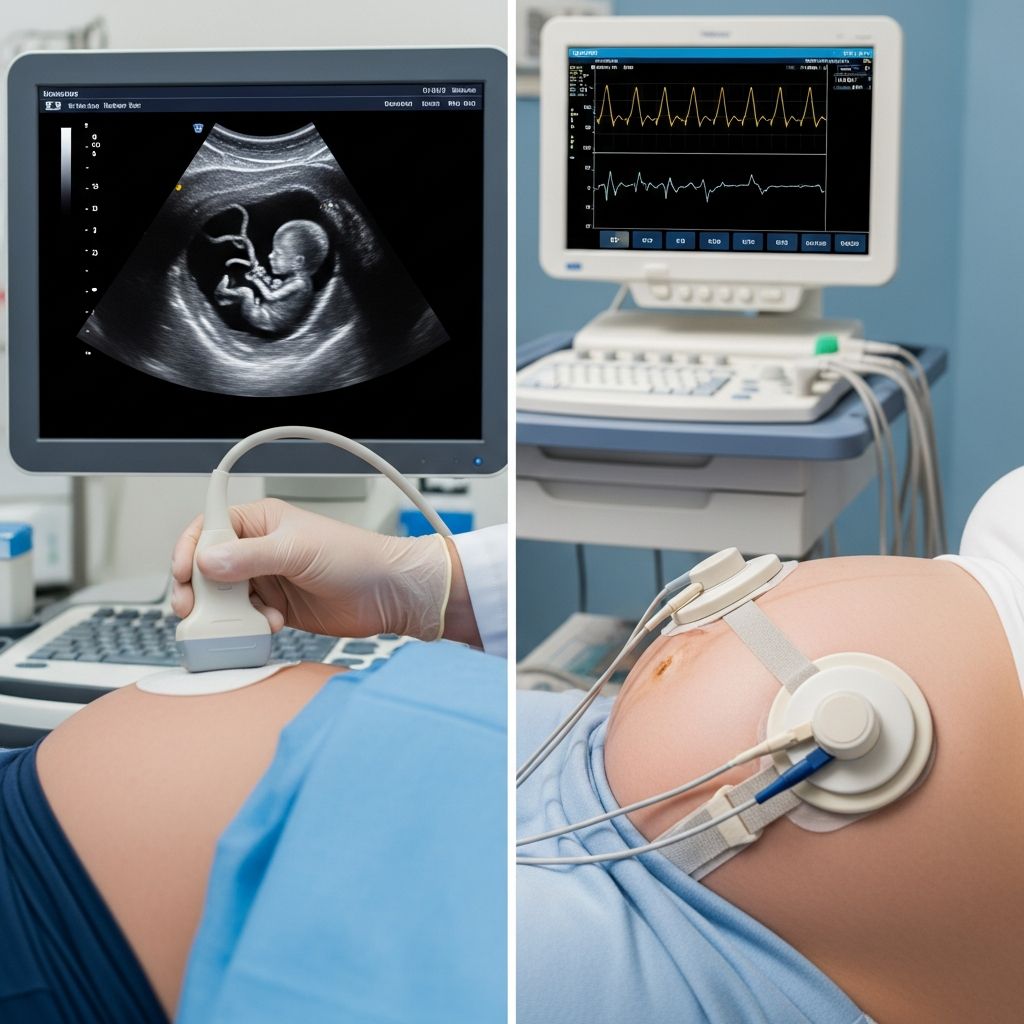
During the ultrasound portion of the BPP, you will recline comfortably on an examination table while a healthcare provider performs the ultrasound evaluation. A water-based gel is applied to your abdomen to facilitate sound wave transmission and enhance image quality. The provider then uses a handheld ultrasound transducer, gently pressing it against your abdomen to visualize your baby.
The transducer emits high-frequency sound waves that bounce off internal structures and are converted into real-time images displayed on a monitor. This allows the technician to directly observe your baby’s movements, muscle tone, breathing patterns, and positioning. The ultrasound examination typically lasts approximately 20 to 30 minutes as the provider systematically evaluates each component of the biophysical profile.
The Nonstress Test Component
Following the ultrasound evaluation, the nonstress test is performed to monitor fetal heart rate response to movement. During this portion of the examination, two sensors are placed on your abdomen with elastic straps. One sensor detects fetal heart rate using Doppler technology, while the second sensor measures uterine contractions.
You will be provided with a handheld button that you press each time you feel the baby move. This helps correlate fetal heart rate accelerations with actual fetal movements. The nonstress test typically lasts 20 to 30 minutes, though it may be completed more quickly if a reactive fetal heart rate pattern is documented early in the monitoring period.
Understanding Biophysical Profile Scoring
Each component of the biophysical profile receives a score of either 0 or 2 points, with no intermediate scores assigned. A score of 2 points indicates the component was observed during the examination, while a score of 0 indicates the component was not observed.
Score Interpretation
The total biophysical profile score can range from 0 to 10 points when both the nonstress test and ultrasound are performed. The interpretation of these scores provides important clinical information about fetal well-being:
| BPP Score | Interpretation | Clinical Recommendation |
|---|---|---|
| 8-10 Points | Normal | Indicates reassuring fetal well-being; routine prenatal care continues |
| 6 Points | Equivocal/Uncertain | May require repeat testing, typically within 24 hours |
| 4 Points or Less | Abnormal | Additional testing or delivery may be recommended |
Modified Biophysical Profile
In some clinical situations, a modified biophysical profile (MBPP) may be performed as a screening tool. The modified BPP combines nonstress test results with ultrasound assessment of amniotic fluid volume only, omitting the detailed evaluation of fetal movements, tone, and breathing. This shortened version can be completed more rapidly and serves as a first-line screening test, with the complete BPP reserved as a backup test when indicated.
Why Your Healthcare Provider Might Recommend BPP Testing
The biophysical profile is recommended in several clinical scenarios where healthcare providers need detailed assessment of fetal well-being. Understanding these indications can help you comprehend why your provider has recommended this test.
High-Risk Pregnancy Conditions
Pregnant individuals with medical conditions that increase pregnancy risk often benefit from biophysical profile testing. These conditions include maternal diabetes, chronic hypertension, preeclampsia, and other conditions that may affect placental function or fetal development.
Abnormal Screening Test Results
When results from other prenatal screening tests are concerning or nonreassuring, the BPP provides more detailed information about actual fetal status. The test can help clarify whether initial screening concerns represent true fetal pathology or false positive results.
Decreased Fetal Movement
Pregnant individuals who notice a decrease in normal fetal movement patterns should report this to their healthcare provider. The BPP can help evaluate whether decreased movement represents a concerning change in fetal status or represents normal variation in activity patterns.
Maternal Health Complications
Pregnancy complications such as preeclampsia, intrauterine growth restriction, or placental insufficiency warrant careful fetal surveillance through biophysical profile testing.
Safety Considerations and Test Risks
The biophysical profile is a completely noninvasive prenatal test that carries no risk to you or your developing baby. The test uses safe diagnostic ultrasound technology that has been extensively studied and proven to be safe during pregnancy. There are no contraindications to BPP testing, and the procedure causes no discomfort to the pregnant individual or fetus.
Ultrasound technology uses high-frequency sound waves rather than radiation, making it an ideal diagnostic tool during pregnancy. The nonstress test component employs external sensors that simply monitor existing fetal heart rate patterns without delivering any energy or intervention to the fetus. Thousands of biophysical profile tests are performed daily worldwide with an excellent safety record.
Preparing for Your Biophysical Profile Test
Minimal preparation is required for biophysical profile testing. You should wear comfortable, loose-fitting clothing that allows easy access to your abdomen for ultrasound examination. Many healthcare facilities recommend eating a light meal before the test, as fetal movement may be more active following maternal nutrition.
It is helpful to arrive with a full bladder, as this can improve ultrasound image quality, though this is less critical for BPP testing than for earlier pregnancy ultrasounds. Plan to spend approximately one hour at the healthcare facility to allow time for check-in, the test itself, and result discussion with your healthcare provider.
Understanding Your Biophysical Profile Results
Your healthcare provider will interpret your biophysical profile results in the context of your gestational age, overall pregnancy health, and medical history. A score in the normal range (8-10 points) is reassuring and suggests your baby is thriving in the intrauterine environment.
If your score is equivocal (6 points) or abnormal (less than 6 points), do not panic. Several conditions can temporarily affect BPP scores, including fetal sleep cycles, maternal medication effects, or technical factors related to amniotic fluid volume or fetal position. Your healthcare provider will likely recommend repeat testing or additional evaluation to clarify your baby’s status.
Frequently Asked Questions About Biophysical Profile Testing
Q: How long does a biophysical profile test take?
A: The complete biophysical profile typically requires 30 to 40 minutes to perform. This includes approximately 20-30 minutes for the ultrasound component and 10-20 minutes for the nonstress test, though the total time may vary depending on fetal position and activity levels.
Q: Is the biophysical profile test painful?
A: No, the biophysical profile is completely painless. The ultrasound uses external transducers placed on your abdomen, and the nonstress test uses external sensors. Neither component causes discomfort to you or your baby.
Q: Can I eat before my biophysical profile test?
A: Yes, eating a light meal before your test is generally recommended and may help increase fetal movement, making the test easier to complete. Avoid large meals immediately before the appointment.
Q: How often will I need biophysical profile testing?
A: The frequency of BPP testing depends on your individual pregnancy circumstances. Some pregnant individuals may need testing once weekly, while others may require testing twice weekly or more frequently based on their specific condition and previous test results.
Q: What does a low amniotic fluid score mean on the biophysical profile?
A: Low amniotic fluid volume, identified during the BPP, may indicate placental insufficiency or other pregnancy complications. Your healthcare provider will discuss what this finding means for your pregnancy and recommend appropriate follow-up care.
Q: Can a biophysical profile predict if my baby is healthy?
A: While the BPP provides valuable information about current fetal well-being and development, it cannot predict all possible complications or guarantee a specific pregnancy outcome. The test is most useful when combined with other clinical information and assessment.
Q: What should I do if my biophysical profile score is abnormal?
A: If your BPP score is abnormal or equivocal, your healthcare provider will discuss the findings with you and recommend appropriate next steps. This may include repeat testing, additional diagnostic evaluation, or in some cases, delivery planning depending on your gestational age and specific circumstances.
References
- Biophysical Profile Test — Ohio State University Wexner Medical Center. 2024. https://wexnermedical.osu.edu/obstetrics-gynecology/pregnancy/prenatal-testing/biophysical-profile
- Biophysical Profile (BPP) — Children’s Hospital of Philadelphia. 2024. https://www.chop.edu/conditions-diseases/biophysical-profile-bpp
- The Biophysical Profile — Texas Tech University Health Sciences Center. 2024. https://ttuhscep.edu/som/obgyn/_documents/The%20Biophysical%20Profile.pdf
- Special Tests for Monitoring Fetal Well-Being — American College of Obstetricians and Gynecologists (ACOG). 2024. https://www.acog.org/womens-health/faqs/special-tests-for-monitoring-fetal-well-being
- What Is A BPP Test? — Northside/Northpoint OB-GYN. 2024. https://www.nsnpobgyn.com/what-is-a-bpp-test/
- Biophysical Profile: Purpose, Test & Score — Cleveland Clinic. 2024. https://my.clevelandclinic.org/health/diagnostics/21013-biophysical-profile
Similar Articles








Read full bio of Sneha Tete