Biopsy: Purpose, Types, and Procedure Guide
Understanding biopsies: Learn about tissue sampling procedures, types, and diagnostic benefits.
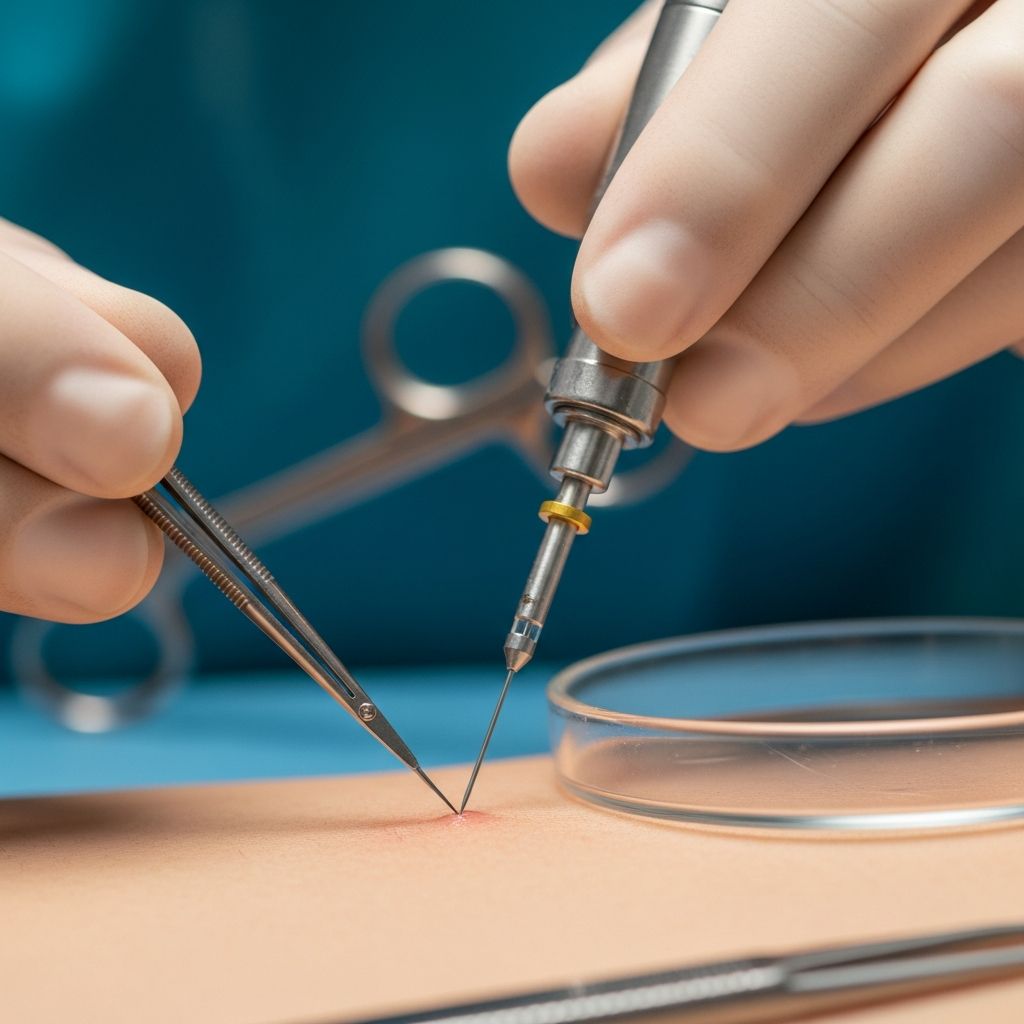
What Is a Biopsy?
A biopsy is a medical procedure in which a small sample of tissue is removed from your body for examination under a microscope. This sample is then analyzed by a pathologist or other medical specialist to help diagnose diseases, particularly cancer and other abnormal conditions. Biopsies are among the most important diagnostic tools in modern medicine, allowing doctors to identify the exact nature of suspicious growths, lesions, or other tissue abnormalities that may not be apparent through imaging alone.
The tissue obtained during a biopsy provides crucial information that can confirm or rule out various medical conditions. Whether performed to evaluate a suspicious lump, investigate chronic inflammation, or assess unusual skin changes, biopsies enable healthcare providers to develop targeted treatment plans based on definitive diagnostic results rather than assumptions or preliminary findings.
Why Your Doctor Might Order a Biopsy
Physicians recommend biopsies for several important diagnostic reasons. The primary indication is to evaluate suspicious masses or lesions that could potentially be cancerous. When imaging studies such as X-rays, ultrasounds, CT scans, or MRI reveal abnormal findings, a biopsy may be necessary to determine whether the tissue is benign or malignant.
Beyond cancer detection, biopsies serve other critical diagnostic purposes:
- Confirming suspected infections, particularly fungal or mycobacterial infections
- Evaluating chronic inflammatory conditions affecting skin, liver, kidney, or other organs
- Assessing autoimmune disorders and their effects on tissue
- Diagnosing genetic or hereditary conditions
- Evaluating unusual rashes or skin conditions
- Investigating causes of unexplained organ dysfunction
- Staging cancers to determine treatment approaches
Your doctor will discuss the specific reason why a biopsy is being recommended in your particular case and will explain what information the procedure is expected to provide.
Types of Biopsy Procedures
Multiple biopsy techniques are available, and the specific type recommended depends on the location of the tissue to be sampled, the size of the lesion, and the depth of tissue that needs to be examined. Understanding the different approaches can help you know what to expect during your procedure.
Needle Biopsy
Needle biopsies are among the least invasive biopsy options. In this procedure, a hollow needle is inserted through the skin directly into the area of concern to extract a small tissue sample. Needle biopsies are often performed in outpatient settings with local anesthesia. There are two main variations: fine-needle aspiration (FNA), which uses a very thin needle, and core needle biopsy, which uses a larger gauge needle to obtain more substantial tissue samples. Needle biopsies are commonly used for breast lesions, thyroid nodules, and lung abnormalities.
Excisional Biopsy
An excisional biopsy involves the surgical removal of the entire suspicious lesion along with some surrounding normal tissue. This technique is often used for small skin lesions, moles, or other accessible masses. The removed tissue is then examined in its entirety by a pathologist. Excisional biopsies provide comprehensive tissue evaluation and can be both diagnostic and therapeutic if the entire lesion is removed.
Incisional Biopsy
Unlike excisional biopsy, an incisional biopsy removes only a portion of a larger lesion rather than the entire mass. This approach is used when the suspicious area is too large to remove completely or when the lesion is located in an area where complete removal would cause significant morbidity. The tissue sample obtained provides diagnostic information while preserving as much normal tissue as possible.
Related Stories



Punch Biopsy
Commonly used for skin conditions, a punch biopsy employs a small circular tool to remove a cylindrical sample of skin. The instrument is rotated to cut through all layers of skin, and the sample is then removed with forceps. Punch biopsies are quick, minimally invasive, and typically require only local anesthesia. A small bandage is usually sufficient for post-procedure care.
Shave Biopsy
A shave biopsy is used for superficial skin lesions. The area is numbed with local anesthesia, and the suspicious tissue is removed using a thin blade or razor. This technique removes tissue from the surface and upper layers of the skin, making it ideal for evaluating moles, warts, or other skin growths. Minimal bleeding typically occurs, and healing is usually straightforward.
Brush Biopsy
This technique uses a small brush or swab to collect cells from the surface of a tissue. Brush biopsies are often used to evaluate the lining of the esophagus, respiratory tract, or other internal surfaces. The cells are then prepared on a slide for microscopic examination.
Endoscopic Biopsy
Endoscopic biopsies are performed using a flexible tube with a camera and biopsy tools inserted into the body. This allows doctors to visualize internal organs or structures directly and obtain tissue samples from specific areas of concern. Endoscopic biopsies are commonly used to evaluate the gastrointestinal tract, including the esophagus, stomach, and colon.
Preparing for Your Biopsy
Proper preparation is essential for ensuring a successful biopsy procedure. Your healthcare provider will give you specific pre-procedure instructions based on the type of biopsy you’re scheduled to have.
General preparation steps may include:
- Informing your doctor about all medications you take, especially blood thinners like aspirin or warfarin
- Discussing any allergies you have, particularly to anesthetics or antiseptics
- Arranging for transportation if sedation will be used
- Fasting for a specific period if the procedure will involve sedation or anesthesia
- Wearing loose, comfortable clothing that allows easy access to the biopsy site
- Avoiding certain medications or supplements as directed by your healthcare provider
- Having someone accompany you if the procedure requires sedation or general anesthesia
It’s crucial to follow all pre-procedure instructions carefully, as failure to do so could result in postponement of your biopsy.
What to Expect During the Procedure
Understanding the procedural steps can help reduce anxiety and allow you to know what to anticipate during your biopsy.
Most biopsies follow a similar general sequence:
- Positioning: You will be positioned comfortably to provide the doctor with optimal access to the biopsy site.
- Cleaning: The area will be thoroughly cleaned with an antiseptic solution to reduce infection risk.
- Anesthesia: Local anesthesia is injected to numb the area. You may feel a brief stinging sensation as the anesthetic is administered, but the area should then feel numb.
- Tissue sampling: Using the appropriate technique for your specific biopsy type, the doctor will remove the tissue sample.
- Hemostasis: If needed, bleeding is controlled through pressure, cauterization, or other methods.
- Closure: Depending on the biopsy type and depth, the site may be closed with sutures, surgical tape, or left to heal naturally.
- Dressing: A sterile bandage is typically applied to protect the biopsy site.
The entire procedure typically takes 15 to 60 minutes depending on the biopsy type and complexity. You should feel minimal discomfort during the procedure due to anesthesia, though you may experience pressure or mild sensations.
After Your Biopsy
Post-procedure care is important for proper healing and minimizing complications. Most patients can resume normal activities relatively quickly, though specific restrictions may apply depending on the biopsy type and location.
General post-procedure guidelines include:
- Keeping the biopsy site clean and dry
- Changing bandages as directed by your healthcare provider
- Avoiding strenuous activity or heavy lifting for a specified period
- Not swimming or bathing until the site is fully healed
- Taking over-the-counter pain relievers if experiencing minor discomfort
- Watching for signs of infection such as increased redness, warmth, swelling, or drainage
- Keeping the area protected from sun exposure if it’s on exposed skin
- Attending follow-up appointments to discuss results
Most biopsy sites heal within one to three weeks depending on the depth and extent of tissue removed. Sutures, if placed, may need removal at a follow-up appointment.
Understanding Your Biopsy Results
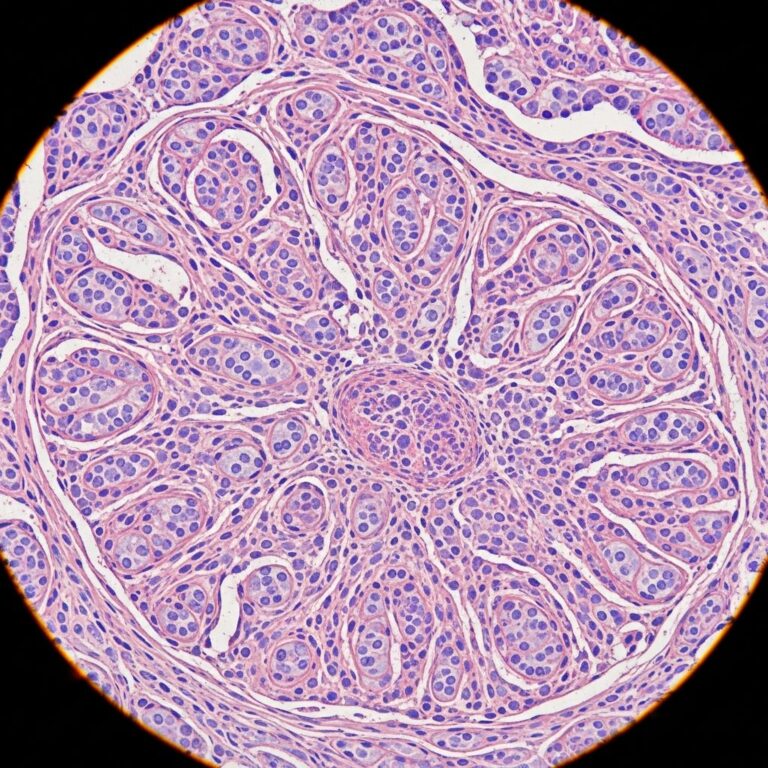
Once the tissue sample is obtained, it is sent to a laboratory where a pathologist examines it under a microscope and performs any necessary tests. The pathologist prepares a detailed report describing the tissue characteristics, any abnormalities observed, and a diagnosis or assessment.
Your doctor will discuss the results with you and explain what they mean for your health and any necessary next steps. Results typically become available within three to ten business days, though some specialized tests may take longer. In cases where results are unclear, your doctor may recommend additional testing or a repeat biopsy.
Risks and Complications
While biopsies are generally safe procedures, all medical procedures carry some risk. Potential complications are usually minor and temporary.
Possible complications may include:
- Bleeding: Minor bleeding at the biopsy site is common and usually stops quickly. Significant bleeding is rare but may occur, especially in patients taking blood thinners.
- Infection: Though uncommon, infection at the biopsy site can develop. Signs include increasing redness, warmth, swelling, or discharge.
- Pain or tenderness: Mild discomfort is normal and typically resolves within a few days.
- Scarring: Depending on the technique used and individual healing factors, minor scarring may occur.
- Nerve or vessel damage: Rarely, biopsies can injure nearby nerves or blood vessels, though this is uncommon when performed by experienced physicians.
- Allergic reactions: Reactions to anesthesia or antiseptic agents are possible but rare.
The risk of serious complications is minimal when biopsies are performed by qualified medical professionals in appropriate settings.
When Biopsy Results Are Urgent
In some situations, particularly when cancer is suspected, biopsy results may be needed quickly to guide treatment decisions. Your healthcare provider may request expedited processing, which can provide results within 24 to 48 hours. Communicating with your medical team about timeline concerns ensures appropriate prioritization of your biopsy analysis.
Alternatives to Biopsy
While biopsies are often the definitive diagnostic tool, your doctor may first recommend imaging studies such as ultrasound, CT scan, or MRI to further evaluate suspicious findings. In some cases, clinical observation or repeat imaging may be appropriate if the lesion appears clearly benign on imaging. However, when tissue diagnosis is needed to guide treatment, biopsy remains the gold standard.
Frequently Asked Questions
Q: Does a biopsy hurt?
A: Most biopsies cause minimal discomfort because local anesthesia numbs the area. You may feel pressure or mild sensations during the procedure, but significant pain should not occur. Discomfort after the procedure is typically mild and manageable with over-the-counter pain relief.
Q: How long does it take to get biopsy results?
A: Most biopsy results are available within three to ten business days. Some specialized tests or complex cases may require additional time. Your doctor will inform you of the expected timeline for your specific biopsy.
Q: Can I drive home after my biopsy?
A: If only local anesthesia is used, you can typically drive home. However, if sedation or general anesthesia is administered, you must arrange for someone else to drive you. You cannot operate a vehicle for 24 hours after receiving sedating medications.
Q: Will I have a scar from my biopsy?
A: Most biopsies result in minimal or no scarring, particularly when small needles or punch tools are used. Larger biopsies may result in small scars that typically fade significantly over time. Your doctor can discuss scarring risks specific to your biopsy location and technique.
Q: Can a biopsy spread cancer?
A: The risk of a biopsy spreading cancer is extremely low. Modern biopsy techniques are carefully planned to minimize this risk. The diagnostic information gained from a biopsy far outweighs the minimal theoretical risk, making biopsy an important tool in cancer diagnosis and treatment planning.
Q: What should I do if my biopsy site becomes infected?
A: Contact your healthcare provider immediately if you notice signs of infection such as increasing redness, warmth, swelling, pus, or fever. Early treatment with antibiotics can prevent serious complications.
References
- Obtaining Tissue for Diagnosis of Bone and Soft-Tissue Tumors — Johns Hopkins University, Instructional Course Lectures. 1999. https://pure.johnshopkins.edu/en/publications/biopsy/
- Cutaneous Nerve/Skin Biopsy — Johns Hopkins Sjögren’s Center, Department of Neurology. Accessed December 2025. https://www.hopkinssjogrens.org/disease-information/diagnosis-sjogrens-disease/cutaneous-nerveskin-biopsy/
- Diagnostic Procedures and Biopsy Techniques in Clinical Medicine — Johns Hopkins University, Academic Medicine. 2024. https://pure.johnshopkins.edu/en/publications/biopsy-2/
Similar Articles








Read full bio of Sneha Tete