Biotin Benefits: What Science Really Says
Discover the evidence-based benefits of biotin for hair, skin, nails, blood sugar, and more—backed by science, not hype.
Biotin, also known as
vitamin B7
, is a water-soluble B-complex vitamin essential for converting food into energy and supporting cell function. It acts as a coenzyme for five carboxylase enzymes involved in fatty acid synthesis, gluconeogenesis, and amino acid metabolism. While often marketed forhair growth
,nail strength
, andskin health
, scientific evidence shows benefits primarily in cases of deficiency, which is rare in healthy individuals eating balanced diets.This article examines biotin’s proven roles, potential benefits, food sources, recommended intake, supplement considerations, and risks, drawing from peer-reviewed studies and health authorities.
What Is Biotin?
**Biotin (vitamin B7 or H)** is a B vitamin found in foods like eggs, nuts, and liver. Your body cannot store it long-term, so daily intake is needed. Gut bacteria also produce some biotin, though its contribution to blood levels is unclear. Biotin supports enzymes that process carbohydrates, fats, and proteins into energy. Deficiency symptoms include thinning hair, brittle nails, skin rashes, fatigue, and neurological issues. True deficiency is uncommon but can occur from genetic disorders, prolonged antibiotic use, or excessive raw egg white consumption (avidin binds biotin).
Biotin Benefits: Evidence-Based Insights
While biotin hype surrounds beauty benefits, research emphasizes metabolic support and targeted uses. Here’s what studies show:
1. Supports Healthy Metabolism and Energy Production
Biotin’s core role is as a cofactor for carboxylases in metabolism. It aids gluconeogenesis (sugar production), fatty acid synthesis, and leucine breakdown. Harvard’s Nutrition Source notes biotin ensures cells generate energy efficiently. Deficiency disrupts this, leading to fatigue and high blood lactate.
2. May Improve Blood Sugar Control in Diabetes
Some studies suggest
biotin supplements
help manage type 2 diabetes symptoms. A review found biotin (with chromium) reduced fasting blood glucose and HbA1c in diabetics. It may lower total cholesterol and triglycerides without affecting insulin levels. Neurological benefits for diabetic neuropathy are possible due to B-vitamin support for nerves, but more research is needed. NIH studies confirm potential glycemic improvements, especially in deficient individuals.3. Promotes Hair Growth (Mainly in Deficiency)
**Biotin for hair** is popular, but evidence is limited to deficiencies. Biotin contributes to keratin production, the protein in hair. A PMC review of 18 cases showed hair improvement with biotin in patients with uncombable hair syndrome, brittle nails, or genetic deficiencies. Doses of 300–3,000 μg/day helped, but no benefits in healthy people. Healthline notes a study where a multi-nutrient supplement (including biotin) increased hair volume, but biotin alone wasn’t isolated. Deficiency affects 38% of women with hair loss, often linked to IBD or medications. Bottom line: No strong evidence for hair growth in non-deficient individuals.
4. Strengthens Nails (For Brittle Nail Syndrome)
Similar to hair, biotin may thicken nails in brittle nail syndrome. Case reports show 2.5 mg/day improved splitting/ridging after 6 months. However, no proof for healthy nails. The Journal of Drugs in Dermatology states strong evidence only for true deficiency.
5. Supports Skin Health
Biotin deficiency links to dermatitis, acne scarring, and rashes. Supplementation may help these, but research is preliminary. No robust data for acne or anti-aging in healthy skin.
6. Important for Pregnancy
Pregnant women need more biotin; up to 1/3 in the U.S. show mild deficiency. It supports fetal development, but high-dose needs research. Eat biotin-rich foods or consult doctors.
Related Stories



7. Potential Nerve Health Benefits
High-dose biotin (300 mg/day) was tested for multiple sclerosis nerve repair, but recent studies show no long-term gains. More evidence required.
Biotin-Rich Foods: Top Sources
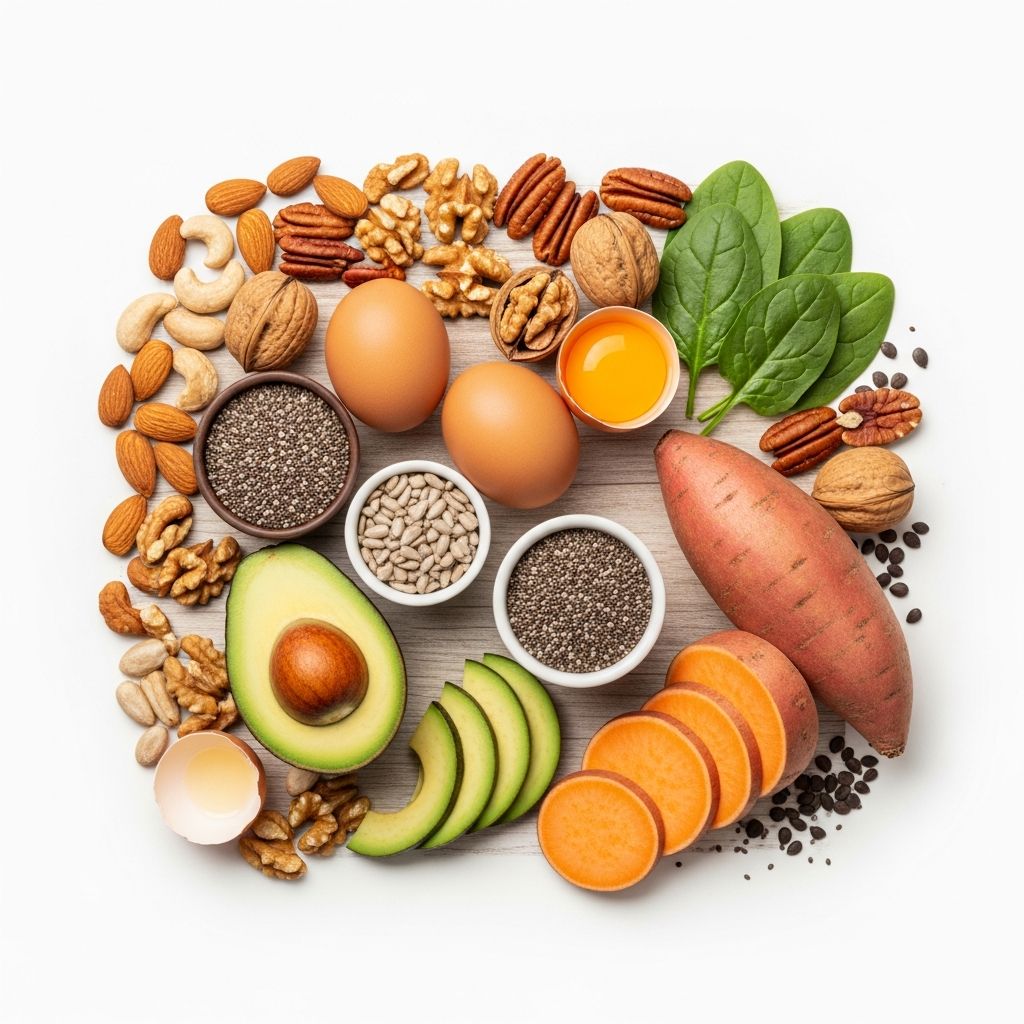
Meet needs through diet. Daily AI is 30 μg for adults (no RDA set). Here’s a table of high-biotin foods:
| Food | Serving Size | Biotin (μg) | % Daily AI (30 μg) |
|---|---|---|---|
| Beef liver (cooked) | 3 oz | 30.8 | 103% |
| Egg (cooked, whole) | 1 large | 10 | 33% |
| Salmon (cooked) | 3 oz | 5 | 17% |
| Almonds | 1 oz (28g) | 1.5 | 5% |
| Sweet potato (cooked) | 1 medium | 2.4 | 8% |
| 2% Milk | 1 cup | 0.3 | 1% |
Sources: Beef liver tops lists; eggs, fish, nuts, seeds, pork, bananas, mushrooms follow.
Biotin Dosage: How Much Do You Need?
- Adequate Intake (AI): Adults 30 μg/day; pregnancy 30 μg; lactation 35 μg.
- Supplements: 30–100 μg common; hair/nails often 2,500–10,000 μg (excess excreted). Deficiency treatment: 10,000–30,000 μg for genetic cases.
- Upper Limit: None set; no toxicity reported up to 300 mg.
Most exceed AI via diet/gut bacteria. Test levels if suspect deficiency.
Biotin Side Effects and Risks
Biotin is safe; rare side effects include nausea or digestive upset at high doses. Key risk: Interferes with lab tests (thyroid, troponin, hormones)—stop 3–7 days before bloodwork. No interactions with most meds, but consult for diabetes drugs.
Who Should Take Biotin Supplements?
- Those with confirmed deficiency (genetic, malabsorption, raw egg eaters).
- Diabetes patients under medical guidance.
- Pregnant/lactating women if diet insufficient.
- Brittle nails or deficiency-related hair loss.
- Not recommended for healthy hair/skin/nails without deficiency.
Frequently Asked Questions (FAQs)
Does biotin make your hair grow faster?
Only if deficient; no evidence for healthy individuals.
Can biotin strengthen nails?
Yes, for brittle nail syndrome; limited for others.
Is biotin safe during pregnancy?
Essential, but get from food or doctor-approved supplements.
How long for biotin to work on hair?
3–6 months in deficient cases; results vary.
Can too much biotin harm you?
No toxicity, but it skews lab tests.
Final Thoughts
**Biotin** excels in metabolism and deficiency correction but lacks proof for universal beauty boosts. Prioritize diet; supplement wisely after testing. Consult healthcare providers for personalized advice.
References
- Biotin: Health Benefits, Health Risks, Dosage, and More — WebMD. 2023. https://www.webmd.com/diet/health-benefits-biotin
- Biotin for Hair Growth: Does It Work? — Healthline. 2023. https://www.healthline.com/health/biotin-hair-growth
- A Review of the Use of Biotin for Hair Loss — PMC/NIH. 2017-08-07. https://pmc.ncbi.nlm.nih.gov/articles/PMC5582478/
- The Infatuation With Biotin Supplementation — Journal of Drugs in Dermatology. 2017. https://jddonline.com/articles/the-infatuation-with-biotin-supplementation-is-there-truth-behind-its-rising-popularity-a-comparativ-S1545961617P0496X/
- Biotin – Vitamin B7 — Harvard T.H. Chan School of Public Health. 2023. https://nutritionsource.hsph.harvard.edu/biotin-vitamin-b7/
Similar Articles








Read full bio of medha deb