Biotin: 4 Proven Benefits For Energy, Hair, Skin, Nails
Unlock the power of biotin for energy, beauty, and overall wellness with science-backed insights on sources, benefits, and safe usage.
Biotin, widely recognized as vitamin B7, stands as a crucial water-soluble nutrient that fuels essential metabolic processes and supports multiple bodily systems. This B-complex vitamin aids in transforming carbohydrates, fats, and proteins into usable energy while contributing to the maintenance of healthy hair, skin, nails, and nervous system function.
Understanding Biotins Core Functions in the Body
At its foundation, biotin serves as a coenzyme for five carboxylase enzymes that drive critical reactions in human physiology. These enzymes facilitate the breakdown of macronutrients for energy production, regulate gene expression through histone modifications, and support cell signaling pathways. Without adequate biotin, these processes falter, potentially leading to fatigue, neurological issues, and dermatological problems.
Biotins involvement extends to fatty acid synthesis, glucose metabolism, and amino acid catabolism, making it indispensable for sustained daily energy levels. It also plays a role in maintaining mucous membranes and supporting immune responses by enabling proper cell growth and division.
Rich Dietary Sources to Meet Your Daily Needs
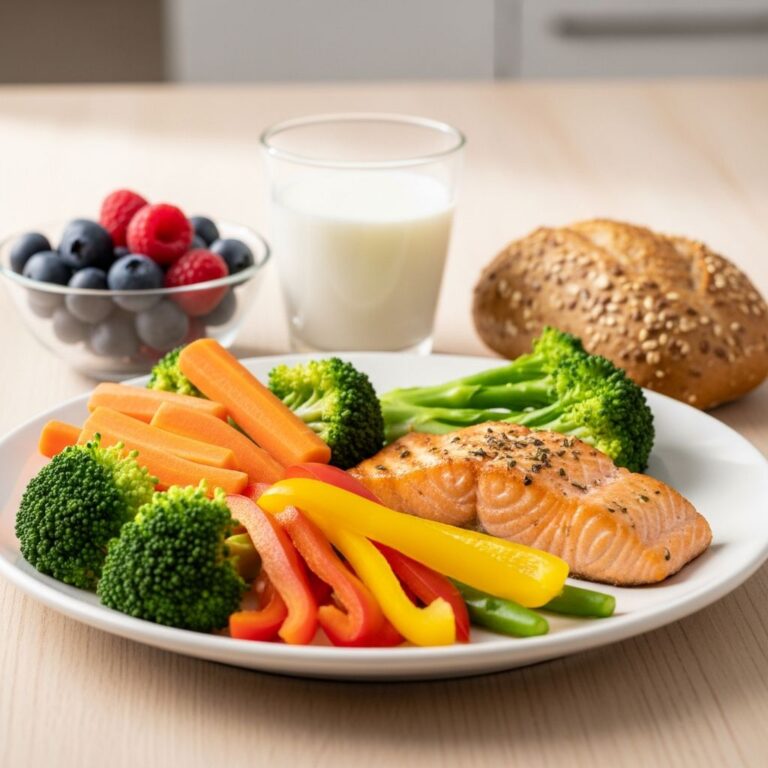
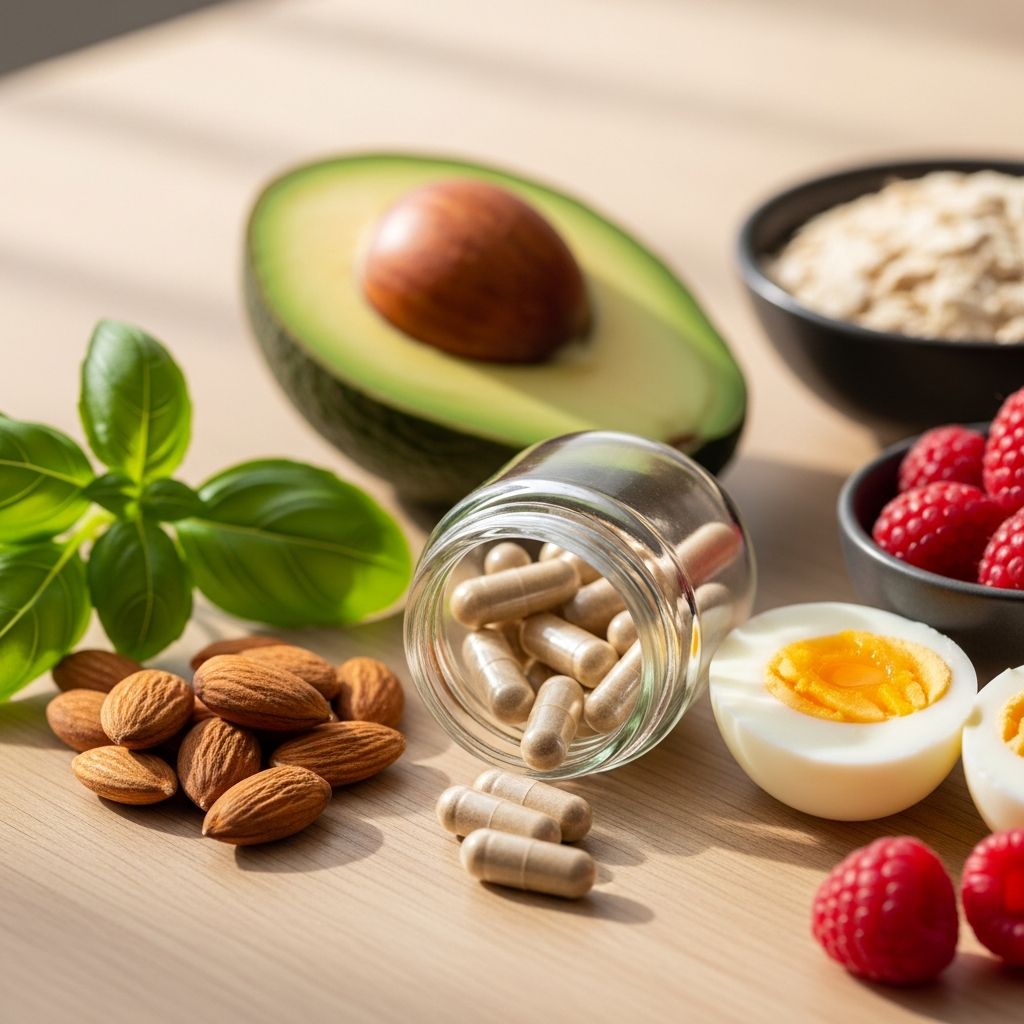
Most individuals obtain sufficient biotin through a balanced diet, as the recommended daily allowance (RDA) for adults is approximately 30 micrograms. Animal products often top the list of biotin-dense foods due to their high bioavailability.
- Organ meats: Beef liver provides around 30-40 mcg per 3-ounce serving, making it one of the richest sources.
- Eggs: A single cooked egg yolk delivers about 10 mcg, though raw eggs contain avidin, a protein that binds biotin and reduces absorption.
- Fish and seafood: Salmon and sardines offer 4-5 mcg per serving.
- Nuts and seeds: Almonds, peanuts, sunflower seeds contribute 2-6 mcg per ounce.
- Vegetables: Sweet potatoes, mushrooms, and spinach provide smaller amounts, around 2-6 mcg per cup.
- Dairy and others: Milk, cheese, bananas, and avocados add trace levels.
Plant-based sources may have lower bioavailability due to phytates and other inhibitors, but a varied diet typically suffices for non-deficient populations.
Who Benefits Most from Biotin Supplementation?
Supplements become relevant primarily for those with confirmed deficiencies or specific risk factors. Genetic disorders like biotinidase deficiency, holocarboxylase synthetase deficiency, and propionic acidemia necessitate lifelong supplementation to prevent severe neurological damage and skin abnormalities.
Pregnant individuals require heightened attention, as studies indicate up to one-third may experience mild shortages due to increased fetal demands. Biotin supports embryonic development and prevents potential birth defects.
Chronic alcohol consumption, prolonged raw egg white intake, and certain gastrointestinal disorders (e.g., Crohns disease) impair absorption, elevating deficiency risk. Infants with uncombable hair syndrome or cradle cap may also respond to biotin therapy.
Related Stories



Proven Health Advantages Backed by Research
Strengthening Nails and Hair
Clinical trials demonstrate biotins efficacy for brittle nails. In one study, 2.5 mg daily for 5.5 months improved nail firmness in 91% of participants with thin, brittle nails. Another retrospective analysis showed 63% improvement after 6-15 months. For hair, benefits are clearest in deficiency states, where supplementation resolves thinning and loss; however, evidence for healthy individuals remains anecdotal.
Skin Wellness and Dermatological Support
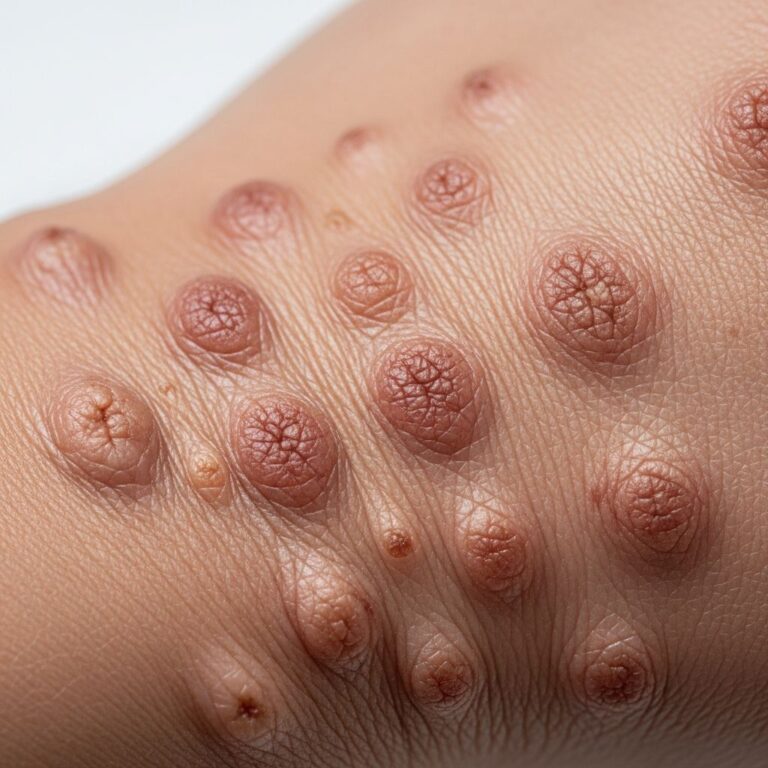
Biotin deficiency manifests in dermatitis, rashes, and alopecia, particularly in infants. High-dose treatments have resolved these in case studies, though adult data is limited. It maintains skin integrity by supporting keratin infrastructure and mucous membranes.
Metabolic Support for Diabetes
Emerging research suggests biotin aids blood sugar control in type 2 diabetes, potentially lowering glucose, cholesterol, and triglycerides without affecting insulin levels. Animal models indicate protection against diabetic nephropathy. Human trials show promise but require larger confirmation.
Nervous System and Prenatal Health
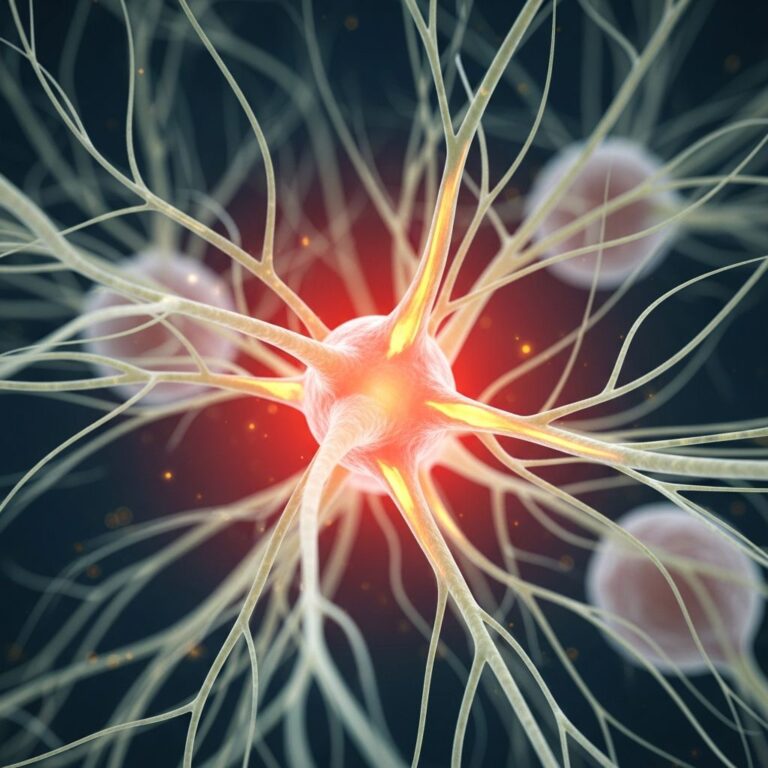
Biotin supports nerve repair and myelin production, though high-dose trials for multiple sclerosis yielded no long-term gains. During pregnancy, its vital for fetal neural tube development.
Recommended Dosages and Supplementation Guidelines
| Group | Recommended Intake (mcg/day) | Supplement Dose for Deficiency |
|---|---|---|
| Adults (19+) | 30 | 10 mg (up to) |
| Pregnant | 30 | Consult physician |
| Lactating | 35 | Consult physician |
| Children (1-3 yrs) | 8-12 | Physician supervised |
| Genetic deficiency | Varies | 5-20 mg daily |
Doses above 10 mg are generally safe but should be medically supervised. Biotins water-soluble nature allows excess excretion via urine.
Recognizing and Addressing Biotin Deficiency
Symptoms emerge gradually: thinning hair, brittle nails, skin rashes (especially around eyes, nose, mouth), fatigue, depression, and hallucinations in severe cases. Infants may exhibit seizures, hypotonia, and breathing issues. Diagnosis involves blood tests for 3-hydroxyisovalerylcarnitine or urinary methylcitrate levels.
Treatment with oral biotin (5-10 mg/day) reverses symptoms rapidly in most cases, underscoring early detections importance.
Potential Risks, Interactions, and Safety Considerations
Biotin enjoys a strong safety profile at recommended levels, with no established upper limit. High doses (5-10 mg+) can interfere with lab assays for thyroid hormones, troponin, and vitamin D, yielding falsely normal or high results. Discontinue supplements 3-7 days before bloodwork and inform providers.
Rare side effects include acne-like eruptions or digestive upset. It may enhance antidiabetic medication effects, necessitating glucose monitoring. No significant drug interactions noted beyond lab interference.
Biotin in Beauty Products: Shampoos, Serums, and Beyond
Topical biotin in shampoos and conditioners aims to boost scalp circulation, keratin production, and follicle strength. While dietary biotin underpins hair health systemically, topical forms may offer localized nourishment, reducing shedding in thinning hair. Combine with oral intake for optimal results, especially if deficient.
Comparing Biotin with Other B Vitamins
| Vitamin | Primary Role | Key Food Sources | Deficiency Signs |
|---|---|---|---|
| B7 (Biotin) | Energy metabolism, keratin support | Liver, eggs, nuts | Hair loss, rash, neuropathy |
| B9 (Folate) | DNA synthesis, red blood cells | Leafy greens, legumes | Anemia, neural tube defects |
| B12 | Nerve function, blood formation | Meat, dairy | Fatigue, memory loss |
Biotin uniquely targets carboxylation reactions, distinguishing it within the B family.
Frequently Asked Questions (FAQs)
Can biotin make my hair grow faster?
In cases of deficiency, yesit restores normal growth rates. For others, evidence is insufficient to confirm accelerated growth beyond baseline.
Is biotin safe during pregnancy?
Yes, at RDA levels or as supplements if deficient. Consult a healthcare provider for personalized dosing.
How long until I see results from biotin supplements?
Nail improvements may appear in 3-6 months; hair and skin changes vary from weeks to months.
Does biotin affect birth control?
No known interactions, but inform your doctor of all supplements.
Can vegetarians get enough biotin?
Yes, via nuts, seeds, veggies, and fortified foods, though absorption may be slightly lower.
Practical Tips for Incorporating Biotin into Your Routine
- Cook eggs thoroughly to neutralize avidin.
- Pair biotin-rich foods with a varied diet for synergistic B-vitamin absorption.
- Opt for third-party tested supplements to ensure purity.
- Monitor for deficiency if on long-term antibiotics or anticonvulsants.
- Combine with balanced nutrition rather than relying solely on megadoses.
References
- Biotin: Health Benefits, Health Risks, Dosage, and More — WebMD. 2023-10-15. https://www.webmd.com/diet/health-benefits-biotin
- Biotin 101: What Is It and Why Its Good for Hair? — Pantene. 2024-02-10. https://pantene.com/en-us/articles/is-biotin-good-for-hair
- Biotin: What Are the Benefits? And Do You Really Need Supplements? — Cleveland Clinic. 2024-05-20. https://health.clevelandclinic.org/benefits-of-biotin
- Biotin Supplements: Benefits, Side Effects & More — BuzzRx. 2023-11-05. https://www.buzzrx.com/blog/biotin
- Biotin – Health Professional Fact Sheet — NIH Office of Dietary Supplements (ods.od.nih.gov). 2024-08-01. https://ods.od.nih.gov/factsheets/Biotin-HealthProfessional/
- Biotin – Uses, Side Effects, and More — WebMD Vitamins. 2024-01-12. https://www.webmd.com/vitamins/ai/ingredientmono-313/biotin
- Biotin — University of Rochester Medical Center (urmc.rochester.edu). 2023-07-18. https://www.urmc.rochester.edu/encyclopedia/content?contenttypeid=19&contentid=vitaminh
Similar Articles








Read full bio of medha deb