BiPAP Machine: Uses, Benefits, Side Effects & Alternatives
Discover how BiPAP therapy improves breathing, its benefits, risks, and alternatives for sleep and respiratory disorders.
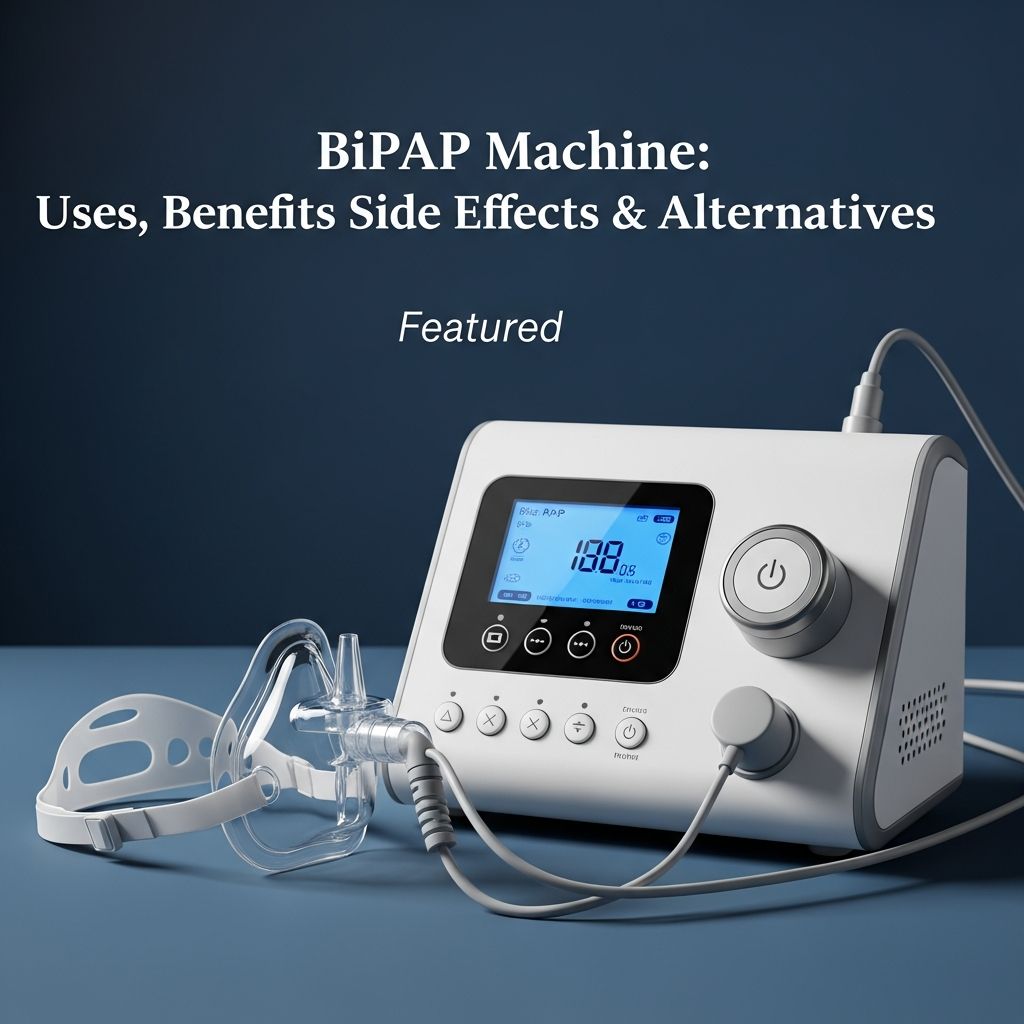
What Is a BiPAP Machine?
A BiPAP (Bilevel Positive Airway Pressure) machine is a type of noninvasive ventilation device designed to help people breathe more easily. Unlike invasive mechanical ventilation, which requires a tube inserted into the airway, BiPAP delivers air through a mask that fits over the nose or mouth. The device is commonly used for individuals who can breathe on their own but struggle to get enough oxygen or remove carbon dioxide from their lungs.
How Does BiPAP Work?
BiPAP machines deliver air at two different pressures:
- Inhalation Positive Airway Pressure (IPAP): A higher pressure is delivered when you inhale, helping to push air into your lungs.
- Exhalation Positive Airway Pressure (EPAP): A lower pressure is delivered when you exhale, making it easier to breathe out.
This dual-pressure system is what sets BiPAP apart from CPAP (Continuous Positive Airway Pressure) machines, which deliver a constant pressure throughout the breathing cycle. BiPAP machines can be set to timed or automatic modes, adjusting pressure based on your breathing patterns.
Uses of BiPAP Therapy
BiPAP therapy is used to treat a variety of conditions, including:
- Sleep Apnea: Especially for those who cannot tolerate CPAP or have complex sleep apnea.
- Chronic Obstructive Pulmonary Disease (COPD): Helps manage symptoms and improve oxygen levels.
- Heart Failure: Assists in reducing the workload on the heart.
- Neuromuscular Disorders: Supports breathing in conditions like ALS or muscular dystrophy.
- Acute Respiratory Failure: Used in emergency settings to support breathing.
Benefits of BiPAP Therapy
BiPAP therapy offers several benefits:
- Improved Oxygenation: Helps maintain adequate oxygen levels in the blood.
- Reduced Carbon Dioxide: Assists in removing excess carbon dioxide from the body.
- Enhanced Comfort: The dual-pressure system can make breathing more comfortable, especially for those who find CPAP uncomfortable.
- Better Sleep Quality: Reduces episodes of apnea and improves sleep quality.
- Reduced Hospitalizations: Can help prevent hospitalizations for respiratory conditions.
Side Effects and Risks
While BiPAP therapy is generally safe, some side effects may occur:
- Mask Discomfort: Some users may find the mask uncomfortable or experience skin irritation.
- Air Leaks: Poor mask fit can lead to air leaks, reducing the effectiveness of therapy.
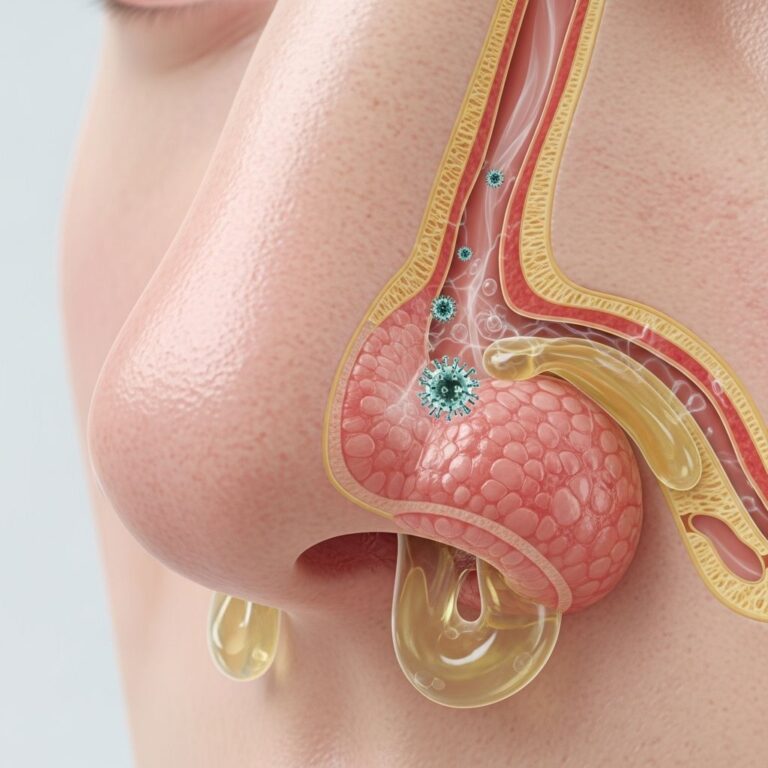
- Dry Mouth or Nose: The airflow can cause dryness in the mouth or nose.
- Stomach Bloating: Swallowing air can lead to bloating or discomfort.
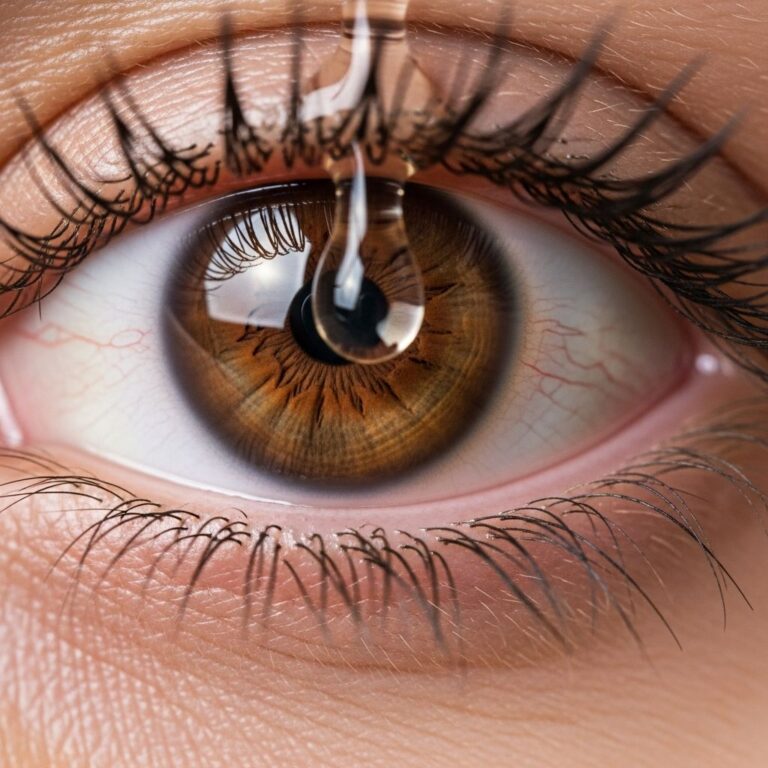
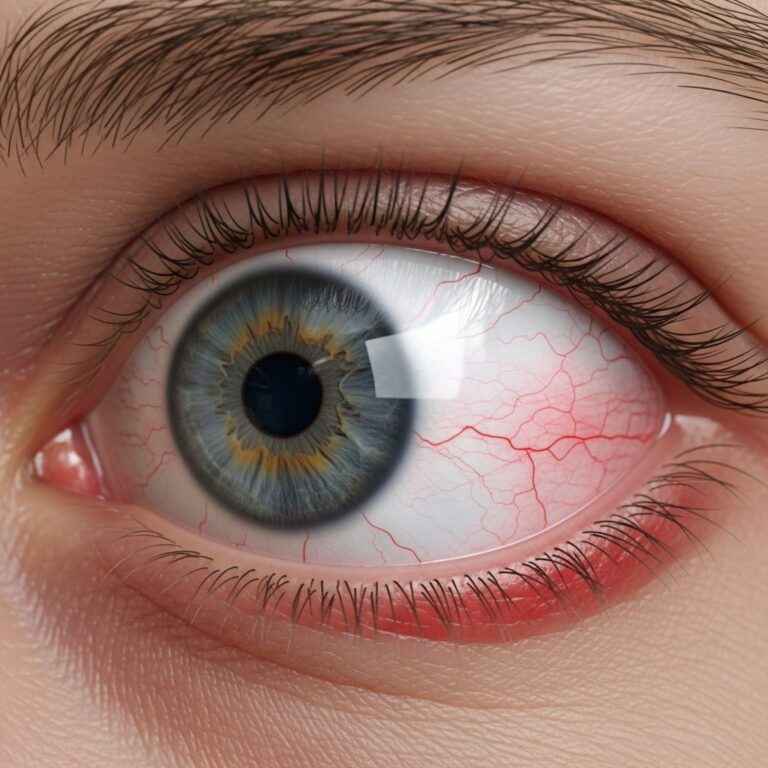
- Eye Irritation: Air leaks around the eyes can cause irritation.
- Claustrophobia: Some users may feel claustrophobic wearing the mask.
Alternatives to BiPAP
There are several alternatives to BiPAP therapy, depending on the underlying condition:
- CPAP (Continuous Positive Airway Pressure): Delivers a constant pressure throughout the breathing cycle. Suitable for most sleep apnea patients.
- APAP (Automatic Positive Airway Pressure): Adjusts pressure automatically based on breathing patterns.
- ASV (Adaptive Servo-Ventilation): Used for complex sleep apnea and central sleep apnea.
- Oxygen Therapy: Provides supplemental oxygen for those with low oxygen levels.
- Surgical Options: Procedures like uvulopalatopharyngoplasty (UPPP) or maxillomandibular advancement (MMA) may be considered for severe cases.
When to Consider BiPAP Therapy
BiPAP therapy may be recommended if:
- You have sleep apnea and cannot tolerate CPAP.
- You have COPD or other chronic respiratory conditions.
- You experience daytime hypercapnia (high carbon dioxide levels).
- You have mixed obstructive and central apnea events.
- You require a high pressure setting for effective therapy.
Related Stories



How to Use a BiPAP Machine
Using a BiPAP machine involves the following steps:
- Consult Your Provider: Discuss your symptoms and medical history with your healthcare provider.
- Titration Study: A sleep study may be necessary to determine the appropriate pressure settings.
- Mask Fitting: Ensure the mask fits properly to prevent air leaks.
- Regular Use: Use the machine every night and during naps for optimal results.
- Follow-Up: Regular follow-up appointments to monitor progress and adjust settings as needed.
FAQs About BiPAP Therapy
What is the difference between BiPAP and CPAP?
BiPAP delivers two different pressures (one for inhalation and one for exhalation), while CPAP delivers a constant pressure throughout the breathing cycle.
Can BiPAP be used for sleep apnea?
Yes, BiPAP is often used for sleep apnea, especially for those who cannot tolerate CPAP or have complex sleep apnea.
Is BiPAP therapy comfortable?
Many users find BiPAP more comfortable than CPAP due to the dual-pressure system, but comfort can vary from person to person.
What are the side effects of BiPAP therapy?
Common side effects include mask discomfort, air leaks, dry mouth or nose, stomach bloating, eye irritation, and claustrophobia.
How often should I use my BiPAP machine?
For best results, use your BiPAP machine every night and during naps.
Can BiPAP therapy reduce hospitalizations?
Yes, BiPAP therapy can help reduce hospitalizations for respiratory conditions by improving breathing and oxygen levels.
References
References
- BiPAP Machine: Uses, Benefits, Side Effects & Alternatives — Cleveland Clinic. 2023. https://my.clevelandclinic.org/health/treatments/24970-bipap
- Importance Of Positive Airway Pressure (PAP) Therapy — Cleveland Clinic Abu Dhabi. 2017. https://www.clevelandclinicabudhabi.ae/en/health-hub/health-resource/medication-devices-and-supplements/importance-of-positive-airway-pressure-therapy
- Treatments for obstructive sleep apnea: CPAP and beyond — Cleveland Clinic Journal of Medicine. 2023. https://www.ccjm.org/content/90/12/755
- Positive airway pressure: Making an impact on sleep apnea — Cleveland Clinic Journal of Medicine. 2019. https://www.ccjm.org/content/86/9_suppl_1/26
- The Effects of BiPAP Masks while in Acute Care Settings — Linfield University. 2023. https://digitalcommons.linfield.edu/nursstud_502/4/
Similar Articles








Read full bio of Sneha Tete