Bipolar 1 Vs. Bipolar 2: Key Differences And Diagnosis
Understand the key differences between Bipolar I and Bipolar II disorders, from manic vs. hypomanic episodes to diagnosis and treatment options.
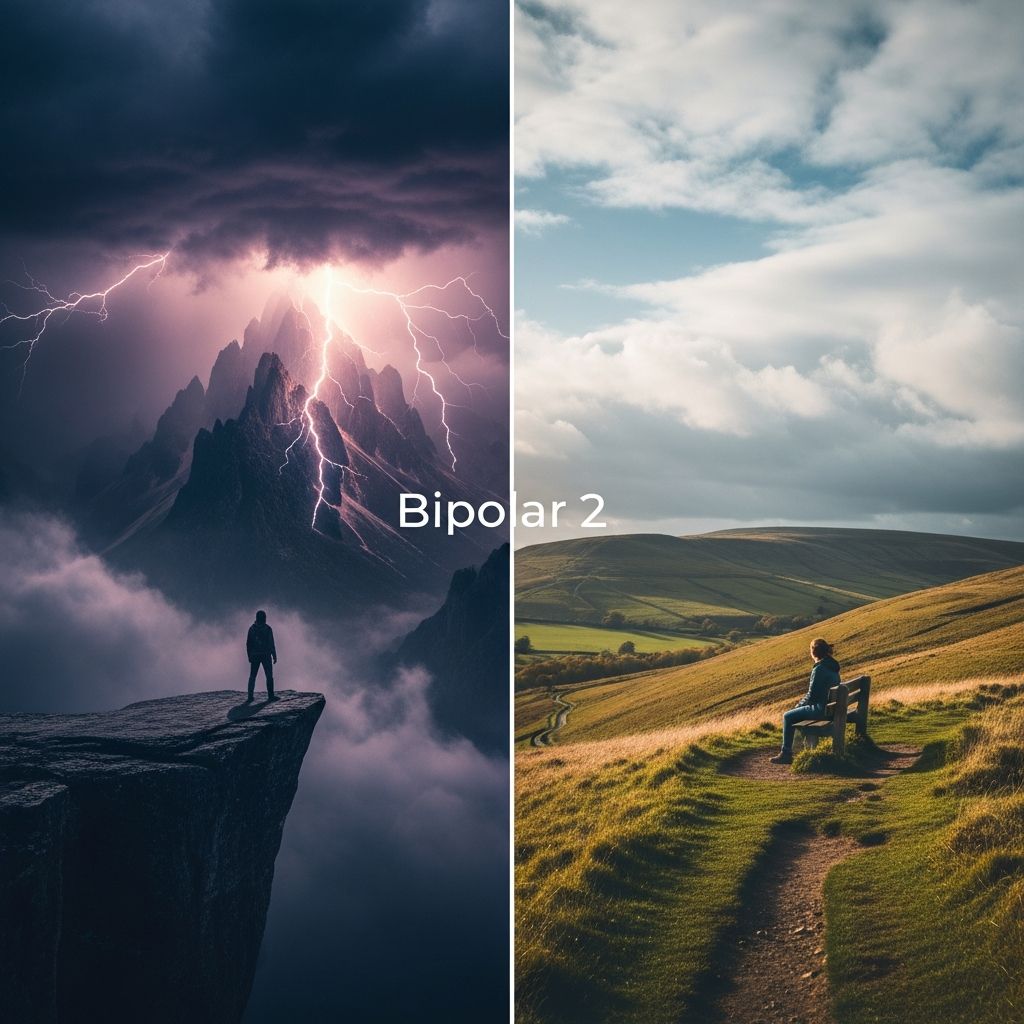
Bipolar I disorder is defined by at least one manic episode, which is severe and can include psychosis, while Bipolar II disorder requires hypomanic episodes and major depressive episodes, with no full mania.
These two forms of bipolar disorder affect millions worldwide, causing extreme mood swings that disrupt daily life. Bipolar I often grabs attention due to dramatic manic highs that may lead to hospitalization, whereas Bipolar II is frequently underdiagnosed because hypomanic episodes can feel productive and depressive lows mimic unipolar depression. Accurate differentiation is crucial for effective treatment, as misdiagnosis can worsen outcomes.
What Is Bipolar Disorder?
Bipolar disorder is a chronic mental health condition characterized by intense shifts in mood, energy, and activity levels, cycling between highs (mania or hypomania) and lows (depression). According to the Cleveland Clinic, it impacts about 2.8% of U.S. adults, with symptoms often emerging in late teens or early adulthood. Triggers include stress, sleep disruption, or substance use, but genetics play a major role—having a first-degree relative with bipolar increases risk significantly.
Unlike normal mood fluctuations, bipolar episodes are prolonged (lasting days to months) and impair functioning. Both Bipolar I and II share genetic and neurobiological roots, involving imbalances in brain chemicals like serotonin, dopamine, and norepinephrine.
Bipolar 1 Disorder: Symptoms and Characteristics
Bipolar I is the more severe type, diagnosed after at least one manic episode lasting seven days or requiring hospitalization. Mania dominates, often with depressive episodes following, though depression isn’t required for diagnosis.
Manic Episodes in Bipolar 1
During mania, individuals experience abnormally elevated or irritable mood, surging energy, and hyperactivity. Symptoms include:
- Decreased need for sleep (e.g., feeling rested after 2-3 hours)
- Racing thoughts and rapid speech
- Grandiosity or inflated self-esteem
- Impulsivity, such as reckless spending, unsafe sex, or substance abuse
- Distractibility and agitation, sometimes escalating to psychosis (hallucinations or delusions)
These episodes can lead to dangerous behaviors, job loss, or legal issues, often necessitating emergency intervention.
Depressive Episodes in Bipolar 1
Though not diagnostic, depressions in Bipolar I are profound, featuring hopelessness, fatigue, suicidal thoughts, and psychomotor retardation. They may last weeks and alternate with mania unpredictably.
Bipolar 2 Disorder: Symptoms and Characteristics
Bipolar II requires at least one hypomanic episode and one major depressive episode, but no full mania—distinguishing it critically from Bipolar I. Hypomania feels energizing but doesn’t derail life as severely.
Hypomanic Episodes in Bipolar 2
Hypomania lasts at least four days, with milder symptoms:
- Elevated mood, increased energy, and sociability
- Reduced sleep need without exhaustion
- Heightened creativity, talkativeness, and goal-directed activity
- Mild risk-taking, like overspending, but no marked impairment or psychosis
People often view hypomania positively, delaying diagnosis.
Depressive Episodes in Bipolar 2
Depressions are more frequent, prolonged, and debilitating than in Bipolar I, dominating the illness course. Symptoms mirror major depression: persistent sadness, anhedonia, appetite changes, and suicidality.
Related Stories



Bipolar 1 vs. Bipolar 2: Key Differences
The core distinction is episode type and severity: Bipolar I has full mania; Bipolar II has hypomania.
| Aspect | Bipolar 1 | Bipolar 2 |
|---|---|---|
| Mood Highs | Full mania (≥7 days, severe, possible psychosis/hospitalization) | Hypomania (≥4 days, milder, no psychosis) |
| Depression Requirement | Not required | Required (major depressive episodes) |
| Episode Frequency | Less frequent depressions; manic-dominant | More frequent, longer depressions |
| Functional Impact | High disruption from mania; often hospitalized | Less from highs, severe from lows; outpatient usual |
Bipolar I mania escalates rapidly, impairing judgment profoundly, while Bipolar II’s hypomania rarely requires intervention. Depressions hit Bipolar II harder chronically.
Similarities Between Bipolar 1 and Bipolar 2
Both involve mood cycling, genetic predisposition, and response to similar treatments.
- Mood Swings: Alternating highs/lows affecting energy, sleep, cognition.
- Treatment: Mood stabilizers (lithium), antipsychotics, psychotherapy (CBT).
- Risk Factors: Family history, trauma; both raise suicide risk 15-20x.
- Comorbidities: Anxiety, ADHD, substance use common.
Diagnosis: How Are Bipolar 1 and 2 Diagnosed?
Diagnosis relies on DSM-5 criteria via clinical interviews, ruling out substances/medical issues. Bipolar I needs one manic episode; Bipolar II needs hypomania + major depression, no mania history.
Challenges: Bipolar II often misdiagnosed as depression (50% cases), as hypomania goes unnoticed. Tools include mood charting, family input. Average delay: 10 years.
Treatment for Bipolar 1 and Bipolar 2
Treatment is lifelong, combining meds, therapy, lifestyle.
- Medications: Lithium/valproate for mania; lamotrigine for Bipolar II depression; avoid antidepressants solo to prevent mania.
- Therapy: CBT, IPSRT for rhythm stabilization, family-focused therapy.
- Lifestyle: Sleep hygiene, exercise, avoiding triggers.
Bipolar I may need acute hospitalization; Bipolar II focuses on depression prevention.
Which Is Worse: Bipolar 1 or Bipolar 2?
Neither is ‘worse’ universally—Bipolar I risks from mania (hospitalization, psychosis); Bipolar II from relentless depression (higher suicide attempts). Functionality varies individually.
When to See a Doctor
Seek help for persistent mood changes, sleep disruption, impulsivity, or suicidality. Early intervention prevents progression.
Frequently Asked Questions (FAQs)
What is the main difference between Bipolar 1 and Bipolar 2?
Bipolar 1 requires a full manic episode; Bipolar 2 requires hypomania and depression, no full mania.
Can you have Bipolar 2 and then develop Bipolar 1?
Yes, untreated Bipolar 2 can progress to mania, reclassifying as Bipolar 1.
Is Bipolar 2 easier to live with than Bipolar 1?
Not necessarily—Bipolar 2’s chronic depression can be more disabling long-term.
Do both types respond to the same medications?
Yes, mood stabilizers work for both, but Bipolar 2 often needs depression-focused meds like lamotrigine.
How common is misdiagnosis between the two?
Bipolar 2 is misdiagnosed as unipolar depression in up to 50% of cases due to overlooked hypomania.
References
- Comparing Bipolar 1 and Bipolar 2 — MentalHealth.com. 2023. https://www.mentalhealth.com/library/bipolar-1-vs-bipolar-2
- Bipolar 1 vs Bipolar 2: What’s the Key Differences? — Compassion Behavioral Health. 2024. https://compassionbehavioralhealth.com/bipolar-1-vs-bipolar-2/
- Bipolar 1 vs. Bipolar 2: Know the Difference — Healthline. 2023-10-12. https://www.healthline.com/health/bipolar-disorder/bipolar-1-vs-bipolar-2
- Bipolar 1 vs Bipolar 2: Differences & Similarities — Canyon Creek Behavioral Health. 2024. https://canyoncreekbh.com/blog/bipolar-1-vs-bipolar-2-differences-and-similarities/
- Bipolar Disorder (Manic Depression): Symptoms & Treatment — Cleveland Clinic. 2023-09-29. https://my.clevelandclinic.org/health/diseases/9294-bipolar-disorder
Similar Articles








Read full bio of Sneha Tete